Updated for 2025/2026: expanded to 40 disturbing and forbidden documentaries that push the limits of what nonfiction cinema dares to show.
Documentary film has always been about truth-telling — but sometimes truth is so raw, violent, or taboo that it becomes almost unbearable to watch. Across decades, filmmakers have created disturbing documentaries that cross into forbidden territory, uncovering realities that polite society prefers to ignore. From banned documentaries locked away by governments to rare docs circulating only in underground forums, these works test the limits of nonfiction cinema.
We are updating this article in 2025/2026 to expand the list from its original scope into a comprehensive guide of 40 shocking documentaries from around the world. Some were censored for decades, others achieved cult status despite controversy, and a few remain so extreme they can only be discussed in whispers. They are not for everyone — but together they map the forbidden side of documentary film, where fascination and discomfort collide.
In the eclectic world of cinema, some films and documentaries don't just entertain; they dig their claws into your psyche and refuse to let go. Today, we're diving into the murky waters of two such productions. First up is ‘Most Disturbed Person on Planet Earth,’ a title that alone sends shivers down your spine, and then we'll spend the bulk of our time grappling with Dominic Gagnon’s enigmatic docu-essay, ‘Going South’. One is an unapologetic plunge into depravity, while the other is a chaotic exploration of the digital age’s cultural decay. Buckle up; it’s going to be a wild ride.
In the eclectic world of cinema, some films and documentaries don’t just entertain; they burrow into your psyche and refuse to let go. Two of the most infamous examples sit at opposite ends of the spectrum: Most Disturbed Person on Planet Earth (better known as MDPOPE) and Dominic Gagnon’s enigmatic docu-essay, 'Going South', available on Guidedoc.
MDPOPE, directed by the elusive MD Thomas, is less a film than an endurance test — a compilation of the most shocking and horrifying clips ever captured on video. With no plot or narrative, it functions as a forbidden collage of nightmares. Circulating in whispers through online forums, it’s treated like a cursed artifact: people seek it out not for entertainment, but as a dare. The cult following around it only adds to its disturbing aura, even though tracking down a copy is like hunting a ghost in a haunted house.
Both works, in their own way, challenge the very definition of documentary. MDPOPE plunges unapologetically into depravity, while 'Going South' reveals a slower but equally haunting erosion of meaning in the digital age. Together, they mark two poles of disturbing nonfiction cinema — one visceral, the other intellectual — both demanding that viewers confront darkness head-on.
But they are only the entry point. Below, we expand this article into a comprehensive guide of 40 disturbing, rare, and forbidden documentaries from around the world — each pushing nonfiction cinema further into forbidden territory.
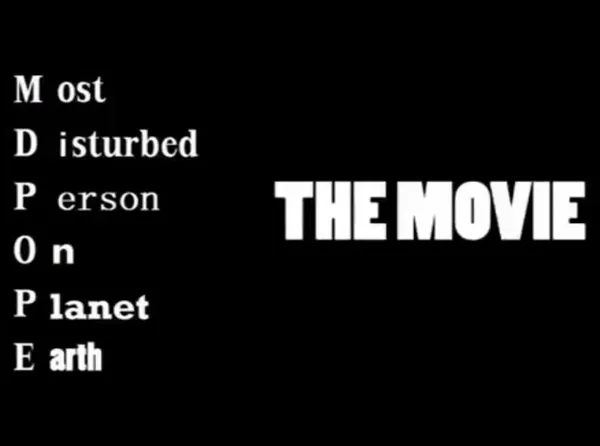
An underground compilation infamous for its mix of pornography, gore, and shock footage. Circulating only on hidden forums, it challenges even hardened viewers and raises ethical questions about exploitation disguised as a documentary.
The film’s notoriety is built on excess — blurring the line between reality and performance while pushing audiences into moral gray zones.
Disturbing for its extremity, it stands as one of the most infamous underground documentaries ever made.
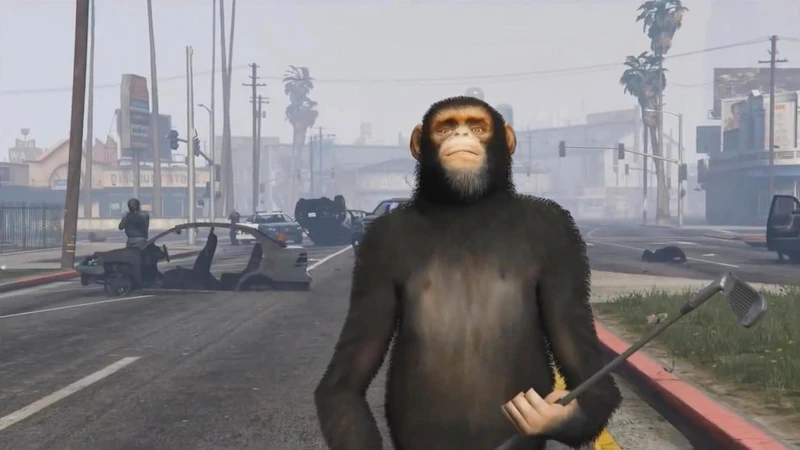
A disturbing experimental work that collides violent imagery with surreal montage. Rarely screened and often whispered about, it embodies the line where underground cinema meets forbidden documentary.
The film’s chaotic structure makes it as much an endurance test as a narrative, daring audiences to keep watching.
Available on Guidedoc, this documentary, though elusive, represents the constant fascination with taking documentary into transgressive territory.
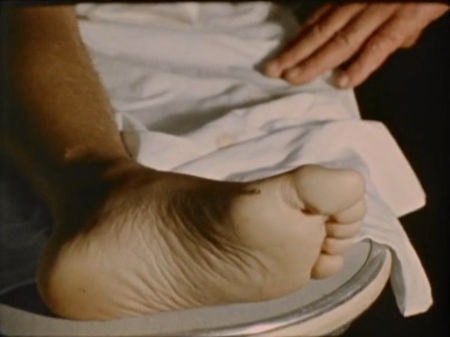
A silent, avant-garde piece shot inside a morgue. Brakhage films autopsies without commentary, forcing audiences into direct confrontation with death.
The absence of sound makes the images even more clinical, as if inviting viewers to confront mortality stripped of narrative or judgment.
One of the most disturbing experimental films ever made, it redefined what nonfiction could dare to show.
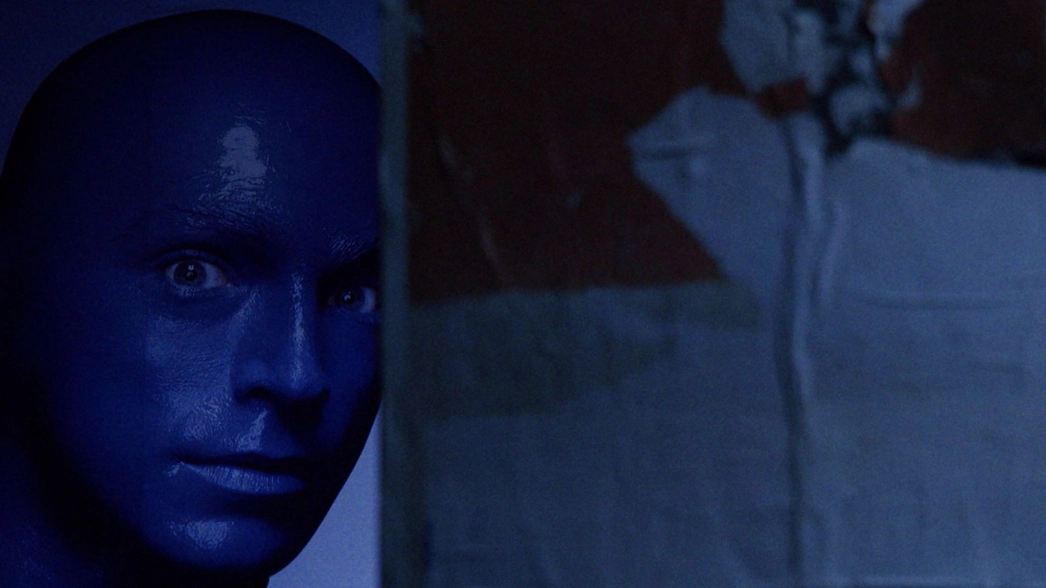
At night, the city becomes a living organism. Neon lights glow, streets fall silent, and strangers move through the darkness, separate yet uncannily alike.
The film reveals the hidden intimacy of solitude, showing how even in isolation we remain connected by invisible threads. It’s a quiet reflection on longing and the dissonance of modern urban life.
Available on Guidedoc, this doc offers a lyrical meditation on loneliness and the fragile ties that unite us under the same night sky.
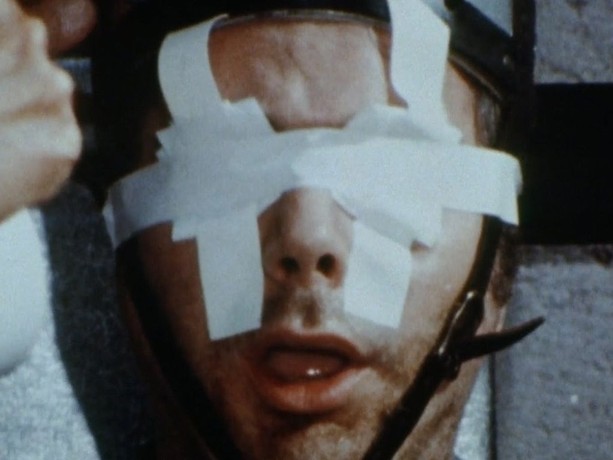
Notorious for mixing staged and real footage of death, this “shockumentary” became banned in multiple countries.
Its blend of fake and authentic imagery blurred lines and sparked decades of debate about what audiences should be allowed to see.
Reviled and celebrated, it remains a cult classic of transgressive cinema.
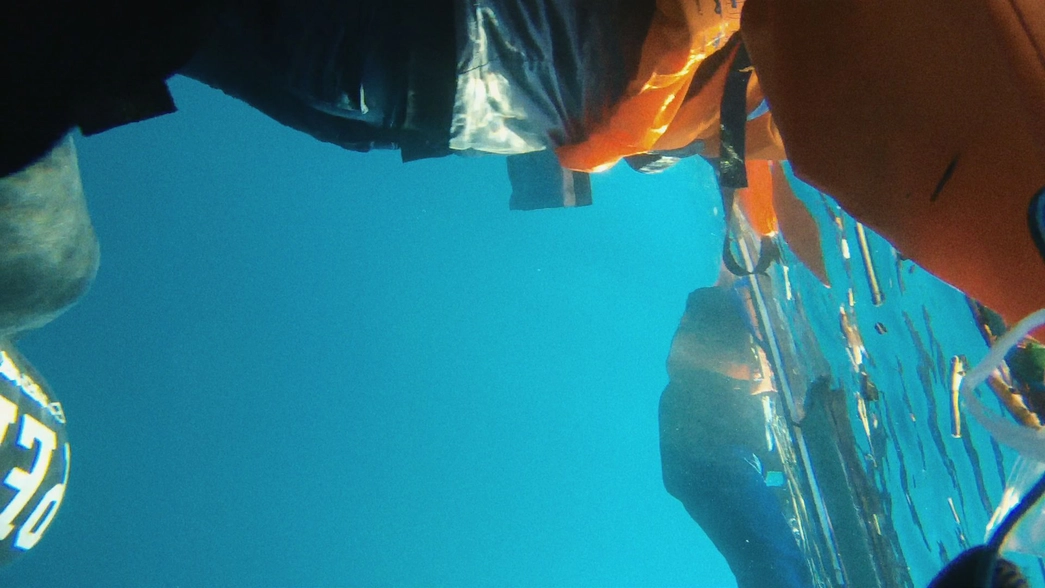
Amidst brilliant sunshine and calm seas, a woman films as her world collapses. The ocean tilts like a vertical wall of water, and the scene fractures into screams, life jackets, and desperate bodies struggling in chaos.
With no horizon, no up or down — only deepness and despair, time freezes into the brutal present. The camera becomes her lifeline, a way to resist fatigue and cold, to hold onto existence even as hope slips away.
Available on Guidedoc, Purple Sea is both testimony and survival — proof that even in despair, the act of filming can leave a trace of life behind.
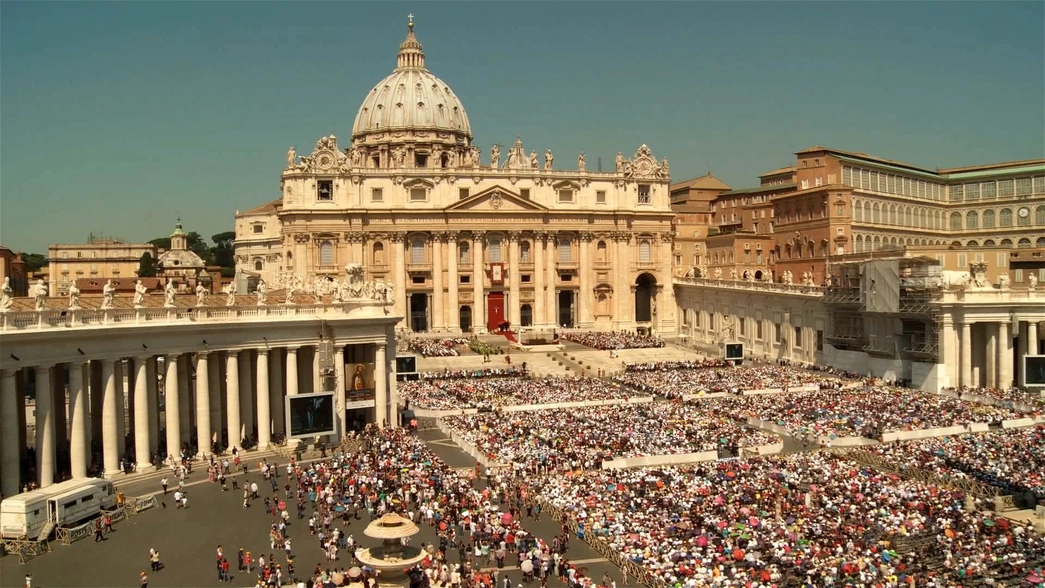
This gripping documentary delves into the life and legacy of Father Gabriele Amorth, regarded as the most prominent exorcist of modern times. Through interviews, re-enactments, and archival footage, the film paints a compelling portrait of his battles against evil.
It’s not only a biography, but also an examination of how the Catholic Church continues to frame demonic possession and exorcism in a contemporary context. By combining testimony with dramatization, the film reveals the cultural weight of rituals many believed consigned to the past.
Available on Guidedoc, this documentary remains an essential encounter with one of religion’s most controversial figures, forcing us to question where faith ends and fear begins.
From the age of nine, Enrique Metinides was drawn to photographing the aftermath of accidents and death. His work soon brought him into the world of tabloid journalism, offering him unrestricted access to Mexico City’s darkest corners.
Rather than sensationalizing, the film frames his story as a reflection of our shared morbid curiosity and fascination with tragedy. Through his lens, we witness a city scarred by crime and violence, and our own uneasy attraction to the spectacle of suffering.
Streaming on Guidedoc, this portrait of Metinides challenges us to confront why we are drawn to look at what we know will disturb us.
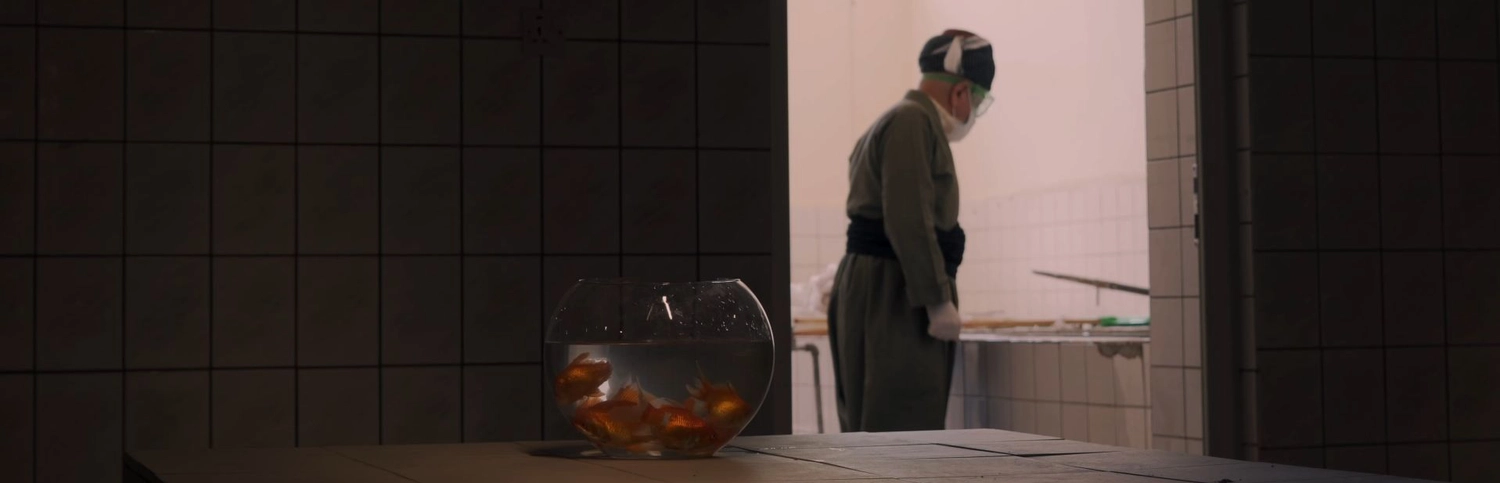
For over a decade, Hama has worked in the Anatomy Department of Sulaymaniyah University, forging a strange bond with a single cadaver. His quiet dedication becomes something more: a ritual of respect, routine, and connection across the threshold of life and death.
The film captures this unusual relationship with remarkable tenderness, showing how even in death the human body continues to teach and connect. It is as much a meditation on mortality as it is a portrait of devotion.
On Guidedoc, this haunting film invites viewers to consider what it means to live, die, and leave traces for those who remain.
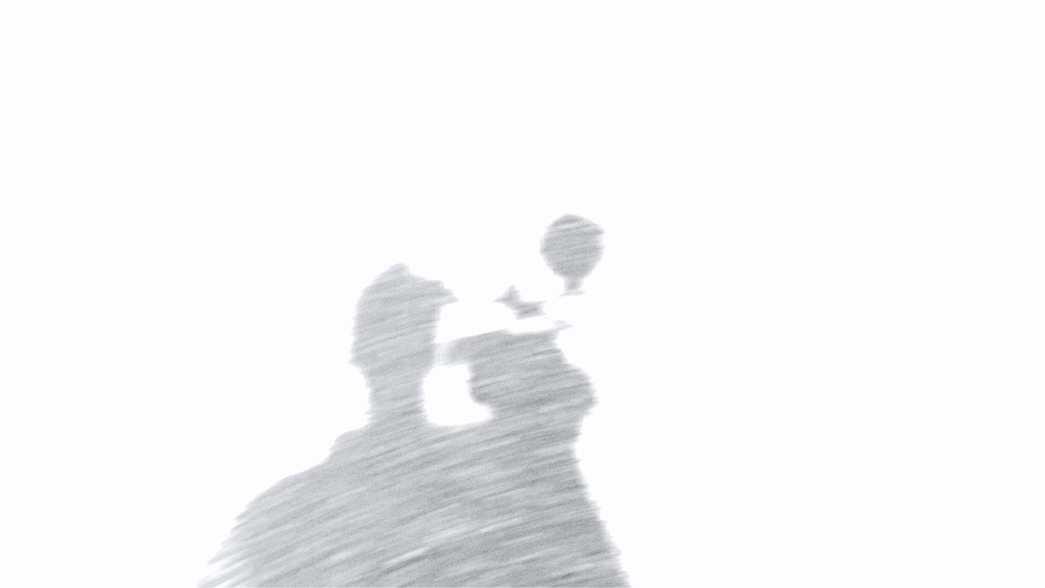
In the vast Dutch countryside, an unnamed figure appears with a single mission: to film everything in silence. Moving through villages and fields, this mute observer enters homes uninvited, capturing daily life without explanation or commentary.
The reactions range from amused curiosity to unease, creating a surreal experiment in what happens when the observer becomes part of the story. Everyday gestures are reframed as profound, awkward, and strangely revealing.
Available on Guidedoc, this enigmatic film tests the limits of observation, asking us to consider what happens when the camera itself becomes the intruder.
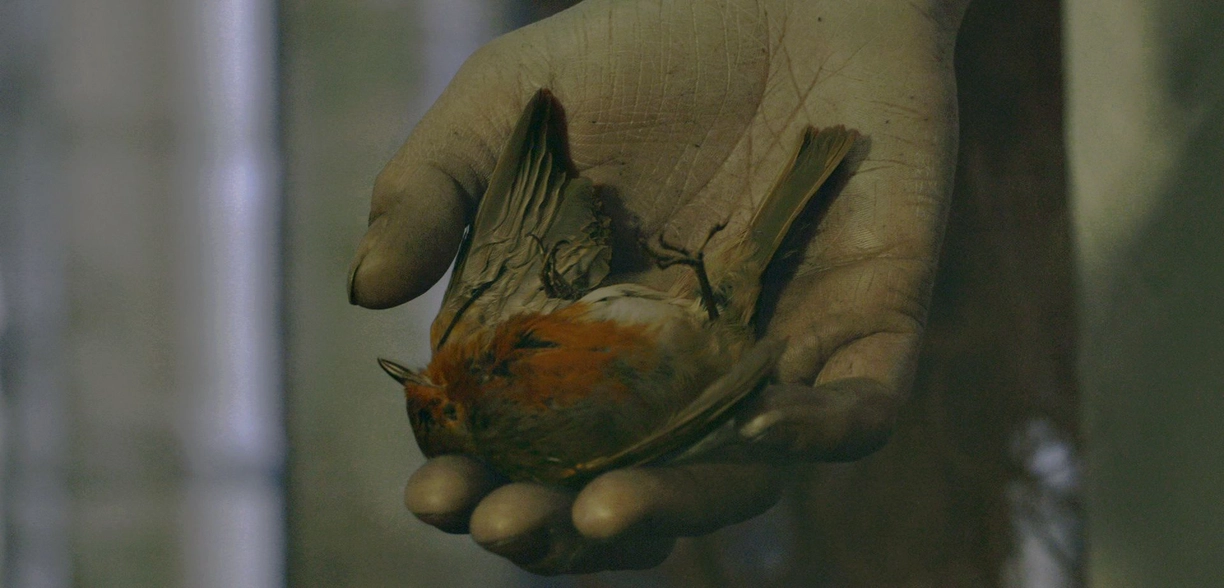
A Roma woman, buried alive during World War II in Poland, rises from her grave to tell her story. As the Deathless Woman, she narrates forgotten atrocities committed against the Roma people, weaving history and haunting imagery into a testimony of rage and remembrance.
Her voice links the persecution of the 1940s with today’s resurgence of far-right violence, showing how intolerance never fully disappears. Blending survivor testimony with fantastical re-imaginings, the film becomes both documentary and ghost story.
Streaming on Guidedoc, this urgent hybrid reminds us that the past is never truly buried — especially when hate resurfaces in the present.
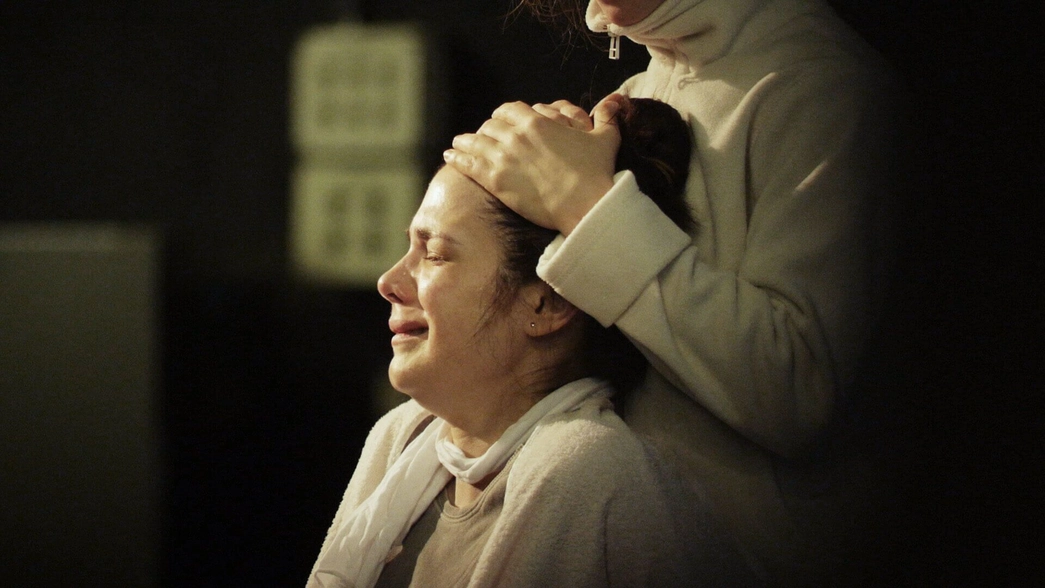
This Croatian film documents the rehearsals of a theater group preparing a play about the murder of a 12-year-old Serbian girl, killed 25 years earlier. As the young actors embody these emotions, they are forced to confront traumas that remain raw in their society.
The rehearsal space becomes a crucible where past and present violence collide, and where art blurs with lived pain. What begins as performance soon feels like an exorcism.
On Guidedoc, Srbenka reveals how theater and cinema can both preserve memory and provoke healing through confrontation with trauma.
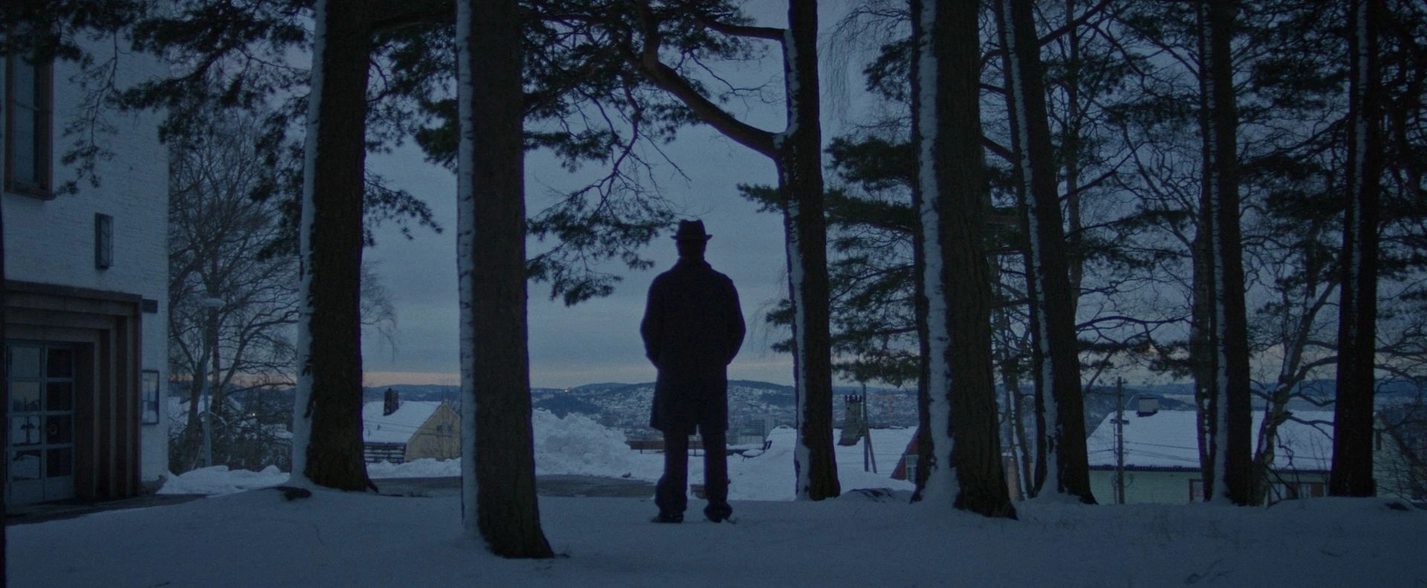
On February 4, 1965, Oslo was shaken by an explosion after a man tripped a hidden grenade wire. In the weeks that followed, six more grenade traps terrorized the city, casting fear into everyday life.
As Norway approached Constitution Day, the atmosphere was tense: citizens realized that terror was no longer foreign but homegrown. The film reconstructs the panic, confusion, and fragile sense of safety that defined those weeks.
Streaming on Guidedoc, this chilling account shows how even stable societies can be upended by sudden, incomprehensible violence.
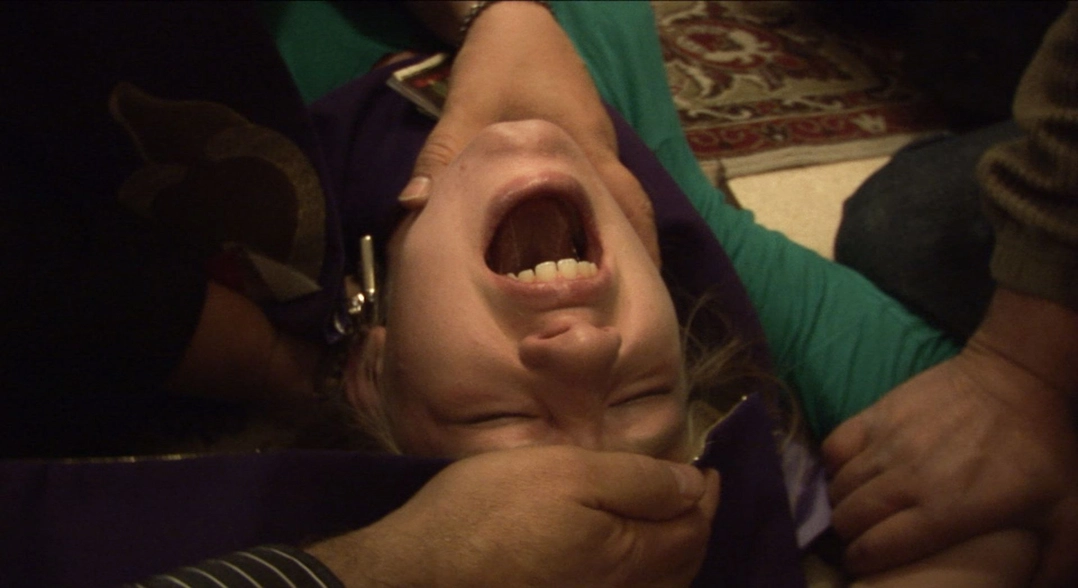
In 21st-century Poland, exorcism is thriving. Thousands undergo the ritual each year, as if medieval practices never ended. Through personal stories and expert commentary, the film explores why “deliverance ministry” has returned so strongly in a modern European nation.
The result is a portrait of faith and fear colliding, where spiritual belief takes precedence over psychological explanation. Everyday life appears haunted, and possession is treated as part of the social fabric.
On Guidedoc, this unsettling documentary captures a society where modernity and superstition walk hand in hand.
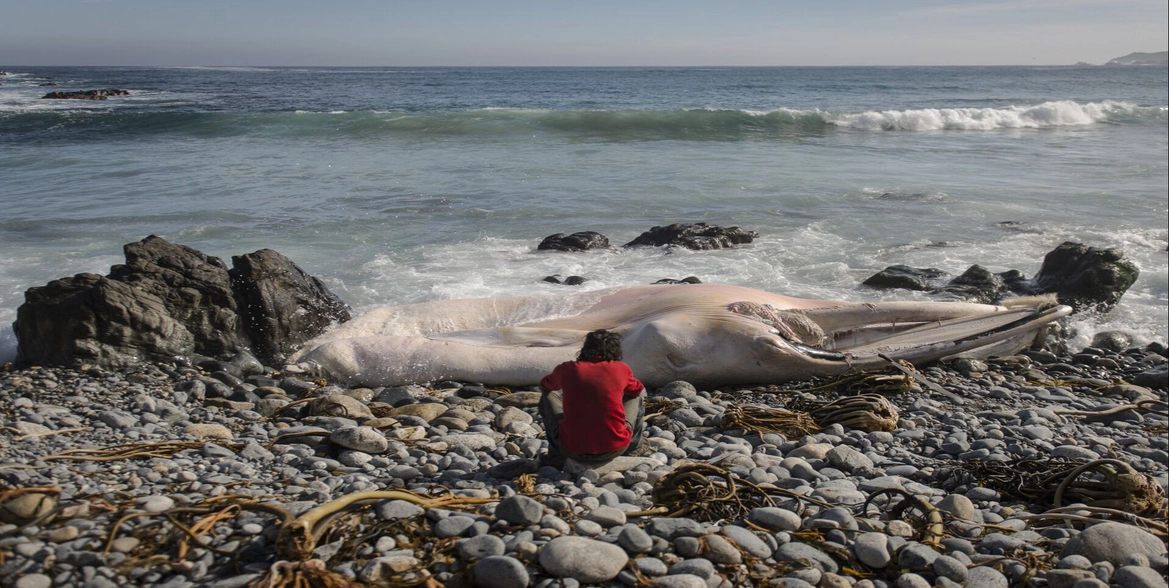
On a remote shoreline where ocean and rocks endlessly collide, a solitary man lives with only his thoughts for company. One day, the remains of a white whale wash ashore, a presence that transforms his isolation into mythic reflection.
Drawing inspiration from Herman Melville’s Moby Dick, the film is a meditation on solitude, obsession, and the landscapes that echo human longing. The whale’s bones become a mirror for the mysteries of inner life.
Streaming on Guidedoc, The Other One is both a portrait of survival and a philosophical inquiry into the depths we carry within ourselves.
Unlike its predecessor, this series is composed entirely of real footage: accidents, surgeries, and violent death. Unmediated by narration or dramatization, it leaves the audience alone with brutality.
Frequently banned, it is considered one of the most extreme shockumentaries ever made.
An Italian documentary chronicling decolonization, notorious for graphic violence and accusations of racism. Its portrayal of executions and massacres led to bans and censorship across Europe.
Disturbing as both history and spectacle, it remains controversial for its ethics and imagery.
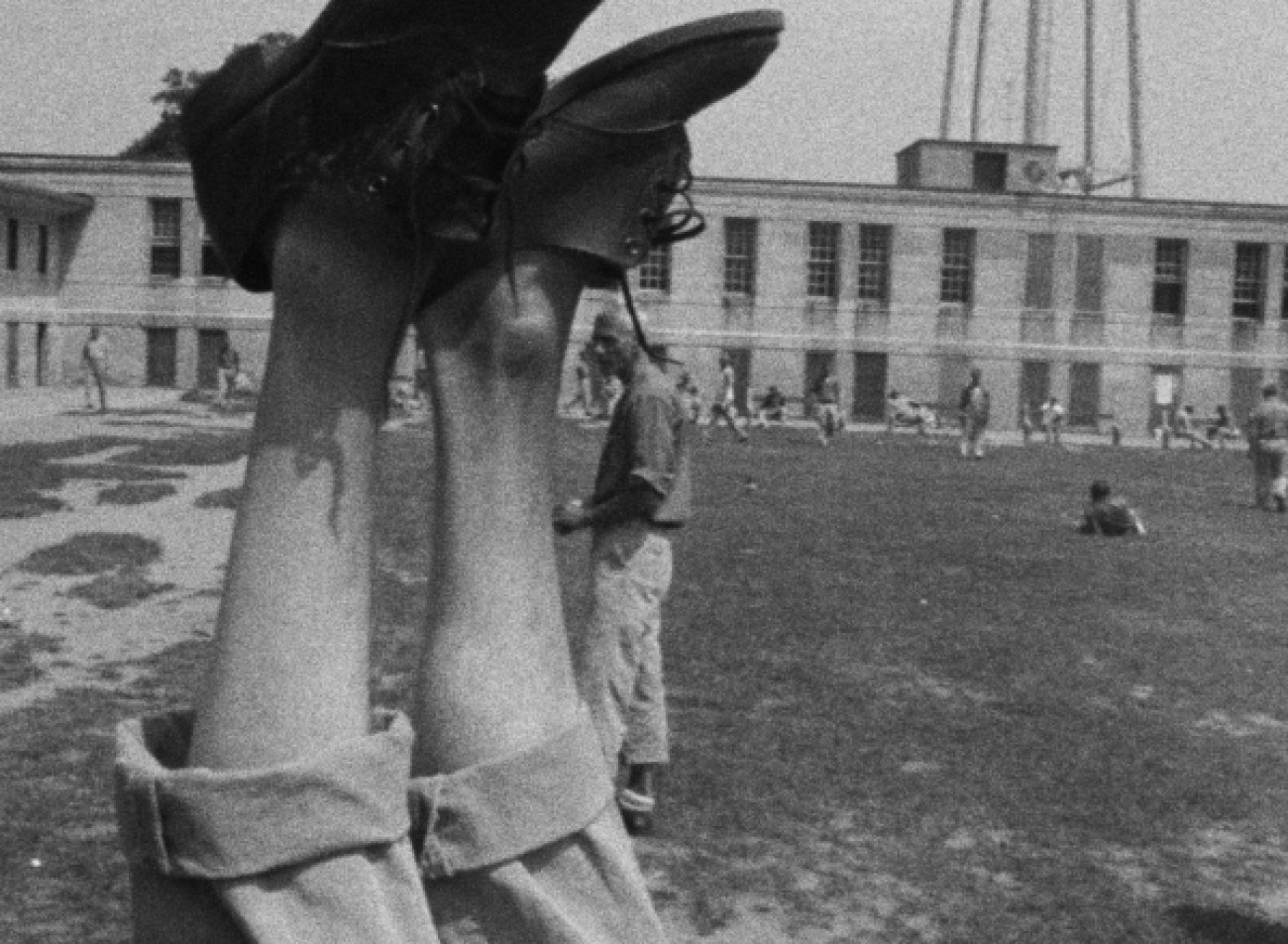
Banned in the U.S. for decades, Wiseman’s exposé of a Massachusetts asylum showed naked inmates taunted by guards and subjected to inhumane treatment.
Its vérité style reveals cruelty without mediation, sparking outrage and censorship.
Now seen as essential, it remains disturbing for its raw depiction of institutional abuse.
Shot in Bogotá, this film follows Froilan Orozco preparing bodies in a violent city. Its unflinching gaze at corpses and rituals of death is both intimate and horrifying.
Disturbing for its realism, it offers a grim portrait of life — and death — in Colombia.
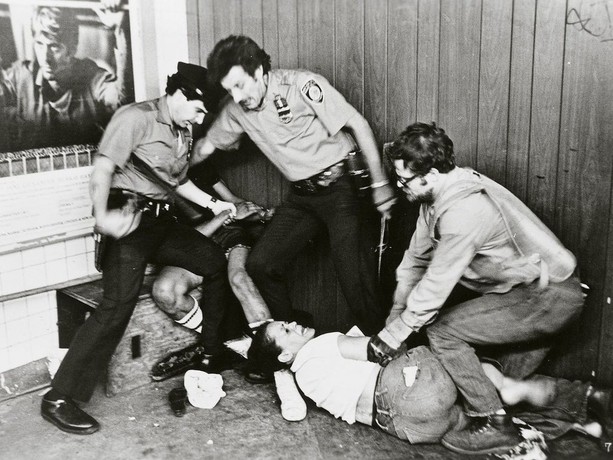
A chronicle of gun violence in the U.S., combining crime scene footage and interviews. Banned domestically for years, it portrays a nation consumed by bloodshed.
Disturbing for its relevance, it remains one of the most chilling portraits of American violence.
Broadcast once in the UK, it compiled footage of real executions worldwide. Critics called it voyeuristic; supporters saw it as a necessary confrontation with capital punishment.
Disturbing for its rawness, it remains one of the most controversial TV documentaries ever made.
Presented as an ethnography, this film instead leans heavily into spectacle and exploitation, sensationalizing taboo rituals, surgeries, and practices across Asia. Its framing turns cultural difference into a stage for shock, feeding a Western appetite for the exotic and grotesque rather than knowledge.
The film became infamous in the circuit of exploitation cinema, remembered less for its insight and more for its voyeurism. What was marketed as cultural anthropology became a voyeuristic display of sensationalized “otherness.”
Though ethically troubling, Shocking Asia remains a key artifact for examining how documentary has often blurred the line between anthropology and exploitation, revealing just as much about the Western gaze as about its subjects.
A sequel in the same sensational style, this film highlighted violence and sexuality in Africa, stripping cultural practices of their context to present them as grotesque attractions. The editing mirrors the exploitative curiosity of its predecessor, where shock replaces genuine understanding.
Like Shocking Asia, its impact lies not in representation but in distortion. Cultural rituals are shown as strange curiosities, reinforcing stereotypes through a colonial lens.
Disturbing both for its content and its intent, Shocking Africa is less a cultural document and more a warning of how nonfiction film can be weaponized to reinforce colonial stereotypes and voyeuristic consumption.
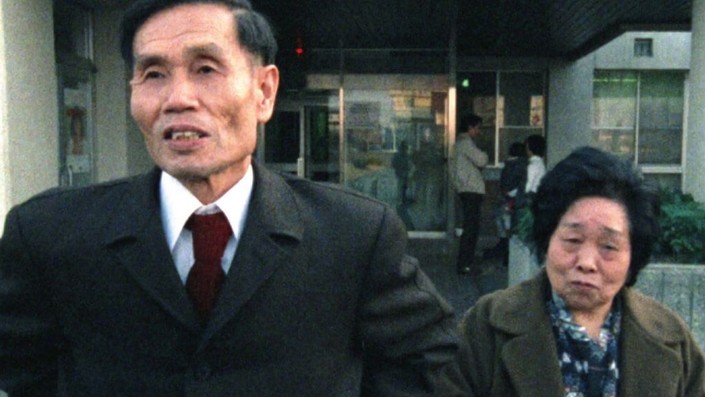
Kazuo Hara’s controversial documentary follows Kenzo Okuzaki, a Japanese veteran determined to expose the atrocities committed by the Imperial Army during World War II. His pursuit of truth leads him to confront former soldiers, often with verbal and physical aggression, blurring the line between investigation and assault.
Okuzaki’s obsession transforms the film into something both riveting and unsettling: a chronicle of one man’s trauma mutating into obsession. Truth-seeking becomes almost indistinguishable from personal vengeance.
Long considered a disturbing masterpiece, this doc challenges viewers with its mix of historical revelation and psychological unraveling, leaving us to ask how far one can go in the name of justice.
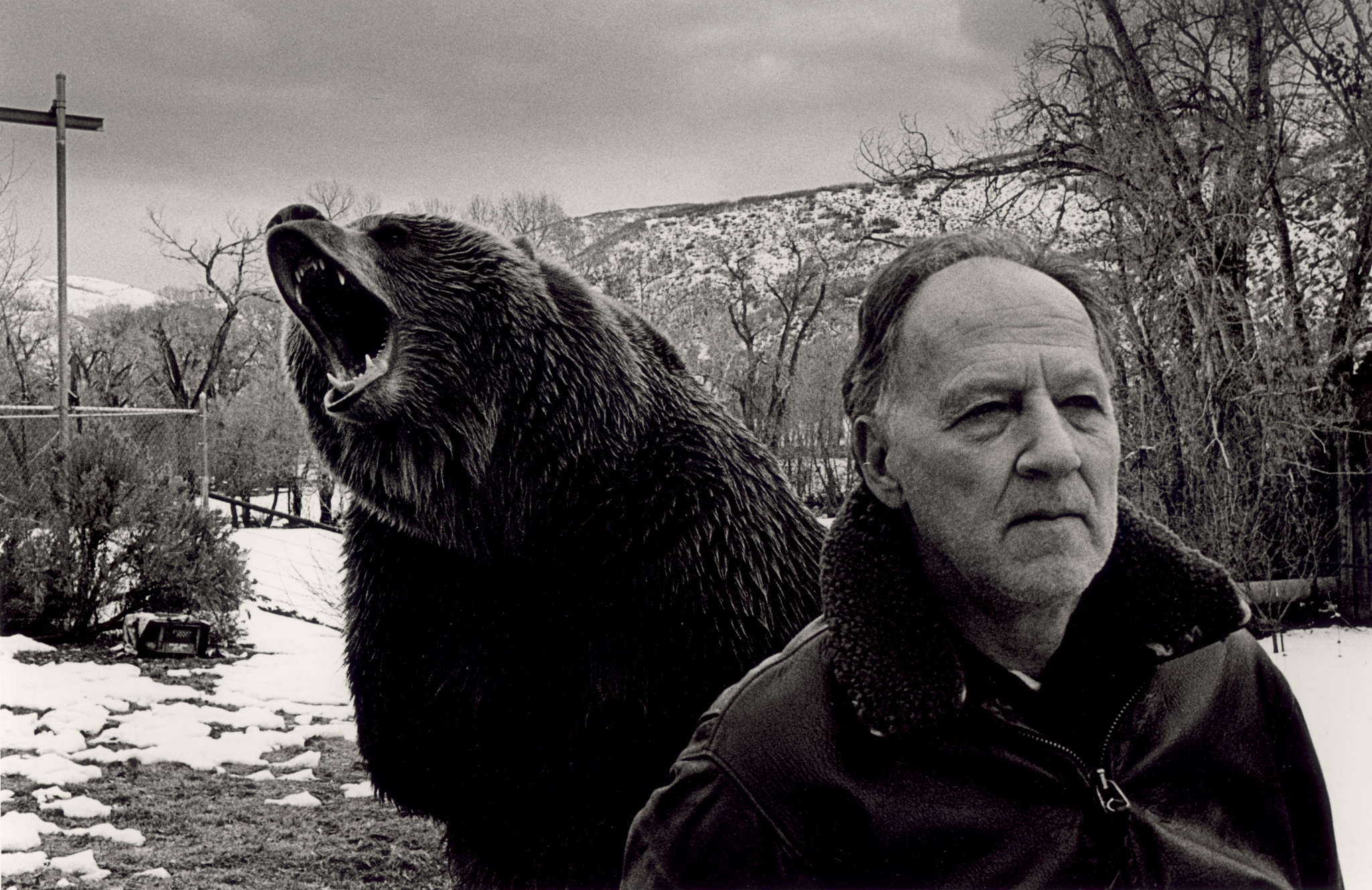
Werner Herzog’s documentary tells the story of Timothy Treadwell, a man who lived among Alaskan grizzlies for 13 summers until he and his girlfriend were killed by one. Through Treadwell’s own footage and Herzog’s narration, the film reveals a portrait of obsession, loneliness, and fragile coexistence with nature.
The film’s most disturbing element is an unheard recording of the fatal attack — withheld from audiences yet haunting every frame. Instead of spectacle, Herzog leans into philosophical reflection: where does devotion to nature end and self-destruction begin?
By turning tragedy into meditation, Grizzly Man stands as one of the most unsettling documentaries about human obsession, questioning the cost of collapsing the line between self and wilderness.
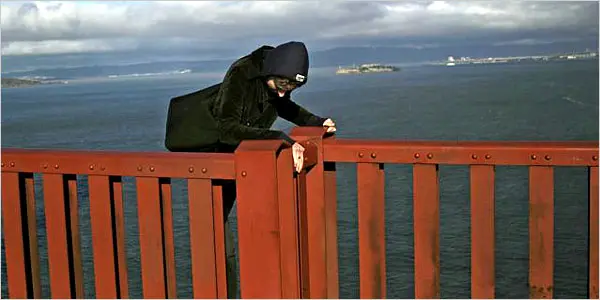
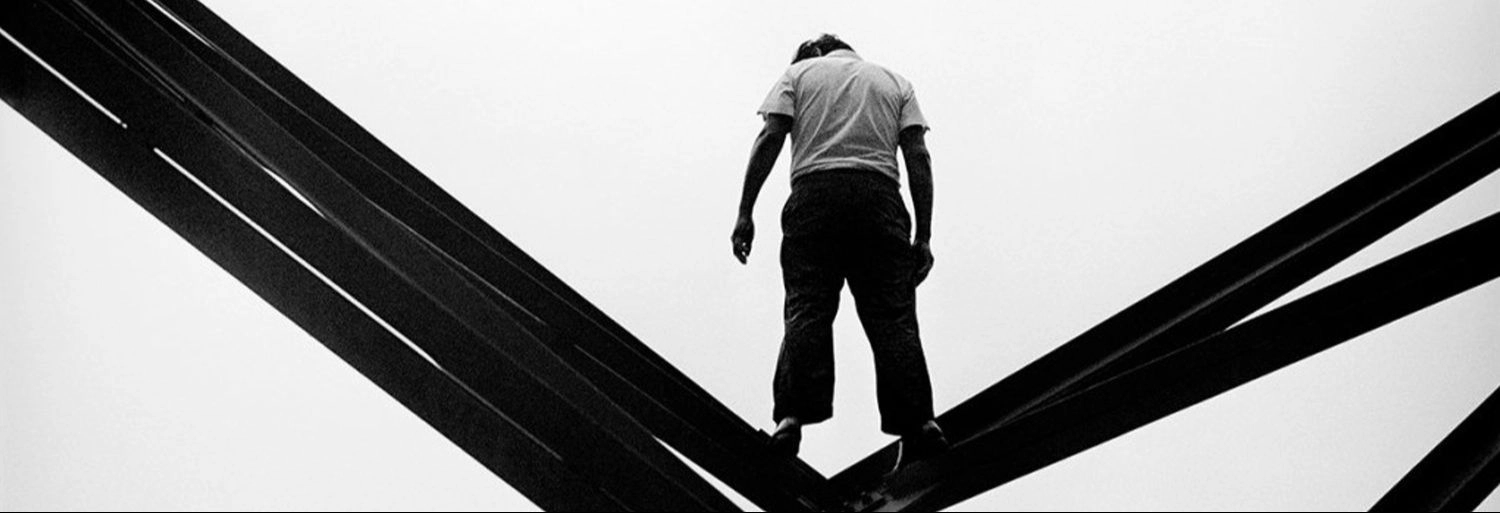
Filmed at San Francisco’s Golden Gate Bridge, this documentary captures real suicide attempts and the aftermath for grieving families. The candid, unflinching imagery sparked fierce debate: Does filming without intervention exploit pain, or does it force society to confront what it tries to ignore?
The families’ stories humanize what might otherwise feel voyeuristic. Their grief anchors the film in empathy, even as the stark images of falling bodies make it one of the most controversial and disturbing films ever broadcast.
With its mix of raw observation and intimate testimony, The Bridge remains vital for its confrontation of society’s silence around suicide — disturbing not only for what we see, but for what it says about what we often choose not to see.
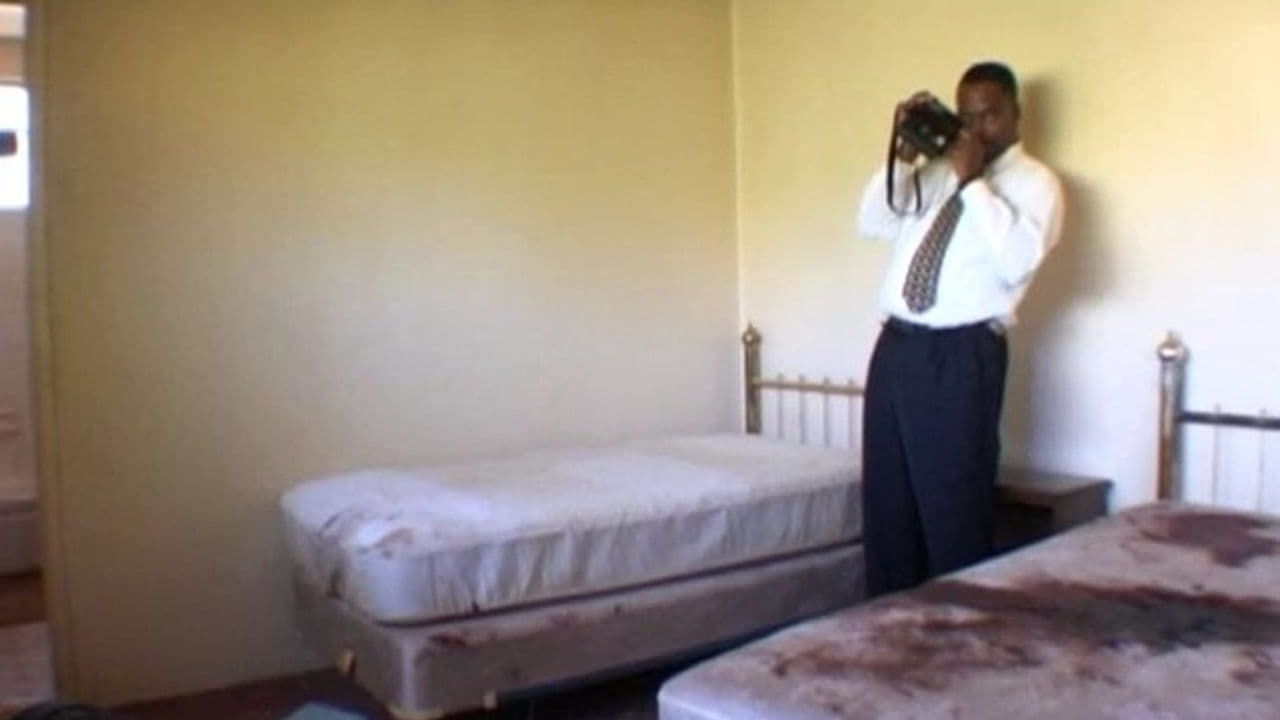
This chilling documentary observes what happens when people die alone with no next of kin. Bureaucrats, morgue workers, and cleaners move methodically through apartments, cataloging belongings, cremating bodies, and filing paperwork. The camera watches with clinical detachment, avoiding dramatization.
The horror here lies not in violence, but in banality. Lives are reduced to piles of objects, forms, and ashes. No family, no rituals, no witnesses — only the quiet erasure of human existence by a system designed for efficiency, not memory.
Disturbing precisely because of its ordinary tone, the documentary confronts viewers with society’s indifference to loneliness, exposing how bureaucracy can strip humanity away in death as surely as in life.
This short documentary profiles Beth Thomas, a young girl who, after severe infant abuse, calmly describes fantasies of murdering her family. Through interviews and therapy footage, she explains her violent impulses with unnerving composure, a stark reminder of how trauma imprints on children.
The film shocked audiences with its juxtaposition of innocence and violence — a small child speaking openly of wanting to kill. Beneath her words lies the unhealed wound of abuse, a scar deeper than most adults could fathom.
One of the most disturbing portraits of early psychological damage ever filmed, Child of Rage remains unforgettable as both a study of trauma’s reach and a call to confront the hidden consequences of abuse.
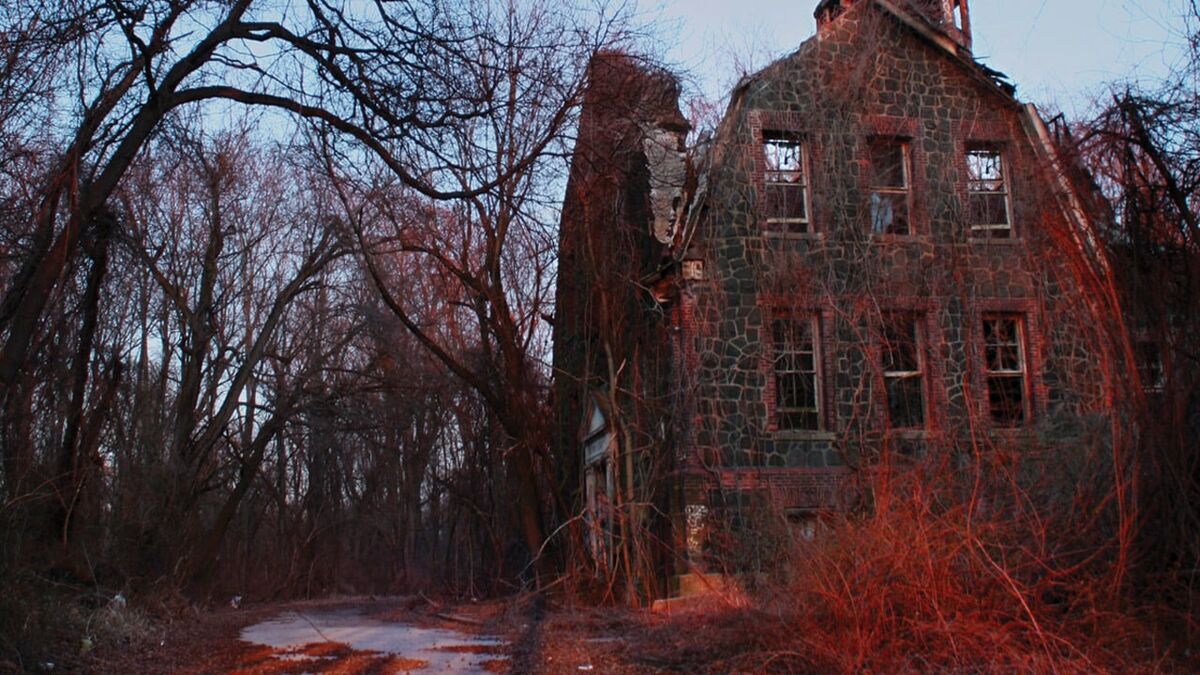
Exploring both the urban legend of “Cropsey” and real-life child disappearances on Staten Island, this documentary blends true crime with folklore. As the filmmakers dig deeper, they uncover unsettling truths tied to abandoned institutions and the crimes of Andre Rand.
What begins as a ghost story morphs into an eerie investigation of systemic failure, mythmaking, and collective fear. The blurred line between folklore and fact creates a sense of unease that lingers beyond the screen.
Disturbing because it reveals trauma beneath local legend, Cropsey stands as both a horror film and a cautionary tale about how communities process — and sometimes conceal — their darkest truths.
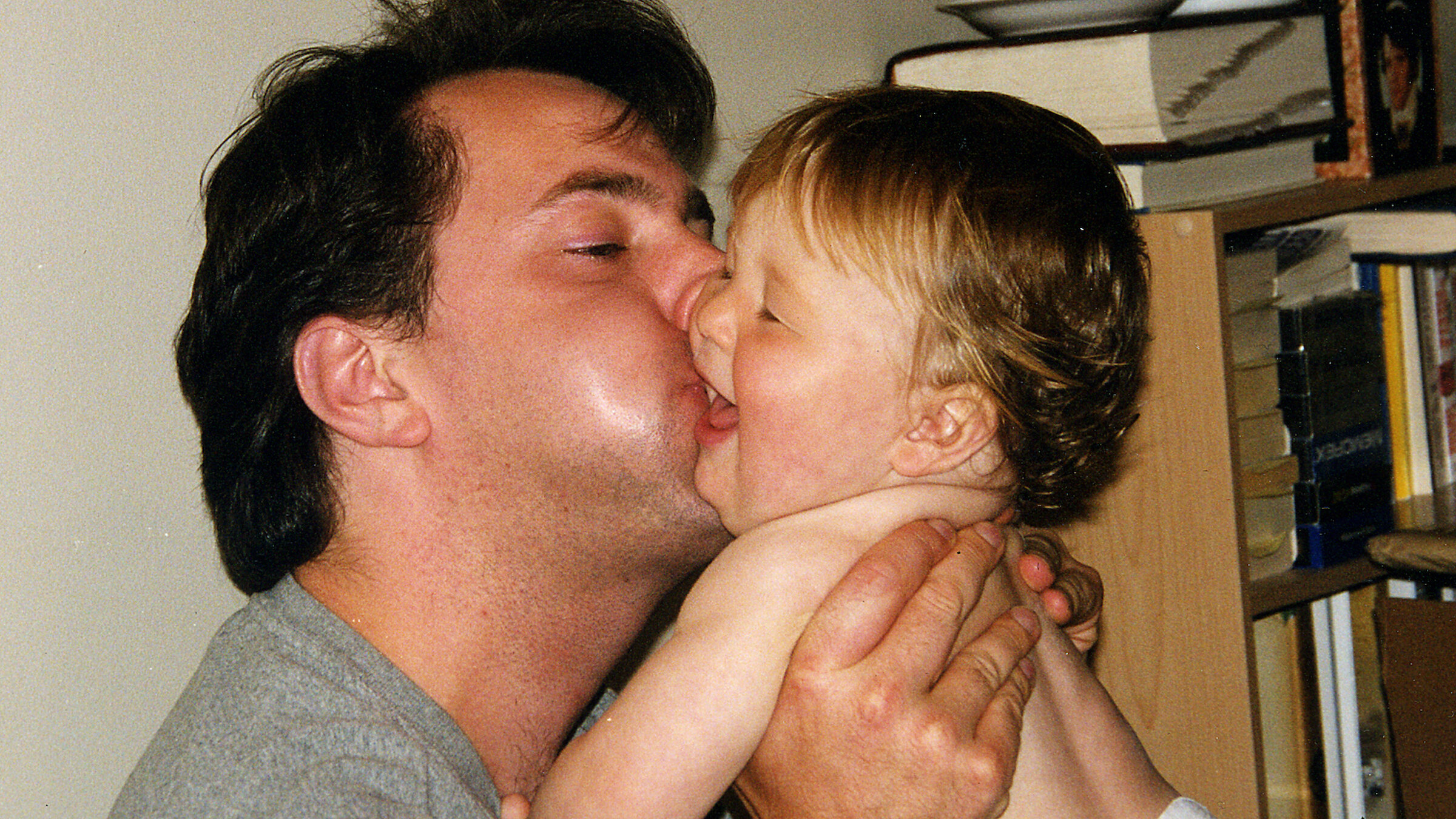
Initially conceived as a filmmaker’s memorial to his murdered friend, this documentary takes devastating turns as new events unfold. What begins as a tribute for a child becomes an account of loss, custody battles, and tragedy compounding upon tragedy.
The emotional twists leave audiences shattered, with grief piling higher than any fictional plot could sustain. Watching it becomes an act of endurance not through gore, but through raw heartbreak.
Disturbing for its grief as much as its subject, Dear Zachary proves that tragedy can wound as deeply as violence, cementing its reputation as one of the most emotionally devastating documentaries ever made.
Claude Lanzmann’s nine-hour epic confronts the Holocaust through testimony rather than archival imagery. Survivors, perpetrators, and witnesses speak at length, their words stretching across hours with relentless emotional weight.
The absence of footage of atrocities forces the audience to build images in their mind, making the experience more haunting. Its sheer duration mirrors the enormity of the event, demanding patience and moral reckoning.
Disturbing not in spectacle but in scope, Shoah remains a monument to memory and atrocity — a work that overwhelms by its depth, ensuring that silence and denial can never erase the truth.
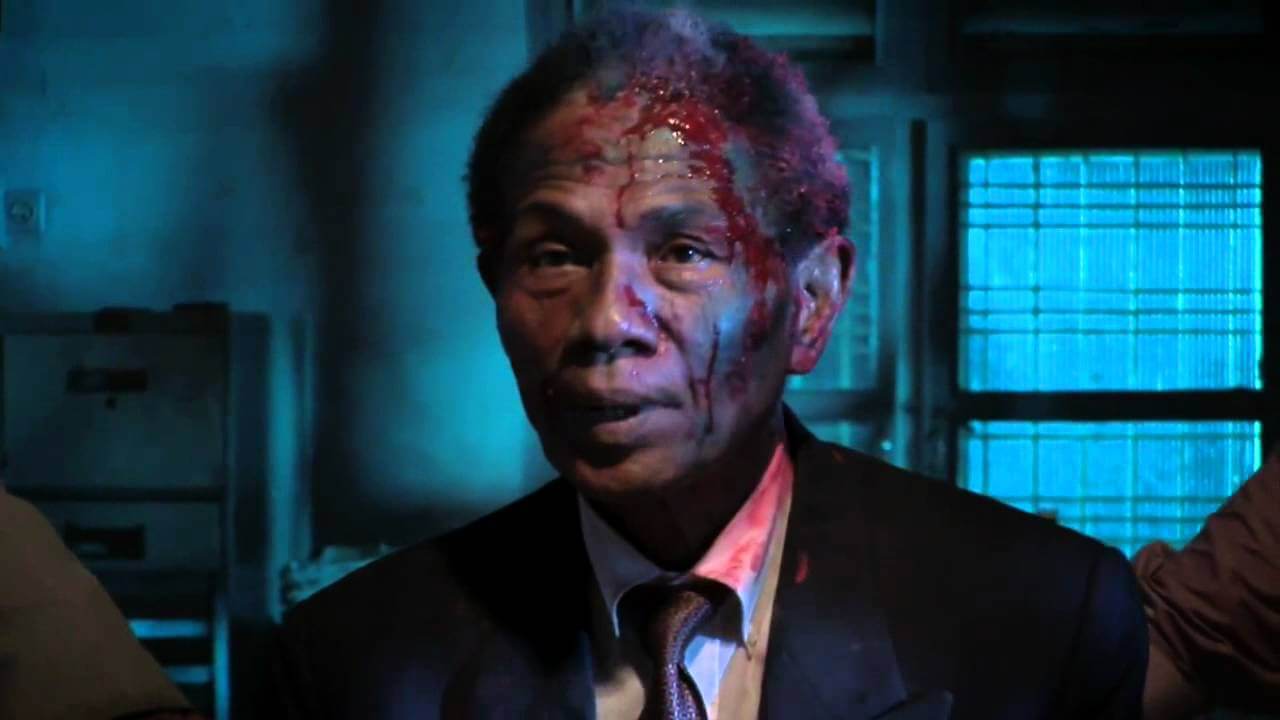
This groundbreaking documentary invites former Indonesian death squad leaders to reenact their real murders in the style of their favorite film genres — musicals, westerns, gangster movies. What unfolds is a surreal performance where perpetrators boast about atrocities as if they were scenes in a movie.
The casual pride and theatricality of these men turn horror into an absurd spectacle. Instead of remorse, we see bravado, which forces audiences to grapple with the banality of evil when filtered through pop culture.
Disturbing and visionary, The Act of Killing redefined how atrocity can be filmed, exposing both the crimes themselves and the unsettling ways memory and imagination intertwine.
As a companion piece to The Act of Killing, this film follows a man whose brother was murdered during the Indonesian massacres as he confronts the killers face-to-face. Unlike the surreal theatrics of its predecessor, this film is quiet, intimate, and devastatingly personal.
The tension of denial fills every conversation. The perpetrators deflect or justify, while the survivor and his family live with wounds that span generations. Silence itself becomes a weapon of repression.
Disturbing for its intimacy, The Look of Silence reveals how trauma persists long after violence, offering a haunting counterpoint to the spectacle of its companion film.
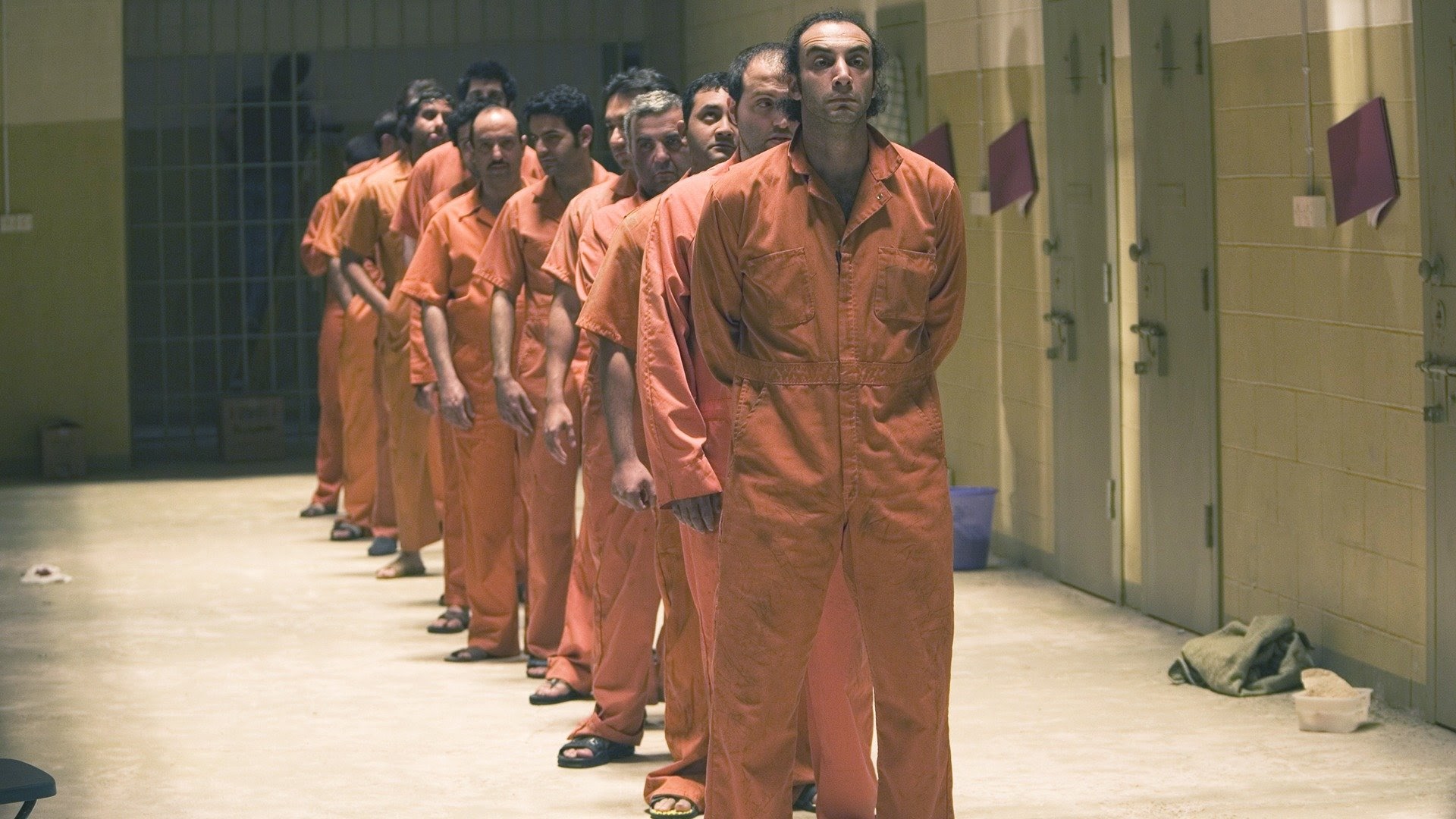
Errol Morris examines the infamous Abu Ghraib photographs, dissecting how cruelty and photography became entwined in one of the most shocking scandals of the Iraq War. Interviews with soldiers and staged reenactments reconstruct the atmosphere of humiliation and abuse.
By focusing on the images themselves, Morris raises unsettling questions: is a photo evidence, propaganda, or both? The doc forces us to consider the aesthetics of atrocity and how war crimes are documented, interpreted, and remembered.
Disturbing in its interrogation of images, Standard Operating Procedure challenges the viewer to confront how violence becomes spectacle, and how evidence itself can blur truth.
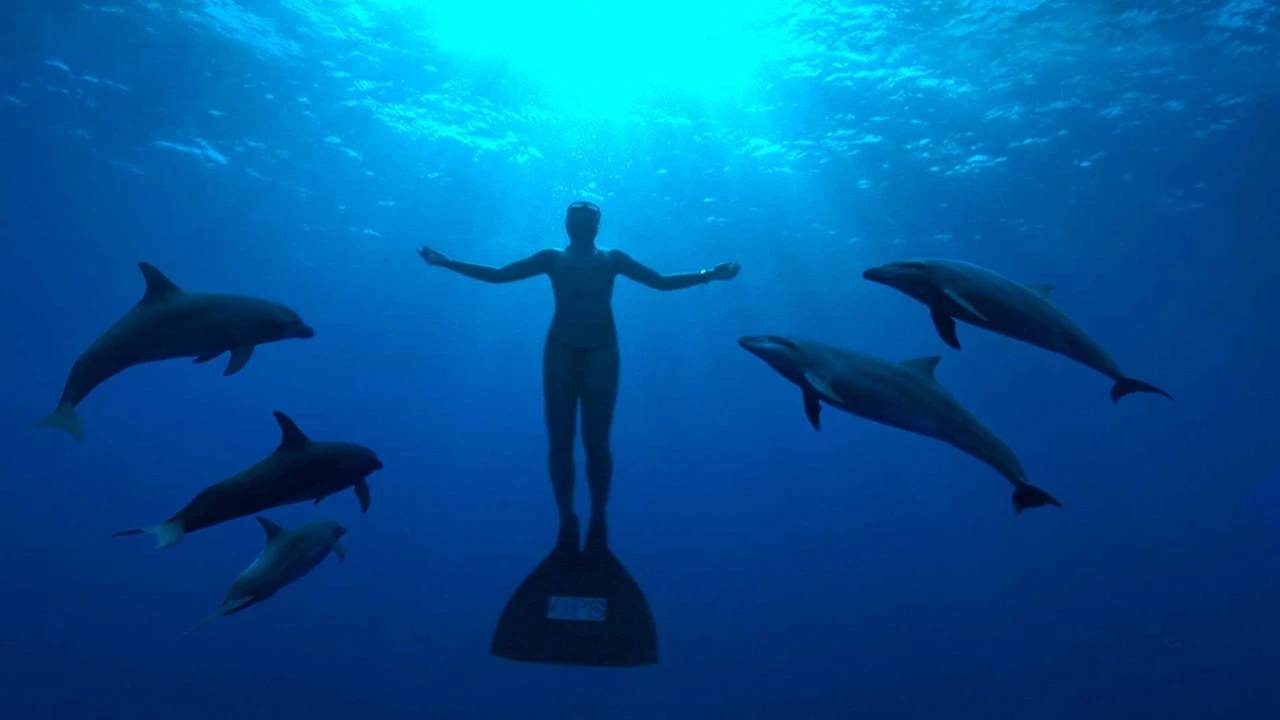
This activist documentary exposes the mass dolphin slaughter in Taiji, Japan, using hidden cameras, night-vision equipment, and even disguises. The filmmakers risked arrest to capture the blood-red seas that shocked audiences worldwide.
The footage is almost unbearable, yet its power comes from its blend of thriller-like suspense and devastating environmental truth. The result is one of the most effective activist films of the 21st century.
Disturbing for its imagery and urgency, The Cove stands as a landmark in environmental documentary, proving that exposing cruelty can spark global outrage and change.
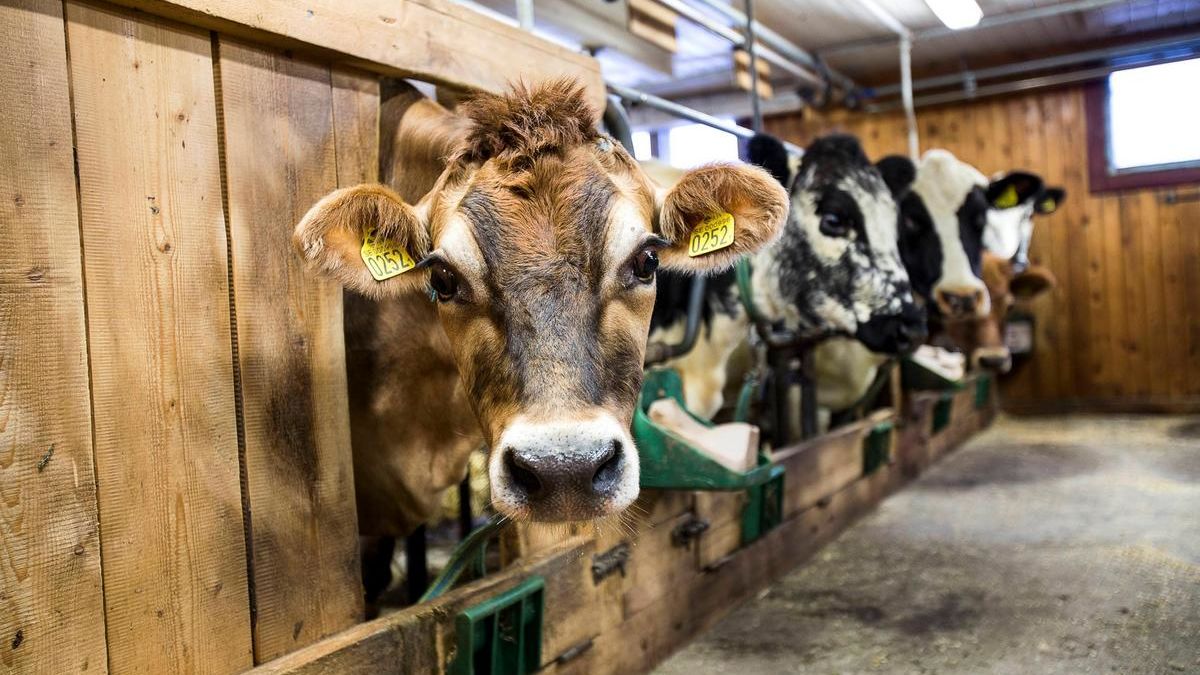
Narrated by Joaquin Phoenix, this film uses hidden cameras to reveal the exploitation of animals across industries: food, fashion, entertainment, and research. Its relentless footage, scored with haunting music, makes it one of the hardest documentaries to watch.
There are no distractions or softening devices — only the stark reality of systemic cruelty. Many viewers cannot finish the film, and those who do often describe it as life-changing.
Disturbing and transformative, this documentary is considered a foundational text in animal rights cinema, forcing audiences to face uncomfortable truths hidden behind everyday consumption.
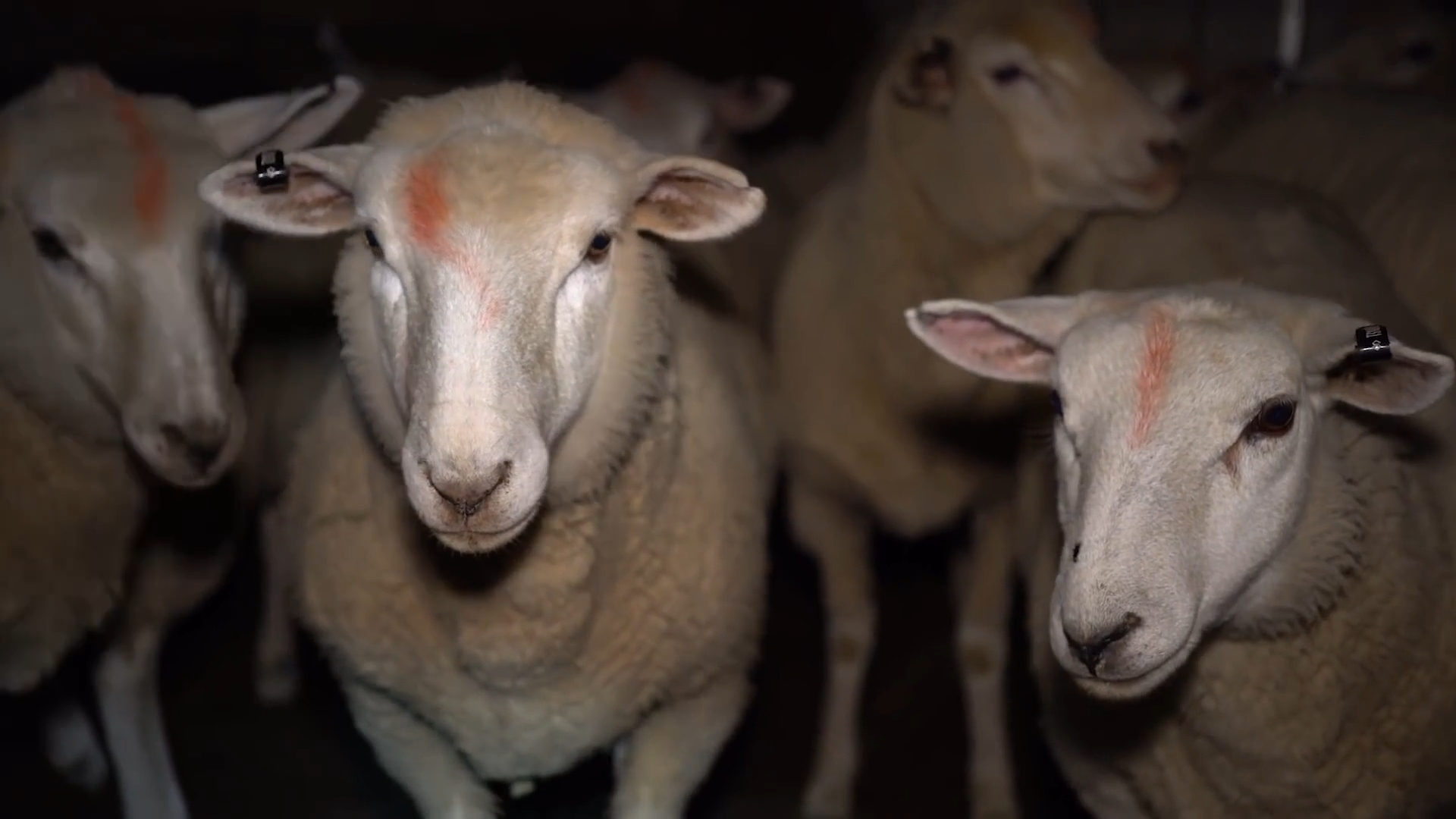
Building on the legacy of Earthlings, Dominion employs drones, hidden cameras, and high-definition footage to expose the industrial abuse of animals in Australia. Its scope is wider and more technologically advanced, giving a panoramic view of cruelty on a systemic scale.
The aerial shots reveal the vast machinery of exploitation, while ground-level footage confronts viewers with intimate scenes of suffering. The film spares nothing, creating a comprehensive indictment of modern agribusiness.
Disturbing for its comprehensiveness, this doc reinforces how abuse is both hidden and normalized, making it one of the most powerful follow-ups in animal rights filmmaking.
Produced as a BBC docudrama, this gripping documentary simulates the aftermath of nuclear war with such realism that it traumatized an entire generation of viewers. Presented with documentary-style detail, it depicts social collapse, famine, and radiation sickness with brutal precision.
Though fictional, its realism was so overwhelming that many mistook it for fact. Its cold tone and lack of sentimentality make it one of the most harrowing portrayals of global catastrophe ever televised.
Disturbing for its realism, Threads remains a landmark in broadcast history, a fictional work with the power and impact of the most devastating documentary.
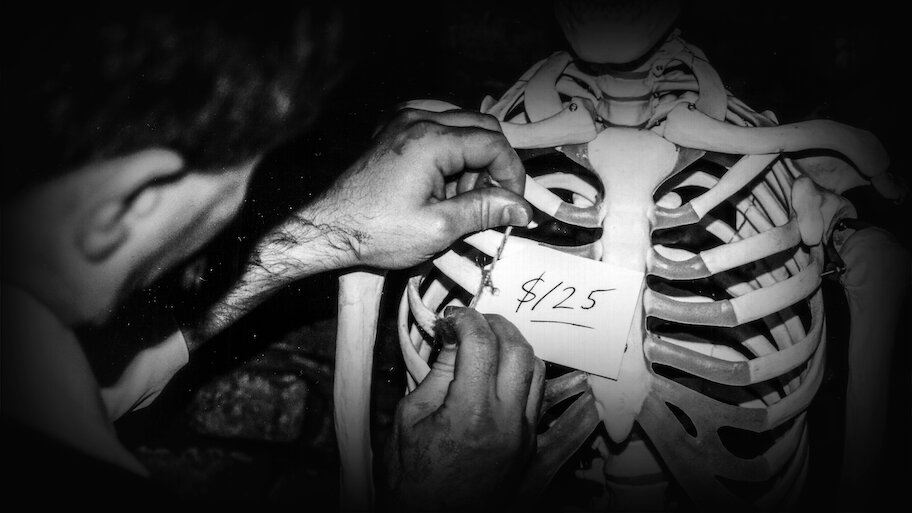
This historical documentary unpacks the story of H.H. Holmes, often considered America’s first serial killer, infamous for his “Murder Castle” in 1890s Chicago. Through reenactments, archival material, and interviews, the film reconstructs his calculated horrors.
The mixture of fact, legend, and grotesque imagery creates an unsettling portrait of both Holmes and the darker fascination he continues to inspire.
Disturbing in its mix of history and spectacle, the film turns the origins of American horror into a chilling cultural narrative.
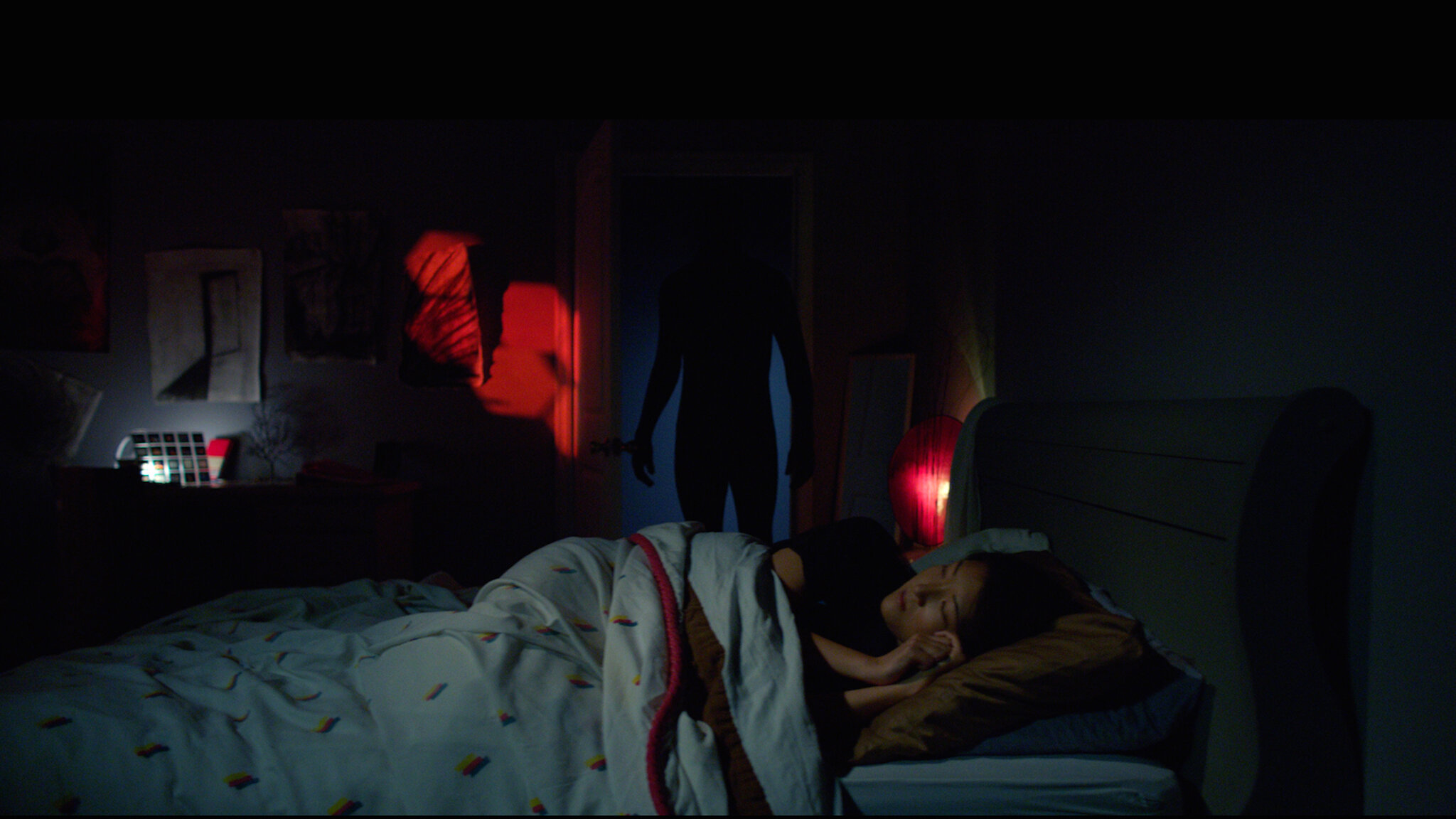
This documentary explores the phenomenon of sleep paralysis, interviewing sufferers who describe terrifying hallucinations of shadow figures, demons, and suffocation. Their accounts are reenacted in horror-movie style, blending reality with nightmare.
The result is a film where waking life and dream life merge, leaving viewers as unsettled as the subjects themselves. By refusing to explain the phenomenon with science alone, the film leans into psychological horror.
Disturbing for its blurring of psychology and nightmare, The Nightmare captures invisible trauma and transforms it into cinematic dread.
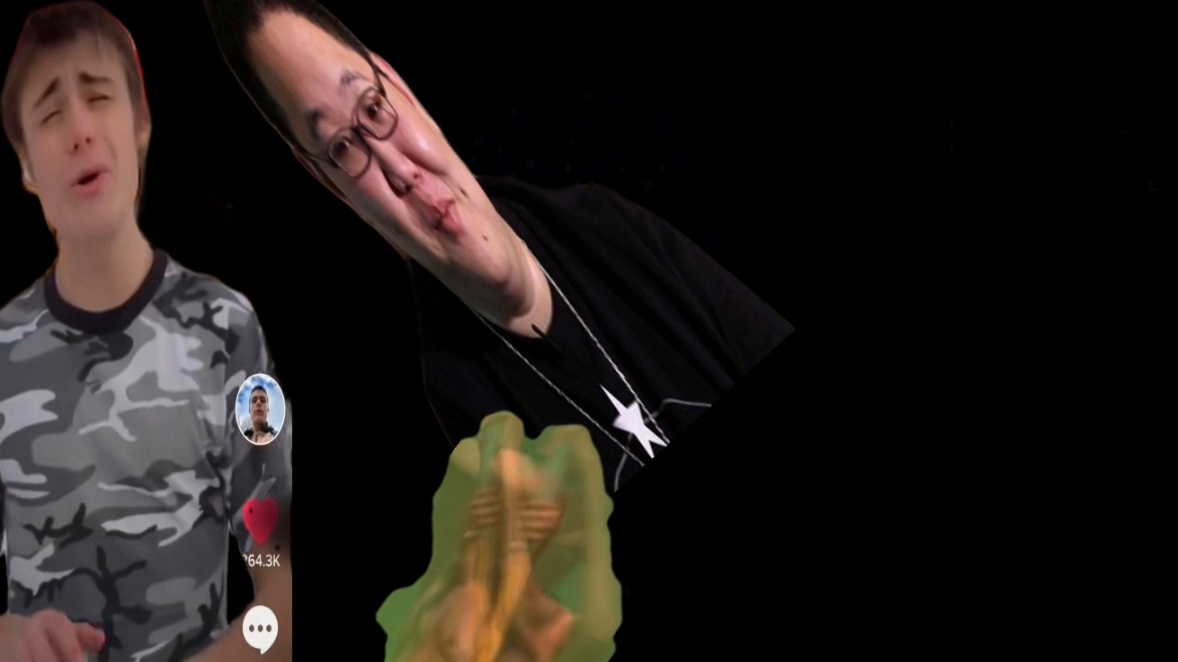
MDPOPE (Most Disturbed Person on Planet Earth) is less a documentary than an endurance test. Compiled by the elusive MD Thomas, it stitches together some of the most shocking clips ever captured — a forbidden collage of nightmares designed to push viewers to the brink. With no narrative and no filter, it’s notorious for its raw depictions of violence and depravity.
Cult fascination surrounds it, often framed as a dare: “I watched it. Can you?” Yet whispers of its existence are easier to find than the film itself — MDPOPE remains more myth than accessible cinema.
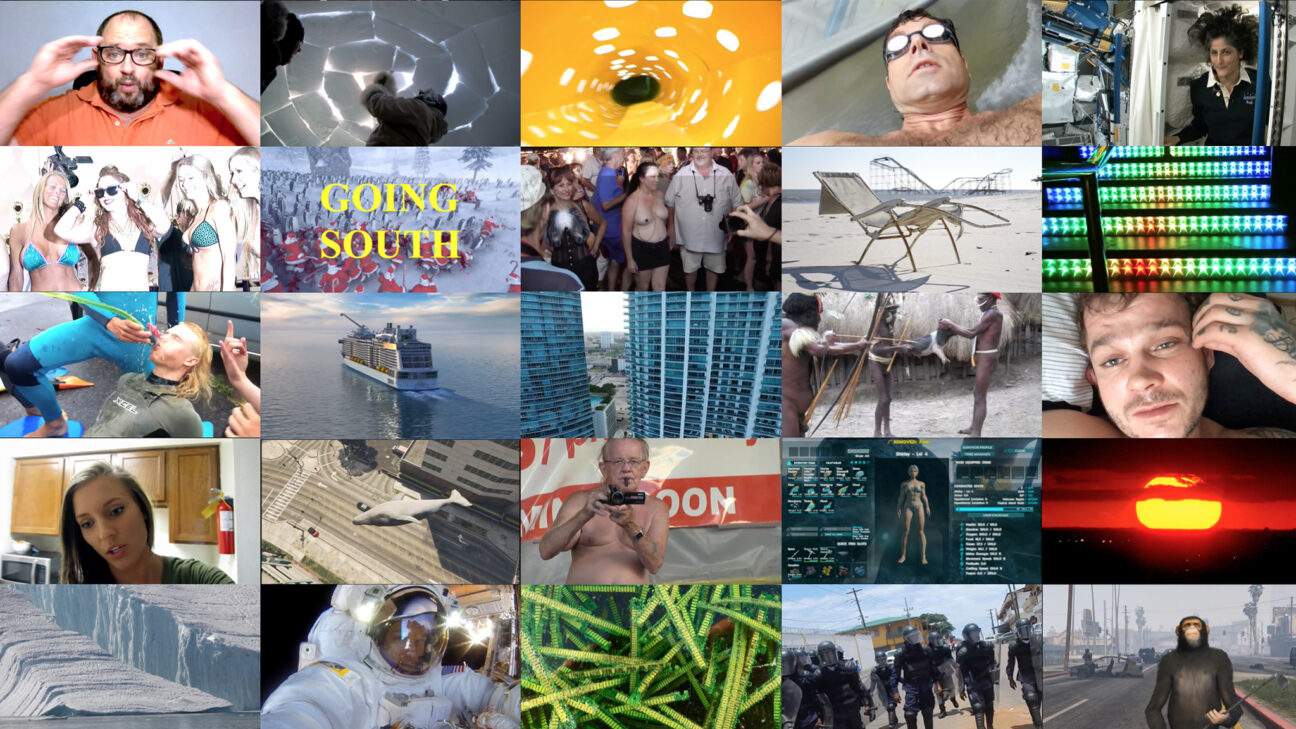
By contrast, Gagnon’s 'Going South' (available on Guidedoc) trades gore for paranoia. Built from found YouTube footage, it’s a chaotic patchwork of conspiracy theories, cultural decay, and digital-age anxiety. Rather than shocking with violence, it unsettles through fragmentation — a mirror of our information-saturated world where truth and fiction collapse into each other. For some, it feels disorienting; for others, it’s a brilliant commentary on the chaos of modern media.
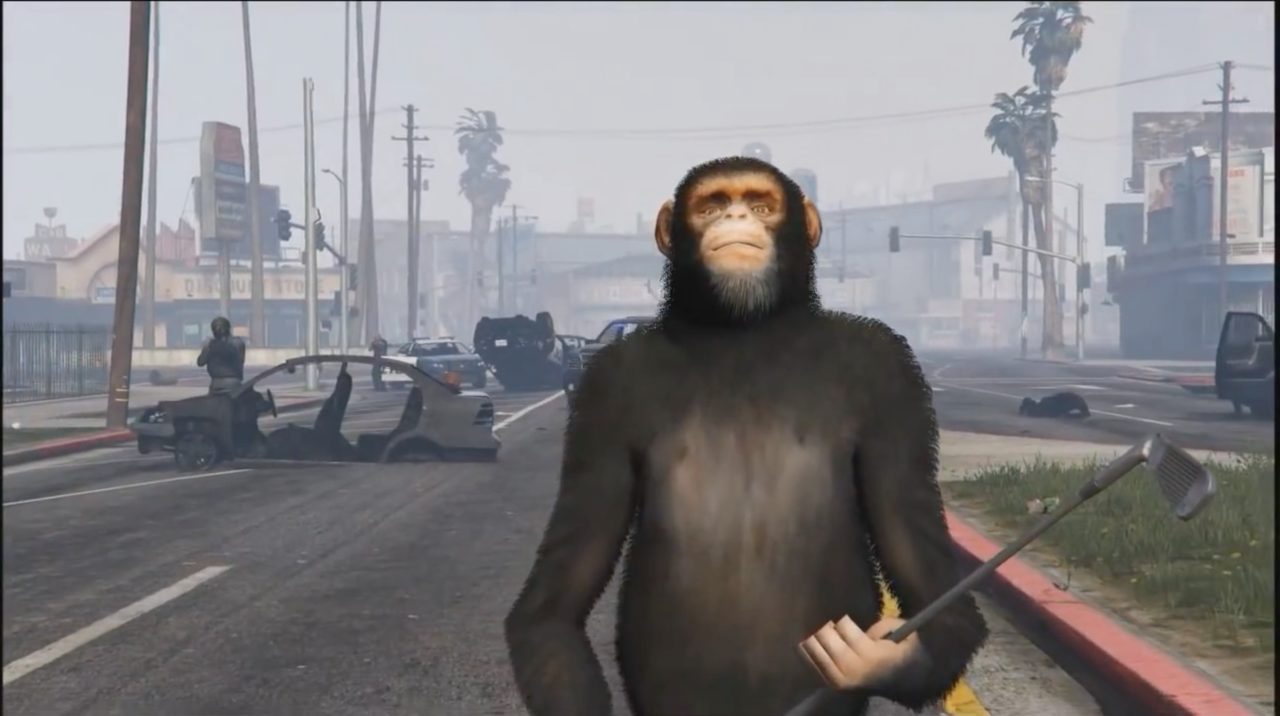
Together, MDPOPE and 'Going South' mark two poles of disturbing nonfiction: one visceral, the other intellectual. Both force viewers to confront darkness head-on — whether through gore and shock or through the unnerving collapse of culture in the digital age.
One of the most striking aspects of Dominic Gagnon’s 'Going South' is its exploration of how people process the flood of information they’re bombarded with daily. In an interview, Gagnon explained that the documentary was an attempt to capture the collective consciousness of a society overwhelmed by media: “We’re drowning in content,” he said, “and yet, we’re starving for meaning.” The film reflects a world where truth and fiction blur, and our understanding is increasingly shaped by fleeting fragments rather than deep analysis.
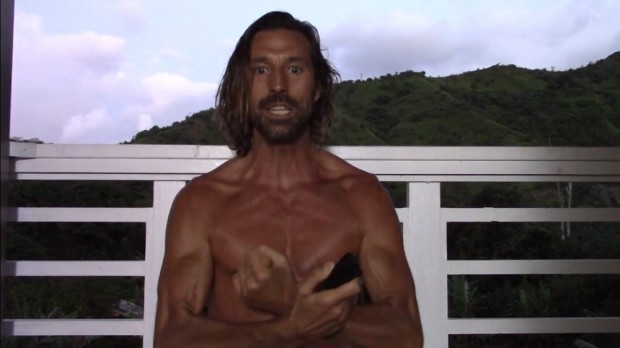
'Going South' offers no easy answers. It’s a puzzle that asks viewers to piece together their own meaning, demanding active engagement instead of passive consumption. As Gagnon put it, “I don’t want to tell you what to think. I want you to think.” In an age of documentaries that often guide viewers step by step, this work stands apart for its refusal to simplify — a film that respects the intelligence of its audience.
Together with Most Disturbed Person on Planet Earth, 'Going South' challenges the very definition of documentary. One shocks with gore and extremity, the other unsettles with cultural decay and digital paranoia. Both remind us that cinema is not just about entertainment, but about confronting the darkest corners of the human condition.
These disturbing documentaries are not designed for comfort. They shock, provoke, and unsettle — but in doing so, they reveal truths that conventional films often avoid. From forbidden films suppressed by censors to banned documentaries pulled from broadcast, each title on this list forces us to confront the darker realities of violence, trauma, and mortality.
Yet beyond the discomfort lies a vital question: what does it mean to bear witness? Some of these films document historical atrocities, others explore private horrors or exploitative spectacles. All of them challenge the viewer’s threshold for truth and test the boundaries of cinema itself.
If you choose to engage with these works, do so with caution — but also with the understanding that they form an essential part of the documentary landscape. They remind us that nonfiction film is not only about celebration or education, but also about facing the shadows we’d rather ignore.
Want more mind-bending stories? Don’t miss our feature “Truth, Stranger Than Fiction: The Ten Weirdest Documentaries That Will Flip Your Reality” — streaming oddities that prove real life is always stranger than the movies.
Some of these rare and shocking films are nearly impossible to track down. Still, others — equally daring, controversial, and unforgettable — are available now on Guidedoc: Curated Award-Winning Docs From Around the Globe.
Watch more great documentaries on Guidedoc

1398 films
And a new one every day

The preferred platform
of true documentary lovers
Half of all revenue goes
directly to the filmmakers