What does it mean to hold on to humanity in a world determined to test it? Across borders, wars, ecological disasters, and the chaos of everyday survival, some voices insist on empathy, memory, and connection. These voices don’t scream. They persist. And in this beautifully curated collection from Filmotor, now streaming on Guidedoc, ten documentaries become essential testimonies of our times—fragile, furious, but always deeply human.
The program, titled To Remember Humanity, doesn’t ask you to admire heroism. It asks you to bear witness. Each film featured here tells the story of people confronting systems, silences, or suffering, not to prove strength, but to preserve dignity. These aren't narratives of spectacle—they’re narratives of proximity. The kind of closeness only documentary can provide.
Whether it's a Roma ghost demanding justice, a mother fighting invisible trauma after war, or a quiet moment in a cheese factory, these stories don't need special effects. The lives they portray are already charged with consequence. This is slow cinema with a fast-beating heart. In this list, you’ll find award-winning works, poetic dispatches, and deeply political explorations from Europe, Asia, and beyond.
And if you're interested in how documentary can also reframe queer narratives through artful brevity, don't miss our recent article on the Gazes In Short: Ten Short Queer Documentaries by Gonella Productions - Part One. Read it here.
Now, let’s journey into nine documentaries that dare to remember—and remind us—what it means to be human.
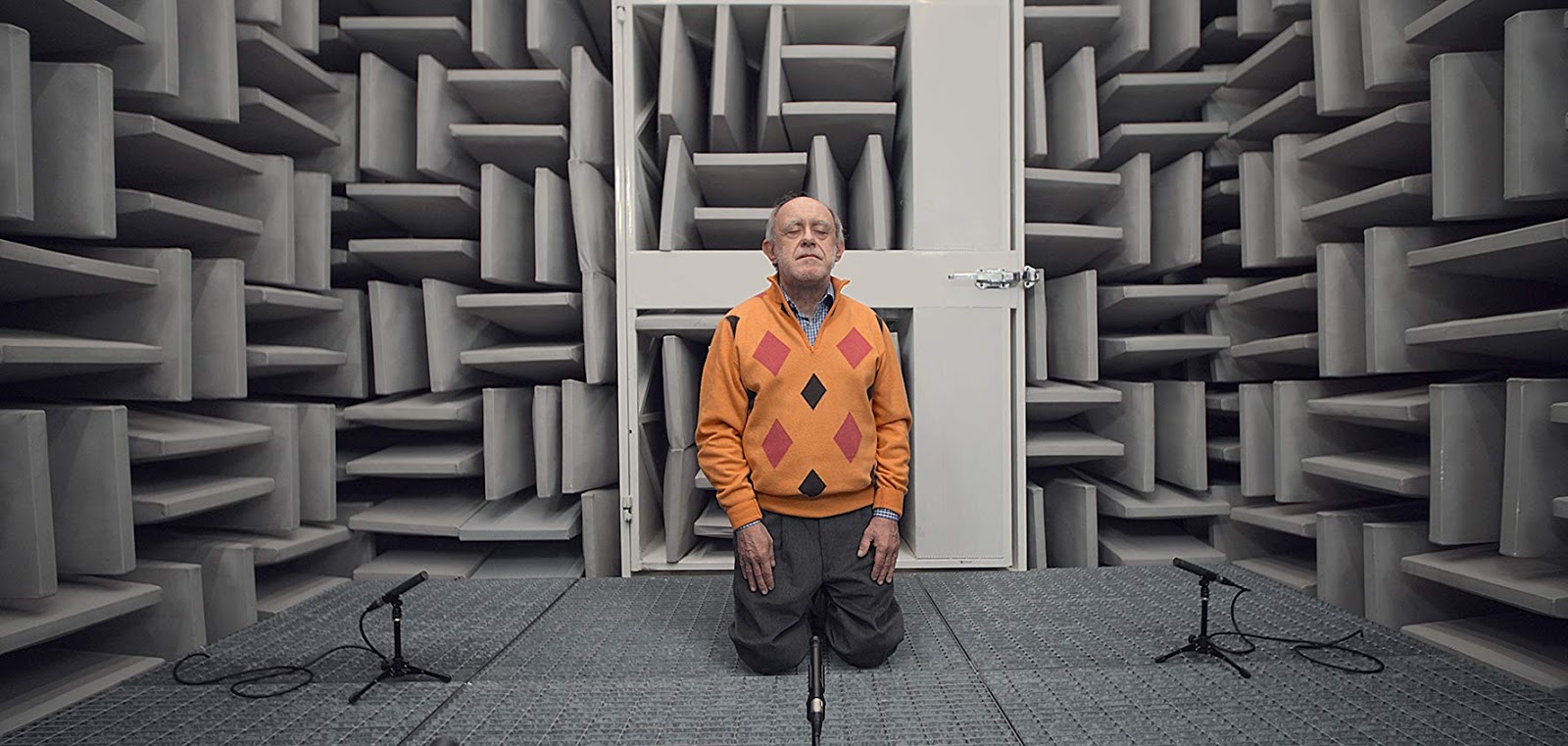
Premiered at the Venice Film Festival, this multi-award-winning documentary contemplates the poetry buried in our consumer culture. By following four isolated workers involved in global trade and consumption—from oil fields to shipping containers—the film constructs a meditative reflection on how things define us. The cinematography is hypnotic, the sound design immersive, and the questions it poses—about waste, purpose, and connection—stay long after the credits roll.
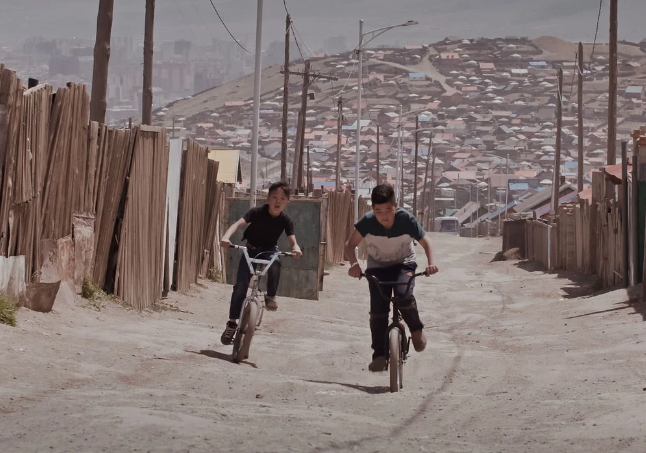
Inspired by the writings of Finnish diplomat G. J. Ramstedt, Eastern Memories is a visually stunning travelogue through Mongolia, Japan, and China. But more than a journey, it’s a reflection on imperialism, cultural exchange, and what it means to observe a culture without consuming it. The past and present collide in this lyrical documentary, guided by the quiet force of curiosity rather than conquest.
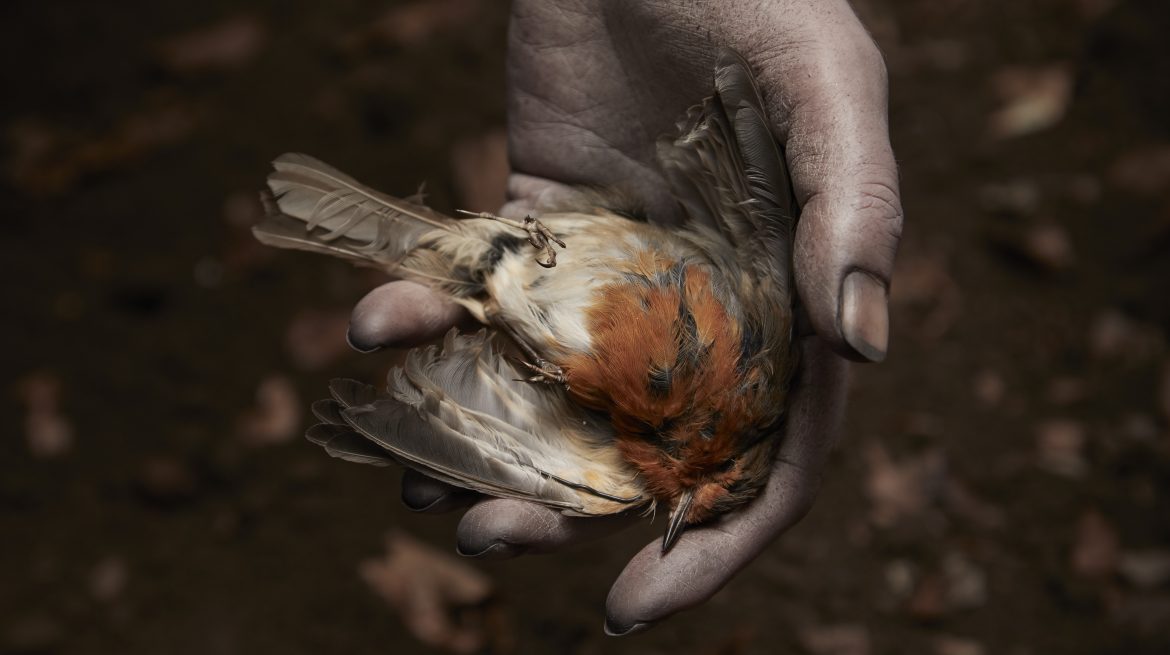
In a film that straddles myth and documentary, a Roma woman buried by the Nazis rises from the dead to speak. This gripping documentary isn’t just a haunting metaphor—it’s a necessary act of historical redress. With immersive visuals and voiceover that reads like testimony from another world, this film challenges the erasure of Roma suffering and confronts the audience with a ghost that demands remembrance.
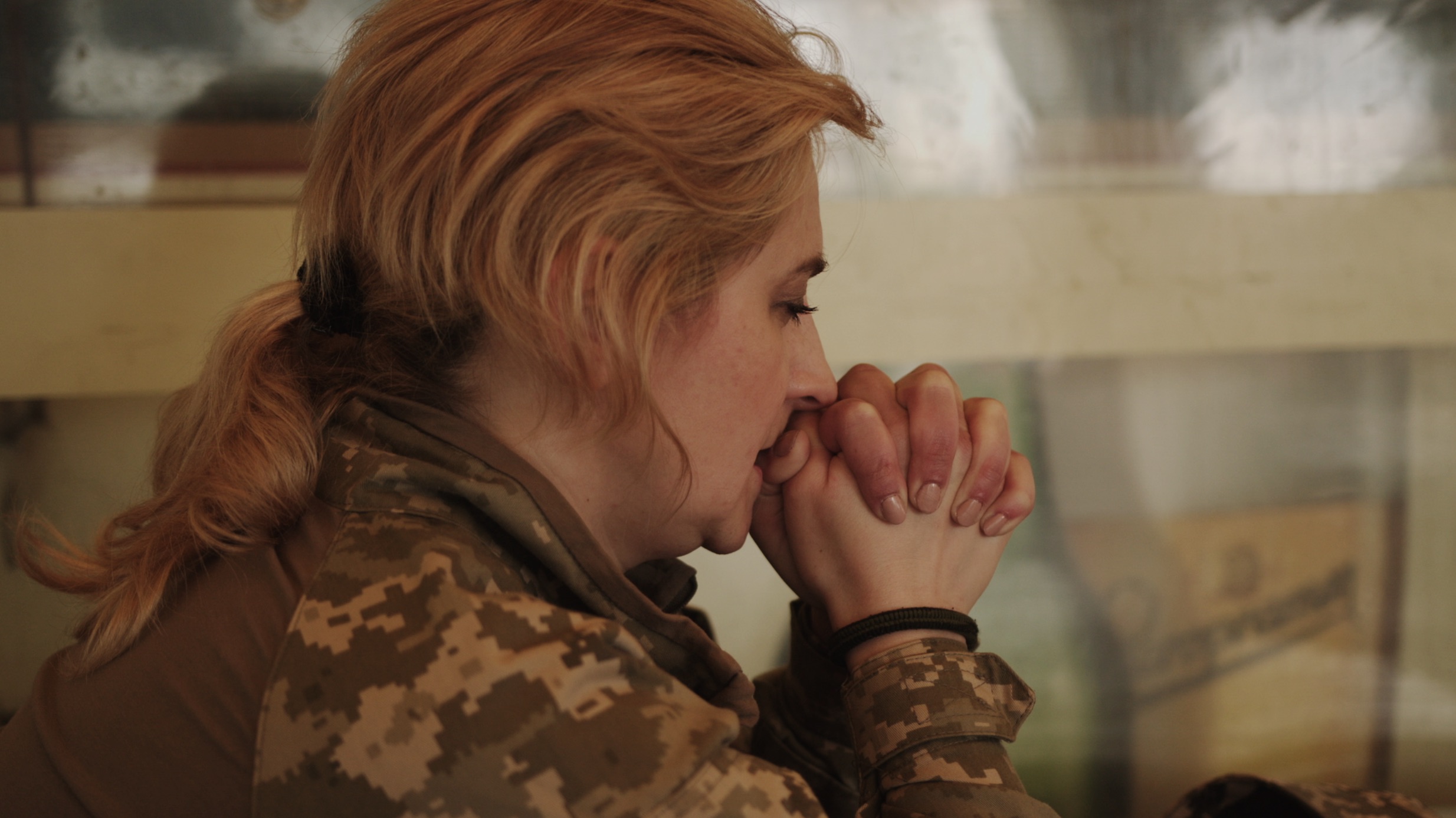
After serving as a press officer on the Ukrainian war front, Oksana Yakubova returns home to face a quieter, more insidious battle: post-traumatic stress. This insightful documentary places us inside therapy sessions and internal monologues, slowly revealing how war lingers in the body and mind. A harrowing and honest portrayal of trauma, it reminds us that not all wounds are visible, and not all recovery is linear.
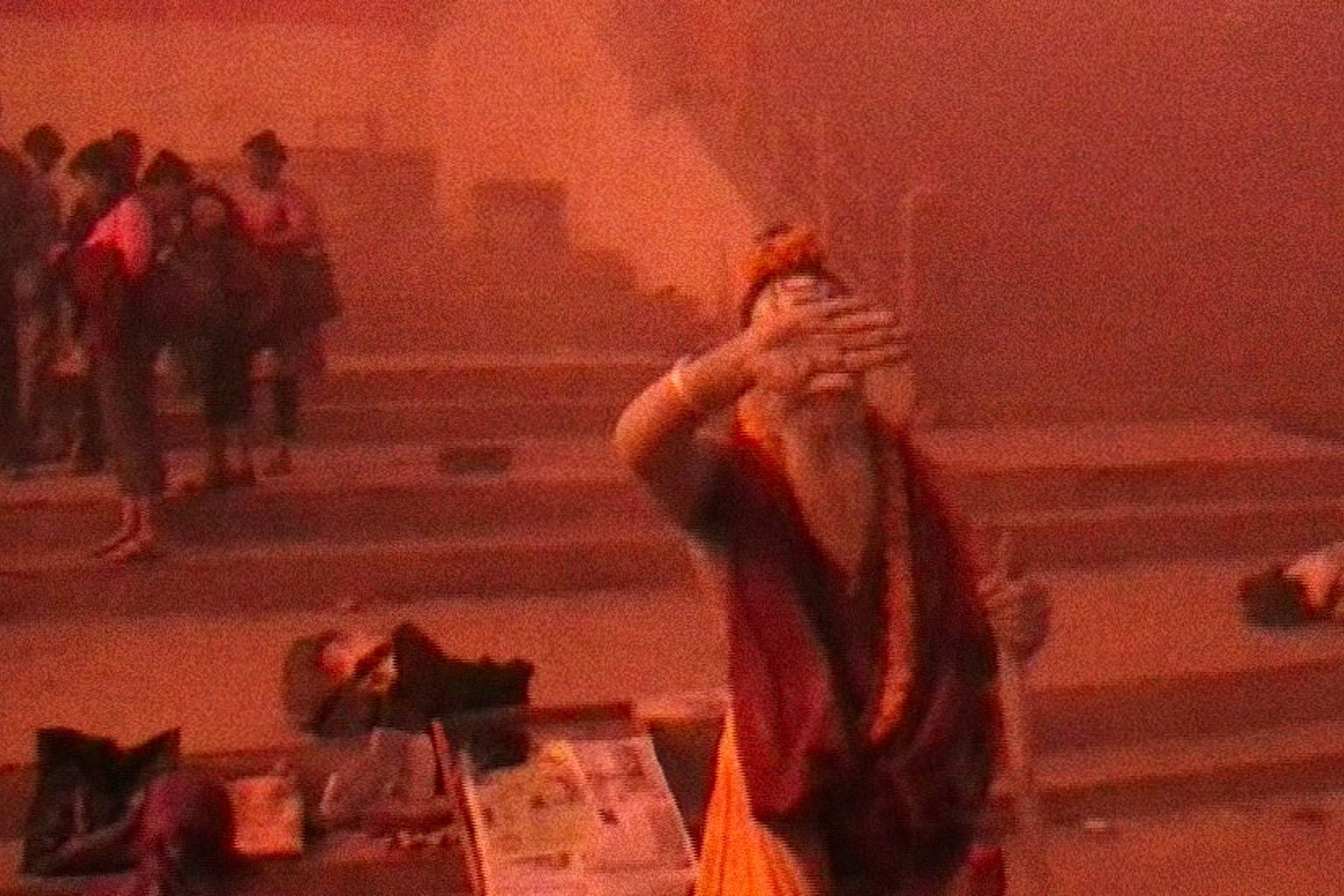
Through a provocative collage of amateur tourist footage, this compelling doc questions the ethics of travel in colonized and exoticized spaces. Are we seeing the world, or just ourselves reflected in it? By assembling images of holidaymakers in sacred or politically charged places, the film critiques the extractive gaze while implicating all of us in the spectacle of consumption. It’s a documentary as a mirror—and it's not always flattering.
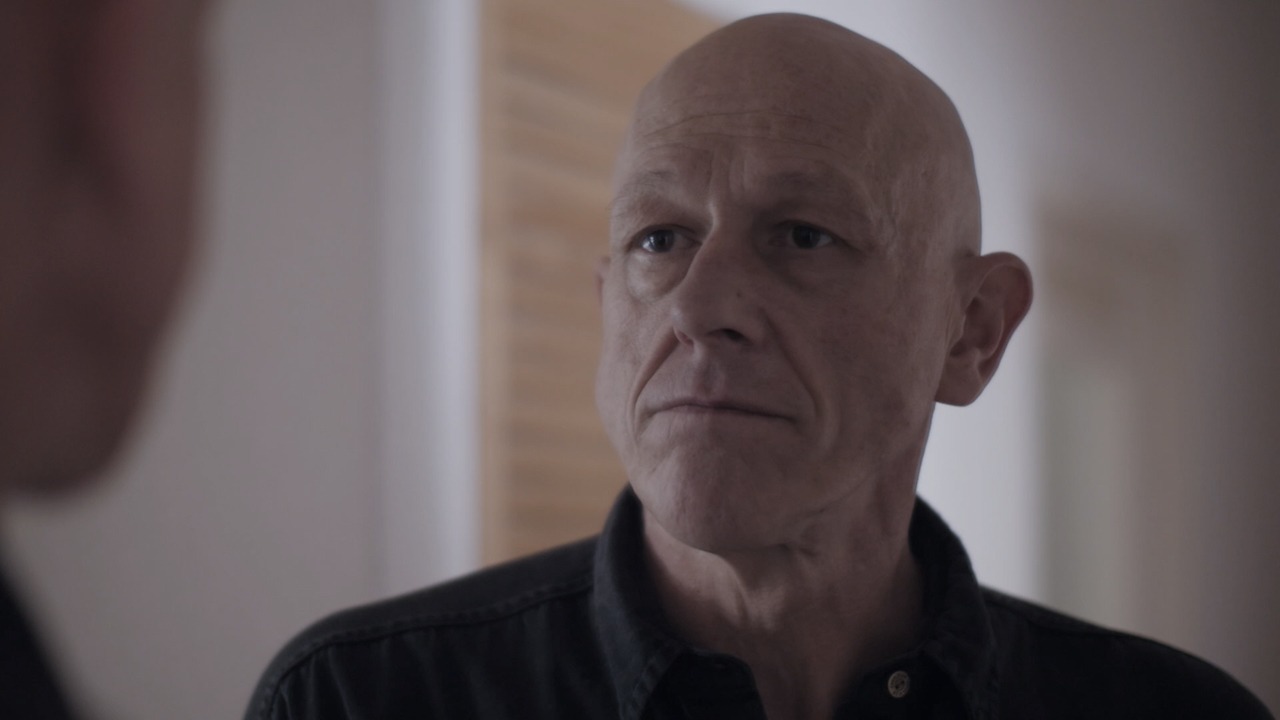
Ortwin Passon, an HIV-positive human rights activist, is writing a PhD thesis defending the right to die. Meanwhile, he participates in underground sex clubs and philosophical debates about morality and mortality. The film is at once raw and cerebral, unafraid to explore contradictions. This is a documentary that asks not how we should live, but how we might die—with autonomy, dignity, and defiance.

What happens when war is seen through the lens of social media? This documentary compiles viral videos from conflict zones in Syria, Libya, and Egypt, creating a disorienting yet urgent archive of violence. But it’s not just the content—it’s the form. By using first-person footage, the film challenges traditional news narratives and forces the viewer to reckon with the immediacy of war. It’s brutal, fragmented, and essential.
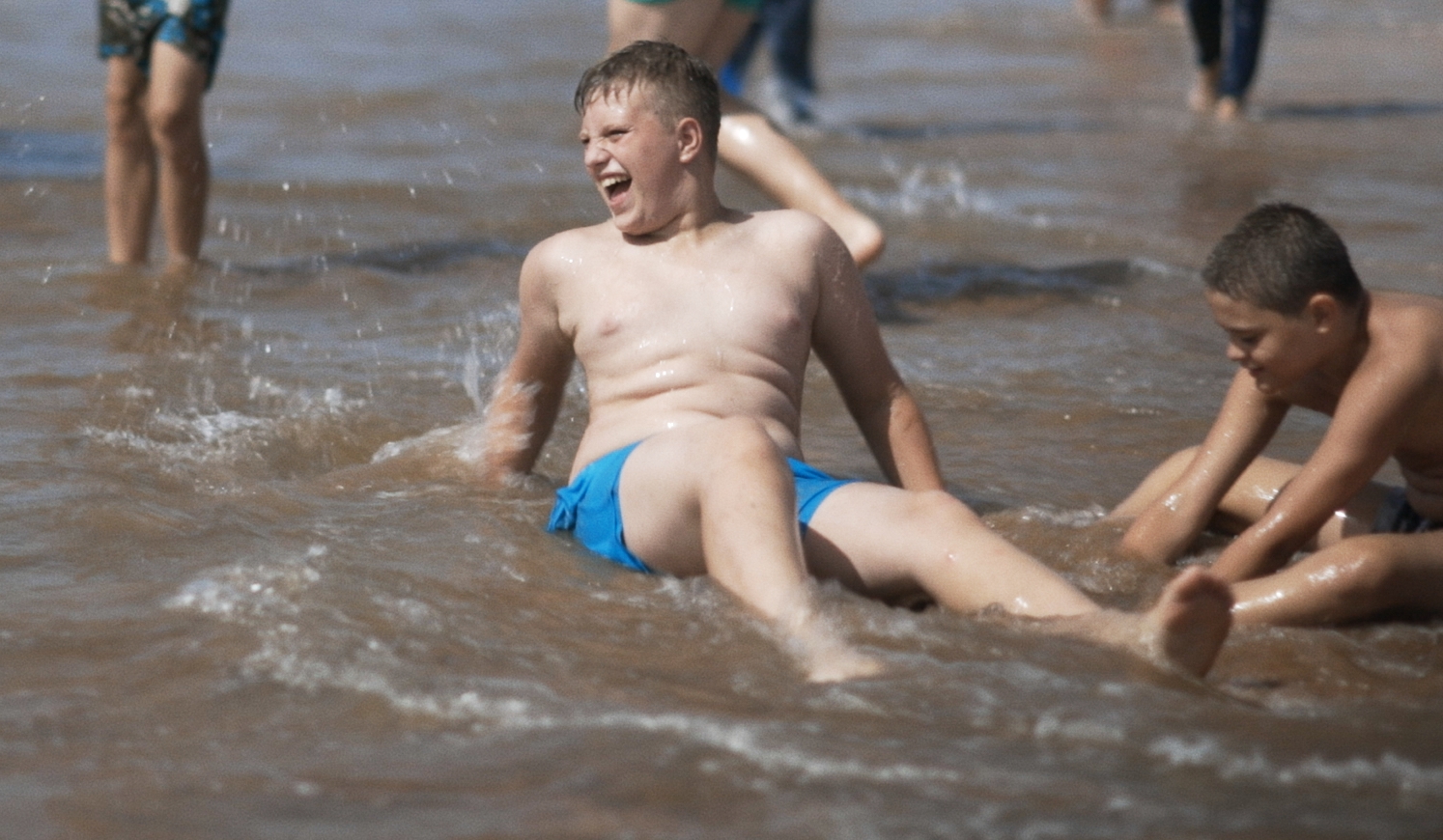
In a seemingly lighthearted premise, a youth hockey team from the Czech Republic travels to Morocco to play friendly matches. But beneath the camaraderie lies a sharp meditation on cultural difference, soft diplomacy, and the innocence of sport amidst a world of divisions. The documentary is a quiet yet powerful film about connection and respect, on and off the ice.
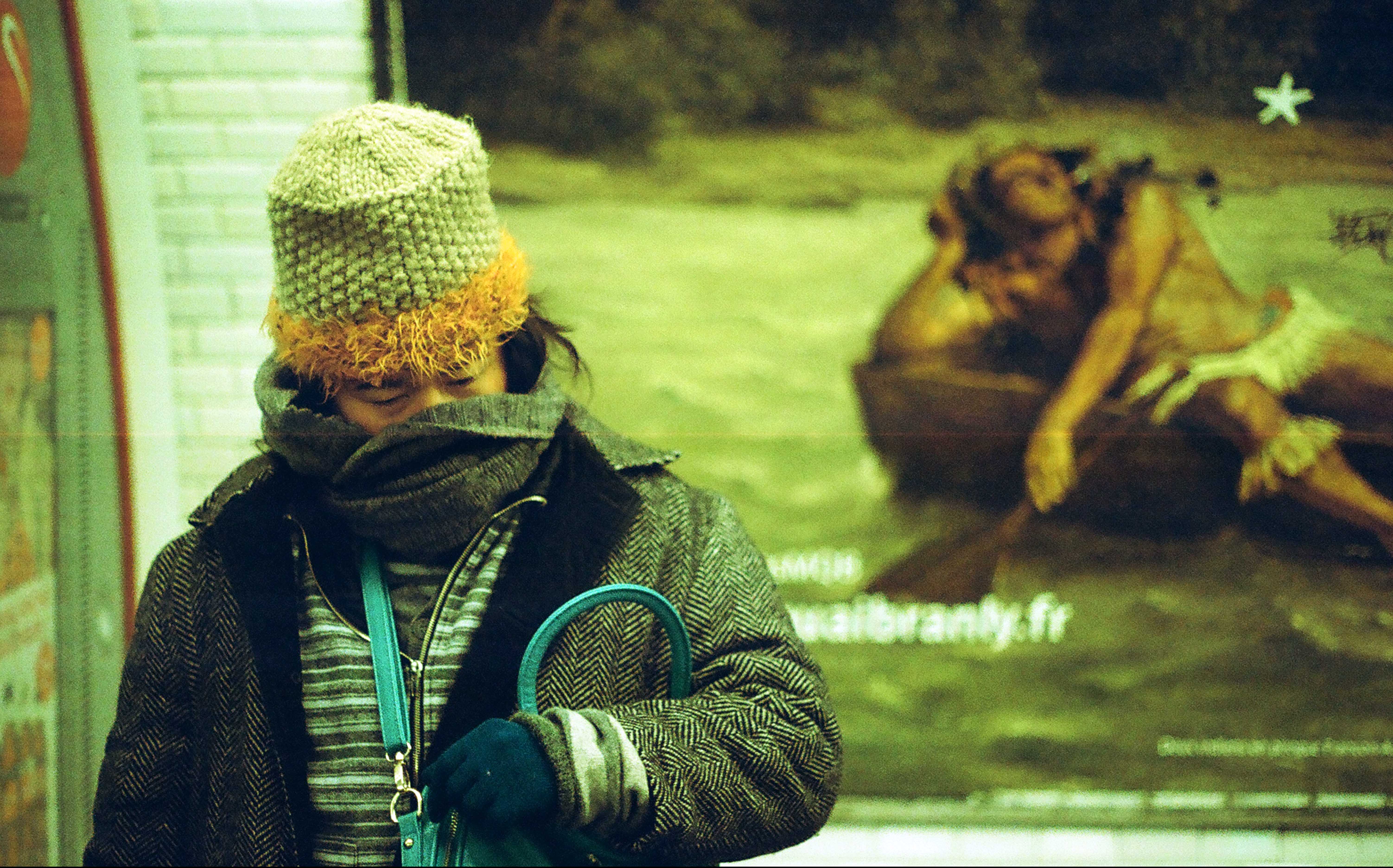
Having fled persecution in Africa for her homosexuality, Pepsi—yes, that’s her chosen name—navigates Europe’s asylum process. From Italy to France, she performs gender, navigates bureaucracy, and recounts trauma. But this is no victim narrative. This bold documentary foregrounds her agency, her humor, and her sheer will to exist. It’s a story of statelessness, survival, and the radical power of reinvention.
In a moment where information overwhelms and empathy feels in short supply, these documentaries cut through the noise. They don’t rely on shock—they rely on presence. They invite viewers to sit with discomfort, observe without judgment, and listen deeply.
Filmotor’s curatorial hand is evident throughout. There’s a respect for rhythm, for pacing, for allowing subjects to lead. These aren’t stories told about people—they’re stories told with them. In a landscape saturated with content, To Remember Humanity offers something rare: care. And if there’s one thread tying these nine works together, it’s that remembrance is an act of resistance. To remember is to refuse disappearance. To remember is to insist that lives, no matter how peripheral or politicized, are worth witnessing.
To Remember Humanity, curated by Filmotor, is now streaming on Guidedoc. This isn’t just a collection of films—it’s an invitation to see the world differently, through the eyes of those who refuse to be forgotten.
Watch more great documentaries on Guidedoc

1398 films
And a new one every day

The preferred platform
of true documentary lovers
Half of all revenue goes
directly to the filmmakers