What if the internet vanishes tomorrow? Not just your vacation selfies, but the entire cloud. Tweets, timelines, digital diaries—gone. In an age that scrolls faster than it remembers, how do we hold on to the moments that matter? Enter the documentary: part time capsule, part cultural critique, and—when done right—a surprisingly emotional backup of our collective memory.
Forget shoeboxes full of film negatives. Today, memory lives in pixels. But memory without narrative is just data. That’s where documentaries come in, offering not just a snapshot of now, but a structure, an emotion, a point of view. In a world overrun by digital excess, documentary films are the archivists we didn’t know we needed.
On Guidedoc, you’ll find filmmakers doing the unthinkable: turning chaos into legacy. And trust us—your algorithm won’t recommend these.
Traditionally, archiving meant preserving the past in acid-free folders. But now, we’re preserving it in JPEGs, MP4s, and deep-fried memes. Today’s archives are as likely to live in a cloud server as in a museum basement. Digital archiving isn’t just a method—it’s a medium. And documentary films thrive in this space.
Take Workingman’s Death by Michael Glawogger. On the surface, it’s a visually arresting docu about laborers in extreme conditions—from Ukrainian coal miners to Nigerian slaughterhouses. But deeper still, it’s a record of industrial labor disappearing before our eyes, a cultural memory hard-coded in 35mm and now streaming online.
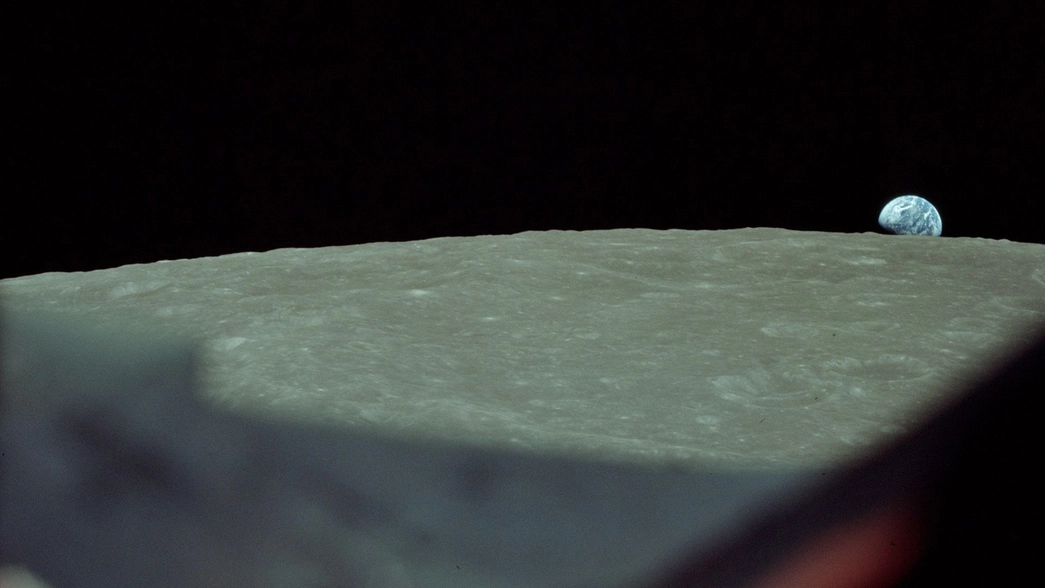
Archiving the present doesn’t always mean filming protests or pandemics. Sometimes it’s quieter. Earthrise, for example, tells the story of the iconic photo of Earth taken by Apollo 8 astronauts. It uses archival footage, personal interviews, and a hauntingly minimal aesthetic to unpack not just a moment, but a shift in global consciousness. The film isn’t just documenting history—it’s documenting how we remember it.
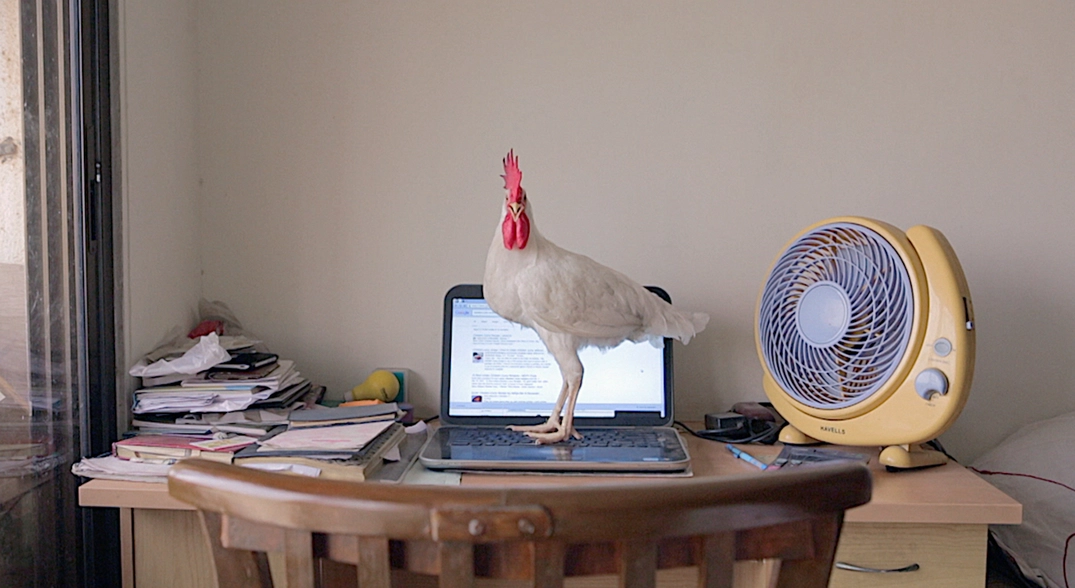
On the other end of the spectrum sits Tungrus, where the biggest drama is a rooster wreaking havoc in a Delhi apartment. It’s absurd, hilarious, and surprisingly poignant. The film preserves an intimate, contemporary slice of urban Indian life, turning daily chaos into an oddly timeless document.
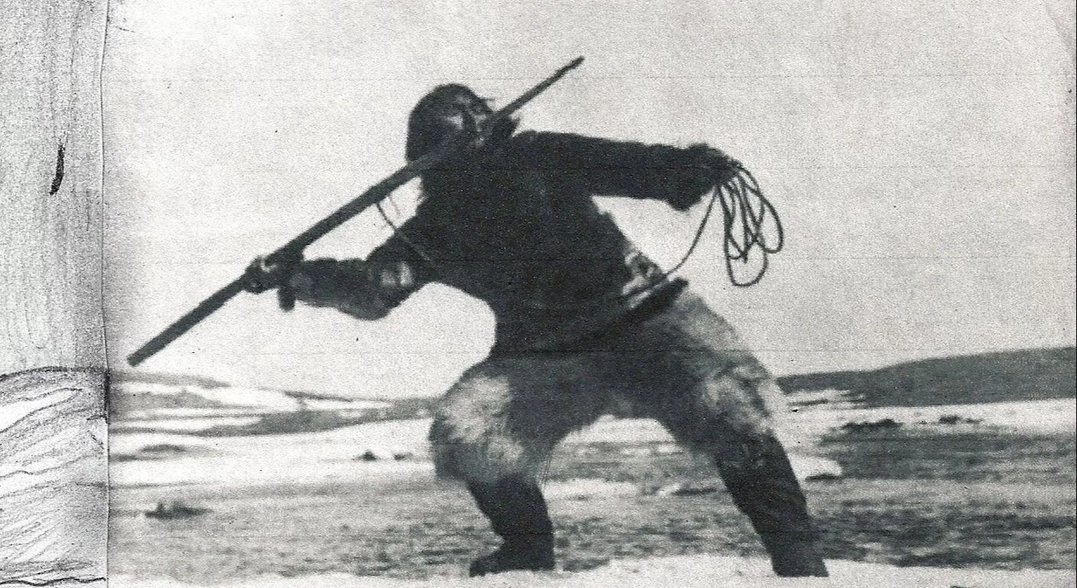
Documentary archiving didn’t start with Google Drive. It started with guys like Robert Flaherty and films like Nanook of the North (1922), also available on Guidedoc. Though now critiqued for its staged scenes, the film was one of the first to use the medium to document a vanishing way of life. In hindsight, Nanook is less a documentary and more a time capsule—problematic, yes, but pivotal.
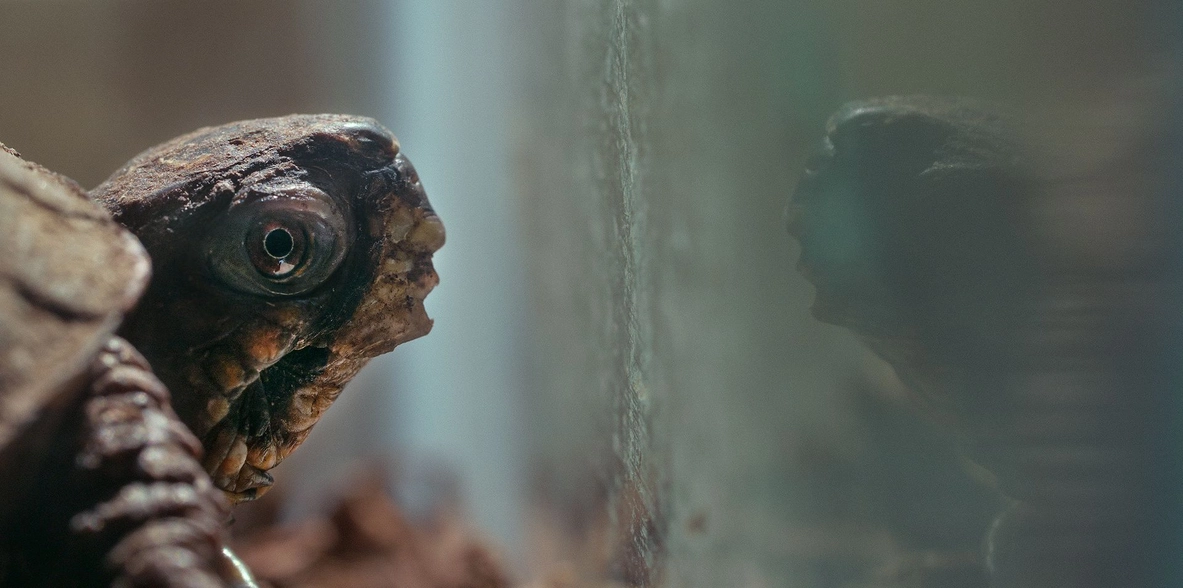
What’s fascinating is how today's docs echo and reframe that legacy. Consider Snowy, a poetic exploration of a turtle’s inner life. By anthropomorphizing an animal within a controlled space, the film questions our ethical relationship with nature—and our impulse to frame it for posterity.
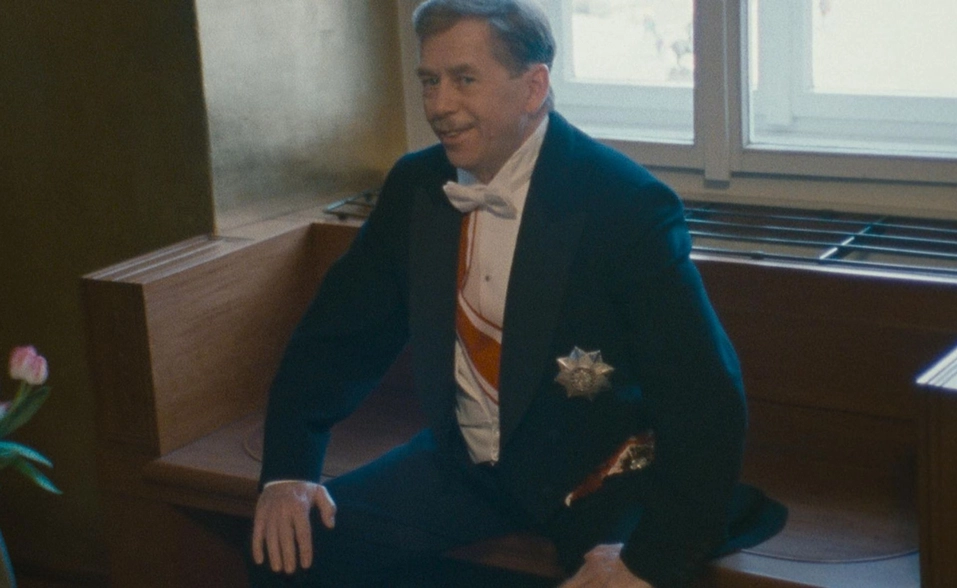
Personal documentaries are becoming essential to the digital archive. Films like Citizen Havel blend personal access with national consequence, chronicling the final years of Czech president Václav Havel through behind-the-scenes footage. It’s part diary, part state record, and wholly irreplaceable.
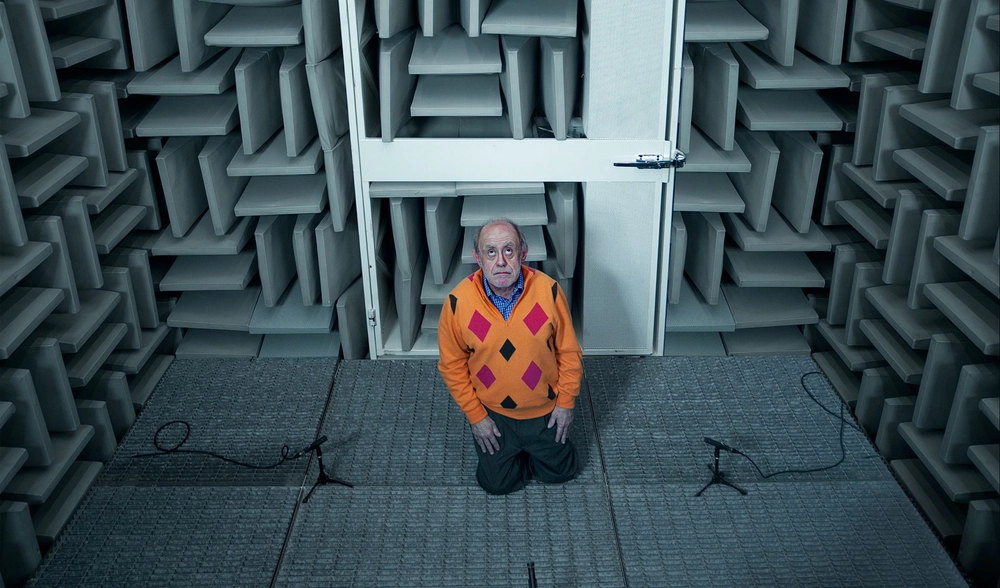
Then there's Beautiful Things, a slow and visually hypnotic journey into the life cycle of objects—from oil drilling to waste disposal. The film doesn't just document production—it critiques it, transforming industrial processes into a meditation on consumption and memory.
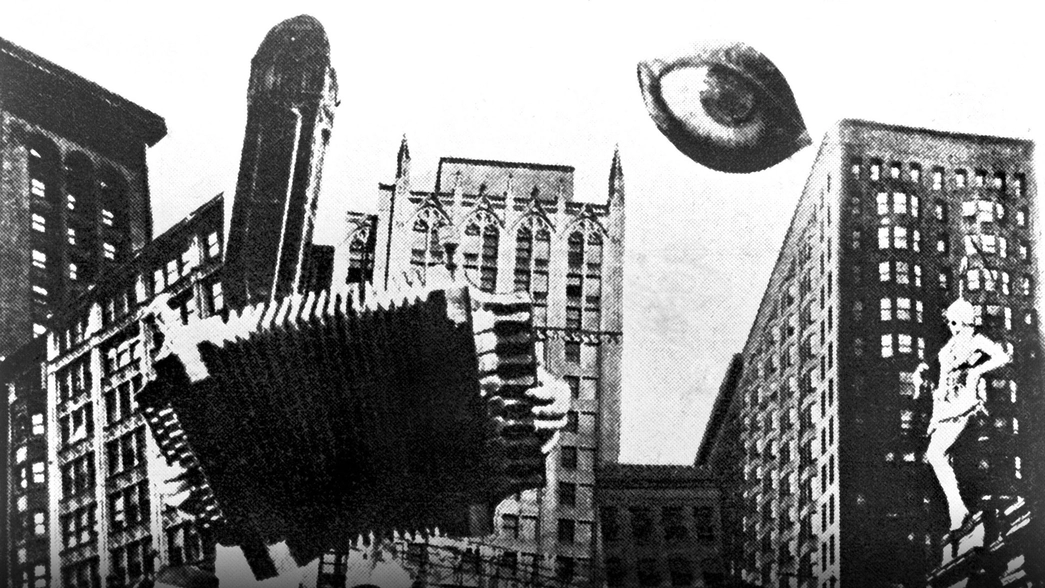
Some films archive cities themselves—not as static places, but as pulsating systems of human behavior. Berlin: Symphony of a Great City (1927) remains a silent-era masterclass in observational documentary.
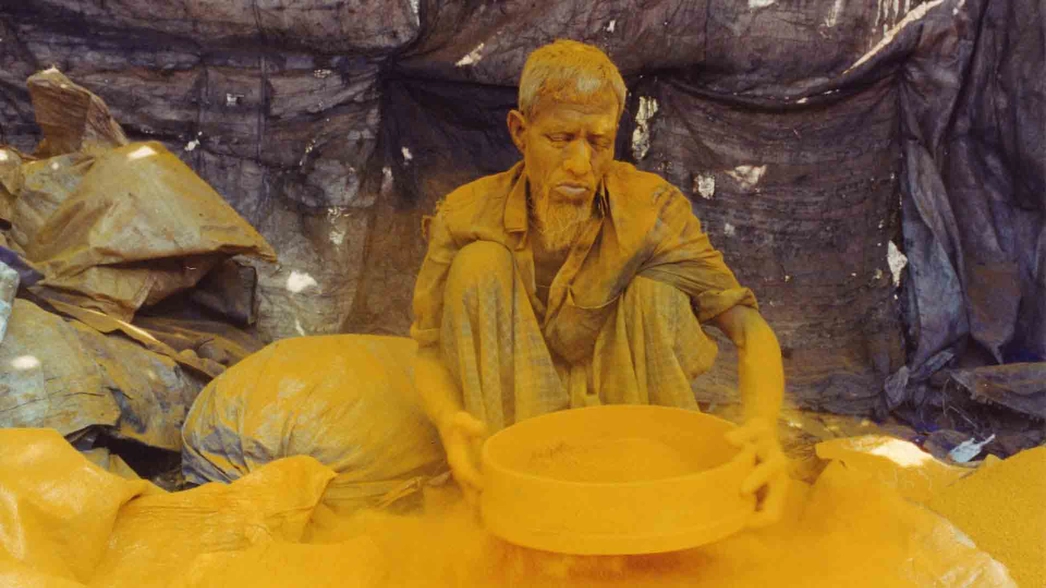
Meanwhile, Megacities does the opposite—it plunges into the chaos of Bombay, Mexico City, Moscow, and New York, documenting urban poverty with unflinching realism. These are city symphonies turned survival stories. What these films achieve isn’t just infrastructure—it’s the psyche of a metropolis.
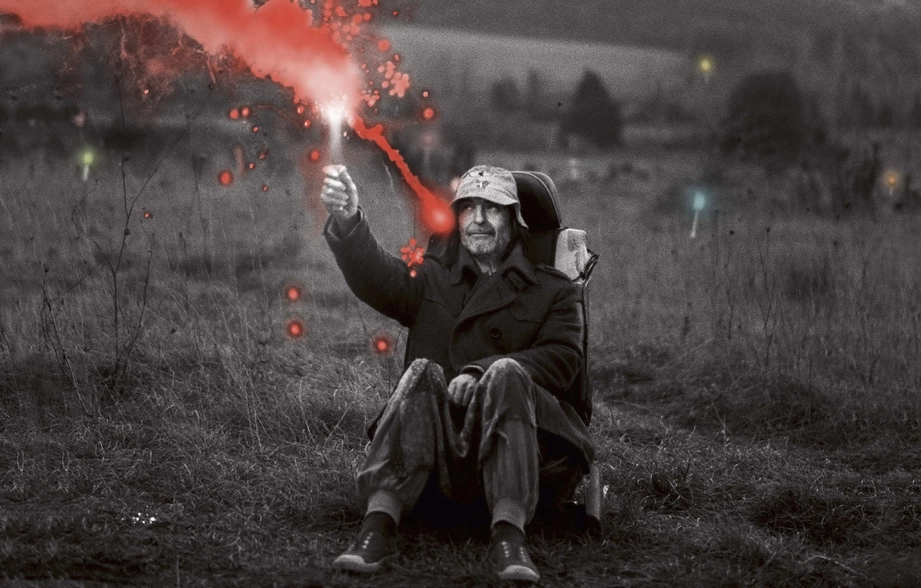
Now, no conversation about the memory of the digital age is complete without at least one good conspiracy. Bugarach, a doc about a tiny French village rumored to survive the apocalypse, is a perfect example. Shot with humor and empathy, the film archives not an event but a belief—a mass projection of millennial fears and digital-age absurdities.

And let’s not forget All Inclusive, a meditation on cruise ship entertainment that’s both hilarious and deeply unsettling. It captures what happens when leisure becomes spectacle and our present becomes uncomfortably archived in souvenir photos and karaoke videos.
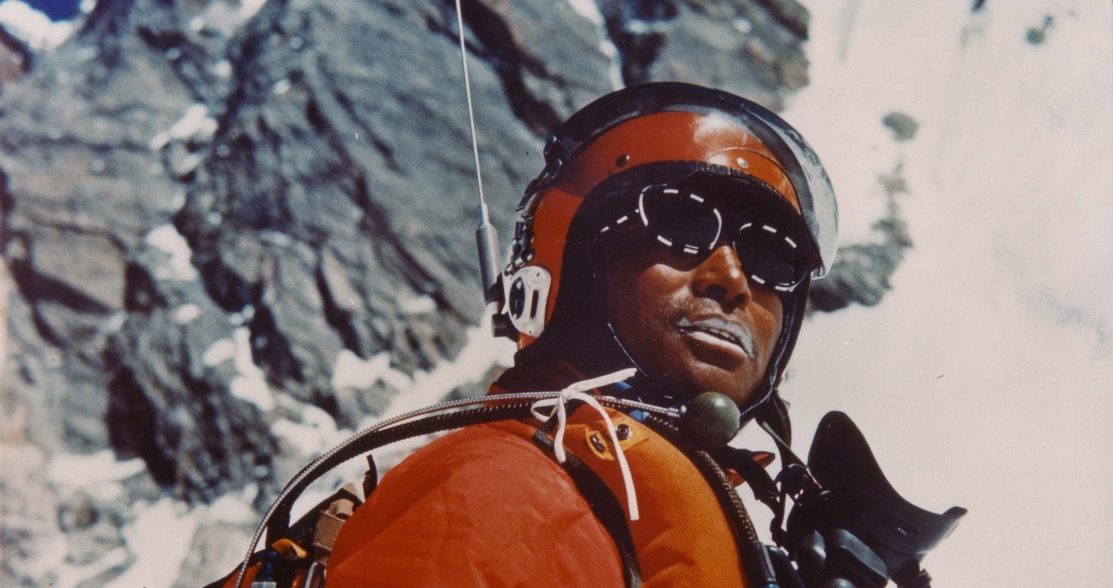
At its core, documentary filmmaking isn’t just about showing. It’s about saving. The Man Who Skied Down Everest, for example, might seem like a tale of athletic bravado, but it’s also a preservation of a historic cultural feat—the first descent of Everest on skis. Equal parts sports doc and anthropological archive, it’s an artifact in motion.
As noted in another Guidedoc editorial on documentary styles: “Documentaries are not just records of the past; they are active participants in shaping collective memory.” Whether you’re watching a short on a turtle’s happiness or a long-form film on slum survival, you’re not just viewing—you’re remembering.
With digital formats evolving and attention spans shrinking, the need for meaningful archiving is urgent. We’re generating history faster than we can store it. Documentaries—especially those that blend creativity with authenticity—offer us a way to pause, rewind, and replay the chaos of now. They remind us that memory isn’t just about looking back. It’s about deciding what’s worth carrying forward.
Watch more great documentaries on Guidedoc

1337 films
And a new one every day

The preferred platform
of true documentary lovers
Half of all revenue goes
directly to the filmmakers