Africa is not one story. It is a continent of layered histories, vibrant cultures, and political contradictions. In the documentary program African Postcards by Rushlake Media, now streaming on Guidedoc, viewers are invited to experience five compelling stories that act like cinematic postcards—brief, intense, deeply human glimpses into different African realities.
Each film carries the viewer from the racetracks of Burkina Faso to the drought-stricken landscapes of South Africa, from personal quests for identity to confrontations with colonial legacies. Together, these docs form a powerful collage of contemporary African life, inviting viewers to listen, feel, and reflect.
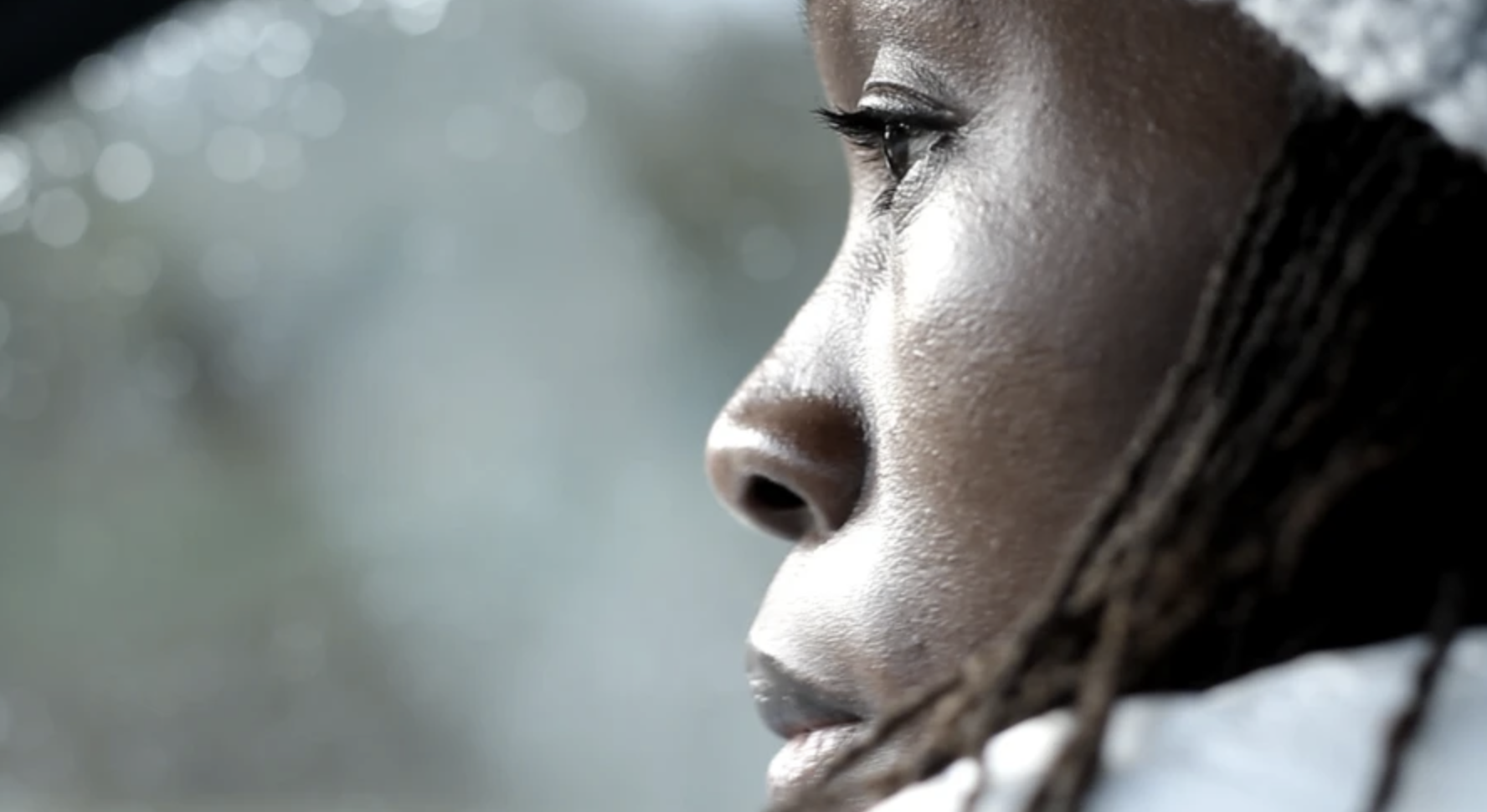
At the heart of this program lies the understanding that every personal story is inevitably political. In Waithira, a young Kenyan woman in exile embarks on a journey across three continents to uncover her family’s forgotten past. What begins as a genealogical investigation soon transforms into an emotional exploration of the African diaspora, colonial history, and the erasure of women’s voices.
Director Eva Njoki Munyiri doesn’t just want to know where she comes from—she wants to know why those roots were hidden in the first place. This is family history as decolonial resistance.

The ghosts of apartheid loom large. Although the regime officially ended decades ago, the film reveals how its social architecture still lingers in the lives of South African youth. Through street interviews, protest footage, and intimate moments, the documentary captures a generation grappling with a democracy that promised equality but delivered disillusionment.
The Children of Azania do not remain silent; they organize, they march, they speak. This is a postcard from the frontlines of memory and rebellion.
Not all of the stories are overtly political at first glance, but the beauty of African Postcards lies in how each film peels back layers of meaning.
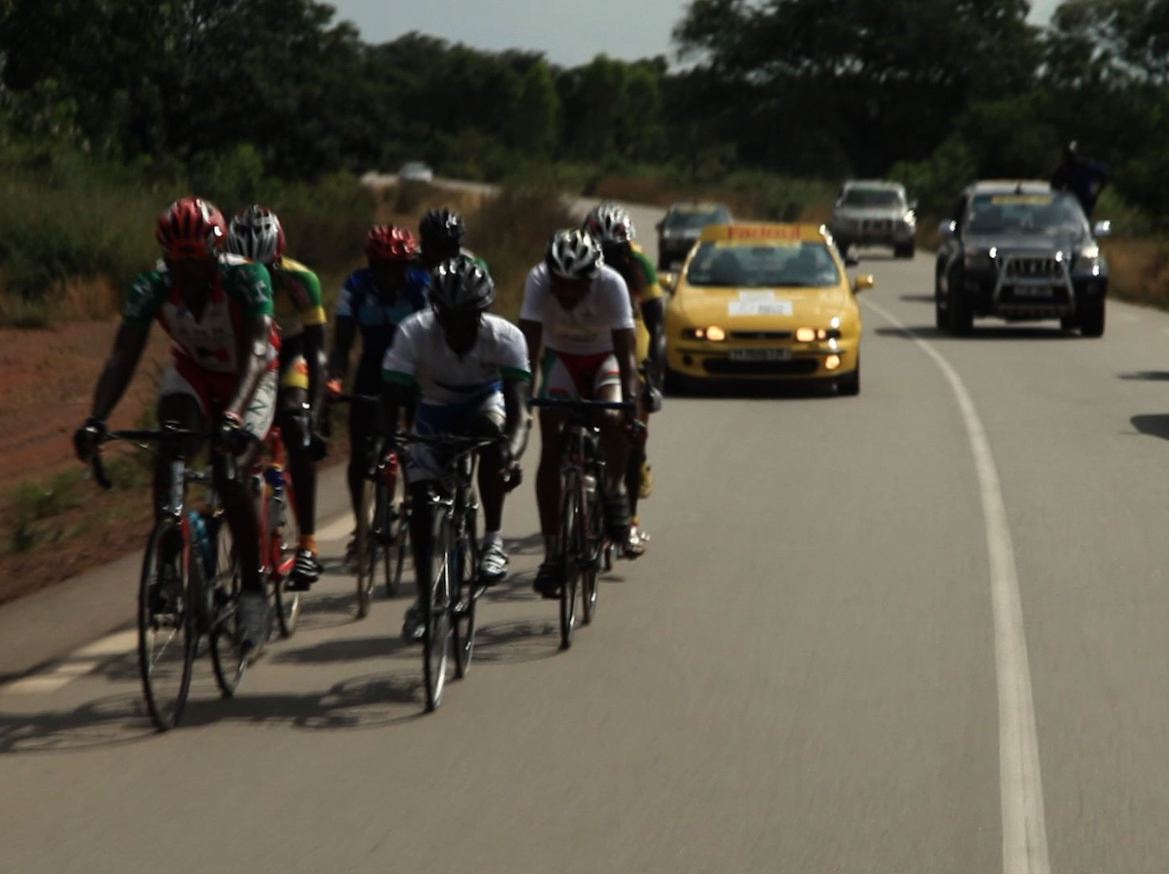
Chronicles Africa's top cycling race. At first, it dazzles with its vibrant scenery and athleticism. But beneath the surface lies a subtle tension: the race follows a route designed during colonial times, echoing historical hierarchies between foreign and local participants. This is a film about the endurance of sport, yes, but also about the invisible scaffolding of colonial legacy.
As the cyclists rush through sun-drenched towns and vast open landscapes, we begin to ask new questions. Who owns this race? Who benefits? Who remembers why these roads were paved in the first place? Through breathtaking cinematography and rhythmic pacing, Tour Du Faso delivers a commentary on spectacle, tourism, and power—all under the guise of a sports documentary.
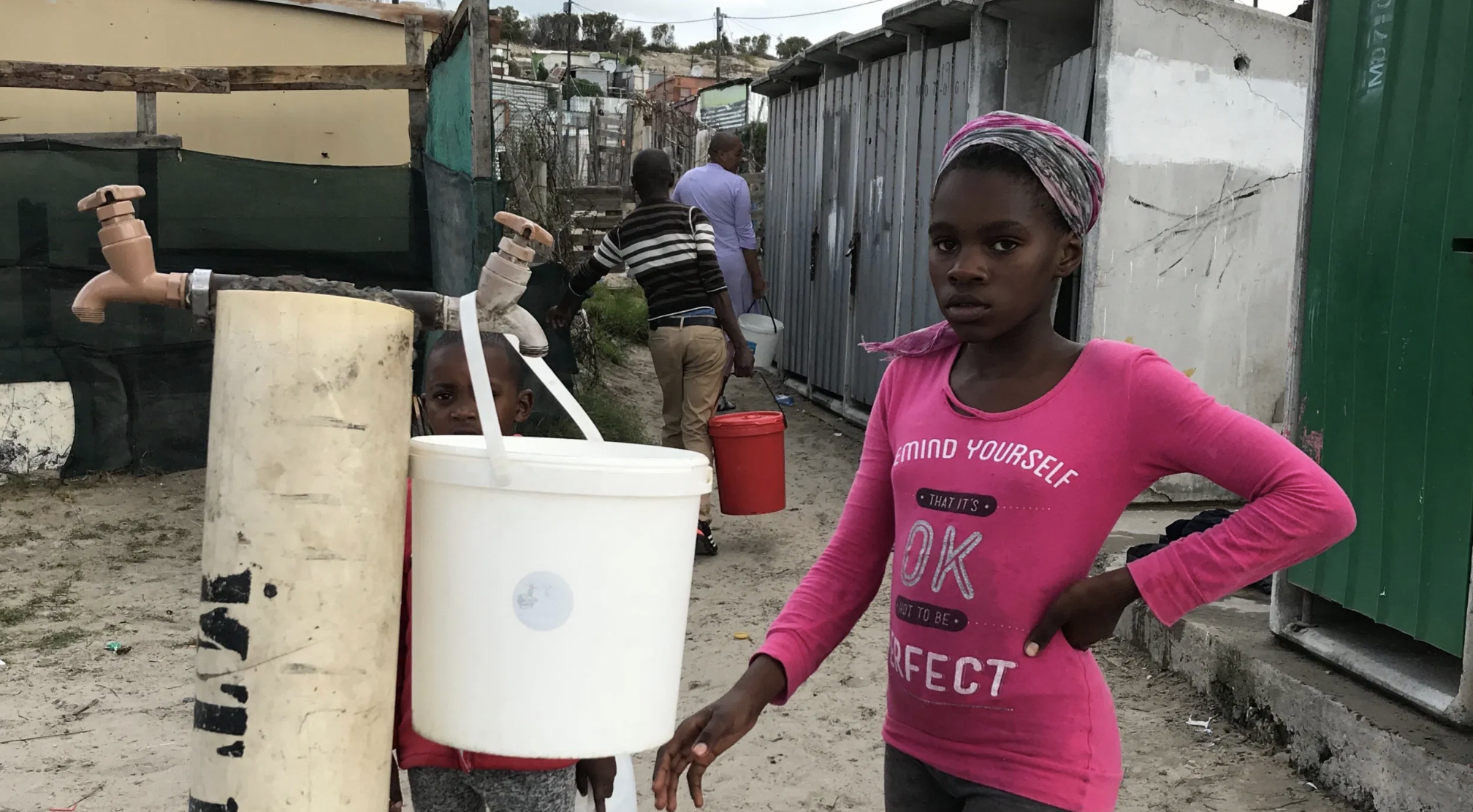
If Tour Du Faso captures the beauty of the landscape, Day Zero confronts its fragility. Set in Cape Town, this documentary examines the city’s unprecedented water crisis, which brought it perilously close to becoming the first major metropolis to run out of drinking water. With stark imagery and urgent interviews, Day Zero is a sobering wake-up call about climate change and the unsustainability of current global systems.
The film doesn’t only show empty reservoirs and parched earth—it highlights the human cost of environmental disaster. Inequality is laid bare, as affluent communities scramble for private solutions while impoverished areas face systemic neglect. In doing so, Day Zero reminds us that climate change is not a distant apocalypse. It is already here, and it is unequally distributed.
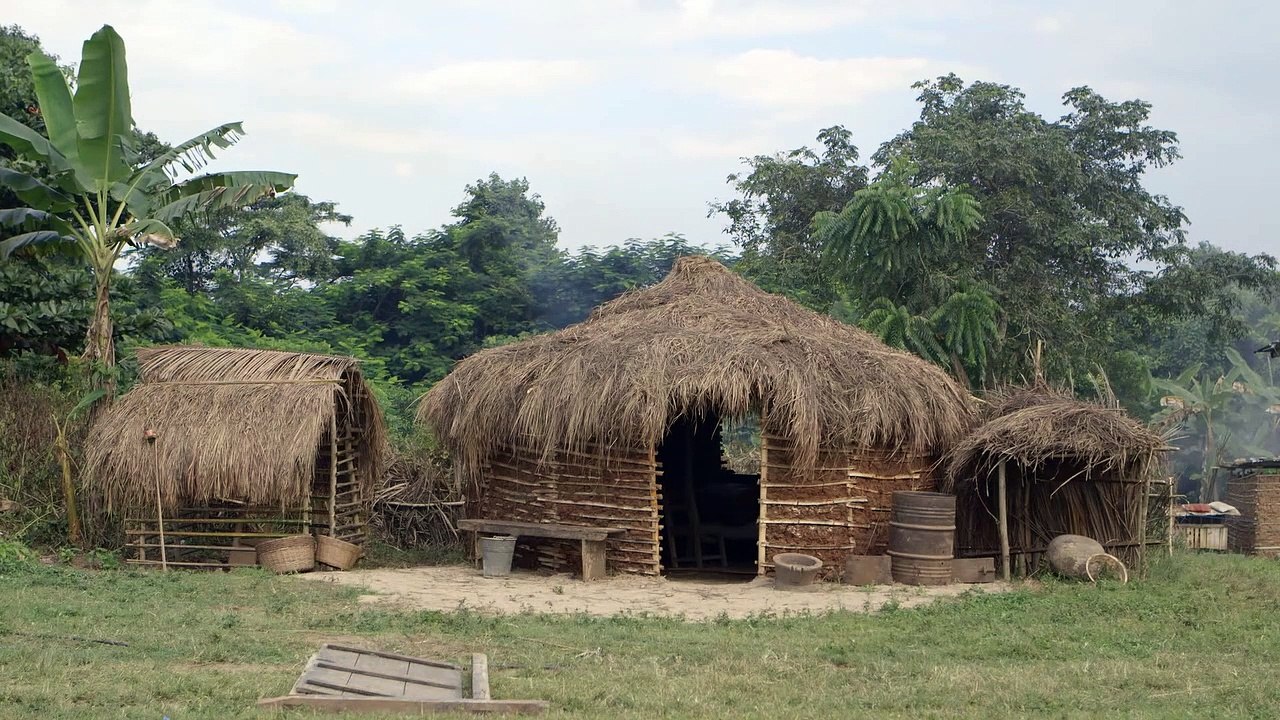
One of the most provocative entries in this collection. The documentary follows a foreign film crew arriving in Ghana to shoot a story about alleged child witchcraft. What unfolds is not just a film within a film—it is an ethical minefield. The local community resists the narrative being imposed upon them, exposing the extractive tendencies of Western documentary practices.
This film holds up a mirror to the audience. It asks: Who has the right to tell someone else's story? What happens when well-meaning storytelling becomes exploitation? By turning the camera back on the filmmakers themselves, To Fall Off The Horse becomes a reflexive critique of the documentary genre—a bold move that fits perfectly within the thematic ambition of African Postcards.
Five Documentaries You Shouldn’t Miss
Waithira: An exiled Kenyan woman travels across continents to reconstruct her family's fragmented history, confronting colonial silence and diaspora grief with poetic resolve.
Birth of a Nation, Children of Azania: A new generation of South Africans navigates the unfulfilled promises of post-apartheid freedom, organizing against racial injustice and economic inequality.
Tour Du Faso: A visually stunning exploration of Africa's biggest cycling race, subtly layered with commentary on colonial legacies and national pride.
Day Zero: A gripping, journalistic look at Cape Town's water crisis and the broader implications of climate change, inequality, and governmental failure.
To Fall Off The Horse: A reflexive and ethical confrontation between a foreign film crew and a Ghanaian village that questions the power dynamics of documentary filmmaking.
In an era of overwhelming media saturation, African Postcards offers something rare: documentaries that resist simplification. These are not stories told to make viewers feel comfortable or entertained. They are stories that demand reflection, that linger after the screen goes dark. Each film operates like a thread in a much larger tapestry, collectively pushing back against the monolithic portrayal of Africa in global media.
Moreover, the program invites a reconsideration of documentary ethics, authorship, and responsibility. Whether through the decolonial journey of Waithira, the activist urgency of Children of Azania, or the self-reflexivity of To Fall Off The Horse, each film asks us to be better viewers—more critical, more curious, more compassionate.
There’s something poetic about naming this program African Postcards. A postcard is both a message and a memory, a tangible fragment of a place and a time. These films are cinematic postcards sent not just from Africa, but from its future—a future being negotiated, reimagined, and fought for right now.
Each documentary bears witness to the pressing issues of our time: climate catastrophe, historical amnesia, social resistance, and the ethics of representation. In doing so, African Postcards becomes more than a viewing experience. It becomes a call to listen.
From ancestral rhythms to present-day revolutions, Africa’s stories unfold with power and grace. Read our Guidedoc article highlighting the most captivating African documentaries: The Wild Chronicles: Africa's Enigmatic Through Top 10 Documentaries
All five documentaries in African Postcards are available now on Guidedoc. For those looking to expand their worldview, challenge their assumptions, and experience some of the most urgent documentary storytelling of our time, this program is essential viewing. Watch now, and allow these stories to expand your sense of the world—one postcard at a time.
Watch more great documentaries on Guidedoc

1398 films
And a new one every day

The preferred platform
of true documentary lovers
Half of all revenue goes
directly to the filmmakers