Unlike fictional horror and suspense documentaries, these films can’t hide behind invented monsters or made-up curses. The ghosts are rooted in history. The terrors are caught on tape. The crimes happened in plain daylight, even if the truth was buried for decades. In a landscape where the horror genre often leans into spectacle, documentary filmmakers quietly sharpen the blade, letting reality do the work.
On Guidedoc, the global streaming platform for award-winning documentaries, you’ll find an extraordinary selection of horror and suspense works that blur the lines between factual storytelling and cinematic dread. Whether you’re looking to watch online from your couch, search for a docuseries to binge, or find that one docudrama you’ll be recommending for weeks, this list offers films that will stay lodged in your mind — uncomfortably so.
Why do we seek out fear in nonfiction form? Because horror in documentaries isn’t escapist; it’s instructive. It asks us to consider how close we are to the events on screen — sometimes frighteningly close. As one Guidedoc article on true crime documentaries points out, “The scariest thing about watching them is realizing how little it takes for an ordinary day to become the start of a nightmare.”
In horror and suspense documentaries, directors often borrow the pacing and atmosphere of fiction — shadowy lighting, claustrophobic framing, long silences — but anchor these choices in verifiable events. The result is a doc or film that can play like a Netflix show you can’t turn off, except that every detail is rooted in the real.
Some titles lean into the paranormal, others strip away sensationalism to present the cold mechanics of fear: interrogation tactics, moral panics, obsessive investigations. All of them leave you changed.
The Nightmare
My Amityville Horror
Paradise Lost: The Child Murders at Robin Hood Hills
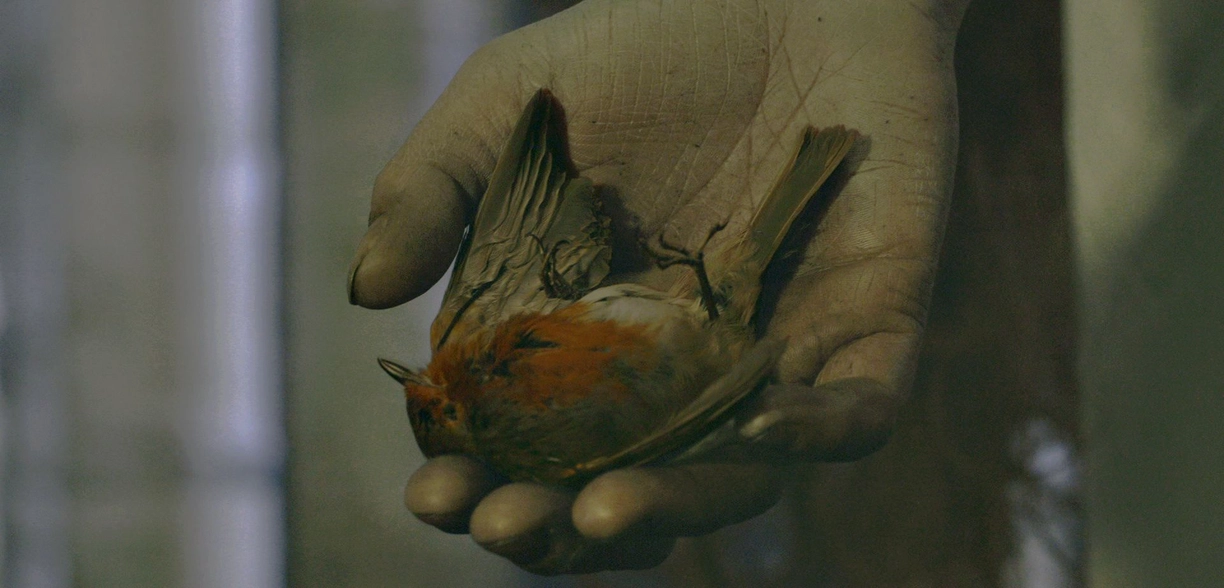
A hybrid ghost story and historical documentary, the film follows the spectral return of a Roma woman buried alive in WWII Poland. She narrates atrocities committed against the Roma people, connecting the past to present-day hate crimes. The doc’s blend of testimony, reenactment, and political commentary creates a haunting experience that’s both poetic and politically urgent. Watch online on Guidedoc.
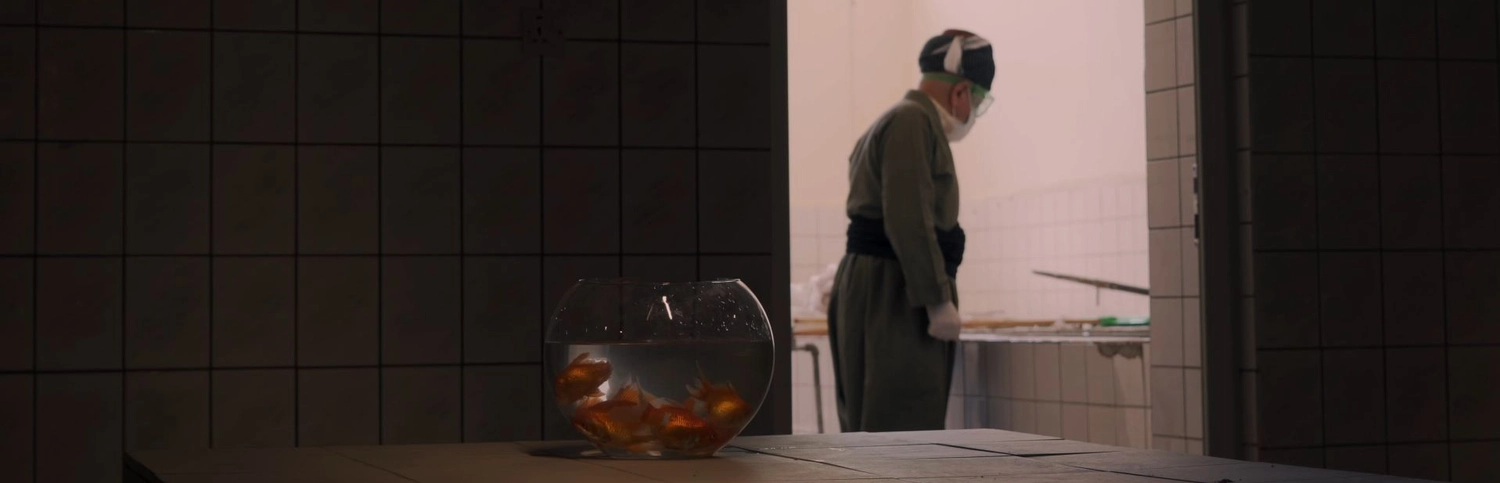
In Kurdistan, Hama has spent over a decade working with the same cadaver in an anatomy lab, forming an unorthodox bond that transcends death. This doc drifts into existential territory, unsettling viewers not with jump scares but with intimacy and mortality—a meditation on the fragile line between science and obsession.
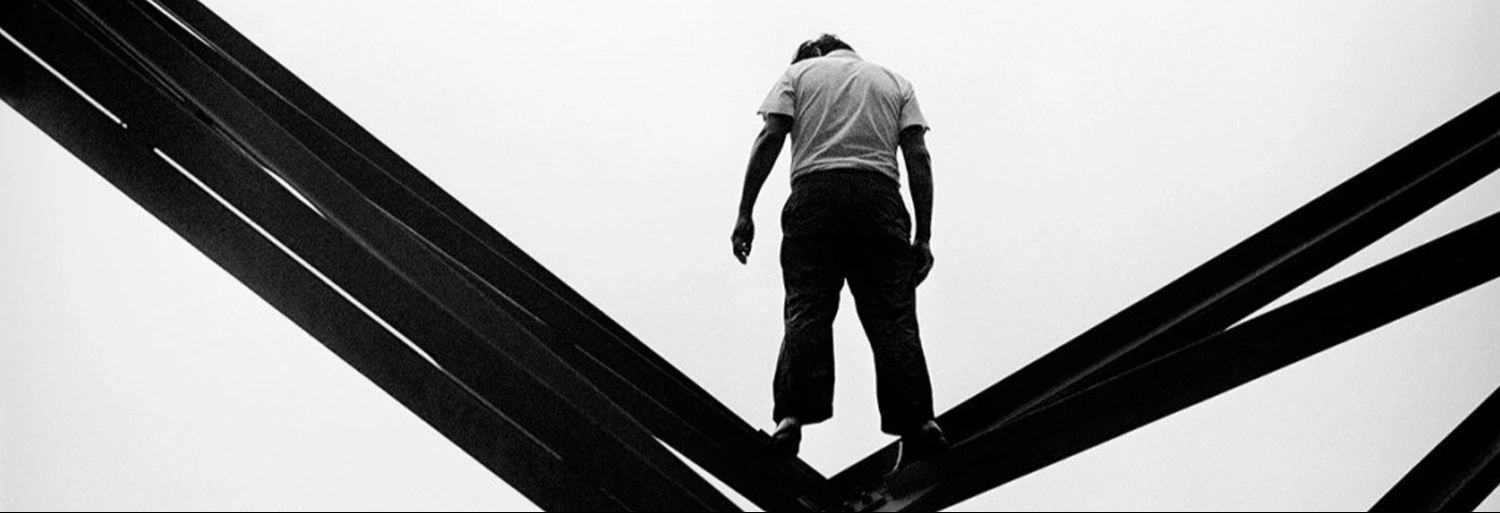
Photographer Enrique Metinides documented the aftermath of death in Mexico City for decades, blurring the line between news and morbid fascination. The film is a macabre love letter to the pull of disaster imagery and the toll it takes on those who capture it. Essential viewing for anyone interested in the psychology of horror photography.
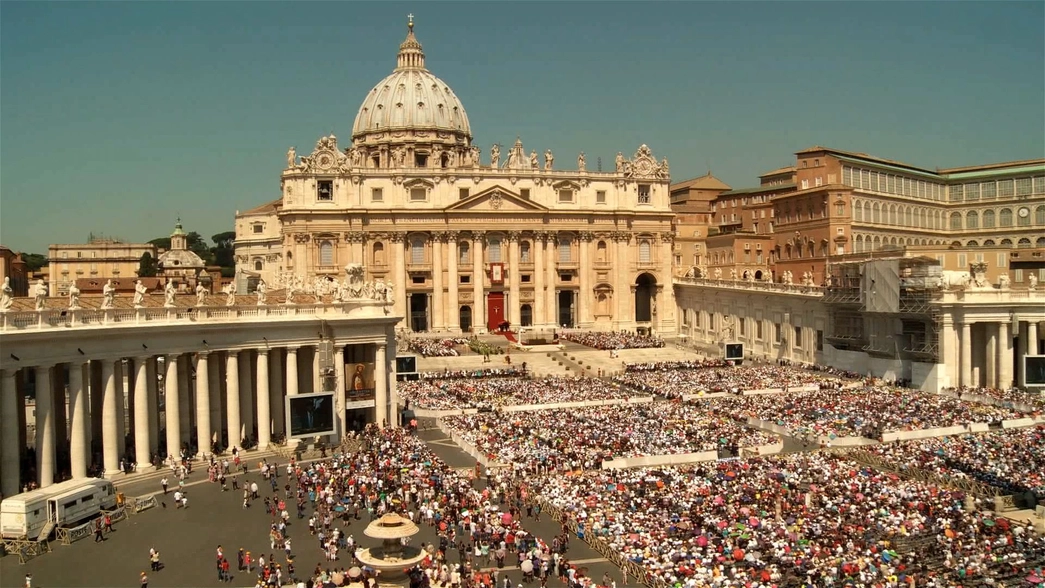
This biographical docudrama dives into the life of Father Gabriele Amorth, the Vatican’s most famous exorcist. Through archival footage, interviews, and re-enactments, it examines the psychological, cultural, and institutional dimensions of battling “evil.” A suspenseful film that questions where faith ends and theater begins.
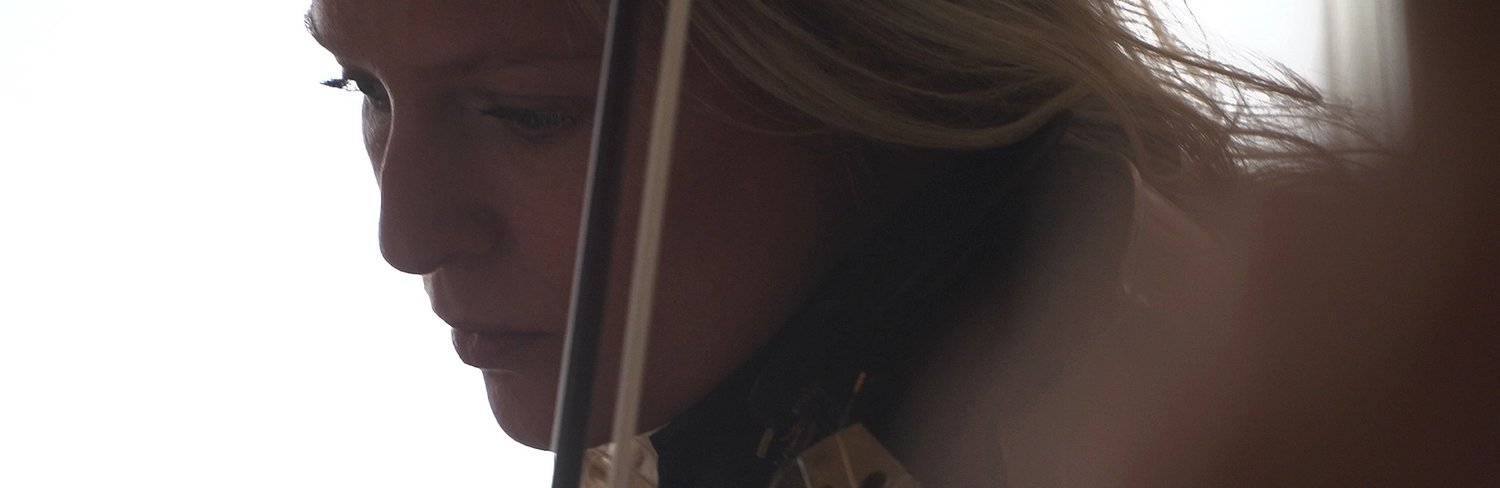
Set entirely inside a Canadian police interrogation room, this doc uses only security camera footage to chronicle ten tense hours between Detective Jim Smith and a military colonel suspected of murder. The real-time unraveling is as gripping as any scripted crime thriller. Proof that minimalism can produce maximum dread.
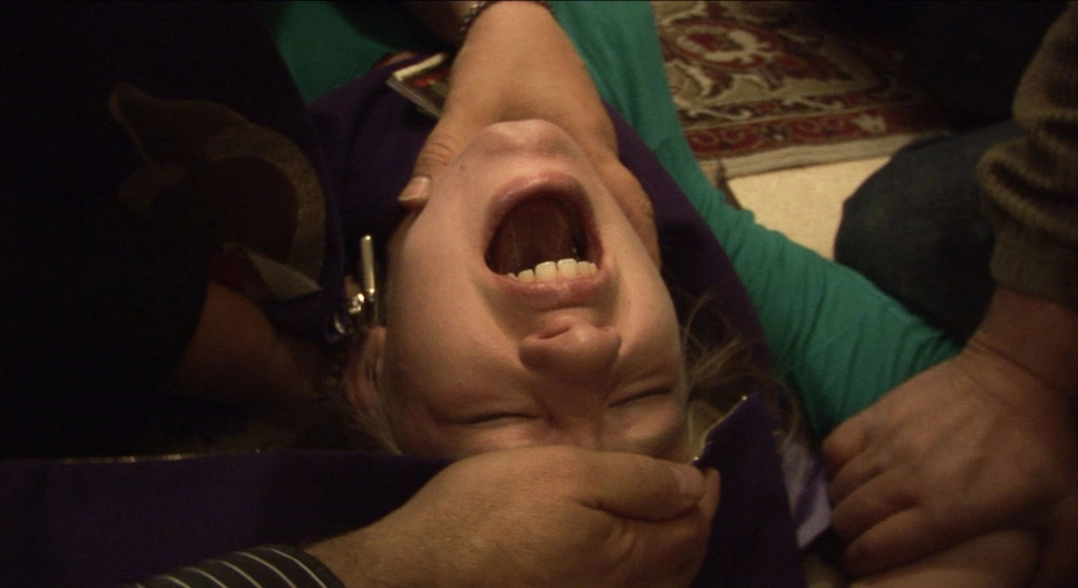
Every year in modern Poland, thousands undergo exorcisms that look like relics from the Middle Ages. This documentary blends personal stories with expert analysis, showing how religious belief fuels a ritualistic war against perceived evil. Suspense comes from realizing how quickly collective fear can be organized into action.
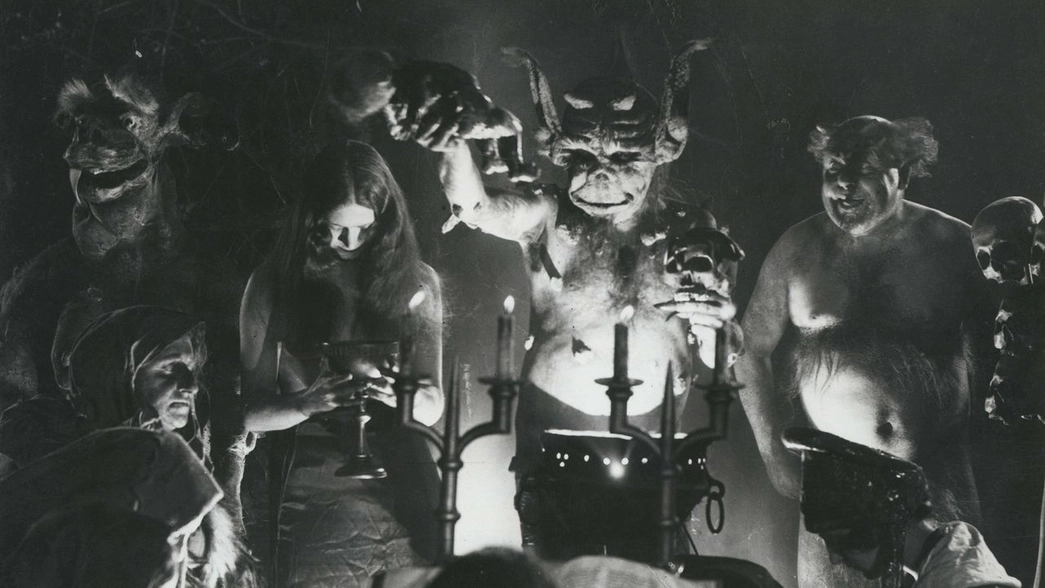
This restored classic traces the evolution of witchcraft from pagan rituals to mass hysteria in Eastern Europe. With historical reenactments and eerie visual sequences, it’s as much a horror movie as it is a doc. A reminder that superstition and fear have rewritten history time and again.
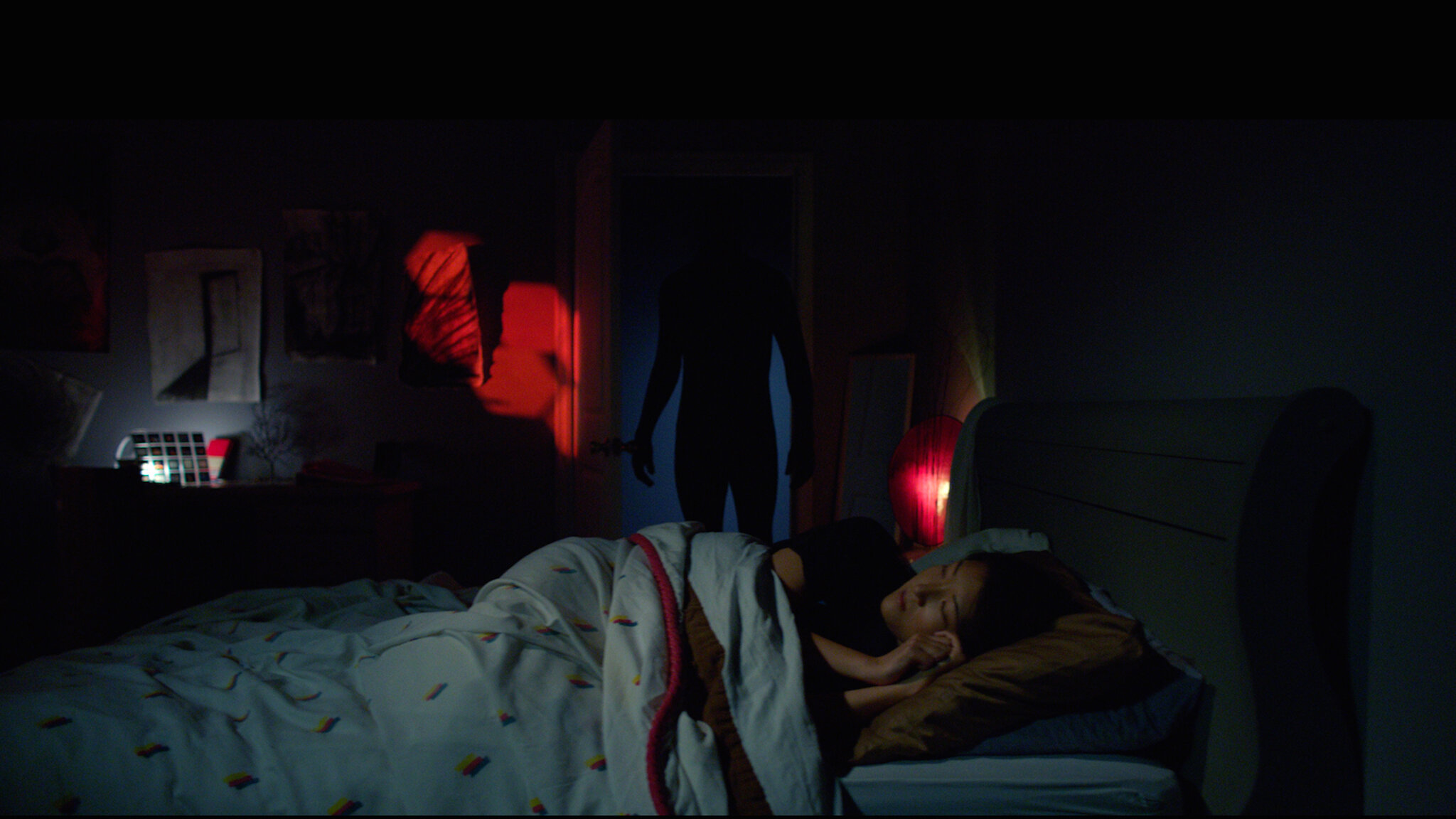
A hallucinatory exploration of sleep paralysis, this documentary stages unnerving recreations of the shadow figures and crushing sensations that victims report. Ascher uses horror-film aesthetics to depict an experience that blurs the waking and dream worlds. Watch it late at your own risk.
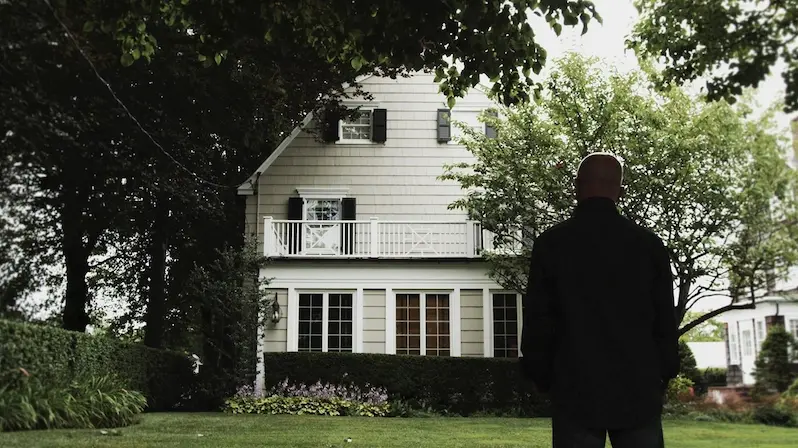
Daniel Lutz, a former resident of the infamous Amityville house, recounts his childhood in what he claims was a haunted home. Whether or not you believe in the supernatural, the film’s portrait of trauma is undeniable. Suspense comes from the tension between memory and myth.
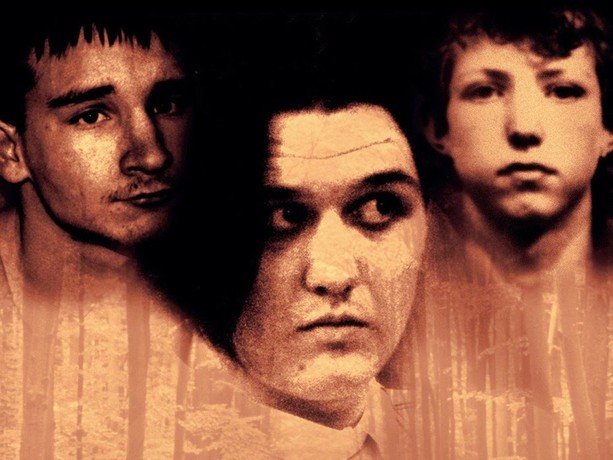
This groundbreaking true crime docuseries investigates the case of the West Memphis Three, teenagers accused of satanic ritual murders. The film dissects the trial, media frenzy, and public hysteria, ultimately revealing more about collective paranoia than the crime itself. It paved the way for modern investigative docuseries on platforms like Netflix and YouTube.
The enduring power of these films lies in their duality — they entertain while also documenting, preserving, and interrogating. They work as both a movie and evidence. In the streaming age, the ability to watch online has expanded its reach, allowing niche horror documentaries to sit alongside mainstream thrillers on Netflix or in the recommended videos on YouTube.
Guidedoc’s curation ensures that when you search for where to watch a horror or suspense doc, you’re not just getting cheap scares — you’re getting stories crafted with purpose, artistry, and ethical care. From historical witch hunts to modern-day exorcisms, from ghost stories to interrogation rooms, the platform offers a global tour of fear in its most authentic forms.
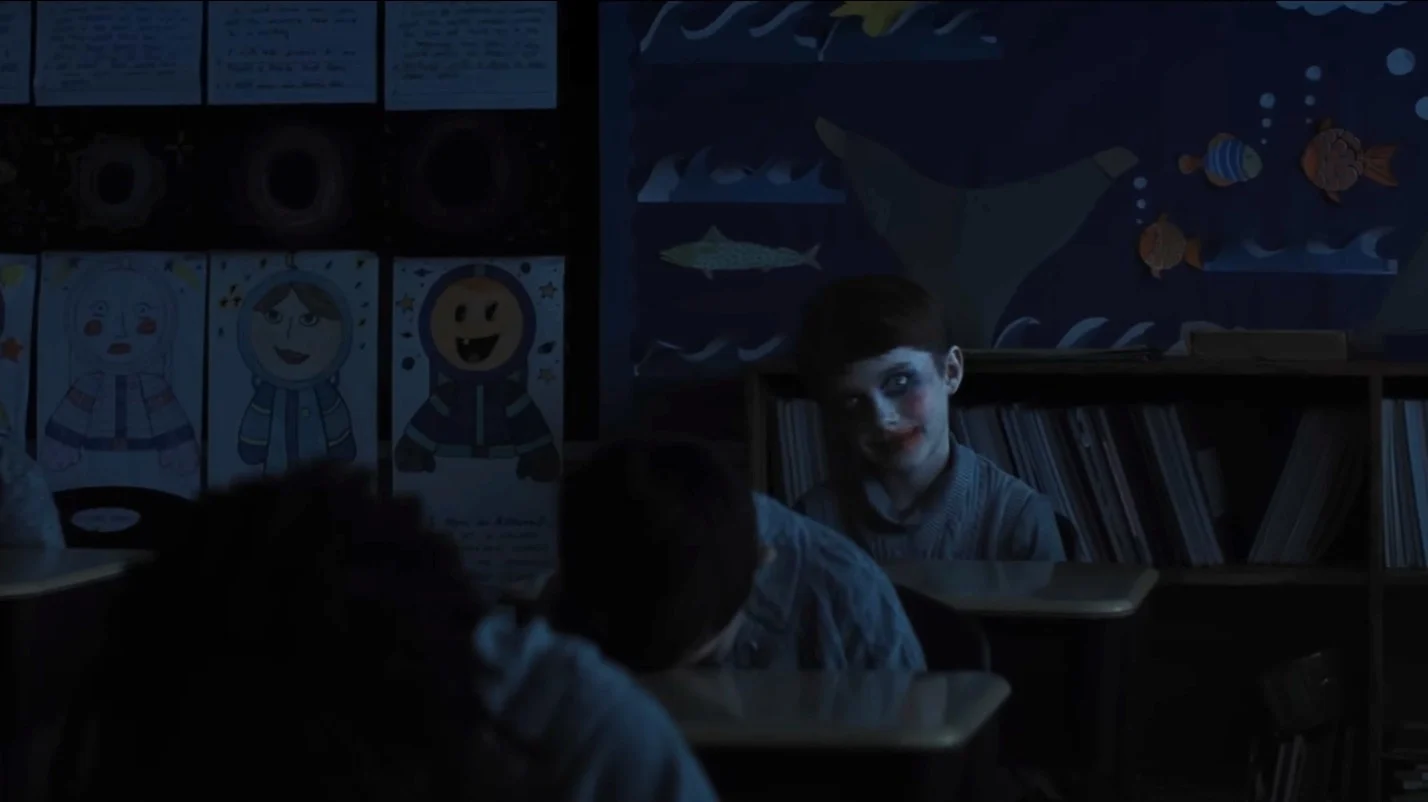
Though not a documentary, Weapons, directed by Zach Cregger, is a must-watch for horror-doc fans craving cinematic dread in the present moment. The story unfolds in a small town rattled by the mysterious disappearance of 17 children at exactly 2:17 a.m., with only one survivor, Alex Lilly.
The mystery is told through multiple intertwined perspectives — a traumatized teacher, a grieving father, a conflicted cop, and a school director — creating a layered narrative that mirrors the multi-vantage storytelling often found in investigative documentaries.
What makes Weapons relevant here is its thematic overlap with horror documentaries: the exploration of communal trauma, the haunting presence of missing children, and the unsettling possibility of supernatural influence. It demonstrates how the tension and emotional depth of docu-style suspense can bleed into fiction, offering a hybrid thrill for viewers who enjoy comparing docudrama realism with theatrical spectacle.
Cregger has described the project as “incredibly personal… autobiographical in many ways,” drawing from his own experience with grief. One of the film’s most haunting moments depicts the children vanishing with their arms eerily outstretched — a visual so disturbing that Brolin deliberately avoided learning its full meaning during production to preserve its mystery. Reviewers have highlighted the film’s dark fairy-tale sensibility and genre-bending ambition, with some even comparing its ensemble structure to Magnolia. The result is a horror movie that feels as unnerving and emotionally complex as the best nonfiction thrillers.
Whether you’re a die-hard horror fan or a documentary purist, these titles show that nonfiction can make your heart race without resorting to fiction’s safety net. And in a world where truth is often stranger — and scarier — than fiction, that’s exactly the kind of thrill worth seeking.
Watch more great documentaries on Guidedoc

2280 films
And a new one every day

The preferred platform
of true documentary lovers
Half of all revenue goes
directly to the filmmakers