Documentaries have a unique power to capture reality, ignite debate, and challenge the status quo. When a doc, docu, or docuseries manages to upset the powers that be, it often finds itself tangled in the web of censorship or controversy.
These films push boundaries, question authority, and reveal truths that are sometimes too raw for mainstream consumption. The history of documentaries is peppered with examples of such films that faced the wrath of censorship or became the center of heated debates. Let's dive into the world of ten such documentaries, exploring what made them so controversial and why they were censored.
Documentaries have always been more than just movies or videos; they are windows into worlds that might otherwise remain unseen. From shedding light on social injustices to questioning political narratives, documentaries serve as a mirror reflecting the often harsh realities of life. But not all reflections are welcomed.
When a documentary film dares to challenge powerful institutions or confront deep-seated cultural beliefs, it risks being silenced. Censorship in documentary filmmaking is not just about cutting scenes; it's about controlling narratives, shaping public perception, and, ultimately, suppressing truth. In a world where information is power, controlling a documentary's narrative can mean controlling history.
Censorship and controversy surrounding documentaries aren't just isolated incidents; they have a ripple effect on society. When a doc is censored, it's not just the filmmaker's voice that's silenced; it's the stories of the people within the film that are erased.
Controversial documentaries, on the other hand, stir public discourse, forcing society to confront uncomfortable truths. They challenge viewers to think critically about the information they consume and the forces that shape that information. In an age where "Watch Online" is the norm, and platforms like Guidedoc, Netflix, and YouTube have broadened access to documentary films, understanding the history and impact of censorship is more important than ever.
Titicut Follies
The Thin Blue Line
Super Size Me
Bowling for Columbine
Jesus Camp
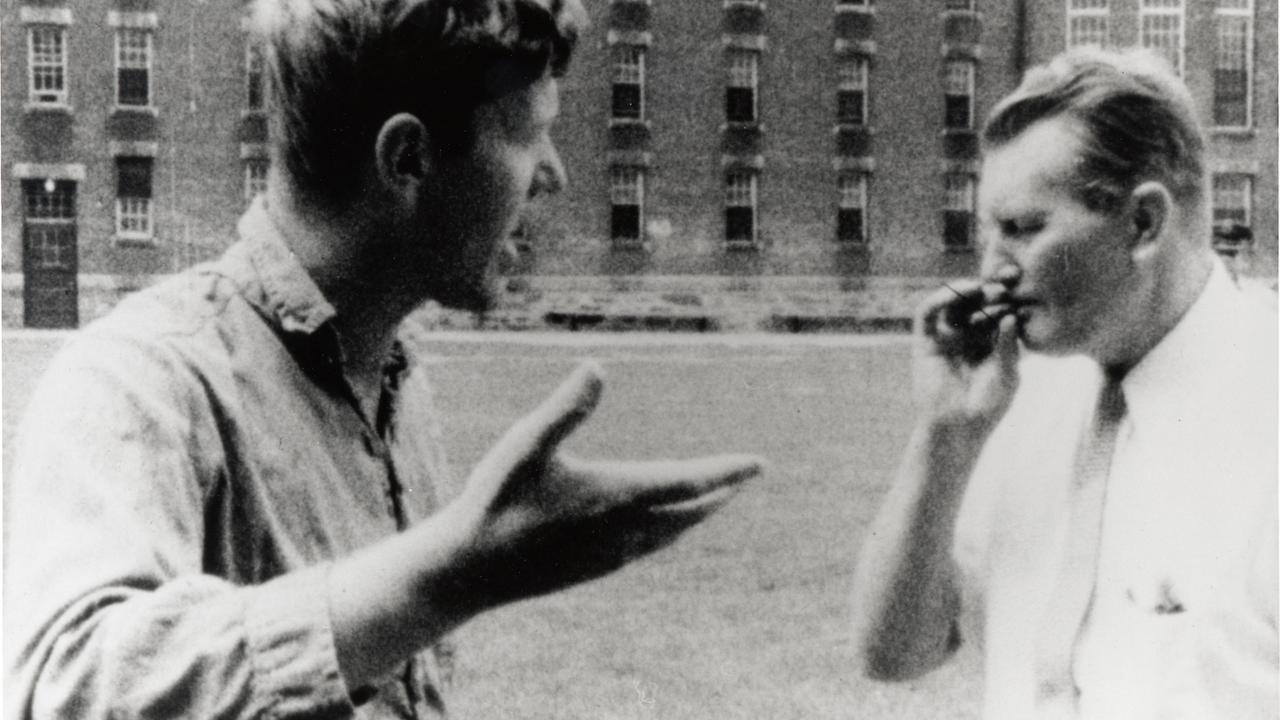
This harrowing documentary portrays the conditions inside the Bridgewater State Hospital for the Criminally Insane in Massachusetts. The documentary exposes the inhumane treatment of patients, including forced feeding, humiliation, and abuse.
The film was banned for over two decades, with the state claiming it violated the privacy of the inmates. It wasn't until 1991 that the film was allowed to be shown to the public, by which time it had become a symbol of censorship in documentary filmmaking.
The documentary was deemed too disturbing and was banned on the grounds of violating patients' privacy, even though Wiseman had obtained consent. The real reason, many argue, was the film's damning portrayal of the state institution.
This gripping documentary is credited with helping to overturn the wrongful conviction of Randall Dale Adams, who was sentenced to death for a murder he did not commit. The documentary meticulously deconstructs the evidence and testimony that led to Adams's conviction.
The film was controversial because it directly challenged the integrity of the justice system, leading to renewed scrutiny of the case and ultimately Adams's release. The documentary was seen as an attack on law enforcement and the legal system, sparking debates about the role of documentaries in influencing public opinion and judicial outcomes.
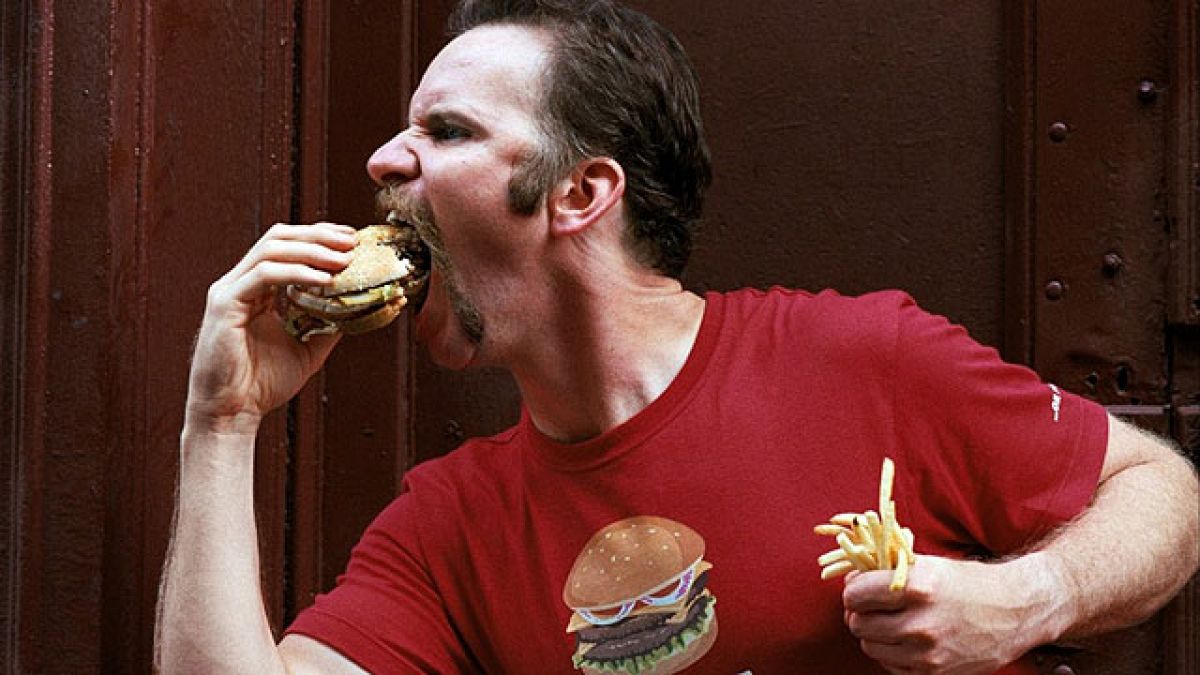
This action-packed documentary took on the fast-food industry by documenting his month-long experiment of eating only McDonald's food. The film highlighted the health risks associated with fast food, leading to widespread criticism of the industry.
McDonald's responded by phasing out the "super size" option and introducing healthier menu items. The film faced legal threats from the fast-food giant, though no lawsuits were ultimately filed. The documentary sparked a national conversation about obesity and corporate responsibility, with critics accusing Spurlock of exaggerating his findings.
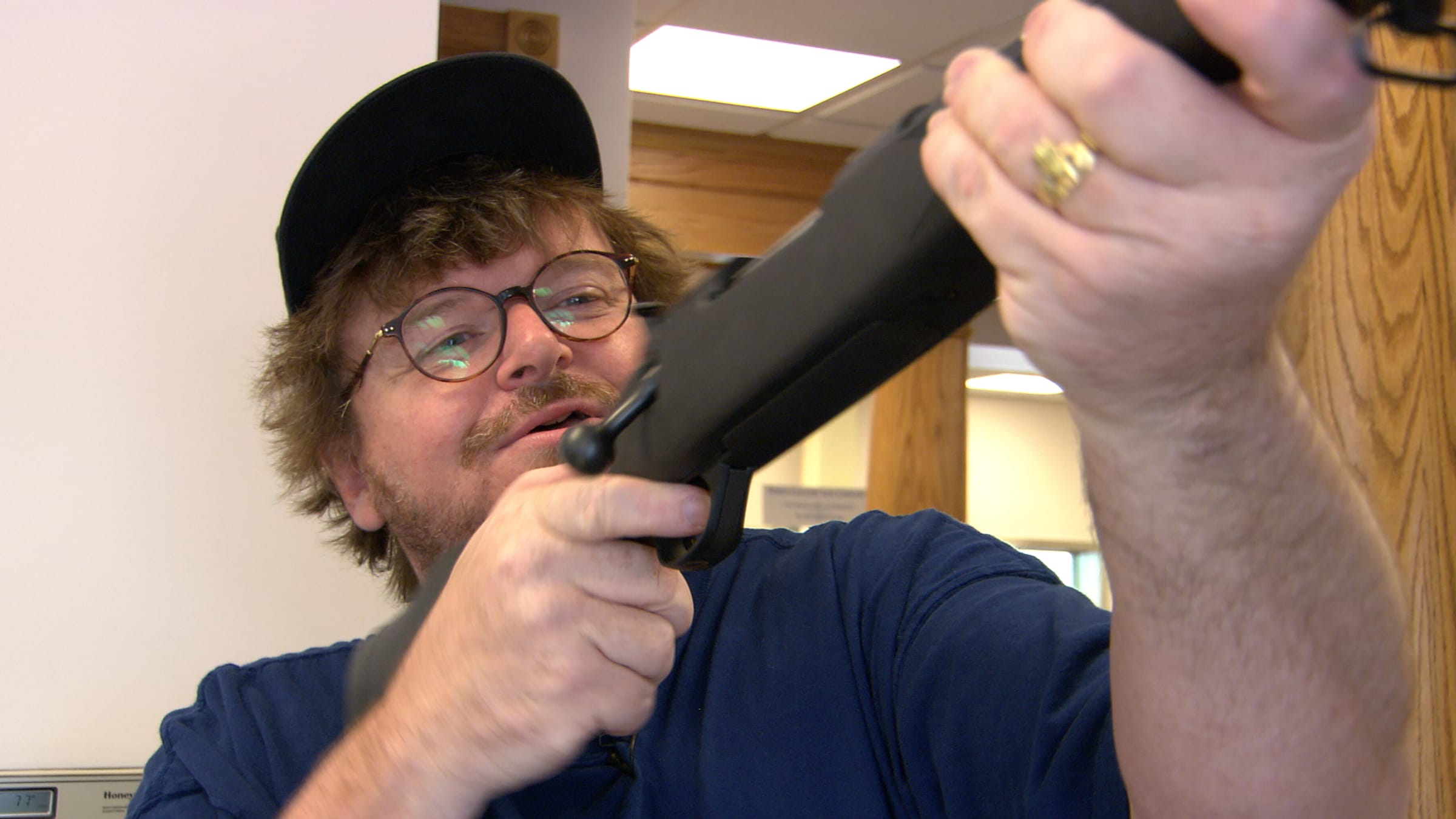
This bold documentary examines gun violence in America, focusing on the Columbine High School massacre. The documentary explores the culture of fear and the role of the media in perpetuating violence. The film was both praised and criticized for its provocative style and its willingness to tackle a deeply divisive issue in American society.
The film faced backlash from pro-gun groups and was accused of being anti-American, with some arguing it unfairly targeted the NRA and gun owners.
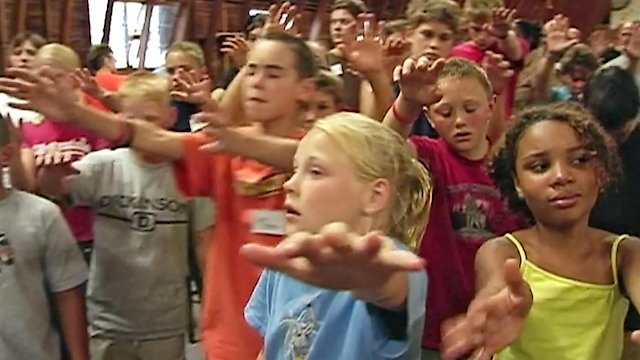
This captivating documentary explores the world of a Pentecostal summer camp where children are taught to become soldiers in "God's army." The documentary offers a stark look at the indoctrination of children into a radical form of evangelical Christianity.
The film was controversial for its portrayal of religious extremism in America, leading to debates about the influence of religion on young minds. The camp depicted in the film was eventually closed due to the negative publicity generated by the documentary. The documentary was accused of being biased against evangelical Christianity, with some claiming it unfairly depicted the religion as extremist.
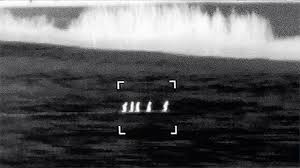
A group of determined men and women stand at the fringes of Europe, where the hopes for a better future collide with the harsh realities of the European Union's strict policies. Armed only with their dreams and an unyielding spirit, they face an invisible yet powerful force that seeks to dictate their destinies.
This documentary delves deep into their personal battles, capturing the silent yet pervasive violence they endure. Through intimate close-ups and vivid storytelling, it paints a poignant and humanizing portrait of those who fight against the odds, revealing the stark contrast between their vibrant hopes and the oppressive challenges they encounter.
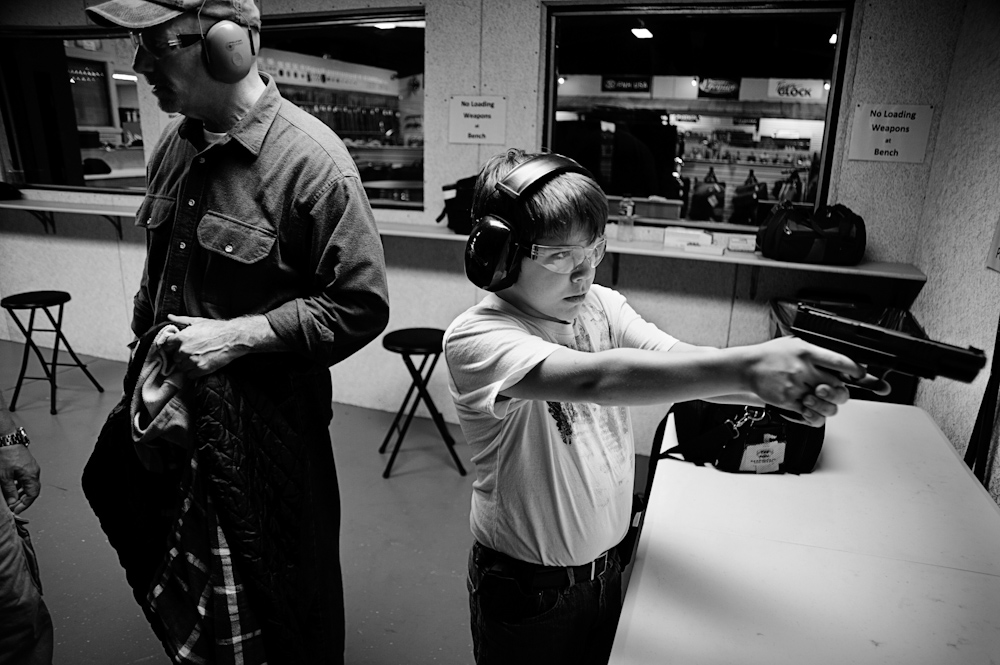
In the seemingly quiet town of Kennesaw, Georgia, being a good citizen is synonymous with being an armed citizen. Since 1982, a unique law has required every head of household to own a functioning firearm with ammunition, making gun ownership not just a right but a civic duty.
This captivating documentary delves into the fabric of this small American community, exploring the implications of such a mandate. Through the lens of its residents, the film examines the daily realities, the diverse perspectives, and the cultural significance of a town where the line between safety and obligation is defined by the presence of a gun.
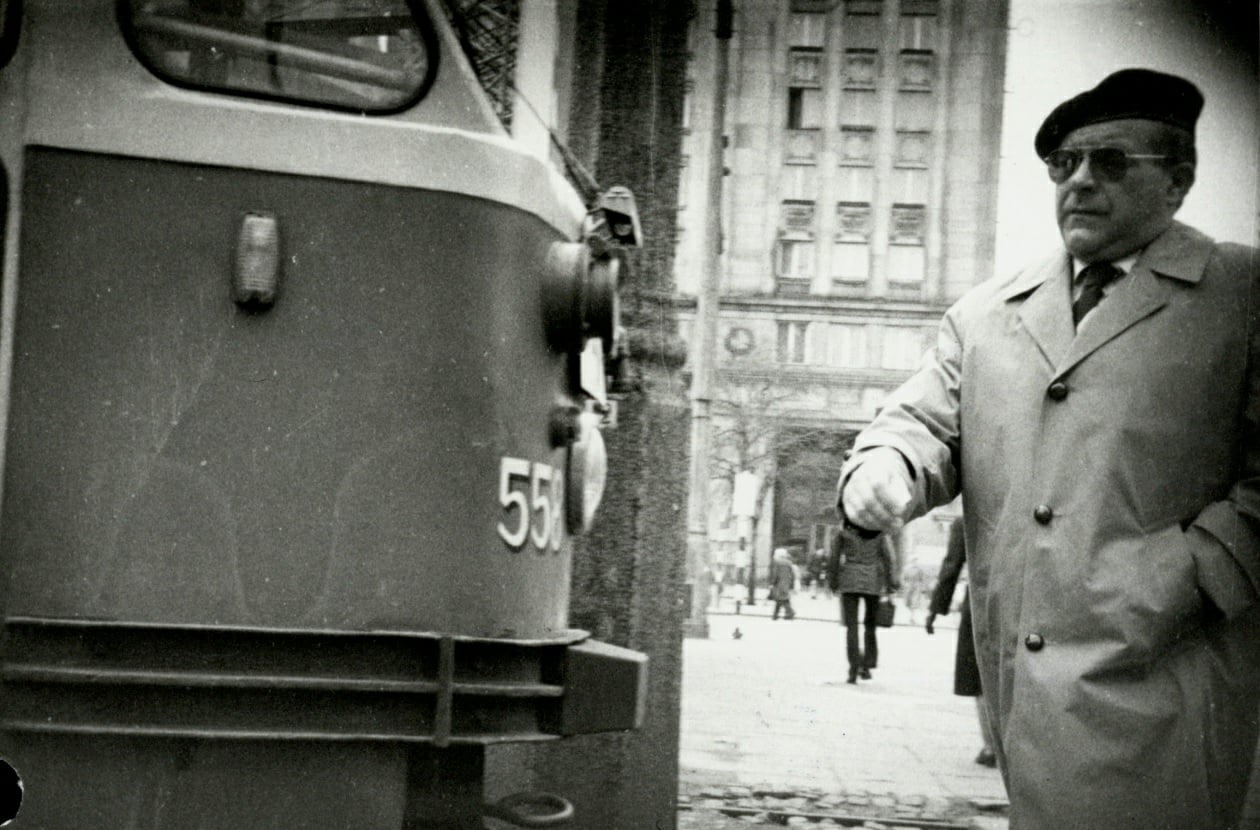
This chilling documentary unearths the grim reality of life under communist rule in Poland, as seen through a trove of covert materials. The film stitches together secret conversations, hidden camera footage, disturbing records of interrogations, and clandestine recruitment attempts, offering a grotesque yet compelling view of a society under constant surveillance.
As the documentary unfolds, it immerses the viewer in a dystopian world where Big Brother not only watches but intrudes into the most private aspects of life. The tension escalates with each scene, culminating in a haunting depiction of a communist state that meticulously spies on and records its citizens.
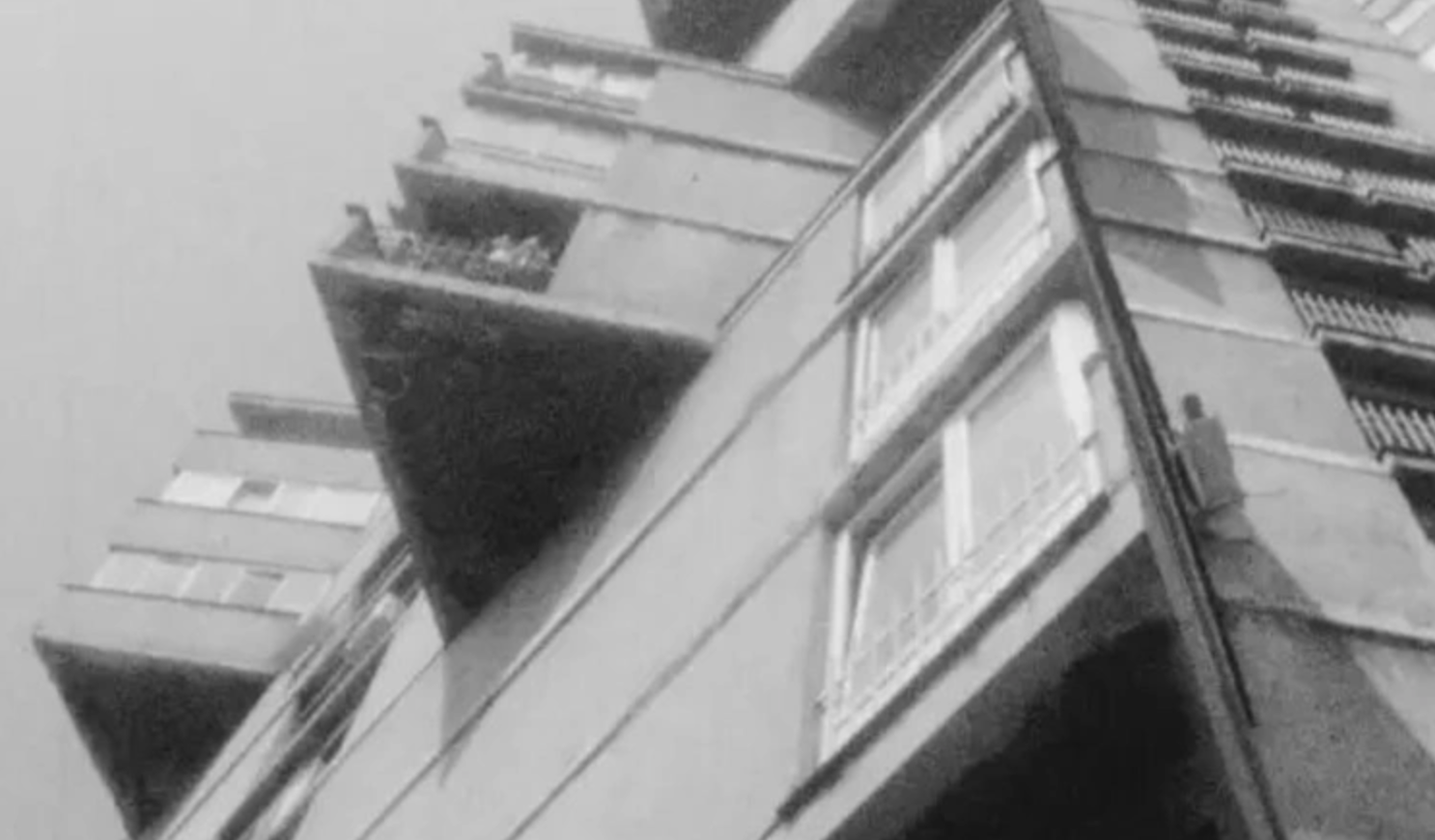
Embarking on a global journey across seven countries, this thought-provoking documentary traces the echoes of 20th-century revolutions, guided by the poignant words of Rosa Luxemburg’s final text, written on the eve of her assassination in 1919.
The film weaves through the landscapes and legacies of past uprisings, connecting the dots between diverse global movements. It reflects on the enduring spirit of revolutionaries and the shared quest for change that transcends borders.
By intertwining Luxemburg’s narrative with the stories of these revolutions, the documentary offers a profound exploration of political upheaval, resistance, and the timeless struggle for a better world.
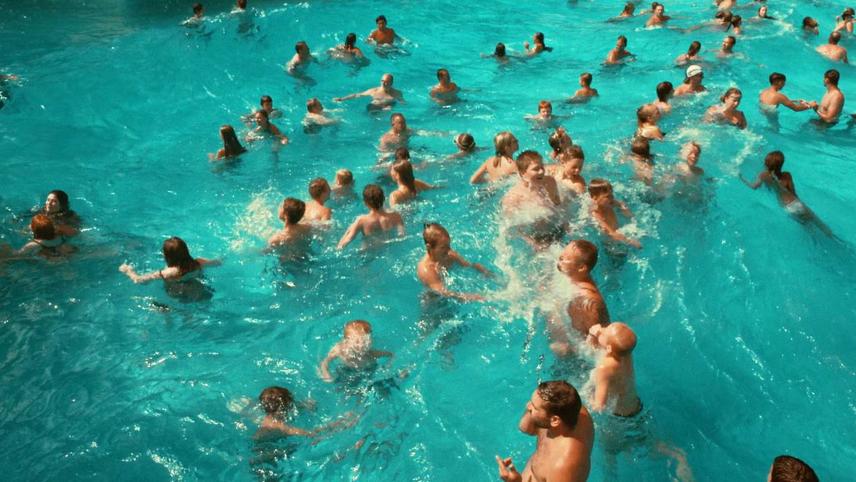
Our understanding of Iran is often limited by the media's portrayal, but filmmaker Mohammad Farokhmanesh, an Iranian by birth and a resident of Hamburg offers a more nuanced perspective. In this insightful documentary, he returns to Tehran to explore the complexities of a modern Muslim society, caught between the weight of prejudice and the search for personal identity.
The film features candid interviews with locals who openly discuss their challenges, aspirations, and visions for the future. Through their stories, the documentary paints a vivid and humanizing picture of a society in flux, where tradition and modernity clash, yet coexist in the daily lives of its people.
Documentaries have always been at the forefront of challenging societal norms and confronting uncomfortable truths. The history of censored and controversial documentaries is a testament to the power of this medium to provoke, educate, and inspire change.
Whether it's a doc, docudrama, or docuseries, these films remind us that the truth often comes at a price. As viewers, we must remain vigilant, supporting filmmakers who dare to question authority and ensuring that these vital stories continue to be told.
Watch more great documentaries on Guidedoc

1337 films
And a new one every day

The preferred platform
of true documentary lovers
Half of all revenue goes
directly to the filmmakers