What defines a documentary? Is it simply the recording of real events, or does it involve shaping those events into something larger than life? The answer, as with all things cinematic, depends on whom you ask. Documentary filmmaking has always occupied a curious space between art and journalism, fact and interpretation. And much like any artistic form, its evolution has been guided by schools of thought—clusters of aesthetic philosophy, regional culture, and historical urgency that have influenced generations of filmmakers. These "documentary schools" are not institutions with classrooms and syllabi, but living traditions that stretch across continents and decades.
Understanding these schools gives us a deeper appreciation for the craft of nonfiction filmmaking. It shows us how different historical moments, social movements, and technological advancements have shaped how filmmakers capture, question, and reframe reality. From the observational rigor of Direct Cinema to the expressive intimacy of personal documentaries, each school reflects a different response to the same fundamental challenge: how do you portray truth on screen?
Guidedoc is proud to host a global array of documentaries that embody these schools and celebrate their enduring legacy. Let’s explore some of the major documentary schools and traditions that have defined the genre and highlight exemplary works that showcase their power.
Emerging in France during the 1960s, Cinéma Vérité ("truthful cinema") rejected scripted narration and posed interviews in favor of spontaneous, improvisational interaction between filmmaker and subject. Inspired by anthropology, radical politics, and technological advances in portable sound equipment, vérité films embraced discomfort and contradiction. Filmmakers like Jean Rouch saw themselves as participants, not passive observers, believing that the camera itself influenced behavior, and that influence could be revelatory.
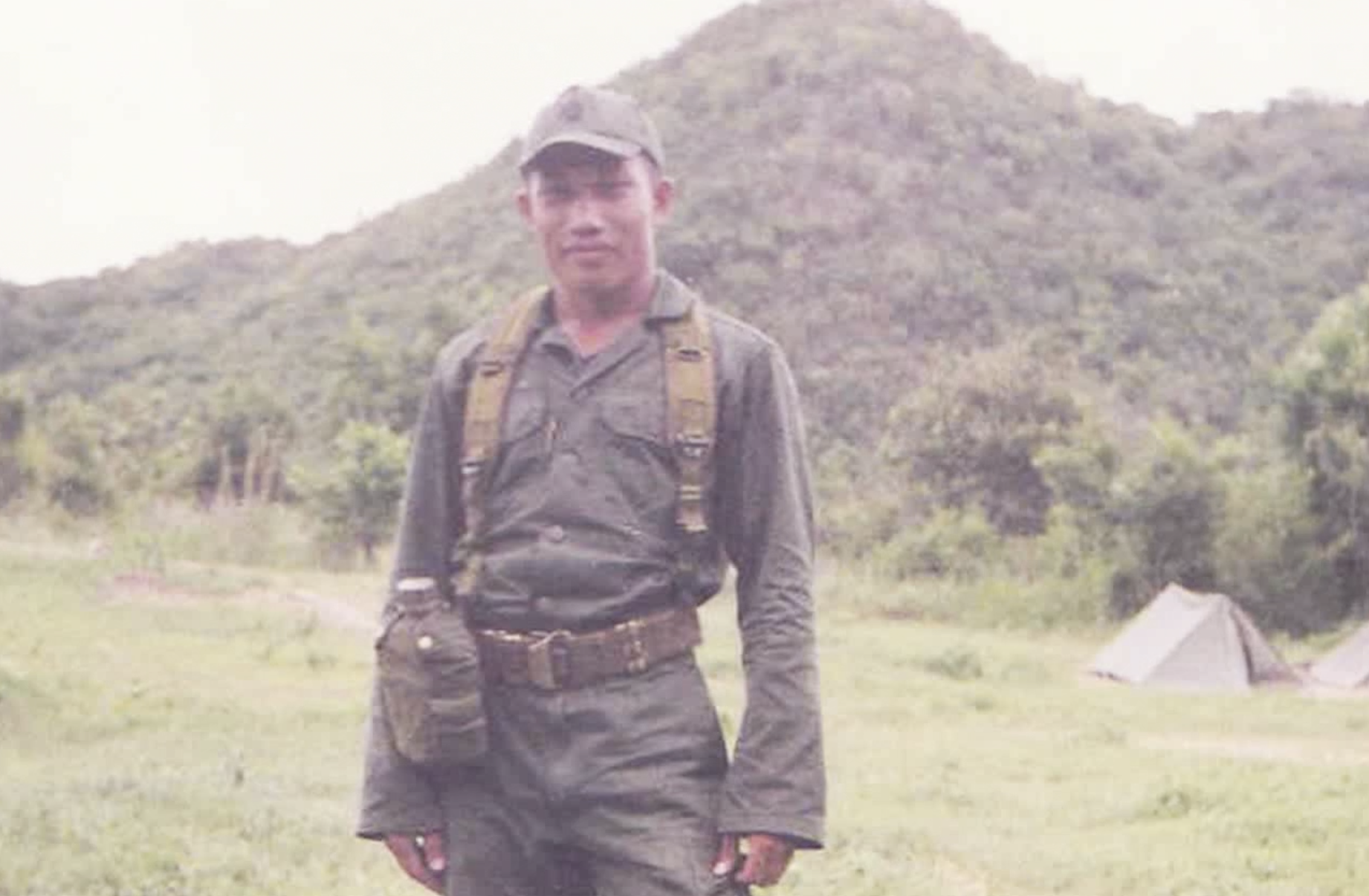
In Thailand’s military draft lottery, two transgender women face an unpredictable rite of passage. The filmmakers adopt a discreet, observational approach, capturing the tension, hope, and identity struggles without heavy commentary. The result is a portrait of resilience told through quiet glances, trembling hands, and spontaneous real-life drama.
Founded in the 1930s by John Grierson, the British Documentary Movement sought to transform film into a vehicle for public service. Grierson coined the now-famous phrase "the creative treatment of actuality," advocating for socially conscious films that could both inform and inspire. These state-supported documentaries often tackled issues like housing, labor, and public health, laying the groundwork for the documentary’s role in civic education.
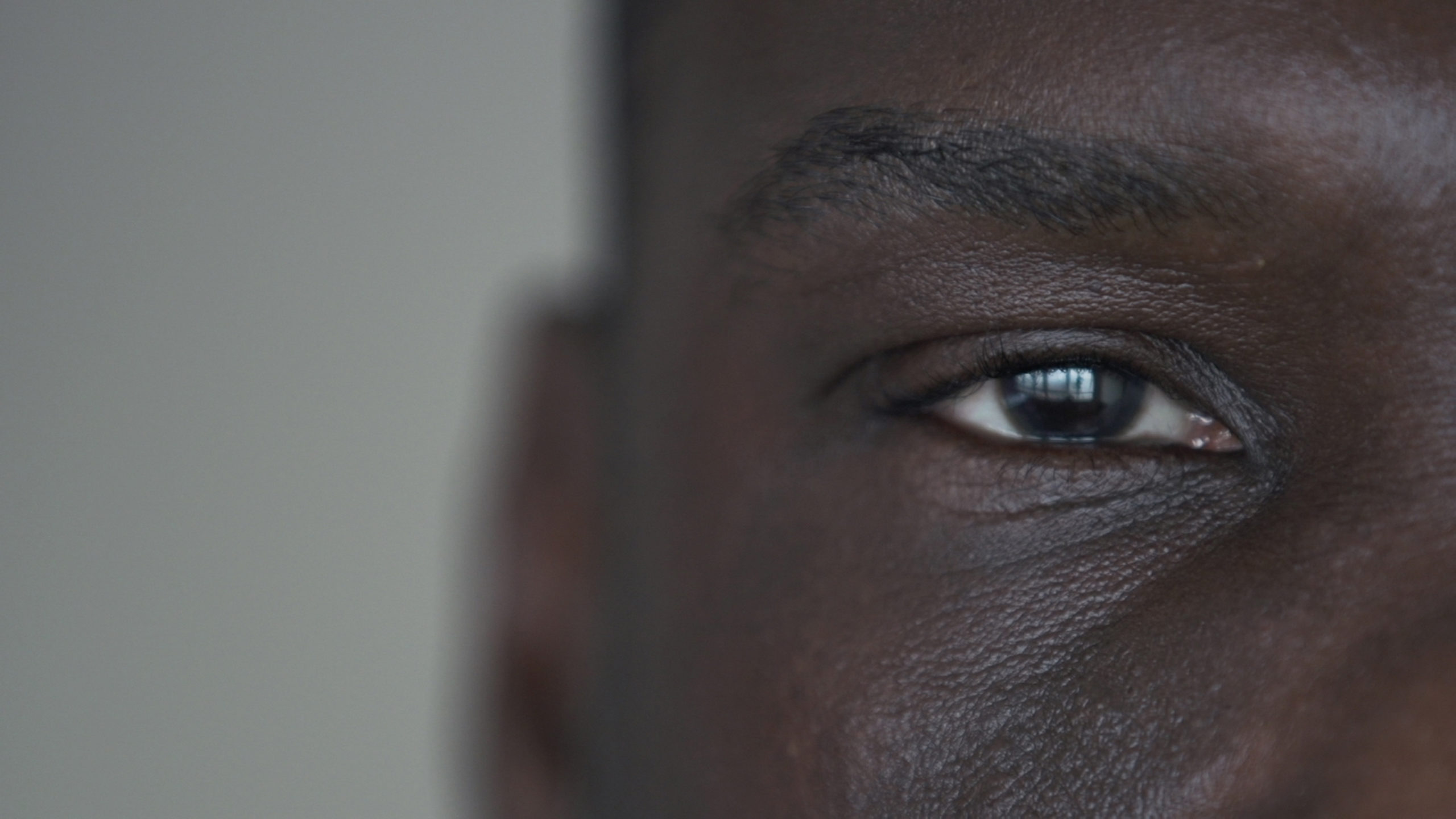
In the harsh East End of London in the 1970s, young Wayne Paul grew up amidst violence, addiction, and despair. Beaten and silenced by a brutal father, his voice was nearly lost—until music lit the way. Now a singer with a voice shaped by every scar, Paul revisits the streets, prisons, and addictions that nearly consumed him. The film is a raw, soulful journey through memory and survival, asking whether the human spirit alone can outshine the darkest past.
Ethnographic documentaries emerged from the field of anthropology, aiming to document cultures, rituals, and traditions—often those of indigenous peoples or marginalized communities. While early ethnographic films have been criticized for their colonial gaze and exoticism, the tradition has evolved into a more collaborative and reflexive practice.
This iconic film, often credited as the first feature-length documentary, follows the daily life of an Inuit man. While many scenes were staged, the film remains a landmark in ethnographic storytelling and continues to spark discussion about authenticity and representation.
In the United States and Canada, Direct Cinema developed alongside Cinéma Vérité but took a different stance: minimal interaction, maximum observation. Directors like the Maysles brothers, Frederick Wiseman, and D.A. Pennebaker strove to be "invisible" chroniclers, capturing events as they happened and letting viewers interpret the meaning for themselves.
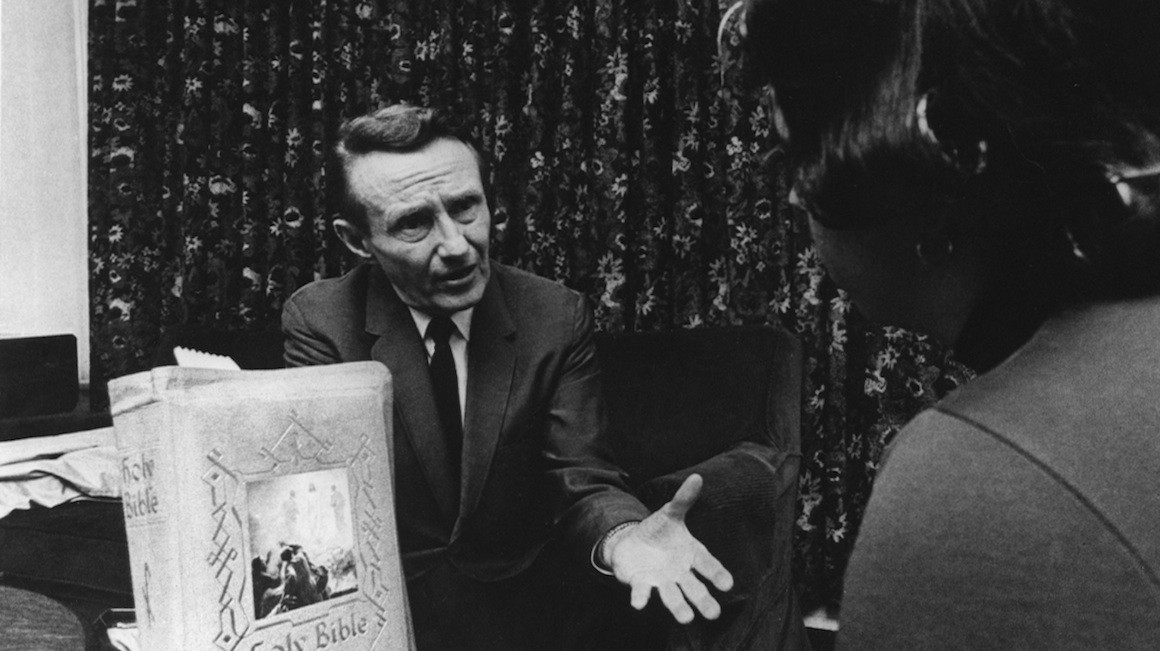
This fly-on-the-wall portrait of Bible salesmen traveling across America offers a subtle, powerful meditation on capitalism, masculinity, and the performance of persuasion.
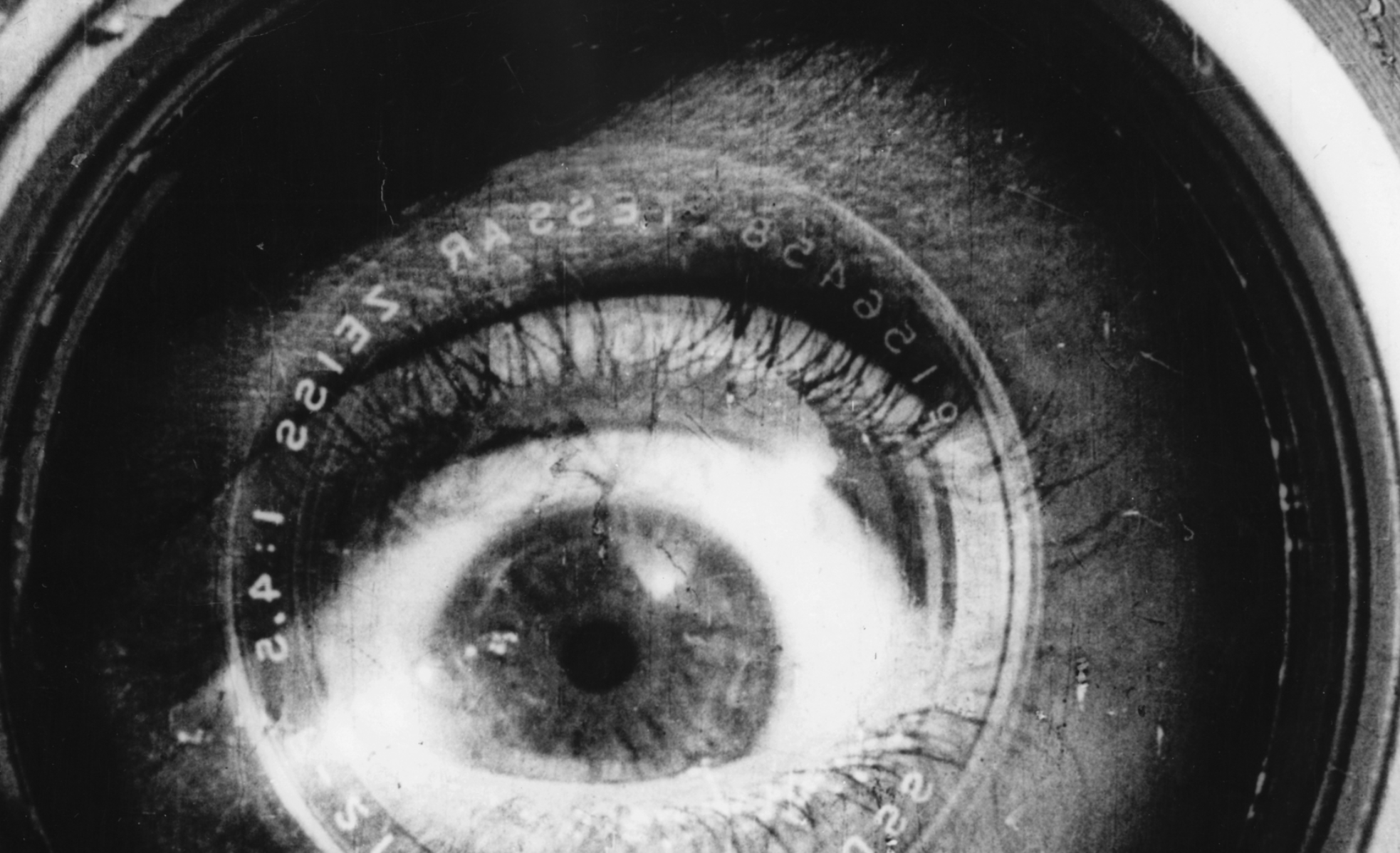
In early 20th-century Soviet Russia, documentary was inseparable from ideology. Pioneers like Dziga Vertov and Sergei Eisenstein embraced montage—the rapid cutting and juxtaposition of images—as a way to stir emotion and political thought. Vertov’s concept of the "kino-eye" proposed that the camera could uncover truths invisible to the naked eye.
A frenetic collage of city life, labor, and cinema itself, this film remains one of the most influential experimental documentaries ever made. It is both a manifesto and a movie, celebrating cinema as a tool of revolution.
Starting in the 1970s, American filmmakers began turning the lens inward. The personal documentary embraced autobiography, exploring identity, trauma, family, and personal history with raw emotional honesty. These films often incorporate home videos, diaries, re-enactments, and nonlinear storytelling.
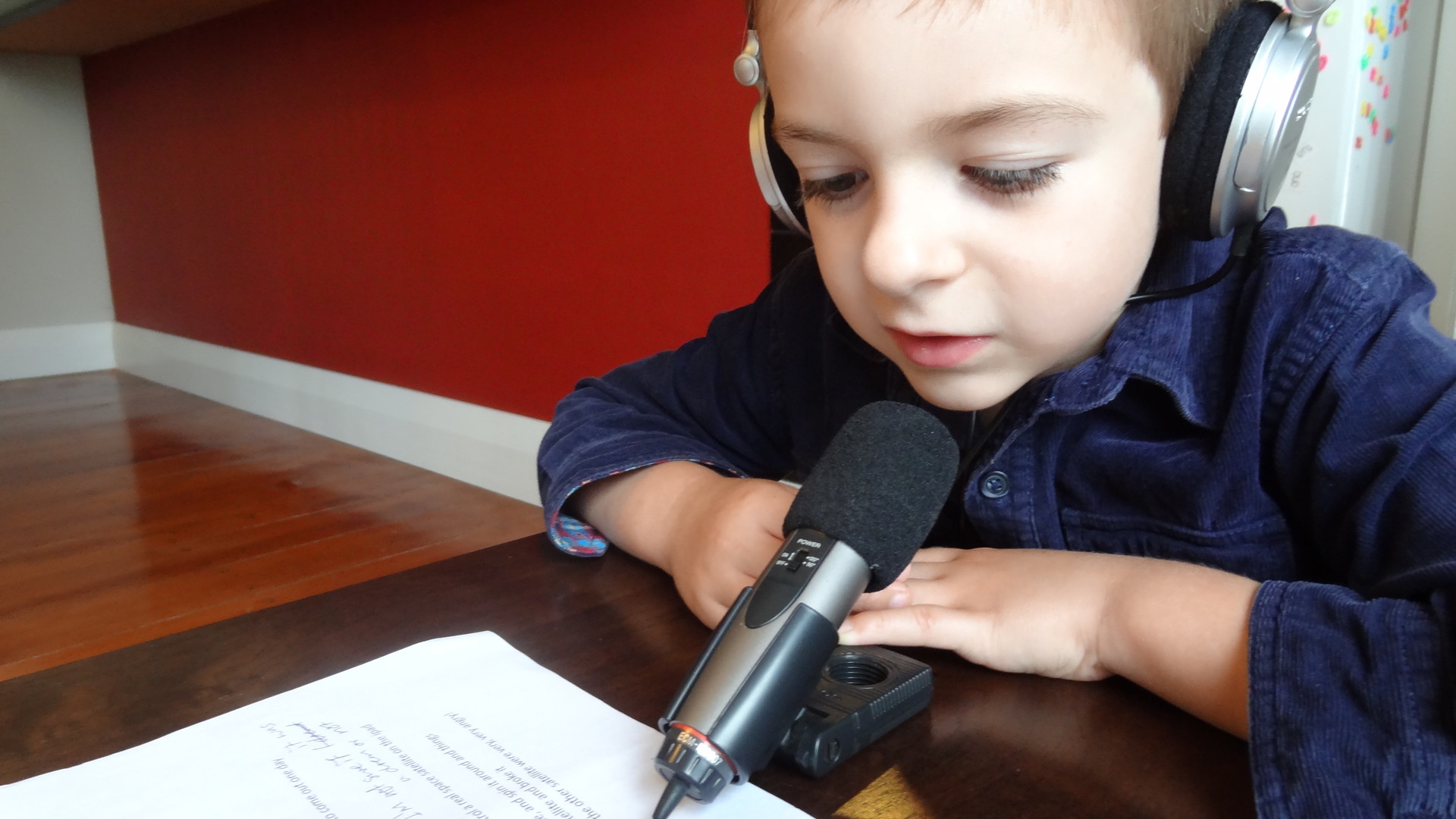
From the very first frame, little William’s lively voice guides us through his everyday world: a brother absorbed by an iPad, a grandmother wrestling with a laptop, and a grandfather peacefully reading the morning paper. Fleeting, funny, and sharply observant, this short film captures a rare child ’s-eye view of technology—and how early our lives become entangled with the devices that fill our homes.
Today’s filmmakers often pull from multiple traditions, mixing styles and media to create hybrid forms. These documentaries might incorporate animation, dramatization, or even game mechanics to challenge linear storytelling and objectivity.
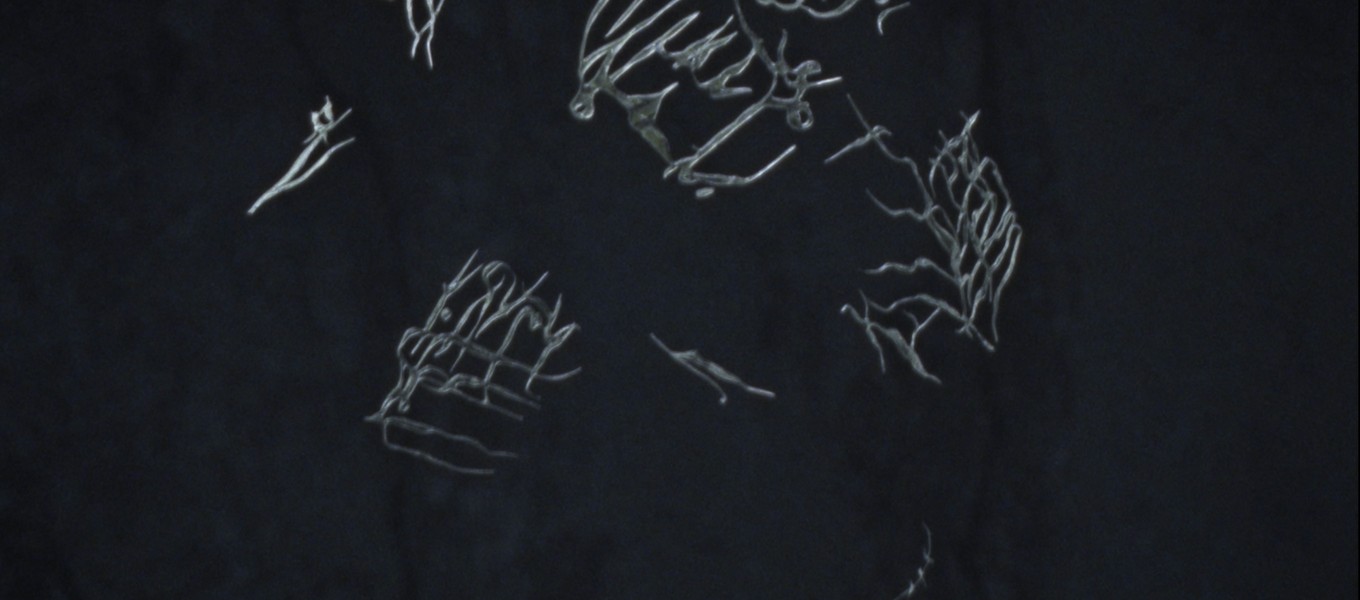
Beneath a microscope, fragments of meteorite dust unveil traces of cosmic history. As scientists Hugues Leroux and Anne-Marie Lefebvre investigate these microscopic relics, an unexpected discovery blurs the line between observation and mystery. This poetic documentary journeys through science, wonder, and the hidden stories written in the smallest particles of the universe.
Documentary schools are not confined to textbooks or film festivals. They are alive in every edit, every camera movement, every moment of silence held between questions. By understanding their histories and techniques, we can better appreciate the rich spectrum of nonfiction cinema—and the many ways it challenges us to see, feel, and act.
If you’re curious to keep exploring the fascinating world of documentaries, we invite you to read another Guidedoc article that dives deep into powerful stories and unique perspectives. There’s always more to discover. A guide to watch online animation documentary films.
Whether you’re drawn to the observational purity of Direct Cinema or the introspective lyricism of personal documentaries, there’s a school of thought that speaks your language. And chances are, you’ll find its legacy streaming right now on Guidedoc. Because every school may offer a different window, but all of them look out onto the same world, waiting to be understood.
Watch more great documentaries on Guidedoc

2186 films
And a new one every day

The preferred platform
of true documentary lovers
Half of all revenue goes
directly to the filmmakers