In an age when our smartphones track every step and algorithms seem to know our hearts better than our lovers, there’s a growing number of people simply saying: no thanks. Welcome to neo-medievalism—the defiant, romantic, occasionally eccentric counterculture movement that is turning its back on modern technology and reconnecting with a world lit only by fire.
As Netflix and YouTube churn out algorithmic hits, and social media ensures that every meal is carefully documented for the approval of followers, this movement is a digital refusenik’s battle cry. Neo-medievalists don’t just want to unplug—they want to unmake the machine. For them, rejecting technology isn’t a lifestyle tweak or a wellness trend; it’s a radical philosophical stance that imagines a better world rooted in ancient values.
It might sound like something out of a docudrama or speculative film, but this isn’t fantasy. From European folk festivals to intentional communities in the American backwoods, neo-medievalism is rising as a real cultural force. And like any great cultural movement, it’s being explored, critiqued, and celebrated through documentary film—many of them featured right here on Guidedoc.
Neo-medievalism isn’t your average minimalist trend. This isn’t about cleaning your inbox or turning off notifications for an hour. It’s about trading the convenience of modern life for the hard-won authenticity of pre-industrial times.
Many adherents see themselves as modern-day Luddites—not the caricatured machine-smashers of 19th-century lore, but serious critics of technology’s pervasive, insidious control over human life. Their critique is less “I hate my iPhone” and more “digital technology is rewiring our brains, destroying community, and commodifying every interaction.”
A central tenet of neo-medievalism is the conviction that meaningful work and real community have been sacrificed on the altar of efficiency. For these modern-day troubadours and blacksmiths, the solution lies in reviving older forms of craftsmanship, guild-like social organization, and spiritual depth. At Guidedoc, we love seeing how these themes are not only documented but lived, offering raw, unfiltered perspectives you won’t find in mainstream media.
Living Without Money
In the Turn
The Hermit of Treig
Sound of Heimat
Offline is the New Luxury
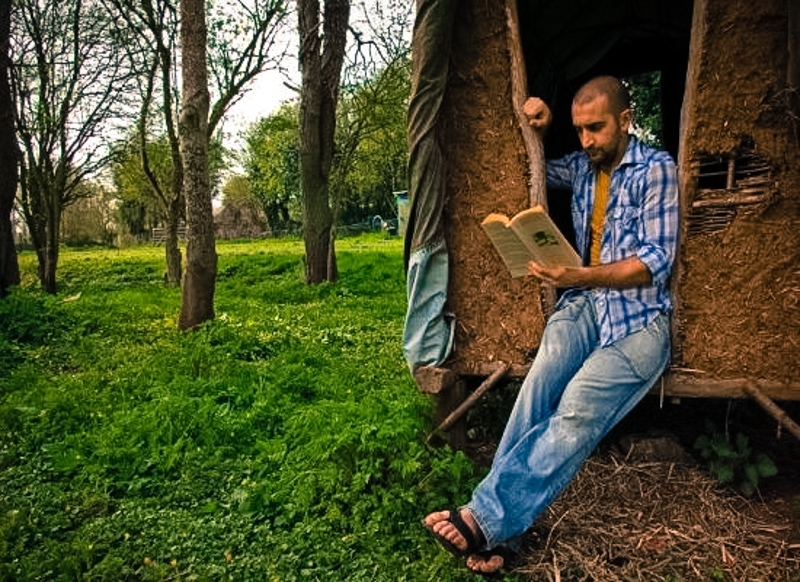
A compelling docu-portrait of Heidemarie Schwermer, who has lived without money for over a decade. While not strictly medieval, her radical critique of modern capitalism aligns perfectly with neo-medieval values of community, barter, and simplicity.
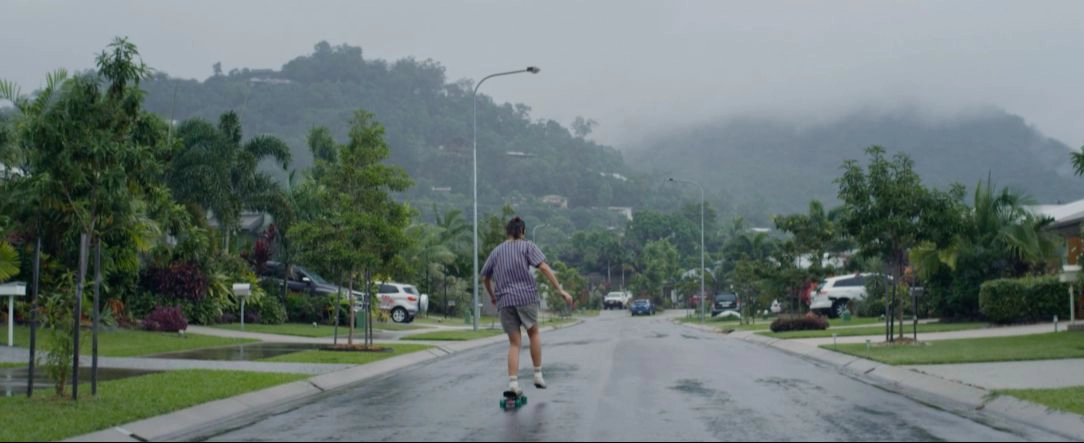
Follows a 21-year-old genderqueer individual working in a skimpy bar, offering an unfiltered look at their personal journey of gender exploration and self-acceptance. Through a vivid collage of memories and sensations, the film captures raw moments of vulnerability, desire, and intimacy. It’s an evocative invitation to rethink our perceptions of gender, love, and authenticity.

Exploring a queer roller derby collective that rejects mainstream norms and builds community outside corporate structures—a modern echo of medieval guild spirit, albeit on skates.
This insightful documentary follows four spirited young immigrants from Colombia, Syria, the Dominican Republic, and Morocco as they navigate life in often grey-toned Belgium. Confronting love, temptation, and friendship, they grapple with belonging while striving to balance their rich cultural roots with evolving identities in their new homeland.
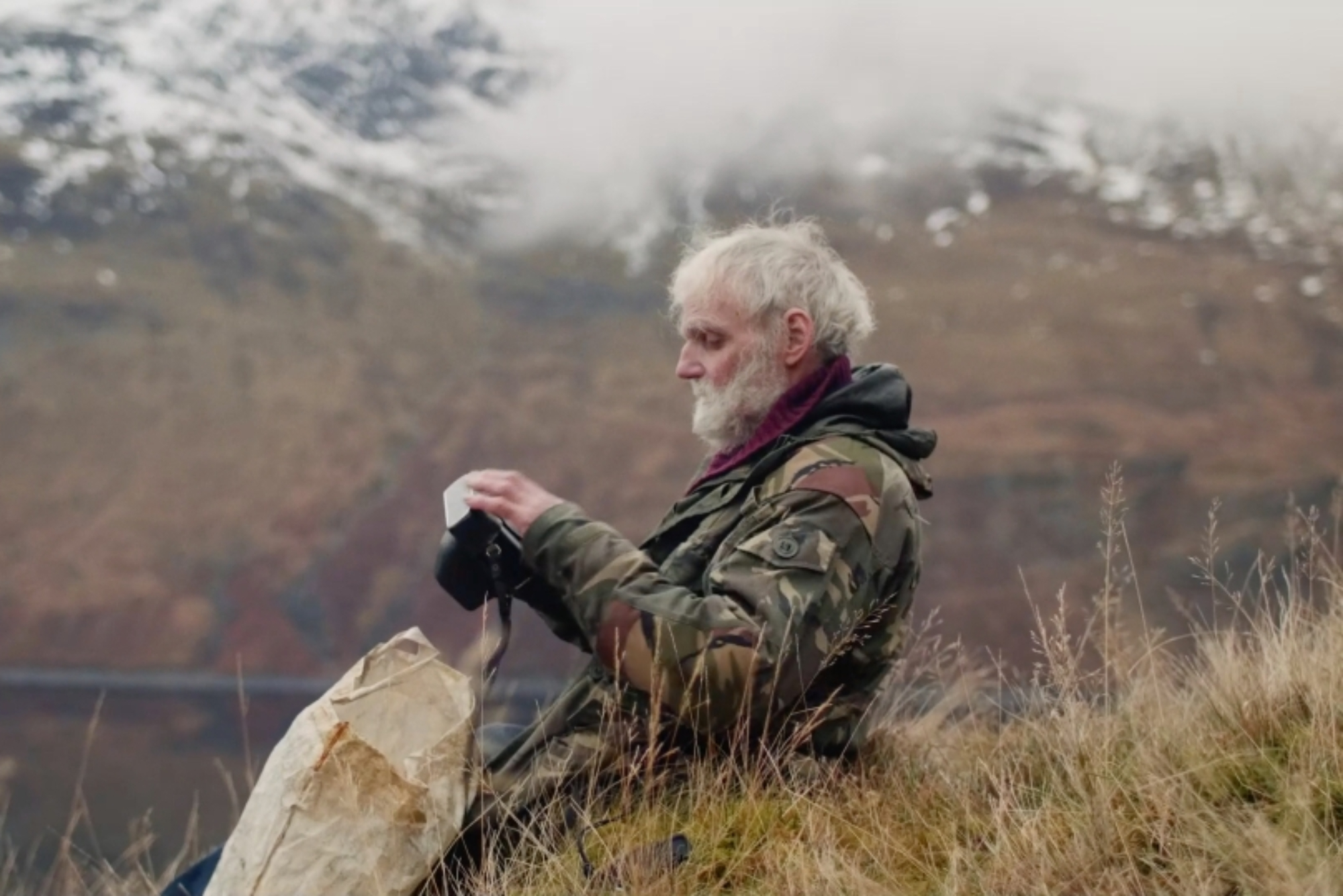
This beautiful film follows a man living entirely off-grid in the Scottish Highlands, embracing pre-modern self-sufficiency with touching honesty. It’s a modern monk’s tale, minus the vows.
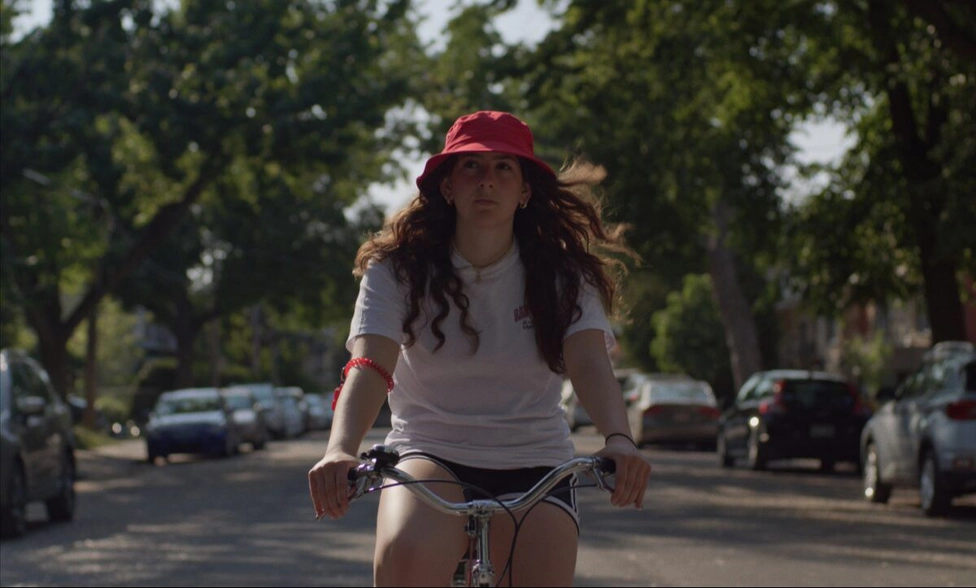
Adam, Ana, and Dahlia set out to reconnect with their cultural roots, striking a balance between tradition and modernity. Through gentle exchanges with family and friends, the film paints an intimate portrait of second and third-generation immigrants navigating identity, belonging, and the complex push and pull of heritage.
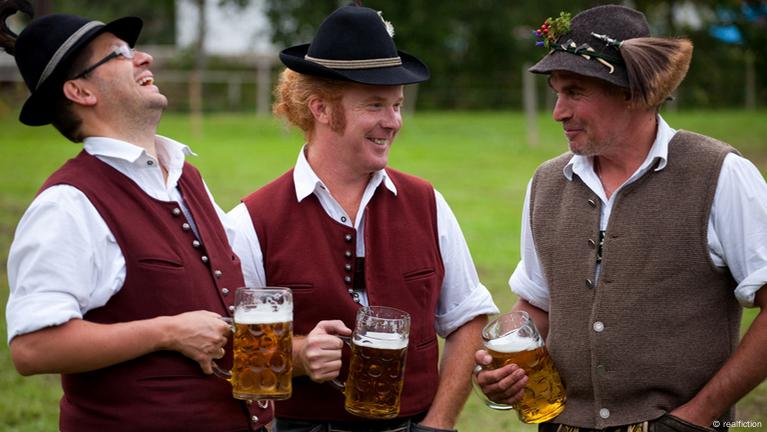
A docu-musical journey exploring traditional folk music in Germany, demonstrating how old sounds can be acts of resistance against cultural homogenization.

In Rotterdam, New York, Tayfun, Nabil, and Delgano wrestle with adapting to societal expectations after leaving crime-ridden backgrounds. Through Marina Meijer’s empathetic lens, the film reveals their fragmented conversations, inner struggles, and the tireless efforts of mentors like Toine, who guide them toward a better future while confronting systemic inequality.
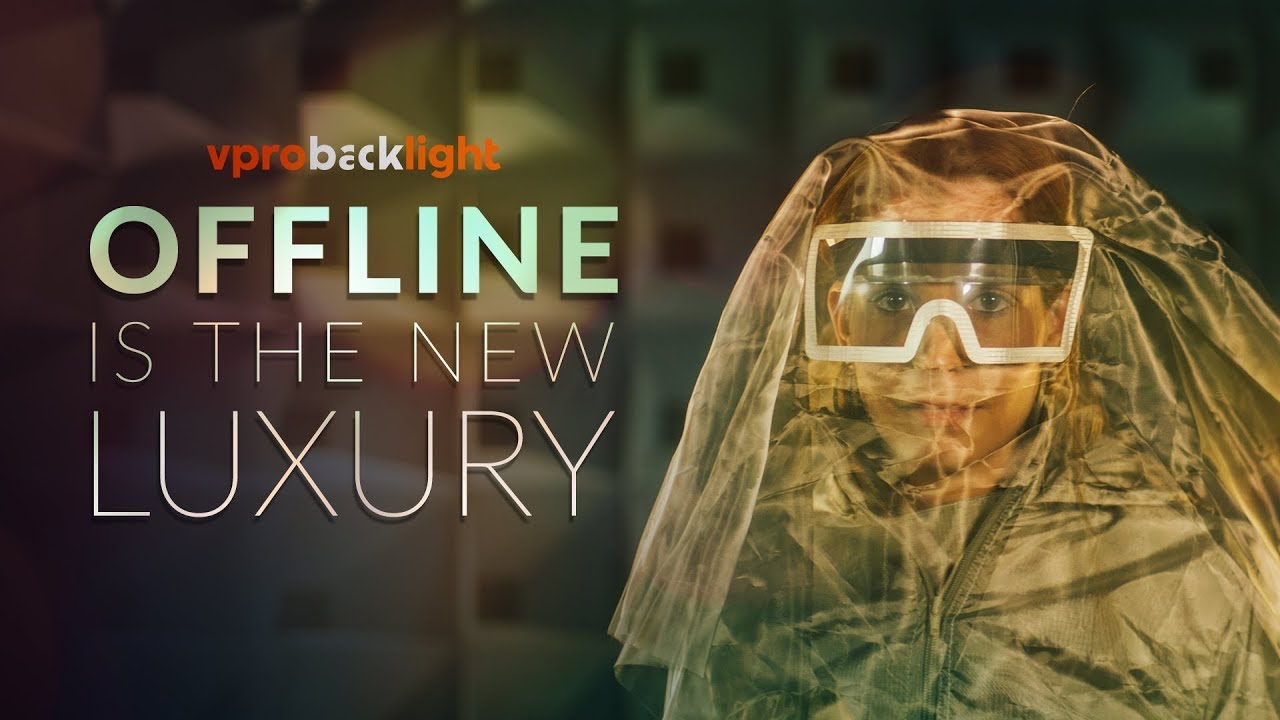
An investigative docuseries examining digital detox retreats and the psychology of people who want out of the always-on culture. Think of it as neo-medievalism for urbanites.
Described as “the biggest damned ghetto” by their school caretaker, Xhumi, Müke, and friends face daunting prospects as they try to enter the working world. Amid Zurich’s affluent Gold Coast, the film captures raw, honest moments of anxiety, hope, and the bittersweet challenge of breaking into a consumer society that seems just out of reach.
This is where neo-medievalism parts ways with garden-variety digital detox or mindful tech use. These aren’t people installing screen-time apps to curb their Instagram habit—they’re abandoning smartphones altogether, swearing off social media, and in some cases, rejecting electricity entirely.
Of course, there’s variety. Some choose partial rejection (no social media, but yes to solar power). Others go all-in, recreating pre-industrial homesteads where life moves to the rhythm of seasons, not notifications. And all the while, there’s a not-so-subtle critique of modern capitalism, which they see as atomizing communities and stripping life of meaning.
It would be easy to dismiss neo-medievalists as quaint re-enactors or cosplay enthusiasts, but their influence seeps deep into our culture. Just look at the rise of medieval-themed video games, fantasy films, and TV shows that dominate streaming platforms. Game of Thrones may not be a manual for living, but its popularity suggests a mass appetite for pre-modern spectacle.
Want to see how these movements look in practice? Thankfully, you don’t need to don a woolen tunic and move to the woods to learn more. Guidedoc has curated many of the best documentaries that illuminate the neo-medieval spirit—films you can watch online, that show both the beauty and the contradictions of this modern return to the past.
Curious about the past's hidden truths? Be sure to read another Guidedoc article exploring the best history documentaries: "10 documentaries that uncover the hidden truths of major history events" —perfect for diving into the events, figures, and moments that shaped our world in fascinating detail.
It’s easy to see neo-medievalism as a Western curiosity, but these impulses to reject technological alienation and revive older ways of living are global. In rural Japan, satoyama communities blend ancient agricultural practices with modern needs. In the Global South, critiques of techno-capitalism often intersect with indigenous efforts to preserve pre-colonial knowledge systems.
Even academics are paying attention. Universities are hosting conferences on the “new medievalism” in media, art, and cultural studies. A recent paper called it “a necessary critique of surveillance capitalism,” acknowledging the movement’s deeper political dimensions.
Will neo-medievalism save us from the doomscroll? Hard to say. But it does remind us that technological “progress” isn’t the only option on the menu. It offers an alternative vision where community, craft, and connection to the land matter more than broadband speed.
Watch more great documentaries on Guidedoc

2186 films
And a new one every day

The preferred platform
of true documentary lovers
Half of all revenue goes
directly to the filmmakers