Documentary filmmaking is an ever-evolving art form that balances the tension between reality and storytelling. Unlike scripted fiction, documentaries operate within the domain of the real, capturing moments as they unfold, retelling past events with newfound context, or placing audiences inside unfamiliar worlds to inform, move, or agitate them. However, while the genre adheres to truth, how that truth is presented is anything but singular. From poetic meditations to confrontational interviews, the styles and techniques that define documentary filmmaking are as diverse as the subjects they explore.
Guidedoc celebrates this multiplicity by not only streaming exceptional documentaries but also by illuminating the creative tools behind them. Each technique—whether rooted in observation, participation, or performance—opens a different doorway to reality, and choosing one over the other can drastically alter the viewer’s experience. As technology and media consumption evolve, so do filmmakers' methods to tell their stories. But through it all, the documentary remains a mirror to society—and a hammer, reshaping how we see it.
In this article, we explore the core styles and techniques of documentary filmmaking with examples from the Guidedoc catalog that exemplify each method in action.
Expository documentaries are the classic educational format, built around a logical argument or point of view. These films often rely on a “voice of God” narration, extensive research, and archival material to build their case. The technique is particularly useful when contextualizing historical or political subjects.
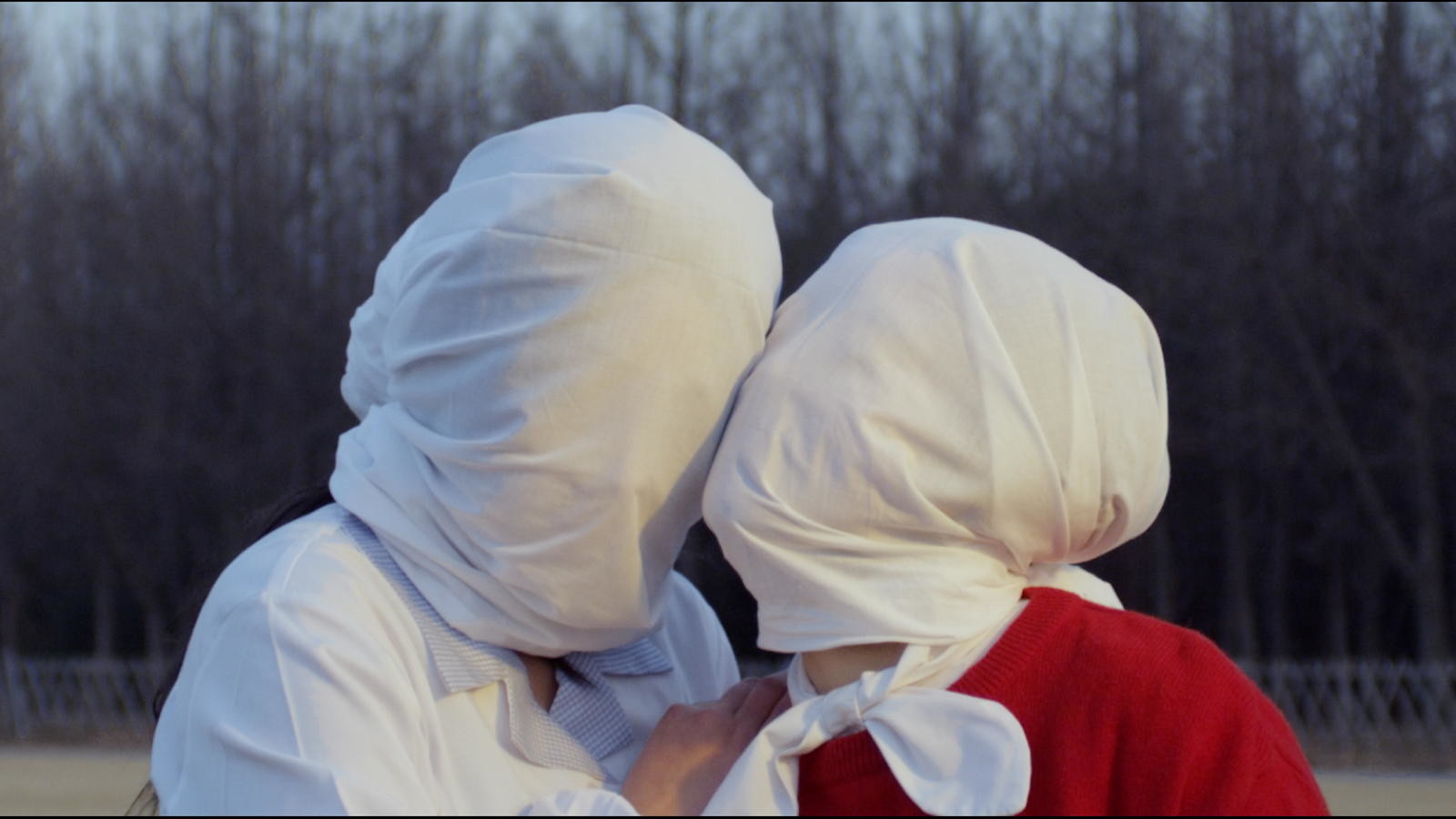
This investigative film uses narration, interviews, and historical footage to expose the exploitation of female laborers in South Korea. The film takes a clear, critical stance while using powerful archival visuals to ground its thesis.
Also known as cinéma vérité or “fly on the wall,” the observational approach attempts to present reality with minimal interference. There are no interviews or voiceovers—just life unfolding in front of the camera.
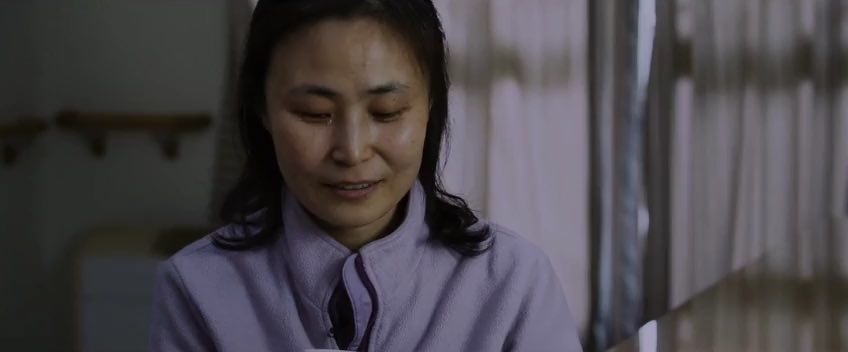
This intimate film captures the final moments of terminally ill patients without narration or staging. The camera observes rather than intrudes, allowing death, grief, and care to speak for themselves.
In participatory documentaries, the filmmaker is not a passive observer but an active presence, engaging with subjects and shaping the narrative through dialogue and involvement.
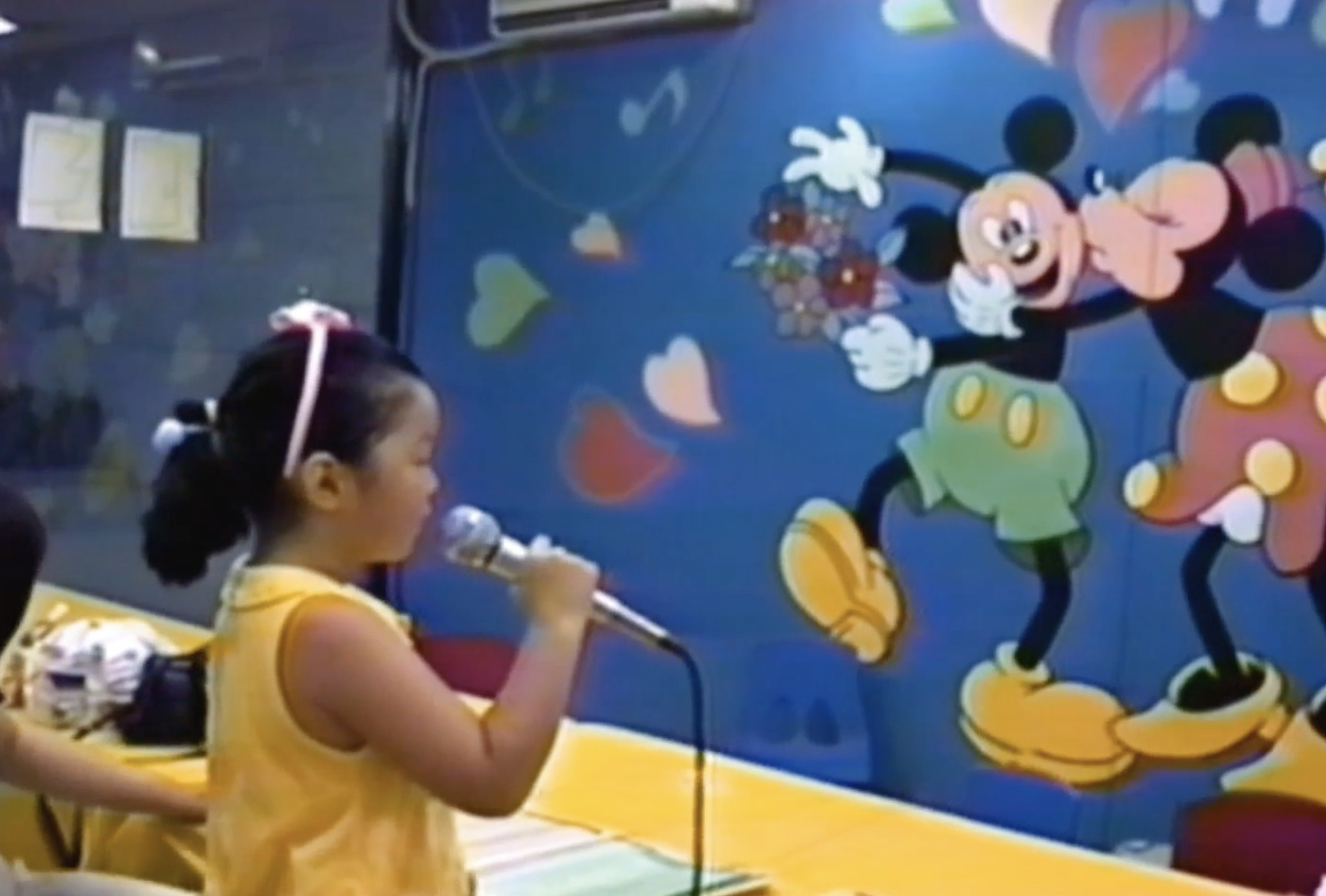
A daughter returns to her childhood home with a camera, engaging her parents in raw conversations about their shared past. Her presence steers the story, blurring the line between subject and author.
Reflexive documentaries turn the lens back onto themselves. Rather than hiding the mechanics of filmmaking, they highlight them—inviting viewers to consider how stories are constructed.
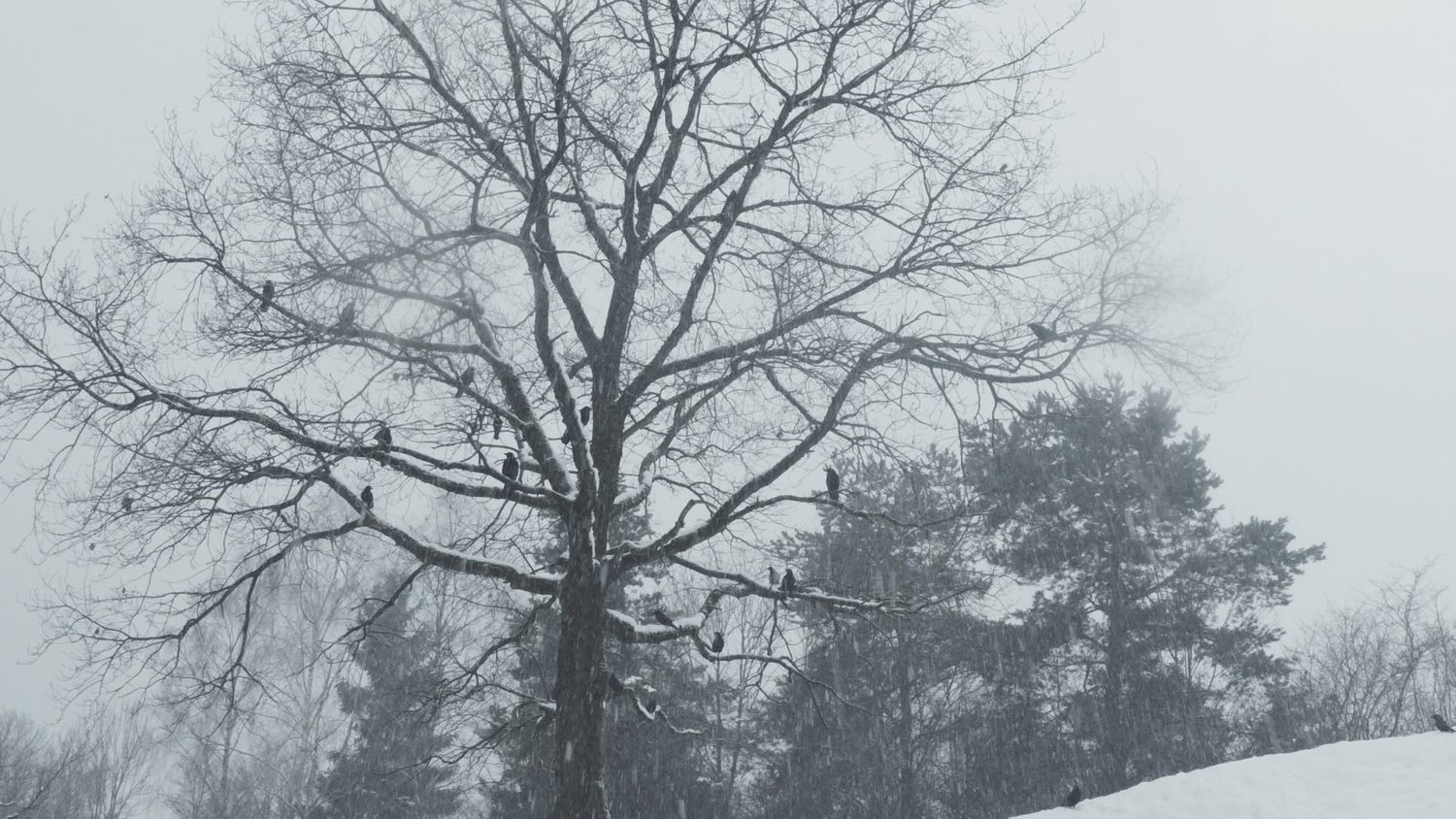
In this atmospheric film, the line between reality and imagination is deliberately blurred. As the documentary unfolds, it doesn't just recount events but questions its narrative logic, pulling the audience into a fog where fact, myth, and perspective collide. It’s a fascinating meditation on how documentaries create — and sometimes distort — reality.
This style emphasizes the filmmaker’s personal experience, often combining storytelling, reenactments, and emotion to explore themes of identity, trauma, or culture.
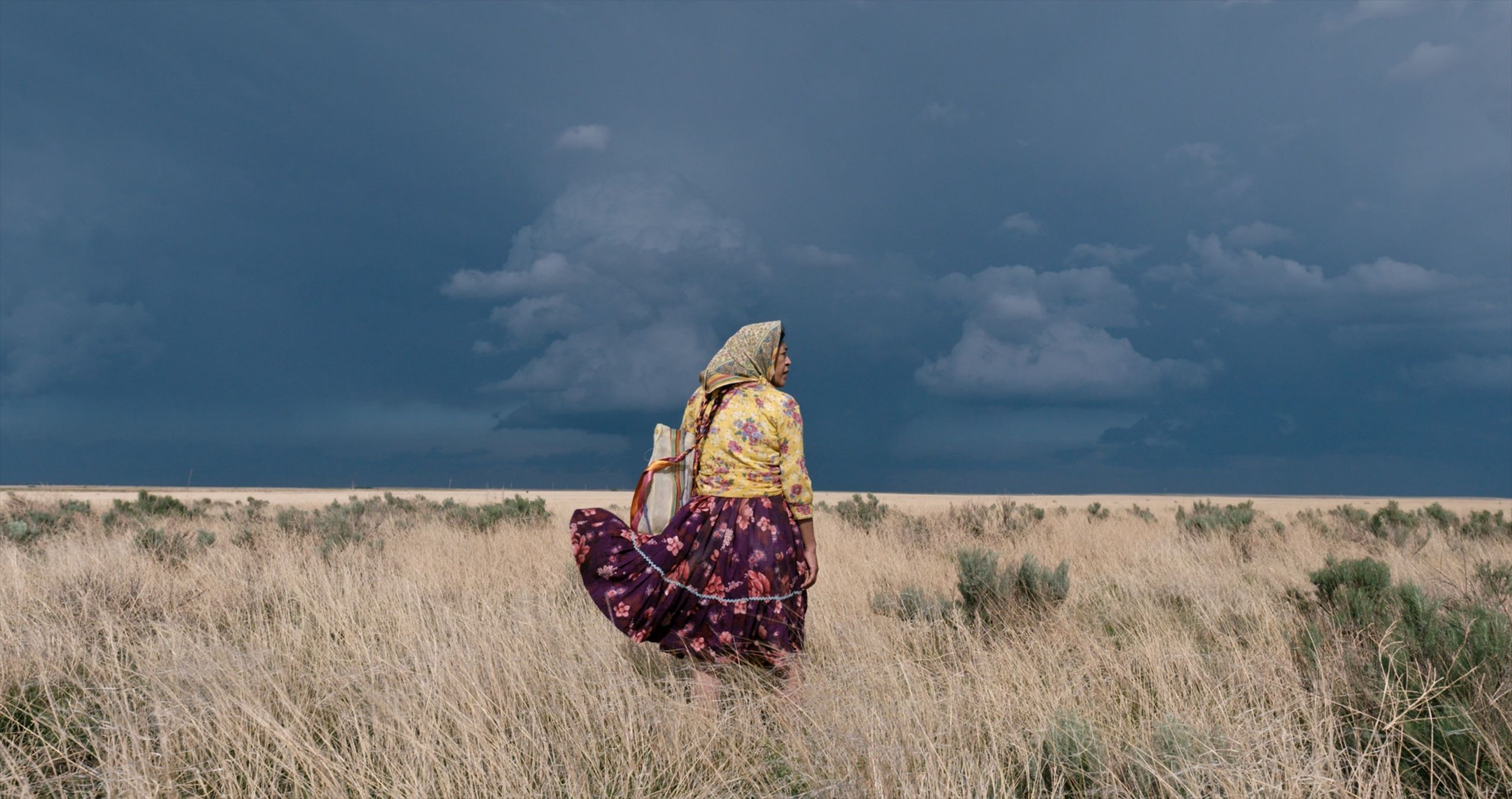
This intimate documentary chronicles the life of Rita Patiño, an Indigenous Tarahumara woman wrongfully institutionalized for twelve years. Through a blend of personal testimony, cultural reflection, and emotional storytelling, the film doesn’t just recount injustice — it embodies the lived experience of invisibility and resilience. It’s a moving example of how performative documentaries bring personal truths to the forefront.
Poetic documentaries prioritize mood, rhythm, and visual impression over conventional storytelling. This experimental approach uses montage, music, and abstract imagery to evoke feelings more than facts.
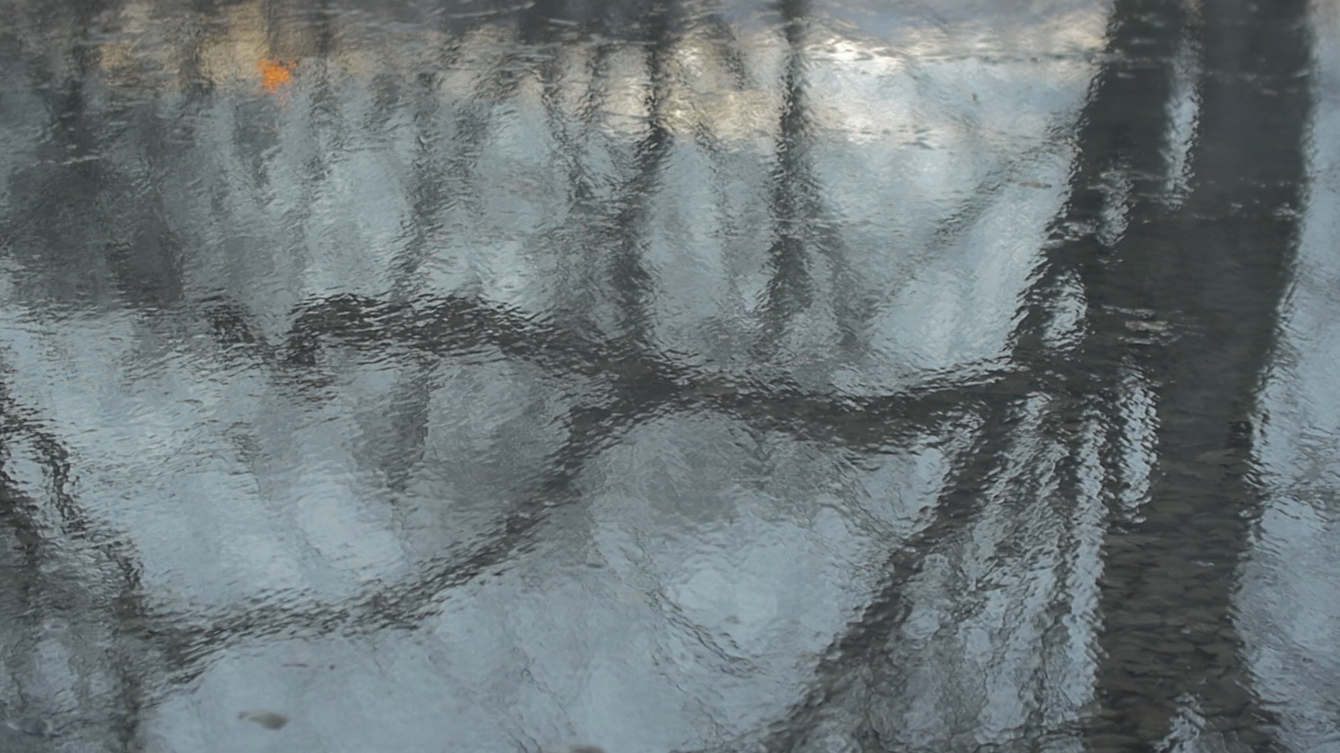
Through hand-painted animation, this insightful doc transcends narrative to deliver a meditative, philosophical reflection on creation itself. By blending imagery, solitude, and philosophical undertones, the film invites viewers to feel rather than interpret, making it a prime example of the poetic documentary tradition.
Interviews are the backbone of many documentary styles, offering firsthand perspectives that give voice to lived experience. A well-crafted interview can turn an ordinary person into the heart of a global issue.
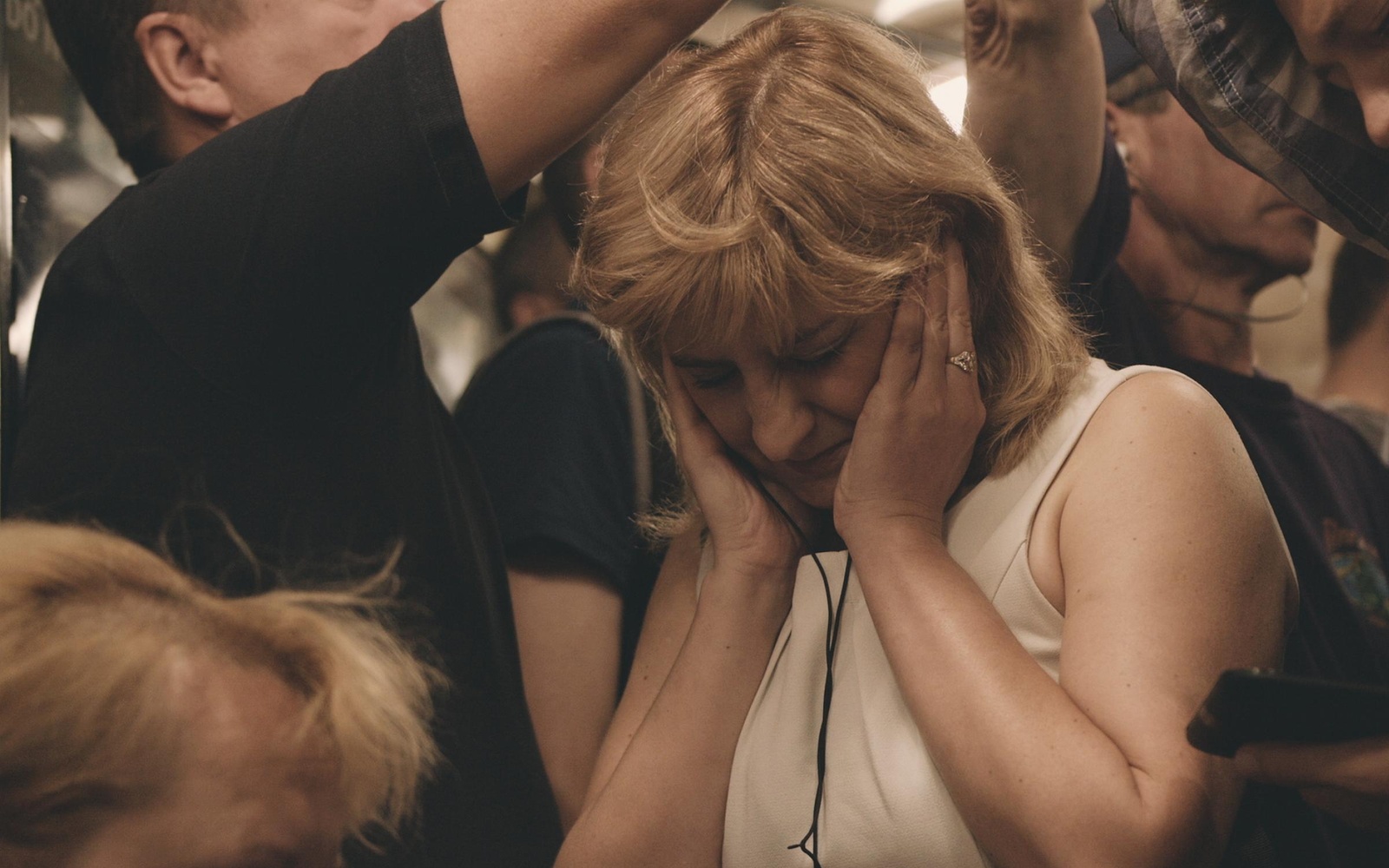
Intimate interviews with Ukrainian war veteran Oksana Yakubova reveal the invisible wounds of PTSD. Through her candid, vulnerable testimony, the film transforms a personal struggle into a profound commentary on the mental scars of war.
Historical footage adds temporal depth and evidence to documentary storytelling. It connects past and present, often drawing parallels between eras.
This powerful documentary uses viral videos from social media to stitch together a firsthand, on-the-ground perspective of conflict zones. By repurposing archival digital footage, it blurs the line between citizen journalism and traditional reporting, offering a raw and immediate vision of war’s human cost.
Voice-over helps structure a film, guide the audience, or provide emotional tone. Whether omniscient or first-person, narration creates a bridge between the subject and the viewer.
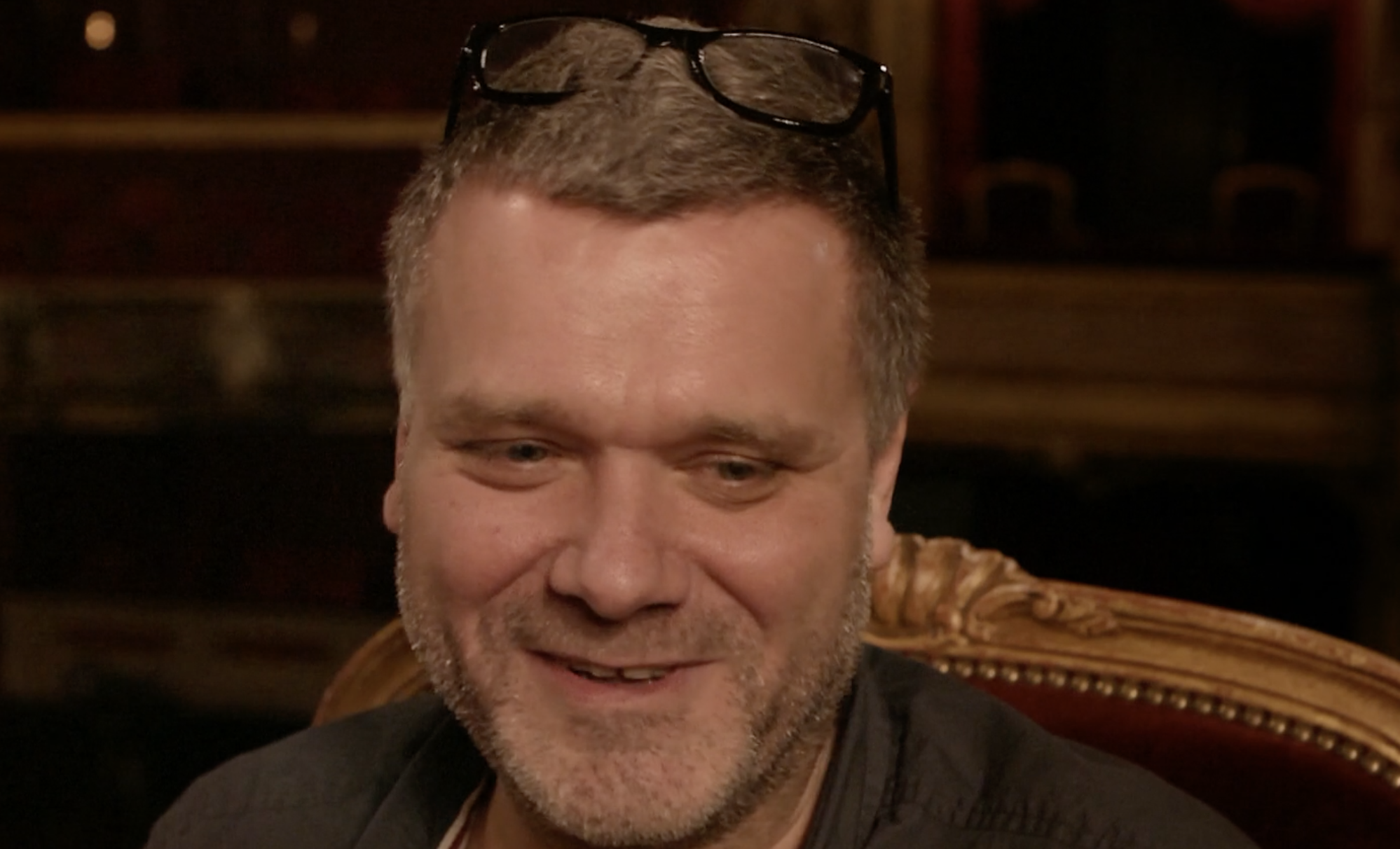
This behind-the-scenes look at a European opera house uses narration to contextualize the drama, artistry, and coordination required to sustain one of the world’s most revered institutions.
The hallmark of cinéma vérité, observational filming demands patience and adaptability. Filmmakers allow reality to unfold, trusting that moments of truth will emerge naturally.

With no scripted drama or artificial setups, this breathtaking documentary captures over a hundred bird species across Australia’s diverse landscapes. Through pure observation, it reveals vibrant behaviors, unfiltered interactions, and the raw beauty of nature, letting viewers feel like silent witnesses in an untouched world.
Documentary filmmaking is not one thing. It is a toolkit, a philosophy, a set of aesthetic choices, and ethical dilemmas. Its power lies in its ability to adapt to subject, context, and audience, shifting shape to best capture a sliver of truth. On Guidedoc, that diversity is on full display. With a catalog curated for both variety and depth, viewers can experience the full range of what documentary film can offer: the intellectual clarity of expository pieces, the quiet honesty of observational works, and the raw vulnerability of performative stories.
Curious for more? Guidedoc offers in-depth articles that celebrate the art of documentary filmmaking and the power of real stories. We invite you to discover more insightful reads here: Exploring Creativity and AI: A Journey Through Art in Documentaries.
As media landscapes shift and new technologies emerge, the core mission of documentary remains unchanged: to reflect the world to us, and in doing so, ask us to look a little closer. Whether you're a filmmaker, a cinephile, or a curious mind, these documentaries are not just films—they’re invitations to see, feel, and understand.
Watch more great documentaries on Guidedoc

2186 films
And a new one every day

The preferred platform
of true documentary lovers
Half of all revenue goes
directly to the filmmakers