The documentary festival circuit has been the lifeblood of non-fiction filmmaking for decades, providing crucial platforms for emerging voices and ensuring difficult stories reach global audiences. Yet beneath the glamorous premieres and industry networking lies a growing crisis that threatens the very foundation of how we discover and distribute documentary content. From Amsterdam's prestigious IDFA to Toronto's influential Hot Docs, festival programmers are grappling with an unprecedented challenge: content saturation in an era of infinite streaming possibilities.
The numbers tell a stark story. Major festivals now receive thousands of submissions annually, with IDFA alone processing over 3,000 entries each year. Meanwhile, audience attention spans fragment across Netflix queues, YouTube algorithms, and countless streaming platforms where documentaries compete not just with each other, but with true crime podcasts, TikTok explainers, and immersive digital experiences. The traditional model of curated screenings in darkened theaters suddenly feels antiquated in a world where viewers expect on-demand access to content.
This crisis isn't just about logistics or technology—it's fundamentally reshaping what it means to be a documentary festival in the 21st century. As the line between exhibition and distribution blurs, festivals must reinvent themselves or risk becoming irrelevant museum pieces in an increasingly connected world. The question isn't whether change is coming; it's whether the festival ecosystem can evolve fast enough to remain meaningful.
Documentary festivals have traditionally operated on a scarcity model: limited screening slots, carefully curated programs, and the promise of discovering hidden gems that might otherwise go unnoticed. This approach worked beautifully when documentary production was constrained by high barriers to entry and limited distribution channels. Today, that model faces a perfect storm of disruption that threatens its fundamental assumptions.
The democratization of filmmaking technology has unleashed a tsunami of content that festival programmers struggle to process meaningfully. When every smartphone owner is a potential documentarian and editing software becomes increasingly accessible, the volume of submissions grows exponentially while the number of screening slots remains fixed. This creates a bottleneck that leaves countless worthy films without festival exposure, while programmers burn out trying to maintain quality standards amid overwhelming quantity.
The rise of hybrid content formats further complicates the traditional festival framework. Interactive documentaries, VR experiences, podcast series, and multi-platform storytelling don't fit neatly into the theater-based exhibition model that festivals have relied upon. These new formats require different presentation methods, technical infrastructure, and audience engagement strategies that many festivals struggle to accommodate.
Economic pressures compound these challenges as festivals compete for increasingly fragmented attention and corporate sponsorship. The COVID-19 pandemic accelerated the shift toward digital formats, proving that audiences could engage with festival content remotely while also highlighting the limitations of virtual screening experiences. Many festivals discovered that their value proposition extended beyond simple content exhibition to include community building, industry networking, and cultural conversation—functions that require reimagining in a digital-first world.
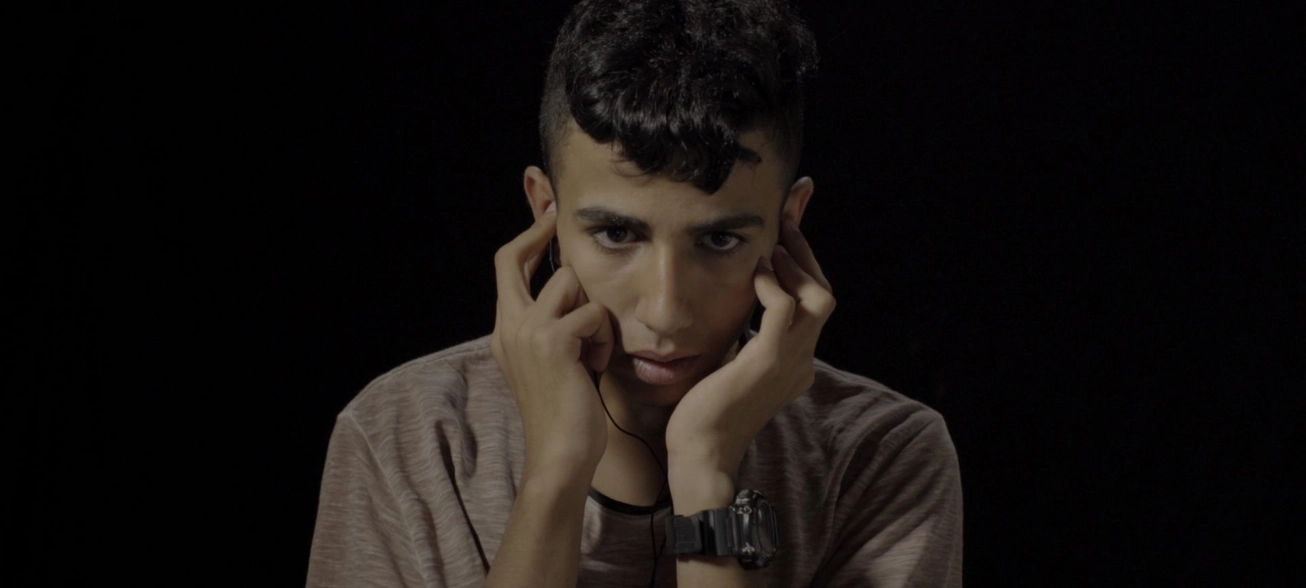
This compelling documentary reveals how Palestinian minors are systematically targeted under Israeli occupation, using testimonies and chilling interrogation footage to follow three young men reflecting on their childhood arrests.
The film's journey through the festival circuit exemplifies current challenges—while it premiered at international festivals, its 2023 censorship attempts underscore how festivals must navigate political pressures while maintaining programming integrity. The documentary's powerful impact demonstrates how festivals remain crucial for amplifying marginalized voices, even as they face increasing external pressures.
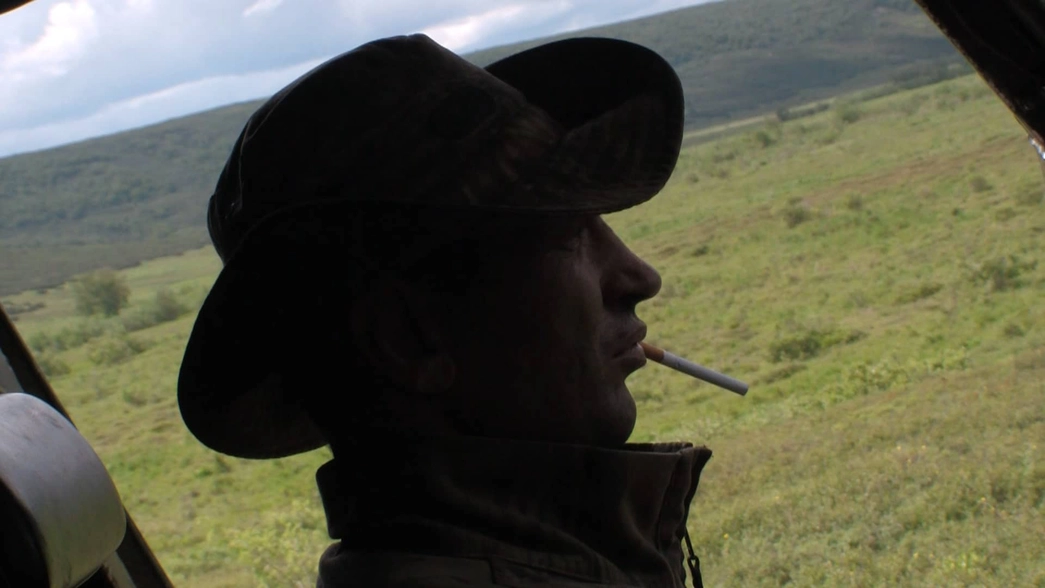
Filmmaker Denis Klebleev delivers a keenly observed study of rural Russian life through the story of drivers Yura and Vitalik, who haul supplies to remote villages in an aging tank. This intimate portrait showcases the kind of patient, observational filmmaking that festivals have traditionally championed—work that might struggle to find audiences on algorithm-driven platforms.
The film's beautifully composed shots and rough romanticism represent the artistic vision that festivals must continue supporting, even as they adapt to new distribution models.
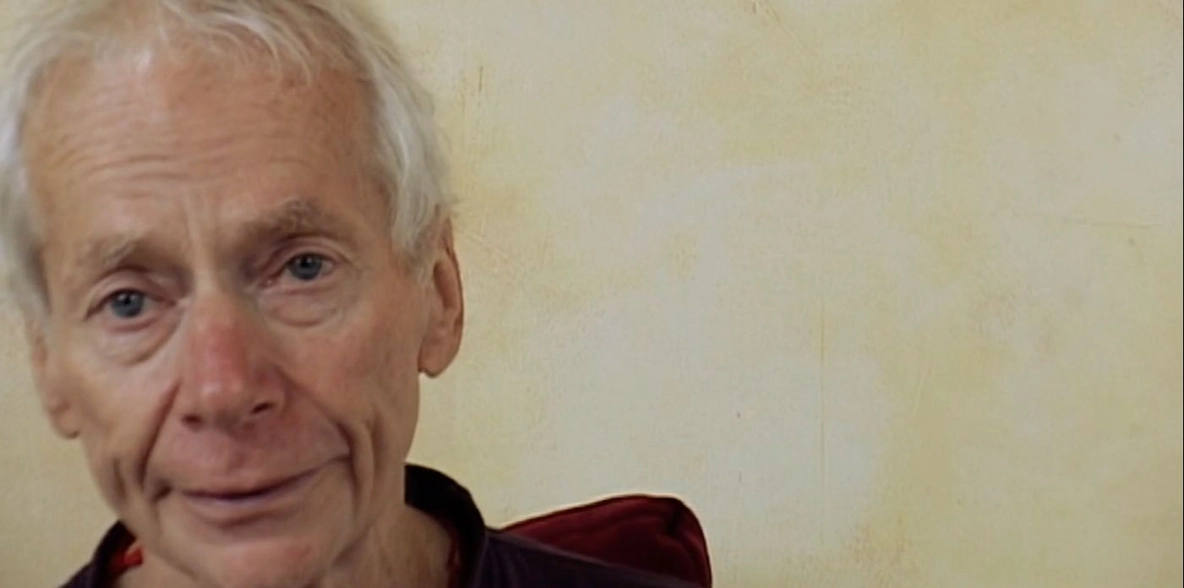
Director Edgar Hagen embarks on a personal road trip across Europe to explore the fragile boundaries of sanity. Through encounters with psychiatrists, patients, and spiritual thinkers, the film becomes a meditative journey into the causes and possible recoveries from psychosis, framed by striking visuals and deeply philosophical reflections on the mind.
As streaming platforms focus increasingly on series and feature content, festivals provide essential platforms for experimental and short-form documentary work.
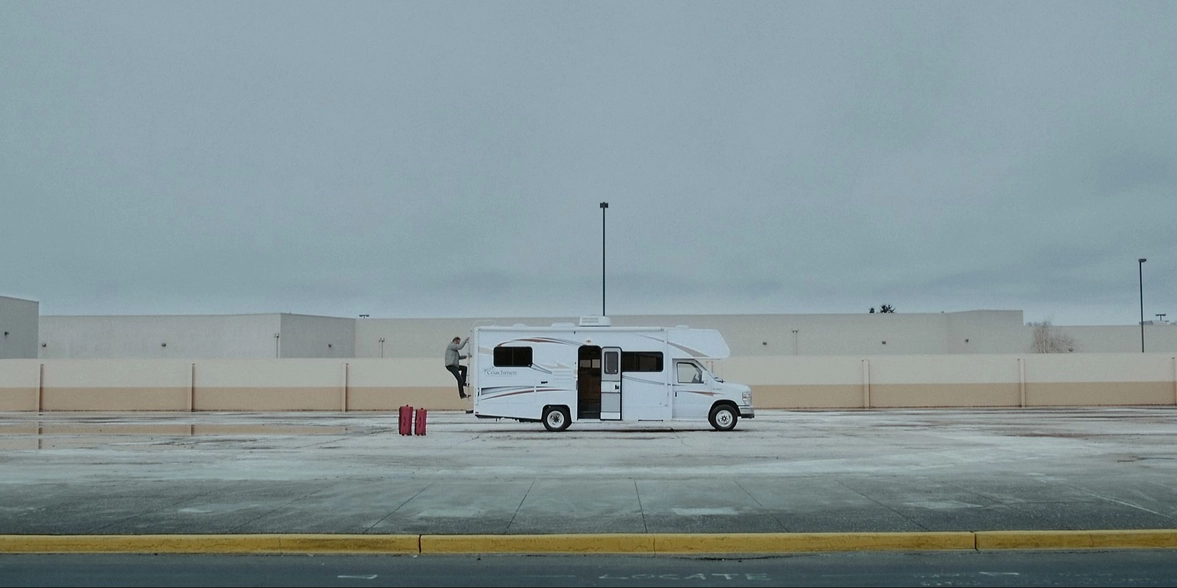
Following three men from different corners of the world as they retire into reinvention rather than rest, this gripping documentary captures the kind of intimate, character-driven storytelling that festivals excel at presenting.
The film's focus on personal transformation and quiet searching reflects the type of contemplative documentary that benefits from festival audiences' focused attention, something that's increasingly difficult to achieve in the fragmented attention economy of streaming platforms.
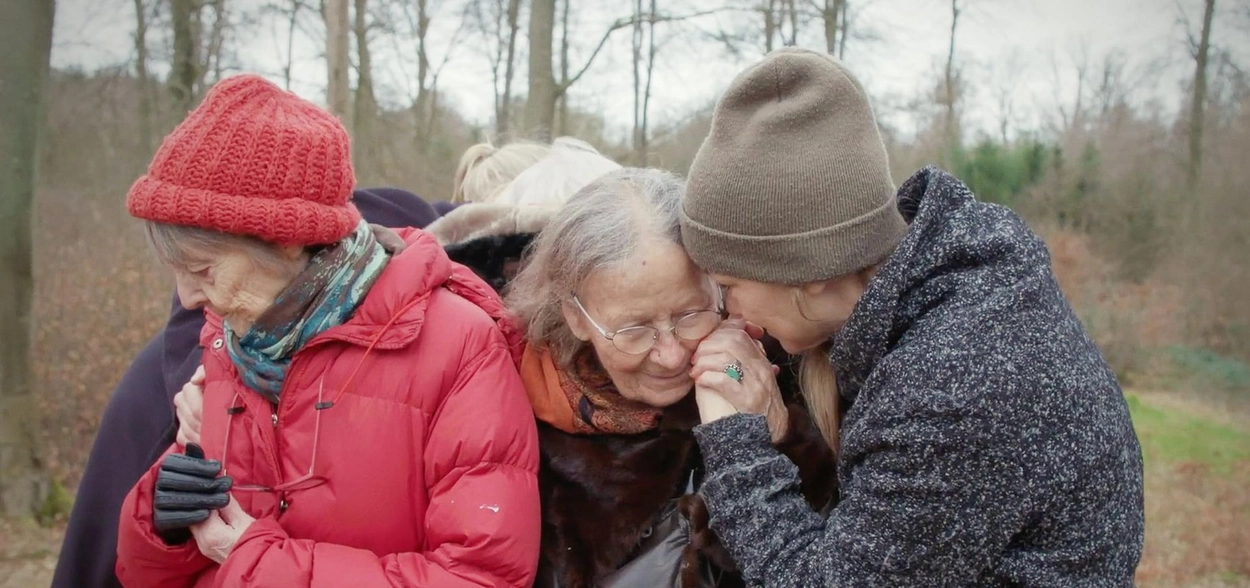
Set in a Danish nursing home, this insightful documentary challenges conventional narratives about dementia through compassionate observation of residents' daily lives. The film exemplifies how festivals can champion difficult subjects that might not find commercial success but serve important social functions.
Its celebration of human dignity in the face of memory loss represents the kind of socially conscious programming that gives festivals their cultural mission beyond mere entertainment.
The most successful festivals are already experimenting with hybrid models that blend traditional exhibition with digital innovation, creating new possibilities for audience engagement and content discovery. These pioneers recognize that the future lies not in abandoning their curatorial mission but in expanding it across multiple platforms and formats.
Curious about where innovation meets storytelling? Discover The World’s Best Science and Technology Film Festivals in our Guidedoc article, where cinema dives deep into the frontiers of discovery, from AI to astrophysics. If you're a fan of groundbreaking ideas and mind-expanding documentaries, this read is for you.
Virtual reality lounges, interactive installations, and live-streamed Q&As represent just the beginning of how festivals might evolve. Some festivals are experimenting with year-round programming that extends beyond annual events, creating ongoing communities around documentary content. Others are developing partnerships with streaming platforms that allow festival premieres to transition seamlessly into wider distribution, maximizing both festival prestige and filmmaker revenue.
The rise of docuseries and limited series formats presents both challenges and opportunities for festival programmers. While these formats don't fit traditional screening schedules, they offer new ways to engage audiences over extended periods. Forward-thinking festivals are developing screening strategies that accommodate episodic content while maintaining the communal viewing experience that makes festivals unique.
Industry veterans are exploring how festivals can serve as launch platforms for multi-platform campaigns that might include documentary films, podcast series, social media content, and educational resources. This holistic approach recognizes that modern documentary storytelling often extends beyond single films into comprehensive media ecosystems that require coordinated presentation strategies.
The key to survival lies in understanding that a festival's core value isn't just exhibition but curation, community building, and cultural conversation. As the barriers to content creation and distribution continue to fall, the role of trusted curators becomes more valuable, not less. Festivals that can adapt their curatorial expertise to new formats and platforms while maintaining their commitment to artistic excellence and social impact will thrive in the evolving media landscape.
The festival circuit’s future depends on embracing hybrid models that honor traditional values while adapting to contemporary realities. Platforms like Guidedoc, which combine expert curation with global digital reach, are already redefining how audiences discover and engage with documentary films. Whether through Guidedoc's innovative streaming strategies or established festivals' digital experiments, the industry is actively reimagining what documentary festivals can become.
The festivals that survive and thrive will be those that view the current crisis not as an existential threat but as an opportunity to deepen their cultural impact and expand their reach in an increasingly connected world. This transformation won’t be easy, but it’s essential for ensuring that documentary festivals remain vital platforms for the stories our world needs to hear, whether those stories unfold in theaters, on streaming platforms, or in entirely new formats we haven’t yet imagined.
Watch more great documentaries on Guidedoc

2186 films
And a new one every day

The preferred platform
of true documentary lovers
Half of all revenue goes
directly to the filmmakers