Archive and found footage documentaries hold a special place in the world of cinema. They are the treasure troves of history, stitched together with film reels, forgotten tapes, and home videos that, when rediscovered, provide an unmatched window into the past.
These docs turn remnants of footage into compelling narratives that speak volumes about human experiences, from intimate family histories to world-altering events. But why are these types of documentaries so powerful? The allure lies in their authenticity. They are not just stories told through a modern lens; they are lived experiences, captured in real-time and reassembled to resonate in the present.
As Guidedoc, Netflix, YouTube, and other streaming platforms continue to expand their libraries, they provide access to a growing number of these archival films, ensuring that stories from the past are not only preserved but shared with a wider audience.
This genre brings an unparalleled emotional weight, giving viewers a raw, unfiltered view into moments that might have otherwise been lost to time. For cinephiles and casual viewers alike, archive-based films offer a way to watch history unfold in the most real, human ways possible.
Archive and found footage documentaries rely on material that has been previously recorded, often for a purpose entirely different from the one intended by the documentary filmmakers. These films recontextualize footage to craft new stories, allowing the viewer to experience the film as if they are witnessing history firsthand. This genre includes everything from old newsreels, home videos, and amateur films to professional footage that was never fully utilized.
Unlike traditional narrative-driven docs, archive and found footage films are built almost entirely from this pre-existing material, making them a unique docu format. These films may explore personal histories, such as the life of a family member captured on Super 8 reels, or global events pieced together from various news sources.
Filmmakers must act as detectives, historians, and editors, sifting through hours of footage to create a cohesive and compelling story. This genre’s ability to breathe new life into forgotten moments distinguishes it as a powerful form of storytelling.
At their core, archive and found footage documentaries are meditations on memory and preservation. They pose essential questions: What is worth preserving? How do we decide which memories deserve to be shared? These films often force viewers to confront the fragility of memory and the passage of time. They remind us that, even in the digital age, so much of our collective memory is scattered across attics, basements, and forgotten archives.
The filmmakers behind these docs also serve as custodians of history, tasked with piecing together fragments of the past and offering them to the world with new meaning. In an era where attention spans are shrinking, these films invite viewers to slow down, reflect, and contemplate the delicate balance between forgetting and remembering. This is especially true with projects like docudramas and docuseries, which build narratives out of a seemingly endless pool of historical content.
As viewers watch these films online through platforms like Netflix, Guidedoc, or YouTube, they are presented with more than just stories—they are handed the keys to understanding the complexities of history, culture, and personal legacy.
Holy Hell
Beyond Utopia
Capturing the Friedmans
Flee
Zero Days
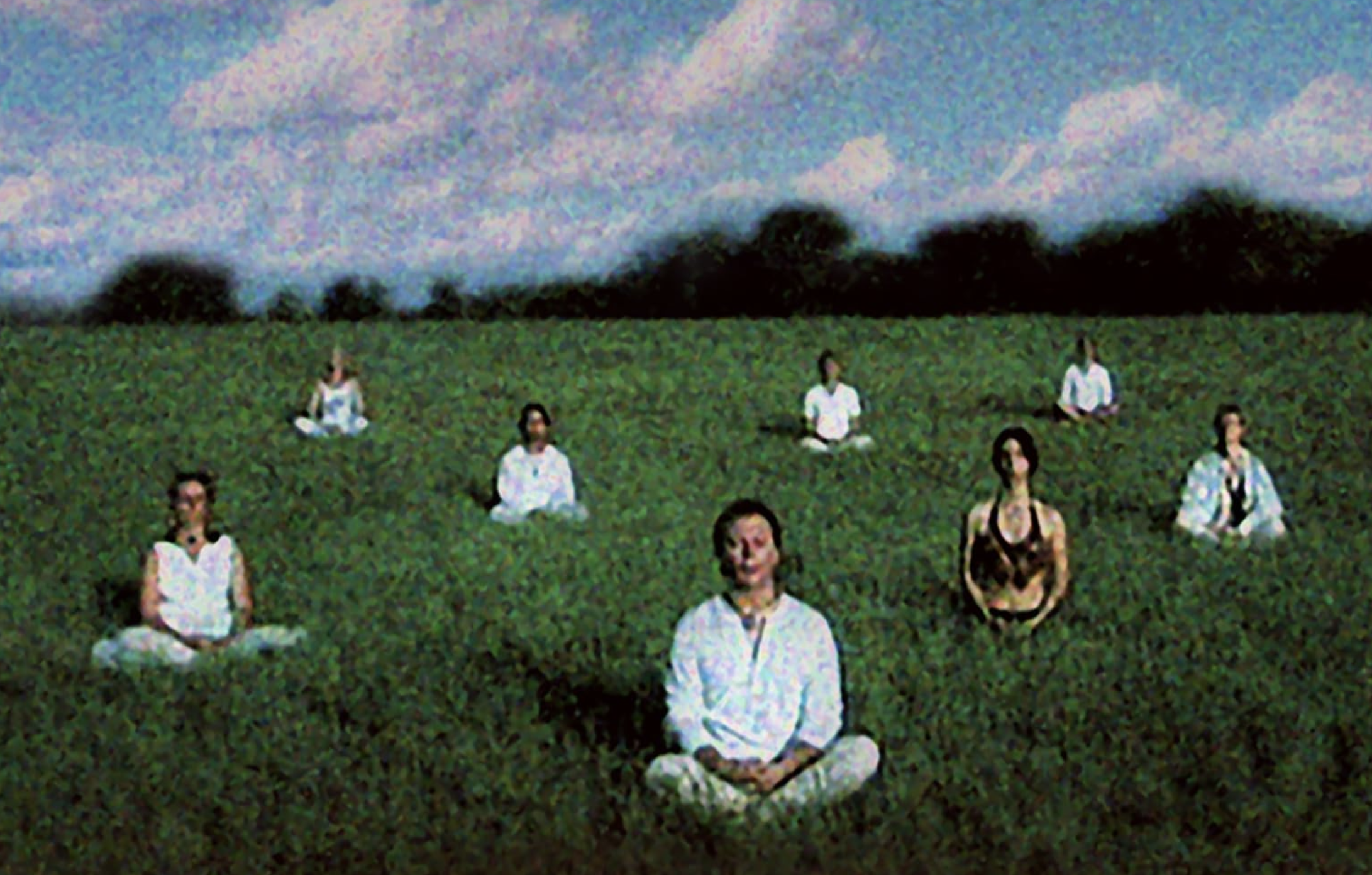
This gripping doc follows the unraveling of the Buddhafield, a spiritual cult in West Hollywood that rose to prominence in the 1980s under the guidance of a charismatic leader. For over 20 years, Will Allen filmed his fellow cult members, recording moments of joy, hope, and eventually despair as the group began to crumble under allegations of manipulation and abuse.
The film is a haunting exploration of how devotion and belief can be exploited, and how those experiences are preserved through the lens of found footage.
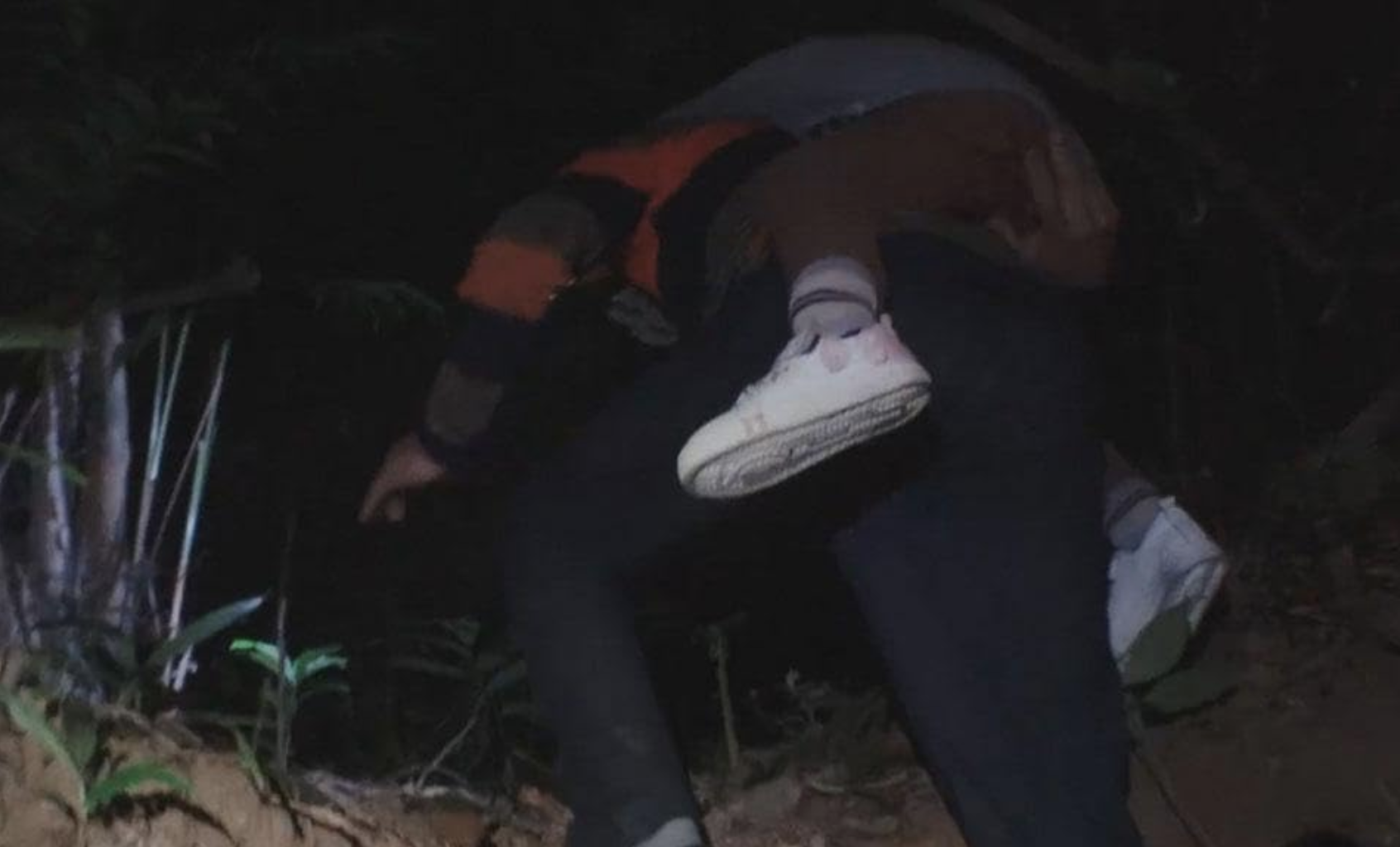
In this compelling documentary, several families risk everything to escape the iron grip of North Korea. Using covert footage, the doc gives an unprecedented glimpse into life under one of the world's most oppressive regimes.
As viewers watch the harrowing journey of escapees, the film captures their desperation, courage, and the incredible human drive for freedom. Found footage becomes a lifeline, transporting audiences into a world that is otherwise sealed off from the rest of us.
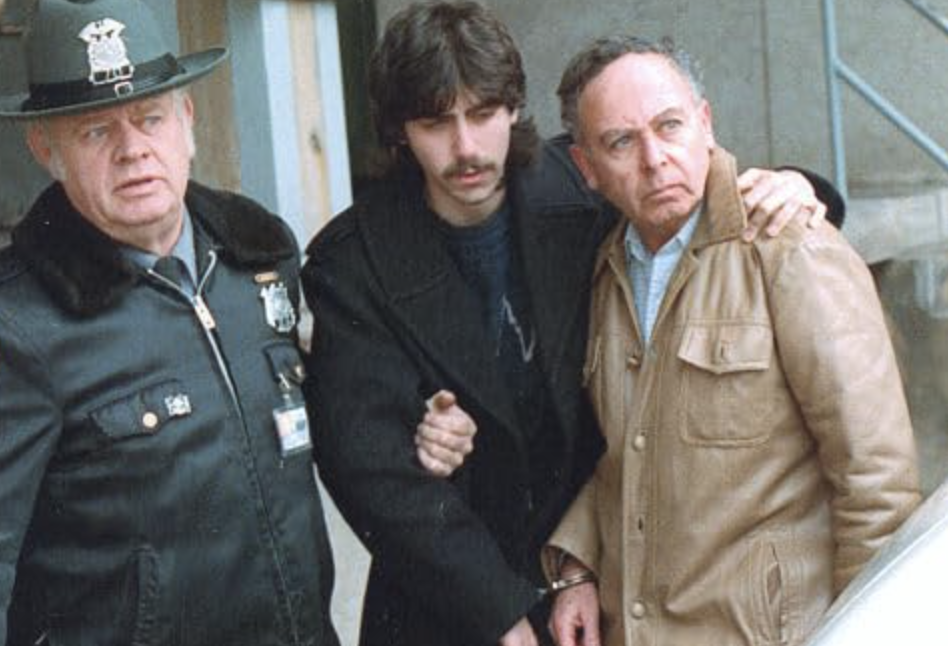
One of the most disturbing family docuseries to ever hit the screens uses home videos to document the unraveling of the Friedman family after the father and son are arrested on charges of child molestation.
What begins as a family home video quickly morphs into a doc that explores guilt, innocence, and the complexity of family dynamics. The footage shows a raw, unfiltered view of the family's descent into chaos and their desperate attempts to maintain normalcy.

An animated documentary that brings the hidden trauma of refugee life to the forefront, Flee tells the story of Amin, a man forced to flee Afghanistan as a child. As he prepares for his marriage, Amin reflects on his past through found footage and animation, revealing secrets he has kept buried for years. The juxtaposition of archive material and animation creates a unique visual landscape, immersing viewers in the fractured memories of a displaced life.
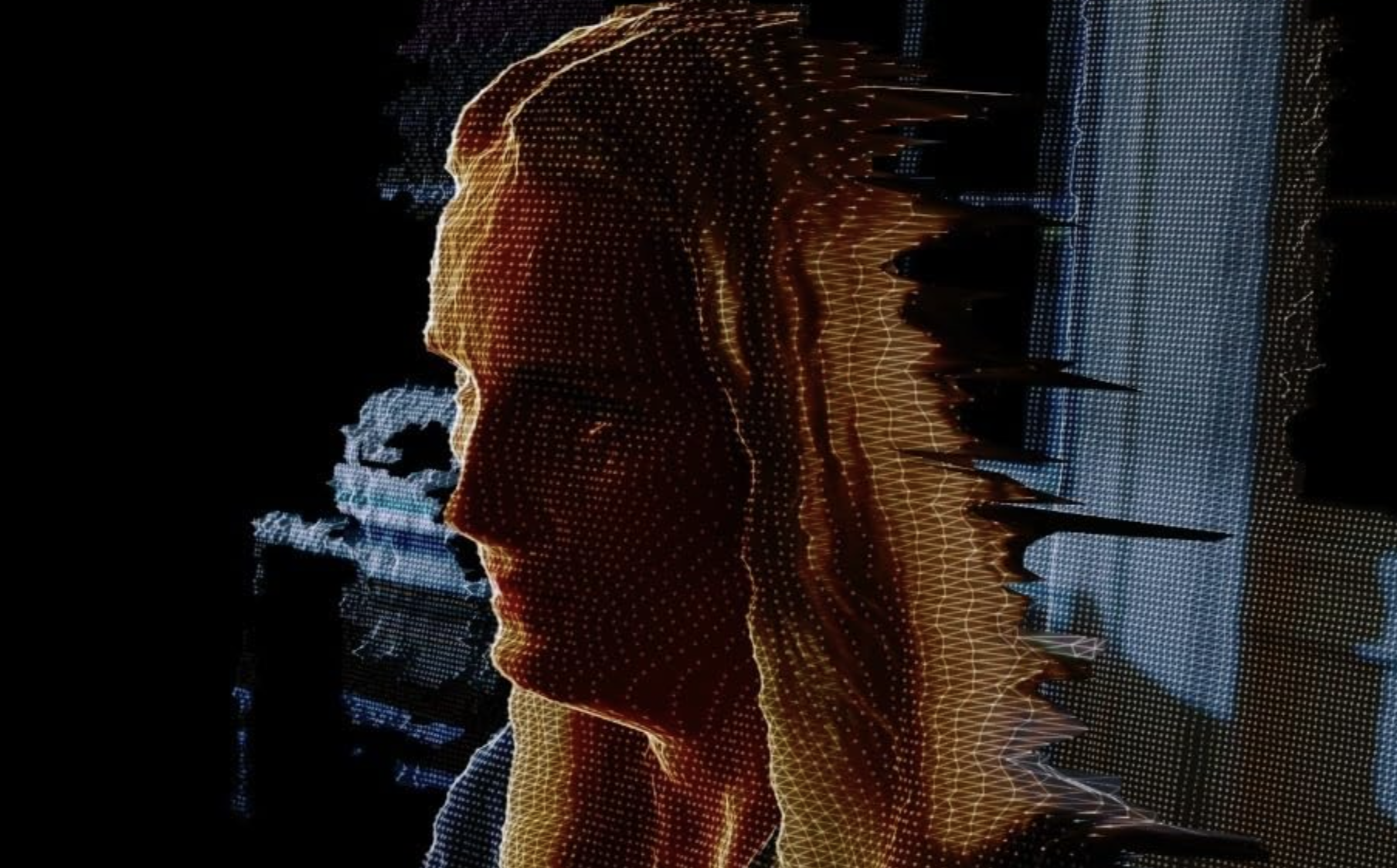
This action-packed docu examines the rise of cyber warfare through the story of Stuxnet, a self-replicating virus created by the U.S. and Israel to sabotage an Iranian nuclear facility. Through a combination of news footage and interviews, reveals the hidden complexities of modern warfare and the invisible battles being waged in cyberspace.
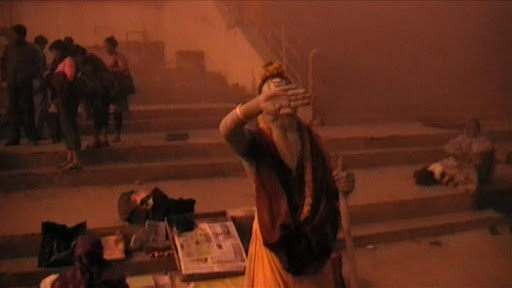
Composed entirely of amateur tourist footage, Tourists is a fascinating docu that examines our global obsession with recording our travels. The film stitches together videos from tourists around the world, exploring the banality of vacation footage while uncovering moments of genuine beauty and awe.

This Argentine documentary uses archive material to reconstruct the life of the filmmaker's brother, Nico, who passed away unexpectedly. Through found footage and personal videos, the filmmaker navigates the terrain of memory and loss, asking profound questions about how we remember those we've lost and how their stories continue to shape our lives.
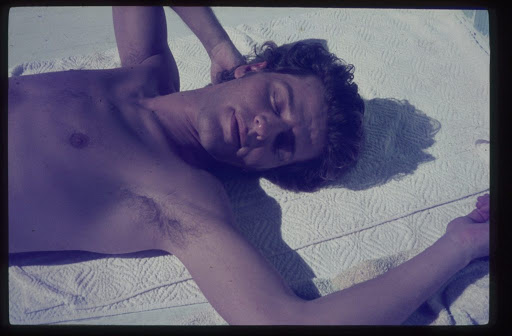
In this moving personal documentary, the filmmaker pieces together home videos recorded by her father, who documented everything, even his death. Through his recordings, she uncovers hidden aspects of his life, grappling with his clandestine identities and the secrets he kept from his family. The doc is a haunting reflection on how footage can both reveal and obscure the truth.
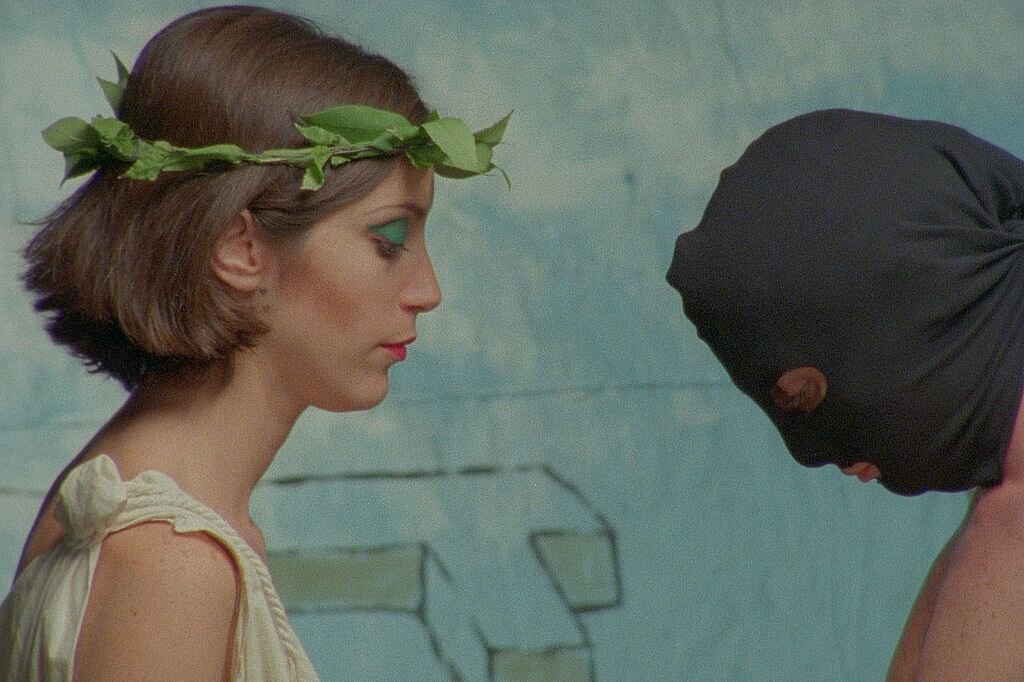
This insightful documentary is an experimental piece constructed from the remains of unfinished films stored in the archives of the Buenos Aires Film Museum. Like a cinematic Frankenstein, the documentary breathes new life into images that were once considered failures, creating a parallel history of Argentine cinema that is as fragmented and chaotic as the country’s past.
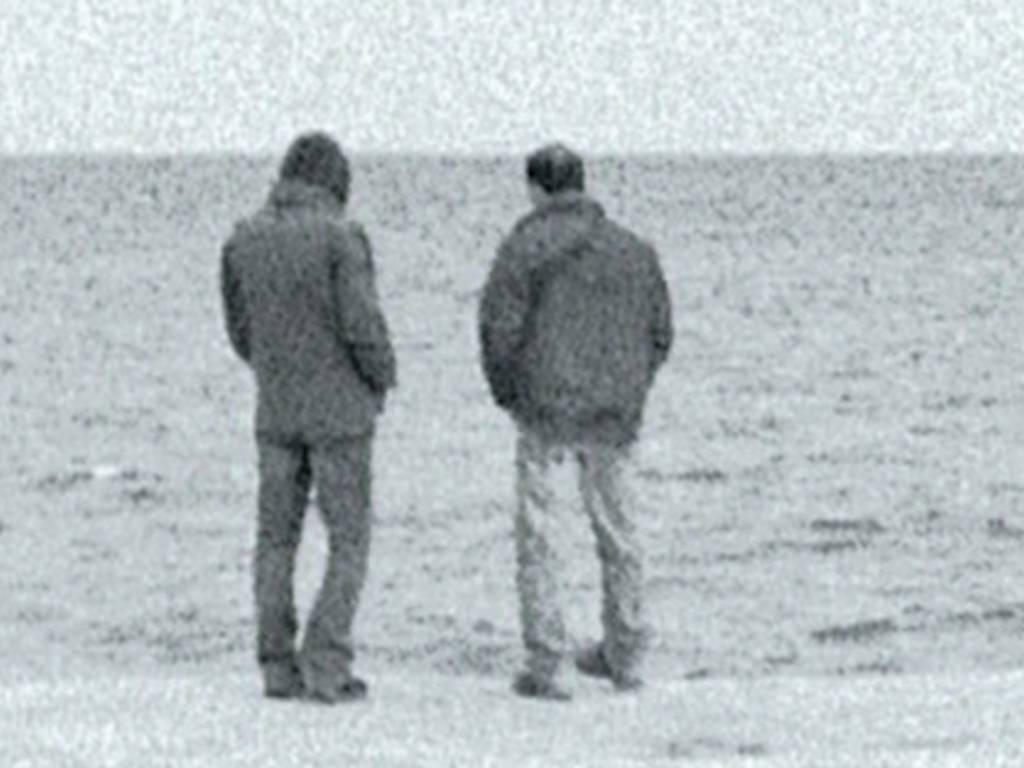
In this reflective docu, the filmmaker embarks on a personal journey with her cousins, Davide and Manuel, as they help her move out of Italy. Through found footage and personal recordings, the doc explores the generational disillusionment of the 1970s and 80s, as well as the familial bonds that endure even in the face of societal upheaval. It’s an intimate exploration of identity, loss, and the constant tension between staying and leaving.
In the end, archive and found footage documentaries are more than just films—they are acts of preservation, bringing to life stories that may have otherwise been forgotten. They remind us that even in our most mundane moments, there is something worth remembering, something worth seeing again.
As we scroll through Netflix, search for the next show to watch online, or browse docuseries on Guidedoc, we are reminded that these films hold a mirror up to the past, forcing us to reflect on how far we’ve come and how much we still have to learn.
In an age of endless content, it’s easy to forget the value of looking back. But these films ask us to slow down, appreciate the past, and understand that sometimes the most compelling stories aren’t new—they’re just waiting to be found.
Watch more great documentaries on Guidedoc

1398 films
And a new one every day

The preferred platform
of true documentary lovers
Half of all revenue goes
directly to the filmmakers