The documentary world has a peculiar way of pulling viewers into the personal and often chaotic lives of its subjects. From intimate portraits of societal issues to deep dives into the human psyche, the genre never fails to offer something new. Today, we’re diving into two such documentaries that, on the surface, couldn’t be more different, yet they both explore the fine line between love and obsession.
First, we take a look at 'Fanatical: The Catfishing of Tegan and Sara', a docu-film that delves into the complexities of fandom, deception, and identity. Then, we turn our attention to 'MarcosGarrido MarcosGarrido', a quarantine love story drenched in digital intrigue. Both films remind us of the thin veil that separates connection and obsession in an increasingly virtual world.

Premiered at the Toronto International Film Festival (TIFF) this year, 'Fanatical: The Catfishing of Tegan and Sara' is a documentary that couldn’t be more relevant in the age of social media. The film takes a chilling dive into the lives of the Canadian indie rock duo, Tegan and Sara, who found themselves at the center of an alarming catfishing scheme. For years, the duo had amassed a passionate queer fanbase, only to discover that an individual had been pretending to be one of them online, manipulating fans into virtual relationships.
Directed by Erin Lee Carr, who’s no stranger to examining obsessive behaviors—think Britney vs. Spears and The Case of the Bling Ring—this documentary shifts the lens toward the darker side of fame. Carr expertly captures the vulnerability of Tegan and Sara’s fans, many of whom believed they were engaging in personal conversations with their idols, only to be duped by a mysterious catfisher.
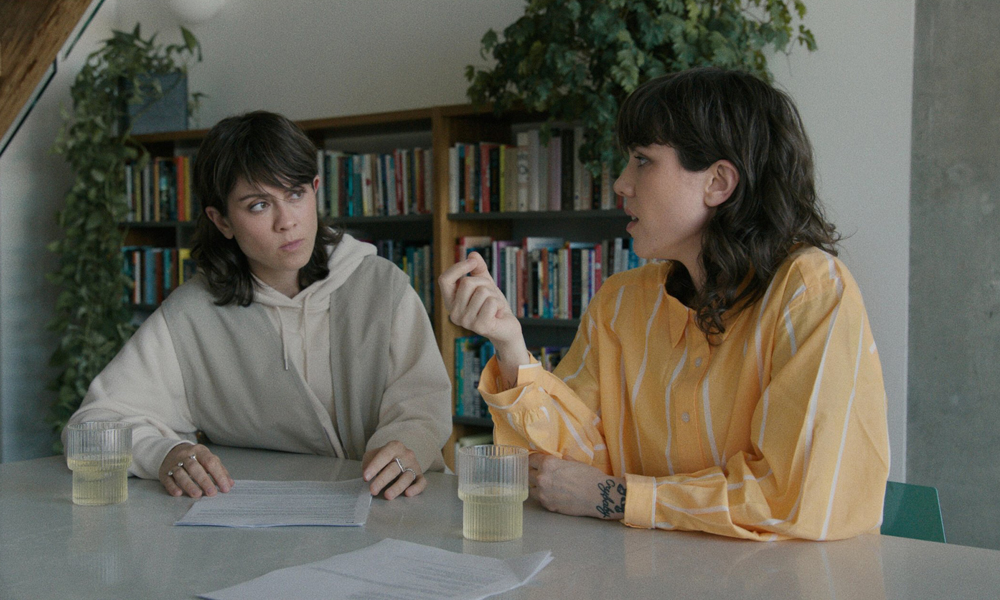
This docuseries digs deep into the complex relationship between celebrities and their followers. Carr reveals how easy it is for fans, yearning for connection, to fall prey to someone pretending to be their idol. As Tegan and Sara share their side of the story, viewers are forced to reckon with the dangerous allure of fame and how social media can fuel unhealthy obsessions. The docu-movie doesn’t just explore the catfishing scandal but also delves into how such deception impacts the emotional and mental well-being of those involved.
Through insightful interviews with victims and experts, Fanatical not only uncovers the psychological underpinnings of obsessive fandom but also challenges the stigma around those who fall for catfishing schemes. As Erin Lee Carr puts it, “It’s not about being dumb; it’s about the complex emotional manipulations we all experience in the digital age.”
Switching gears from fandom to love, 'MarcosGarrido MarcosGarrido' offers a vastly different exploration of obsession, this time from a more personal and intimate perspective. Directed by Rebeca Sasse, this documentary, or as some may call it, a "docudrama," unpacks the unsettling yet strangely relatable behavior of stalking an ex online—something many might shy away from admitting they’ve done.
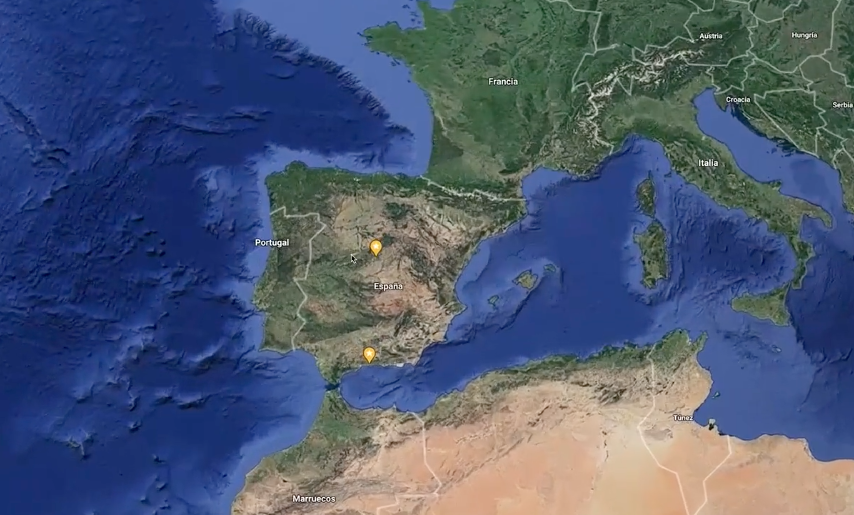
Set against the backdrop of a quarantined world, 'MarcosGarrido MarcosGarrido' follows a woman who embarks on a digital journey to reconnect with her ex-partner. Her ex, however, proves elusive—he doesn’t have any social media presence. For many, this would be a dead end, but our protagonist is determined. She resorts to an unusual method: revisiting the places they once shared, but not physically—she does it through Google Maps. What starts as a seemingly innocent investigation quickly spirals into an obsessive quest to re-live the past and, possibly, to find closure.
Rebeca Sasse’s work shines a light on the more vulnerable aspects of human nature. As the woman drifts from one digital landscape to another, viewers are pulled into her emotional labyrinth. The doc becomes more than just a story about online sleuthing; it’s an exploration of how the pandemic has altered our understanding of relationships. Quarantine forced many of us into a state of isolation, leading some to dig into their pasts in search of meaning or, at the very least, some semblance of connection. This film taps into the profound loneliness of quarantine, while also tackling the delicate balance between reminiscing and obsessing.
Sasse’s direction manages to combine humor and melancholy, allowing the audience to laugh at the absurdity of using Google Maps as a proxy for an emotional journey while also empathizing with the deep yearning that drives such behavior. It’s not just a quirky Netflix show—it’s a mirror to the ways we cope with lost love in a digital age. The protagonist's obsession with finding her ex online reflects a broader societal tendency: the desire to hold onto connections, even when they're long gone, through any means necessary.
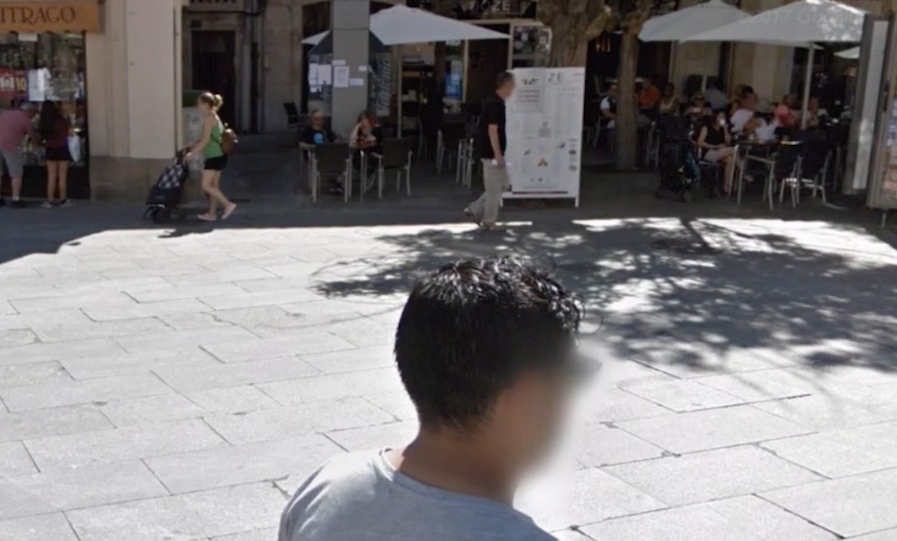
What makes 'MarcosGarrido MarcosGarrido' such a compelling film is how it taps into a universal experience. Who hasn’t, at some point, gone down a rabbit hole of stalking an ex on social media or revisiting old messages and memories? The difference here is that our protagonist doesn’t have the luxury of scrolling through an Instagram feed or checking Facebook updates. Instead, she navigates a virtual world that’s entirely impersonal—Google Maps’ street views, old photo albums, places that once held meaning but now serve only as relics of a past life.
The documentary plays with the tension between nostalgia and obsession. What starts as an attempt to gain closure becomes a much deeper exploration of how digital spaces have become our new emotional landscapes. As viewers, we watch as the protagonist toggles between moments of clarity and obsession, unable to let go but unsure of what exactly she’s searching for. It’s a stark reminder of how our relationships have become intertwined with technology and how easily the digital realm can fuel obsessive behaviors.
Sasse’s film also raises intriguing questions about privacy in the digital age. The use of Google Maps as a tool for revisiting the past blurs the lines between public and private spaces. When you can stroll through the streets of any city without ever leaving your couch, where do we draw the line between harmless curiosity and unhealthy fixation?
'MarcosGarrido MarcosGarrido' is expected to be released later this year, and fans of indie films and quirky docudramas are eagerly awaiting its debut. While it may not have the high-profile buzz of 'Fanatical: The Catfishing of Tegan and Sara', this documentary promises to be equally captivating. For those who love to watch online, keep an eye out on platforms like Guidedoc, where the film will likely make its streaming debut.
Whether it's through the lens of celebrity catfishing or a love story navigated via Google Maps, both 'Fanatical: The Catfishing of Tegan and Sara' and 'MarcosGarrido MarcosGarrido' explores the themes of obsession, connection, and identity. They remind us of the thin line between admiration and fixation, showing how easily we can become entangled in the lives of others—be they our favorite musicians or long-lost lovers.
In a world where technology increasingly mediates our relationships, these documentaries provide insightful, often humorous reflections on how we seek connection and closure. From catfishing schemes that prey on fandom to revisiting old haunts through Google Maps, the message is clear: our digital tools have become extensions of ourselves, for better or worse. And whether you're watching Netflix or Guidedoc, there's no shortage of films and shows that explore these deep-seated emotions.
Watch more great documentaries on Guidedoc

1398 films
And a new one every day

The preferred platform
of true documentary lovers
Half of all revenue goes
directly to the filmmakers