Vampires have always embodied that perfect fusion of hypnotic seduction and chilling horror. From ancient folklore whispered across Eastern Europe to modern docuseries dissecting every nuance of the undead, few tropes spark collective imagination like the fanged fiend. Even in a cinematic world flooded with action-packed franchises, the allure of vampiric legends remains unbreakable.
Two distinctive pieces of vampire cinema beckon from different corners: a brand-new adaptation titled Nosferatu (2024) and a quietly intriguing documentary named Drácula Barcelona, directed by Carles Prats, available on Guidedoc. Both give fresh perspectives on a century-old fear, proving that no matter how often the vampire arises, it still finds novel ways to bare its teeth.
Horror buffs hunting for a stylish show to watch online may find themselves scrolling through Netflix, YouTube, or specialized streaming sites like Guidedoc. Others, however, are drawn to behind-the-scenes docudramas and experimental pieces that reveal the creative forces behind these undead sagas. One category entertains with grand visuals and scares, while the other pulls back the coffin’s lid to reveal hidden truths about how vampire stories are conceived and crafted, shedding new light on the classic myths that keep these timeless legends alive.
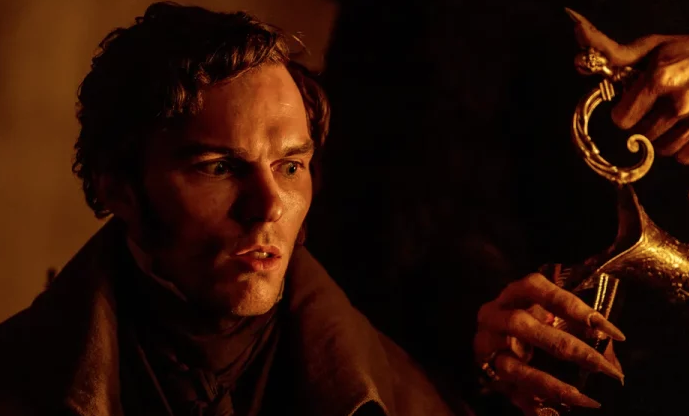
A new adaptation of the silent classic Nosferatu draws eager attention from horror enthusiasts worldwide. The film is an audacious reimagining of F. W. Murnau’s silent classic. This blockbuster quickly became a trending docu-topic on horror forums worldwide, and combines the haunting atmosphere of the original with state-of-the-art technology. Rumors swirl around the production’s location scouting in Eastern Europe, emphasizing ancient castles once rumored to be inhabited by real-life vampires.
Although it’s primarily a fictional movie, the marketing team released a behind-the-scenes docuseries on YouTube, teasing the film’s moody visuals and historical references. The docu side of this production has enthralled viewers seeking to watch online featurettes that dissect everything from costume design to the chilling ambiance of centuries-old crypts.
While Nosferatu (2024) is set to enthrall a broad mainstream audience, hardcore vampire aficionados might find themselves craving a deeper exploration of the region’s cinematic history. That’s where Drácula Barcelona steps in: a documentary that shines a fluorescent (or should we say moonlit?) light on a lesser-known corner of vampire film lore, bridging both commercial horror cinema and pure experimental approaches.
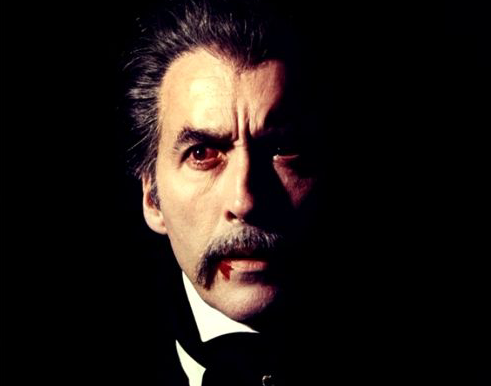
Directed by Carles Prats, Drácula Barcelona is the perfect docu for connoisseurs of offbeat horror cinema. This movie takes a deep bite into the making of Count Dracula (1969), directed by the wildly prolific Spanish filmmaker, Jess Franco—often referred to as the “godfather of national infragenres” and “a total artist” for his unrelenting output of B-movie wonders.
The documentary also charts the evolution of the spin-off film Cuadecuc, vampir, crafted by Pere Portabella, an extraordinary piece that straddles the line between commercial horror and avant-garde experimentation.
“Ruthless hooligan” or “an outsider genius”—opinions about Jess Franco’s filmography vary as wildly as the color palettes in his cult classics. Known for working within tight budgets, Franco often dove headfirst into co-productions spanning drastically different countries, resulting in unusual cinematic cross-pollinations. Drácula Barcelona dissects this exhilarating dynamic, showing how Franco embraced the instability of financing and the unpredictability of censorship to create a truly one-of-a-kind oeuvre.
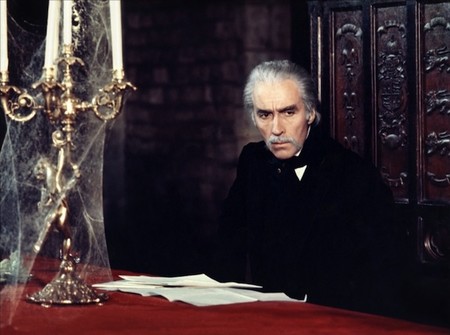
Franco’s Count Dracula starred the legendary Christopher Lee—famed for his roles as Fu Manchu, The Mummy, and of course, numerous turns as Count Dracula itself. Even though Lee’s involvement in vampire movies spans decades, Count Dracula (1969) remains a defining chapter, showcasing a chilling performance that balanced his aristocratic poise with an undercurrent of menace.
“When my agent proposed that I participate in that film, I said no,” Lee recalled in the documentary Drácula Barcelona, by Carles Prats. “Then I received a phone call from Jaime Carreras, head of Hammer, and he told me: ‘You have to do it.’ I said, ‘No, I’m not going to do it,’ and he said, ‘You have to do it because I’ve sold the film to an American distributor with you in that role. Think about the number of people who won’t work if you say no.’ What could I do?”
That sense of reluctant duty reveals just how pivotal Lee was to the film’s success—and underscores how Drácula Barcelona digs into the nuts and bolts of film production in those days, painting a nuanced portrait of behind-the-scenes hustle.
Born on May 27, 1922, Christopher Lee came from an illustrious London family. His mother, Estelle Mari Carandini di Sarzano, boasted aristocratic Italian roots, while his father, Geoffrey Trollope, was a lieutenant colonel who served in the Boer War and World War I. Early in Lee’s life, as documented in Drácula Barcelona, family acquaintances nudged him towards performance.
“Given the young man’s lack of response, Carandini, who had become the first Italian ambassador in London after the Second World War, made him a suggestion: ‘Have you thought about becoming an actor? Your great-grandparents founded the first opera company in Australia. His five daughters were also singers and, therefore, actresses. You can say that you have it in your blood.’”
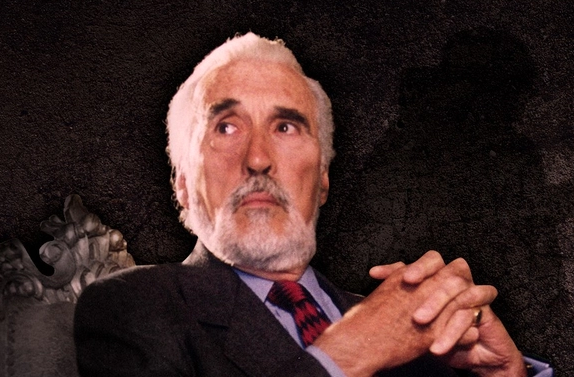
Little did Lee’s family know just how literally that advice would be taken—blood would, indeed, mark his career. With an imposing frame and a resonant voice, Lee became arguably the most iconic Dracula in cinematic history, bridging mainstream horror, B-series fun, and the experimental edges that Drácula Barcelona dissects.
Contrary to the notion that vampire movies thrive only in British or American labs, Spain boasts a robust horror tradition, particularly from the ‘60s and ‘70s. Jess Franco played a massive role, but so did Pere Portabella, who took the original footage from Count Dracula and transformed it into an art piece known as Cuadecuc, vampir—a mesmerizing, experimental shadow of the commercial film. Drácula Barcelona traverses these two worlds: the populist approach of Franco and the dreamlike abstractions of Portabella.
If you have a taste for obscure cinematic history or longing to see the seamless collision between commercial horror and avant-garde video installations, Drácula Barcelona belongs high on your watchlist. And if you’re seeking more context on Europe’s scariest classics, don’t forget to check out our article “The Horror Heritage: Europe’s Scariest Classics” on Guidedoc for more spooky insights.
We’ve traced the lineage of vampiric cinema, from Murnau’s definitive silent terror to the glossy reboots of modern times. But few docs underscore the hidden art within horror quite like Drácula Barcelona. If you yearn for a documentary that’s more than just a behind-the-scenes add-on—something that unearths the historical, cultural, and experimental veins of a film—this 2017 gem demands your attention. It’s a doc that doesn’t shy away from the playful irreverence of Jess Franco’s approach, nor does it ignore the cultural significance of Christopher Lee’s tall, aristocratic presence.
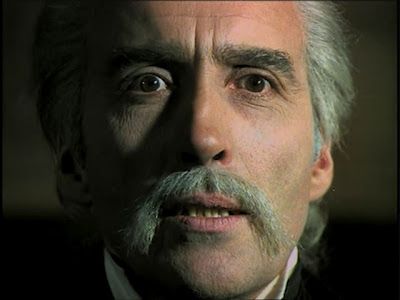
Drácula Barcelona stands at the confluence of experimental filmmaking and commercial horror—two realms that rarely find harmony. Carles Prats pulls back the curtain on the synergy between Franco’s Count Dracula and Portabella’s Cuadecuc, a vampire, showing how these parallel works bled into one another, united by the gravitational pull of a single pop-culture monster.
Viewers with a passion for creative processes and the interplay between commerce and artistry can find a fascinating window into these tensions through Drácula Barcelona. This documentary is available to watch on Guidedoc, illuminating the chaotic energy of Jess Franco’s sets and the behind-the-scenes details that shaped Count Dracula (1969). At the heart of it all stands Christopher Lee, whose elegant menace still captivates in every frame.
Vampire myths consistently mesmerize, no matter how often their tales are retold. Ancient crypts and moonlit hunts give rise to alluring and terrifying reflections on mortality, desire, and the uncanny.
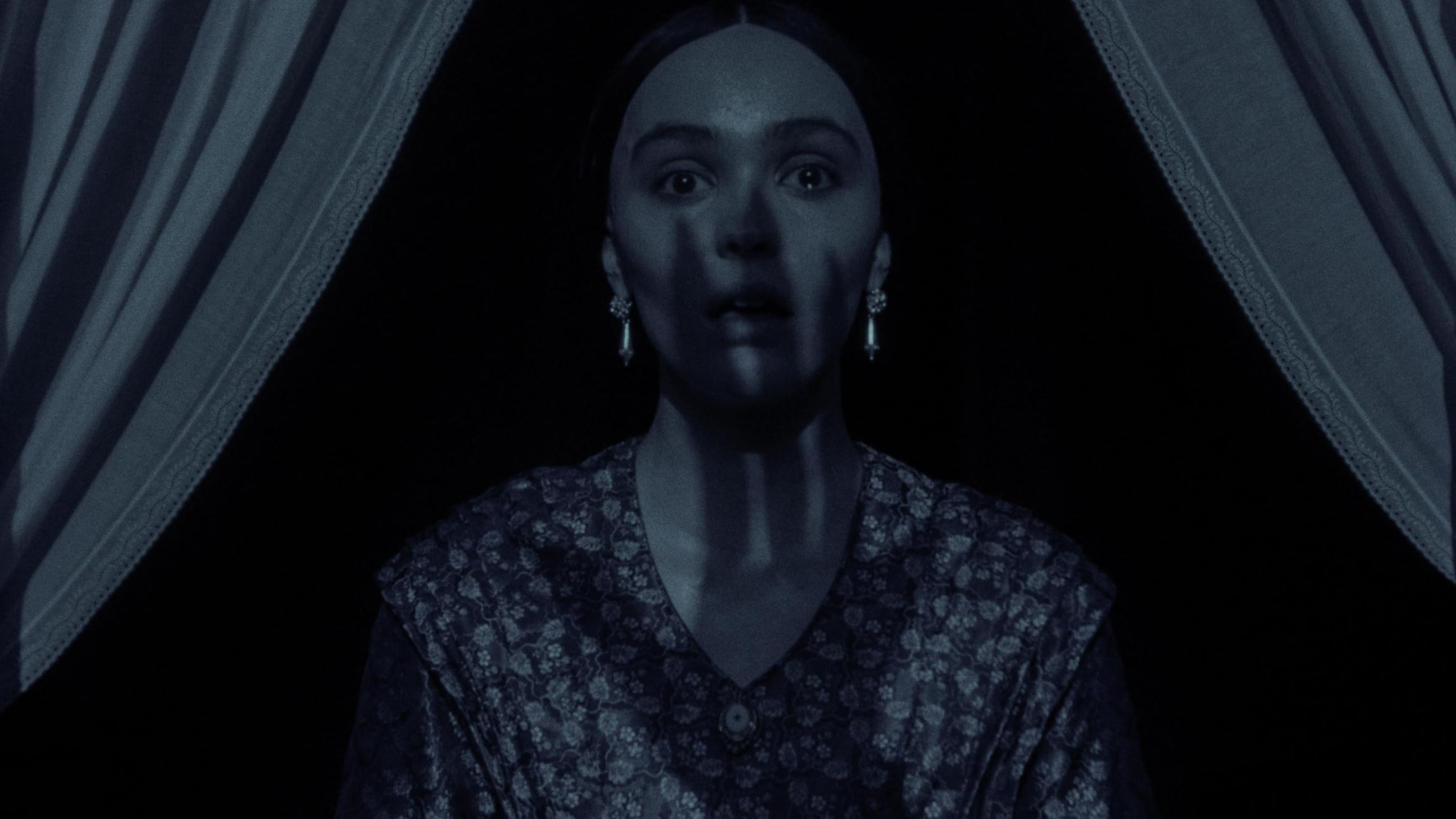
Whether it’s the glossy shadows of Nosferatu (2024) or the offbeat experimentations of Spanish productions, the vampire figure endures, adapting to each new era while staying rooted in timeless folklore. Drácula Barcelona captures that blend of old and new, shedding light on a creative rush that bridged the gap between mainstream horror and avant-garde exploration. A century may have passed since cinematic vampires first rose, but as proven here, the legend still finds ways to drink deeply from the well of human fascination.
If you are passionate about mythical characters, you might be interested in this article.
Watch more great documentaries on Guidedoc

1398 films
And a new one every day

The preferred platform
of true documentary lovers
Half of all revenue goes
directly to the filmmakers