True crime documentaries, docudramas, and films that explore the darkest moments of human behavior have taken over our streaming services, and it's not hard to see why. We are endlessly fascinated by how people can commit heinous acts and the ripple effects those actions have on families, communities, and even entire countries.
Whether glued to Netflix, Guidedoc, or scouring YouTube for more docu content, there’s an undeniable allure to watching these real-life stories unfold. But what happens when the line between victim and villain is blurred, and the themes of guilt, punishment, and forgiveness are at the heart of the narrative? Two gripping documentary films — one brand new and one a decade old — bring these uncomfortable questions to the forefront in shocking ways.
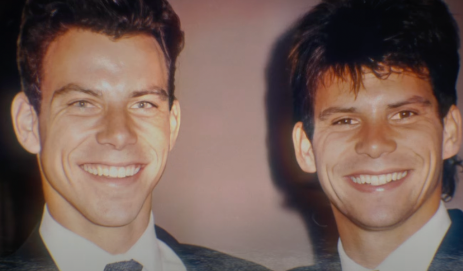
With the last release of 'The Menendez Brothers' on Netflix, a new chapter in the infamous saga of Lyle and Erik Menendez was unfolded. Suppose you thought you knew the full story. In that case, this docuseries promises to dig deeper, exploring not just the courtroom drama, but the emotional undercurrents of a family tragedy that still sparks debate decades later.
In 1989, Lyle and Erik murdered their parents, José and Kitty Menendez, in cold blood, shocking their wealthy Beverly Hills community. The trial became one of the most sensational courtroom dramas of the 1990s, culminating in a media frenzy. The brothers claimed that years of emotional and physical abuse at the hands of their father drove them to kill out of self-defense, a story that continues to polarize audiences. Were they victims or villains? The upcoming Netflix doc promises to reveal new insights, featuring never-before-seen interviews with the Menendez brothers themselves from behind bars.
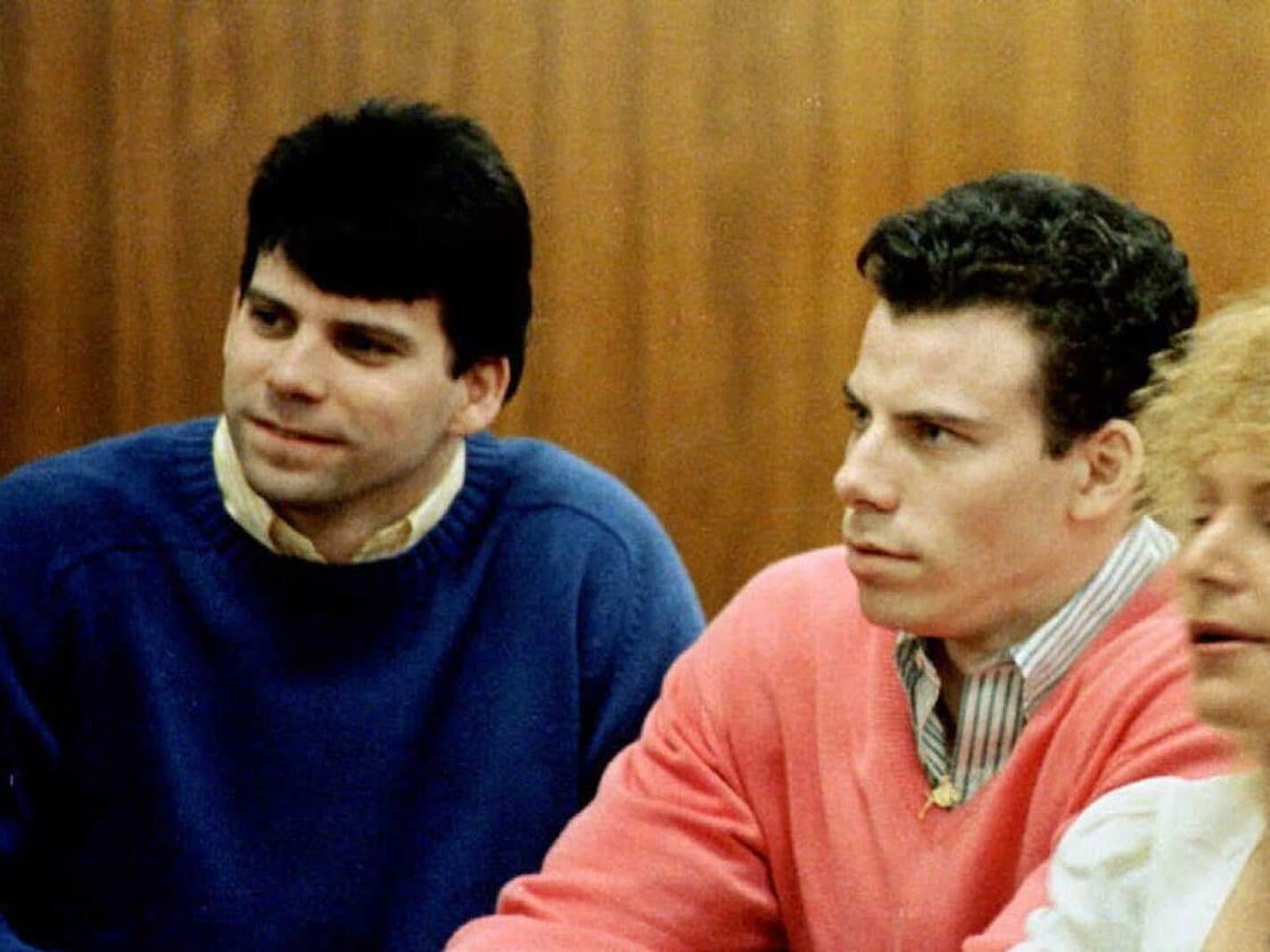
The Menendez case is a prime example of how docuseries and docudramas captivate us by humanizing those we’ve already judged. Netflix excels at pulling us into the gray areas of these real-life stories. The Menendez brothers’ case is not just another murder mystery; it’s a deep dive into family dynamics, societal expectations, and the question of whether two broken sons should be defined by one horrific night.
As the show approaches its release date, audiences are buzzing about where to watch and how to access exclusive footage. Whether you’ll be streaming on Netflix or watching video clips on YouTube, this latest addition to the true crime docuseries landscape is sure to leave a lasting impact.
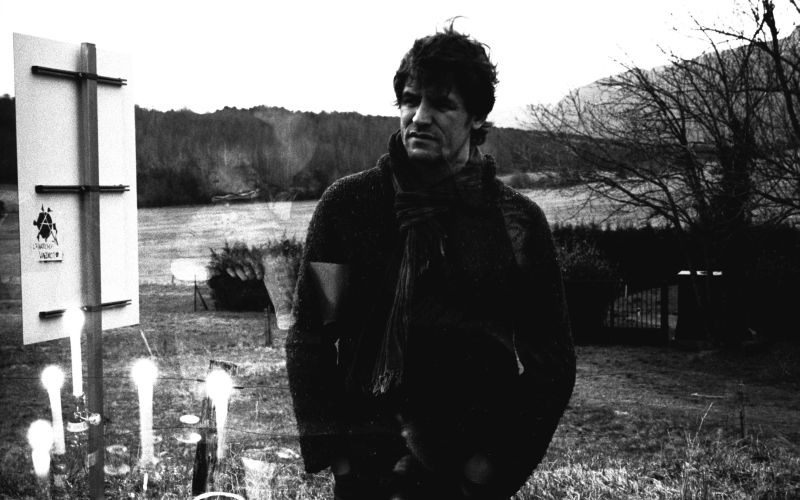
Now let’s turn to a different, equally thought-provoking documentary that forces us to confront our ideas about guilt, mental illness, and the possibility of redemption. 'The Forgiveness' (*El Perdón*), directed by Ventura Durall, takes us on a chilling journey into the mind of Andrés Rabadán, also known as "The Crossbow Killer."
If you’re not familiar with his story, let me give you a brief introduction. In 1994, at just 19 years old, Rabadán shocked Spain when he murdered his father with a crossbow—an act as medieval as it was horrifying. Before his arrest, he had also caused multiple train derailments, though miraculously, there were no casualties. Diagnosed with paranoid delusional schizophrenia, Rabadán was sentenced to 20 years in a psychiatric institution, though his case remains one of Spain’s most notorious crimes.
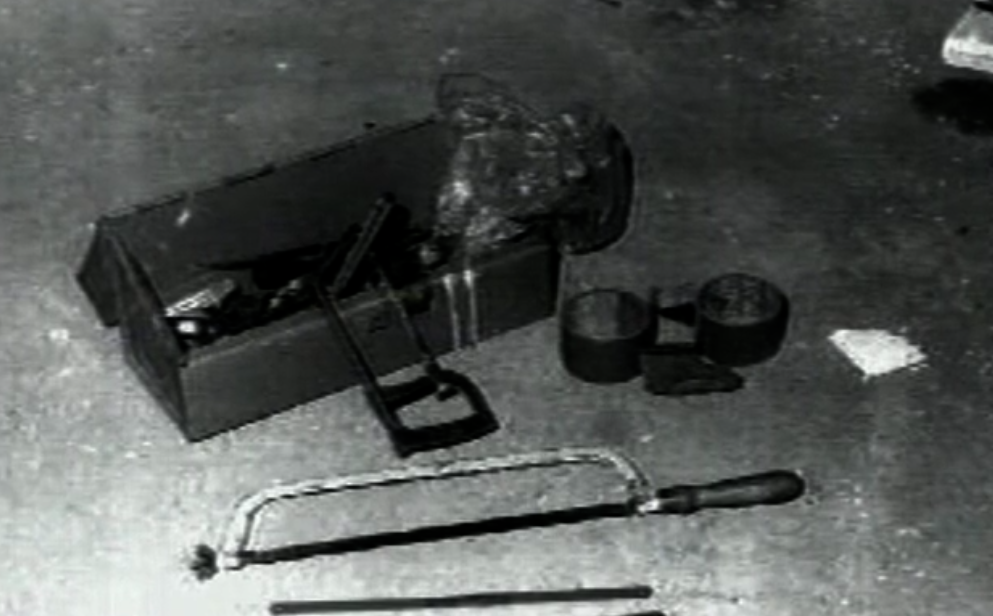
Fifteen years after the murder, Rabadán speaks publicly for the first time in Durall’s documentary, offering an unsettling, yet insightful look into the mind of a killer. The doc isn’t just about the crime; it’s a cinematic exploration of what it means to seek forgiveness after an unforgivable act. Through interviews with Rabadán, his family, and others involved in the case, 'The Forgiveness' takes on a narrative style reminiscent of 'The Thin Blue Line' or 'Into the Abyss' — blending investigative journalism with human drama.
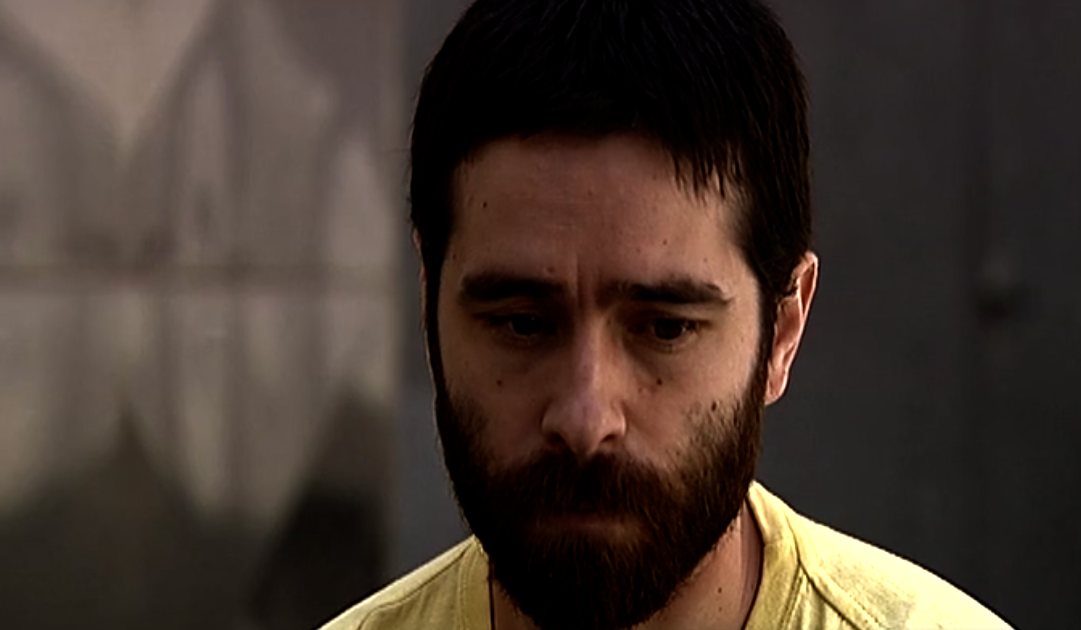
What’s so gripping about 'The Forgiveness' is its deep dive into the psyche of a man who has committed the ultimate crime: patricide. Throughout the film, Rabadán repeatedly asks the viewer, "You think you know me? Well, you don’t." His flat tone and unflinching gaze hint at a cold detachment that only intensifies the film's uneasy tension. And yet, we’re forced to question ourselves: Could we, too, be capable of something so dark under extreme circumstances?
Durall’s approach is smart and haunting. Using Rabadán’s expressionist drawings made while he was confined, the documentary juxtaposes the mind of a murderer with his capacity for creativity and reflection. The art itself becomes a metaphor for the complexity of human nature, blurring the lines between sanity and madness, guilt and redemption.
Rabadán’s sister, Carmen, emerges as a key player in the film, giving an emotional counterbalance to her brother’s cold demeanor. Her attempts to understand and forgive him offer a poignant layer to the narrative, reminding us that every crime has more than one victim. The climax of the documentary unearths a shocking revelation that shifts our understanding of the case, providing one last emotional punch that’s hard to forget.
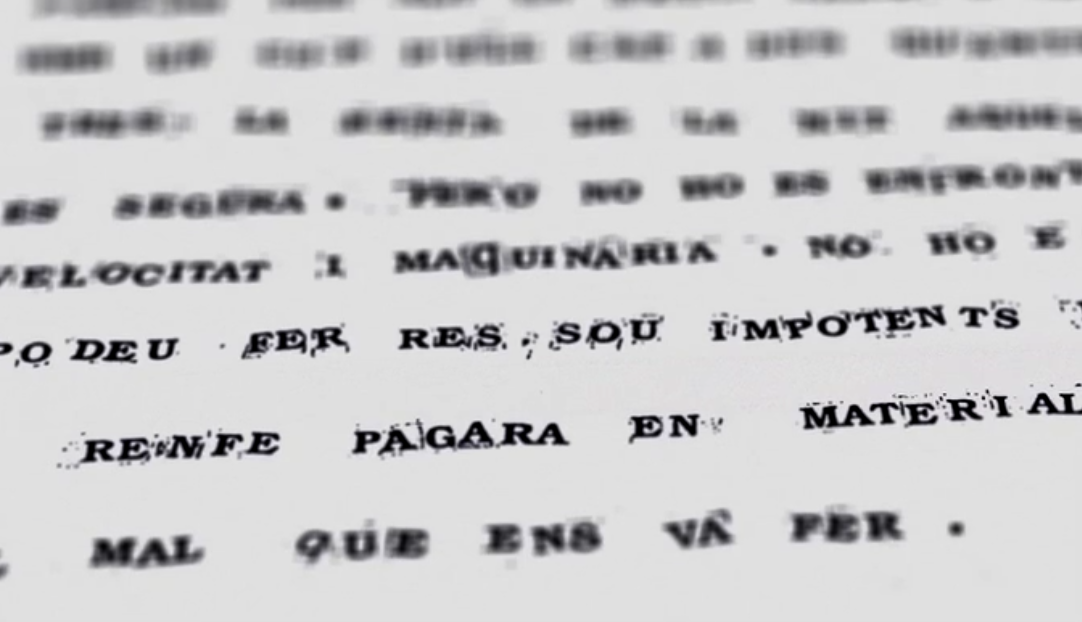
What makes these docs so compelling is the moral maze they force us to navigate. Both 'The Menendez Brothers' and 'The Forgiveness' challenge our preconceptions about justice, guilt, and rehabilitation. Should someone like Rabadán be given the chance to tell his story? Should the Menendez brothers be seen as victims of their upbringing, or as cold-blooded killers?
In 'The Forgiveness', Ventura Durall masterfully orchestrates moments of horror and empathy, offering glimpses into the darkest corners of the human experience. As viewers, we are left questioning the limits of our capacity for forgiveness. Would we be able to forgive someone like Rabadán if we were in his sister’s shoes? Is forgiveness even possible in such a case, or is it just a defense mechanism to cope with overwhelming grief?
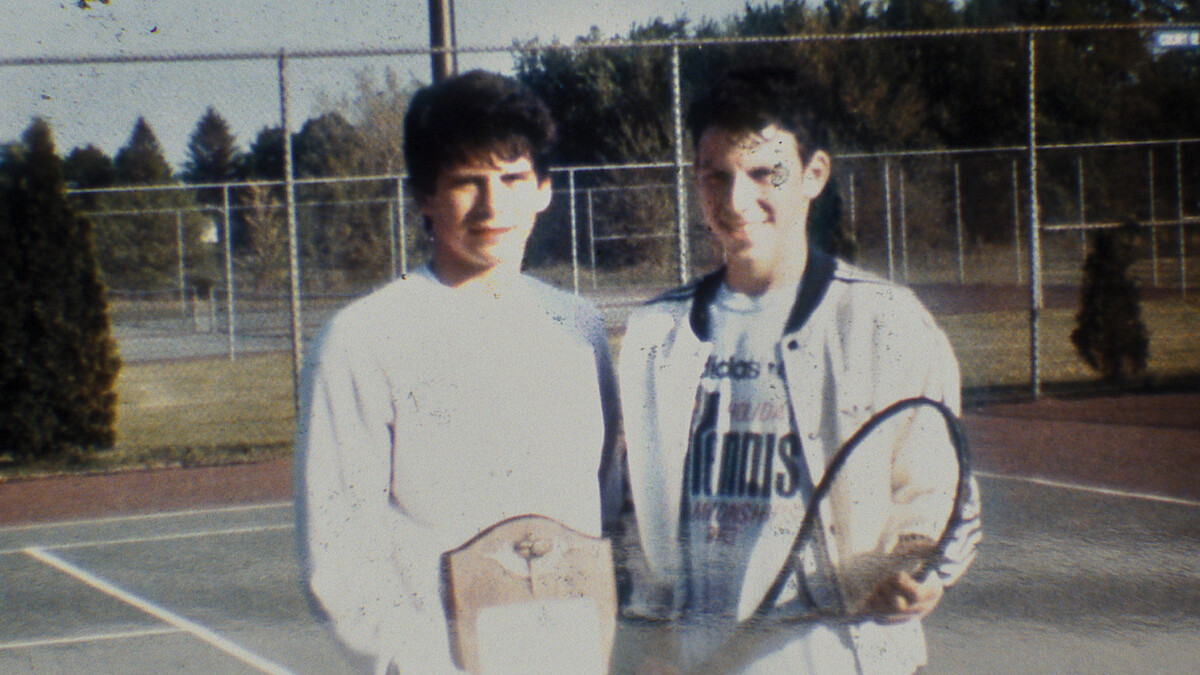
These two stories, though vastly different in detail, both hold up a mirror to society. In 'The Menendez Brothers', we see the stark realities of generational trauma and the legal system’s role in shaping public perception. In 'The Forgiveness', we confront the raw, unsettling truth of what it means to be human and imperfect. Whether on Guidedoc, Netflix, YouTube, or another platform, these documentaries are far more than entertainment — they are an exploration of morality, resilience, and what it means to atone for one’s sins.
The real-life stories told in 'The Menendez Brothers' and 'The Forgiveness' go beyond the sensationalism of crime documentaries. These films explore the intricate emotions of those who commit heinous acts, the victims left behind, and the family members caught in the middle. They force us to ask difficult questions about punishment, justice, and the human capacity for forgiveness.
While 'The Menendez Brothers' provides a docu-drama-style look at a story many of us think we know, 'The Forgiveness' goes deeper, exploring the psychological terrain of a man driven to kill his father. In both docs, we find uncomfortable truths about human nature, and perhaps, a small glimmer of hope that, despite our darkest instincts, redemption might be possible.
If you're wondering where to watch these gripping tales, keep an eye out on Netflix for 'The Menendez Brothers' and check out 'The Forgiveness' on platforms like GuideDoc for a more profound dive into the complexities of the human mind. These stories are more than movies or shows — they're a reflection of how we cope with tragedy, justice, and, yes, even forgiveness.
Watch more great documentaries on Guidedoc

1398 films
And a new one every day

The preferred platform
of true documentary lovers
Half of all revenue goes
directly to the filmmakers