In the ever-expanding realm of digital storytelling, where reality blurs with fiction and truth becomes a subjective experience, two compelling visual narratives stand out: 'The Mandela Effect Phenomenon' (2024), directed by Robert Kiviat, and 'Oasis', a striking animated short film by Veneta Androva.
Although vastly different in their approach and medium, these two works delve into the concept of perception and the often deceptive nature of reality. One questions the fabric of our memories, while the other presents a surreal vision of a post-apocalyptic world, inviting us to contemplate the mirages we create—individually and collectively.
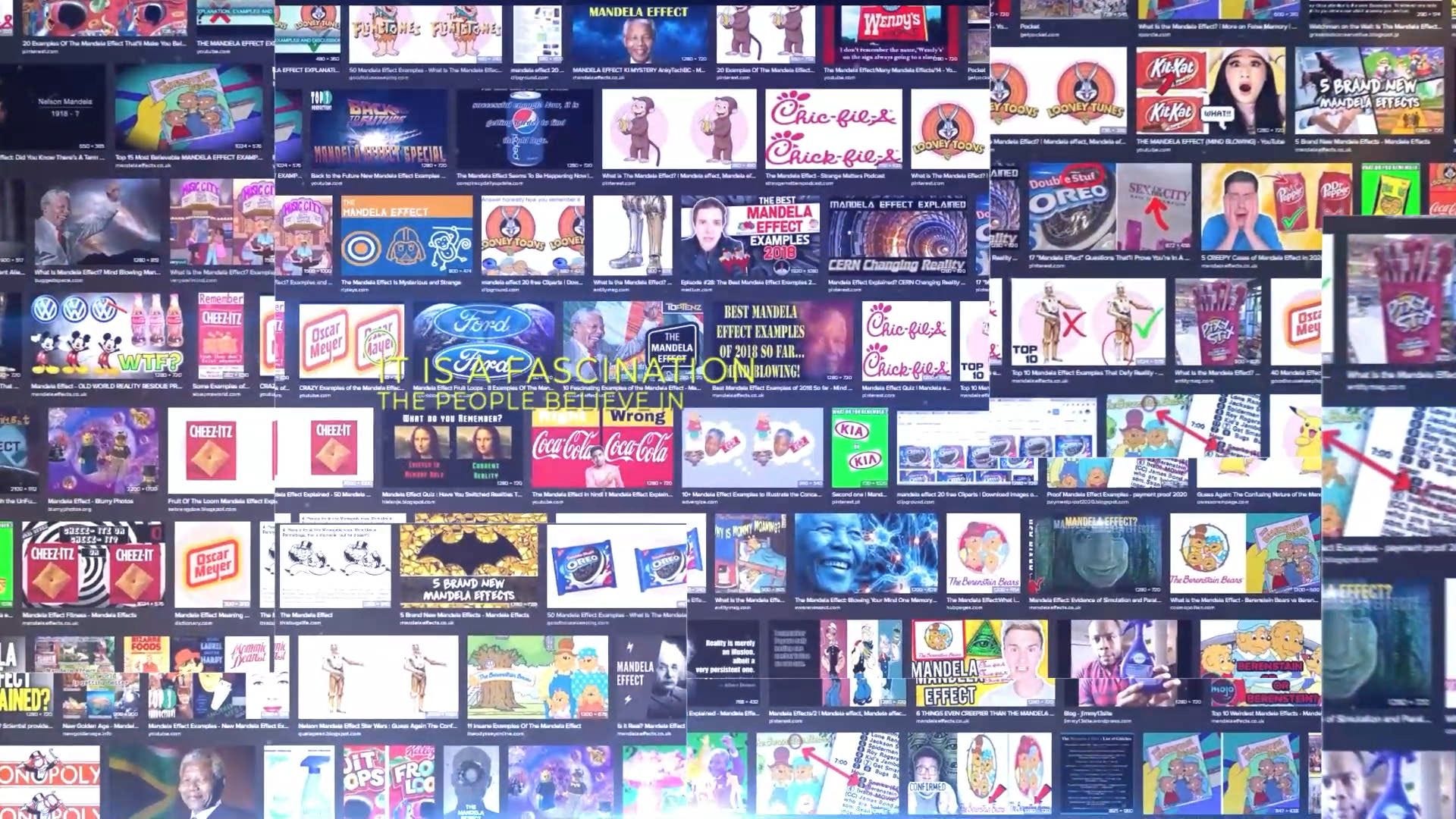
Have you ever been convinced that something happened in a certain way, only to find out it didn’t? Welcome to the world of the 'Mandela Effect', a psychological phenomenon where large groups of people remember events differently than how they occurred. Robert Kiviat's 'The Mandela Effect Phenomenon' docuseries dives deep into this peculiar cognitive glitch, exploring why so many of us recall details from history, pop culture, and even personal experiences that don’t align with documented facts.
This gripping documentary is not just an exploration of quirky memory lapses. It’s an invitation to question the nature of reality itself. With interviews from psychologists, neuroscientists, and even everyday people who have experienced the Mandela Effect firsthand, Kiviat’s film challenges the audience to consider the possibility that our shared reality may not be as concrete as we think. Could there be parallel universes at play? Or is it simply a collective misremembering fueled by the internet and mass media?

In an age where misinformation spreads like wildfire, 'The Mandela Effect Phenomenon' serves as both a cautionary tale and a fascinating exploration of the mind’s power to construct its versions of the truth. It’s a must-watch docu for anyone interested in the intersections of psychology, culture, and the ever-elusive nature of reality.
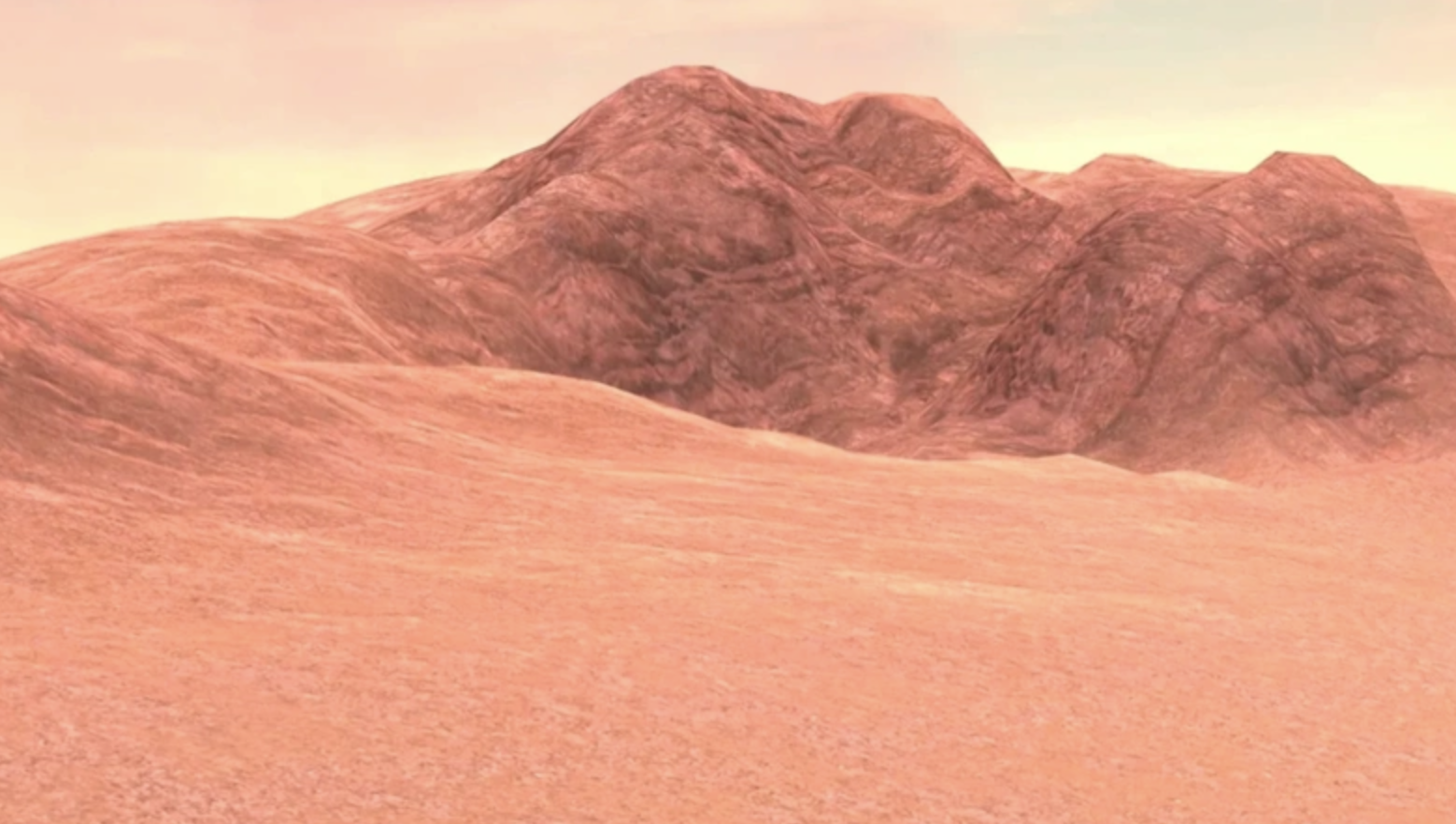
Shifting gears from cognitive dissonance to the visual splendor, Veneta Androva’s 'Oasis', available on Guidedoc, offers a completely different, yet equally captivating, exploration of illusion. This animated short film, which has garnered attention for its stunning visuals and thought-provoking themes, takes place in a post-apocalyptic desert where a mirage of an oasis becomes the focal point of the narrative.
Unlike traditional documentaries, 'Oasis' leans into the surreal, using the medium of animation to craft a world that feels both familiar and otherworldly. The film’s protagonist, a lone wanderer, stumbles upon what appears to be an oasis in the middle of a barren wasteland. But as with most things in Androva’s work, nothing is as it seems. The oasis is not just a physical place, but a metaphor for hope, desire, and the human tendency to find meaning in the meaningless.
Androva’s approach to storytelling is as much about what is seen as it is about what is felt. The stark contrast between the desolation of the desert and the lush, inviting nature of the oasis creates a visual tension that mirrors the internal struggle of the wanderer. Is the oasis real, or just a figment of his imagination? This question lingers throughout the film, much like the lingering doubt we feel when confronted with the Mandela Effect.
In interviews, Androva has spoken about her inspiration for 'Oasis', citing the human need for escapism in times of crisis. The film, though short, packs a powerful punch, reminding us that even in the bleakest of circumstances, we are capable of creating beauty—albeit fleeting and often illusory.
While 'The Mandela Effect Phenomenon' and 'Oasis' differ in style, genre, and medium, they share a common thread: the exploration of reality versus perception. Kiviat’s documentary encourages viewers to question their memories, to consider that what they remember as truth may not be real at all.
On the other hand, Androva’s 'Oasis' invites us to revel in the beauty of illusion, to acknowledge that sometimes, the things we imagine can offer a respite from the harshness of reality.
Both films are a testament to the power of visual storytelling in examining the human condition. They remind us that reality is not always a fixed point, but rather a spectrum influenced by our minds, our experiences, and our desires. Whether through the lens of a documentary or the vibrant colors of an animated film, these works challenge us to look beyond the surface and question the world as we know it.
In a world where the line between reality and fiction is increasingly blurred, 'The Mandela Effect Phenomenon' and 'Oasis' stand as poignant reminders of our capacity to perceive, dream, and create. These films, in their unique ways, push the boundaries of conventional storytelling, offering viewers not just entertainment, but a deep dive into the complexities of the human psyche.
Whether you’re a fan of documentaries that probe the mysteries of the mind, or animated films that transport you to fantastical worlds, these two works are essential viewing. So, fire up your favorite streaming platform, whether it’s Netflix, YouTube, or Guidedoc, and immerse yourself in these compelling narratives. You may just find yourself questioning what’s real and what’s imagined in the process.
Watch more great documentaries on Guidedoc

1398 films
And a new one every day

The preferred platform
of true documentary lovers
Half of all revenue goes
directly to the filmmakers