A clear guide to why certain documentaries hook viewers and win them over. The filmmaker film audience triangle, rhetoric, metaphor, and practical takeaways for creators and viewers.
Every documentary weaves together three interlocking stories.
The filmmaker’s story, their motives, body of work, and production context.
The film’s story, its form, point of view, and choices in staging and editing.
The audience’s story, made of expectations, beliefs, and lived experience.
To understand a film you need to look at all three. The same footage can be read as an authorial gesture, as a crafted cinematic construction with its own rules, and as a mirror that activates ideas and emotions already present in the viewer. The filmmaker’s intentions guide but do not dictate meaning, and reception often departs from what the team imagined on set.
No one enters a screening empty handed. Films converse with prior convictions, political leanings, aesthetic tastes, and cultural references. That is why the same documentary can feel revelatory to some and disappointing or controversial to others. Framing and context around a release help steer interpretation and reduce confusion, especially when a work shows unfamiliar cultural practices that might otherwise trigger rejection or exoticism. Rather than erasing audience bias, many documentaries activate it to build identification and empathy or to challenge it head on.
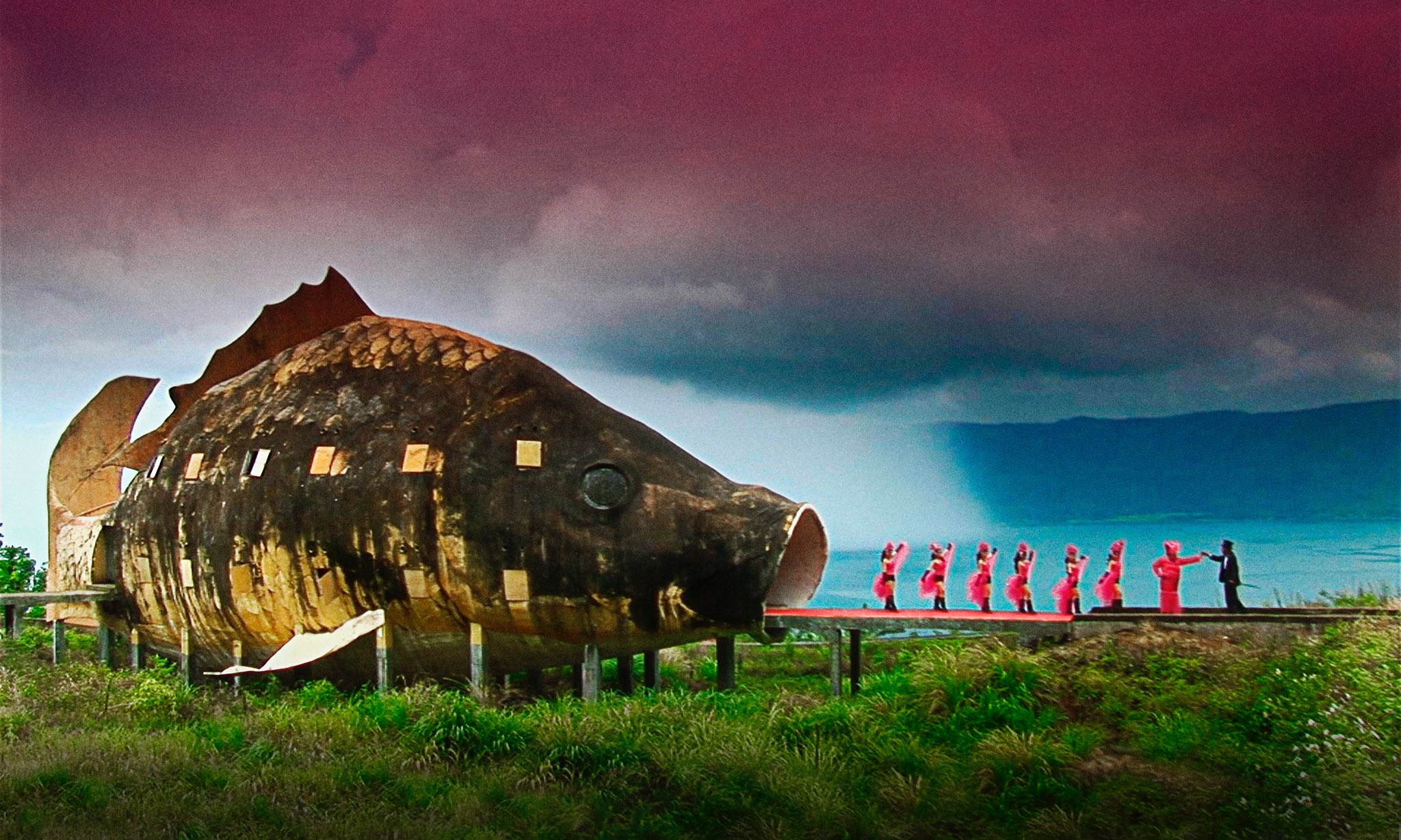
Documentaries tackle subjects that are, at their core, concepts. Poverty, fear, or dignity are not filmed directly; they appear through situations, faces, and choices. The power of nonfiction comes from this sensitive translation. The arrangement of images and sounds turns the particular into a view on the general. A hospital portrayed without commentary can reveal the ethics of an institution, its class tensions, and its bureaucratic dilemmas. A war chronicle can lead viewers to conclude that war is hell without anyone stating it in words.
This balance between the specific and the universal is the genre’s underground current. Without the concrete, you get an abstract treatise. Without generalization, you get isolated records. The art lies in the combination.
Classical rhetoric helps identify how a documentary persuades.
Deliberative. Asks what we should do about a public issue. It sets up a problem, explores options, and suggests a course of action. Food systems, housing, environment, and the internet are fertile ground for this approach.
Judicial or historical. Investigates what happened and why. It orders evidence, contrasts versions, and assigns responsibility. Credibility depends on data and on a coherent narrative that can also dismantle convenient spin.
Commemorative or critical. Builds the portrait of a person or group, shading virtues and flaws. It can humanize demonized figures or pierce the aura of untouchable idols. The challenge is fair treatment with a clear point of view.
Many films blend these paths. A portrait can draw on historical inquiry and still end by urging action.
Metaphor intensifies meaning. It lets us say a family is a refuge or a battlefield, a city an exhausted organism or a promise under construction. Documentary, made of bodies, spaces, and actions, naturally lends itself to such equivalences. A climb up a slope can stand for perseverance. A shot of everyday objects can condense grief and memory. When metaphor grows from lived moments, its emotional and cognitive impact multiplies.

Much of today’s documentary cinema explores how we define ourselves, whom we love, and where we fit. Biographies, film diaries, and essay films bind the intimate to the social. These works do not aim to deliver statistics or universal theses. They invite us to inhabit a perspective. If well built, that immersion opens questions about gender, class, nation, race, or spirituality without grand speeches. Here the mise en scène matters as much as the theme: choosing between patient observation, interviews, archives, animation, or reenactments shapes both ethics and effectiveness.
When images are missing or when lived experience resists literal depiction, animation and performative devices become powerful allies. Giving graphic form to memory, trauma, or imagination can bring viewers closer to how something feels and not only to what occurred. Used with transparency, this approach does not subtract truth. It relocates truth to the terrain of experience.
Decide early which vertex of the triangle you will emphasize and why. Your personal story, the film’s architecture, or the conversation with viewers can drive the piece, but all three should be audible.
Connect the concrete with the abstract. Design scenes that make the core idea visible and cut so that the idea emerges without underlining.
Choose the right rhetorical path. For social change, lean on deliberation. To clarify events, prioritize chronology and the clash of sources. For a portrait, embrace complexity.
Plant metaphors during production. Locations, objects, and actions that echo the theme will let the edit speak for itself.
Guard your ethical framing. How you film is part of what you say. Explain methods when needed and avoid reducing people to arguments.
Think about the real audience for your film. Festival, classroom, broad platform. Adjust pace, information density, and context to support a rich reading.
Ask who is speaking and from where. Look at the director’s track record, sources, and production conditions.
Separate facts from interpretations. The same image can be ordered to support opposing conclusions.
Notice the metaphors that hold the story together. They reveal the film’s value system.
Compare with another work on the same topic. Friction between versions deepens understanding.
GuideDoc’s catalog showcases the three rhetorical paths, strong metaphorical design, and intimate stories that illuminate big questions. To go deeper, explore categories such as Politics and society, History and memory, Identity and gender, or Animated documentary. These routes show how formal strategies produce very different persuasive effects.
Best contemporary political documentaries
Essential animated documentaries
Landmark autobiographical works
Documentaries for classroom debate
Conclusion
A documentary persuades when it balances the three vertices of the triangle, turns concepts into visible experience, chooses its rhetorical strategy with care, and leans on metaphors that resonate. Its force lies not only in what it tells but in how it looks and how it invites us to look. When that invitation is honest and precise, viewing becomes shared knowledge and sometimes action.

2186 films
And a new one every day

The preferred platform
of true documentary lovers
Half of all revenue goes
directly to the filmmakers