In a continent where storytelling has long been a revered tradition, Africa’s cinematic lens continues to shape the world's understanding of its people, history, and cultural identity. Documentaries are a powerful medium through which Africa tells its own stories.
From political turmoil to ancient traditions, these films not only entertain but also offer a rich and nuanced view of the continent. Through documentary films, the intricacies of African identity and culture come to life, shedding light on issues both familiar and foreign to global audiences. If you’re ready to explore Africa’s vibrant culture, you’ll find a trove of fascinating documentaries awaiting you. Let's take a deep dive into 10 must-watch films that explore the heart of Africa's rich culture and identity.
Documentaries have the unique ability to serve as cultural messengers. For far too long, Africa has been reduced to oversimplified and often problematic portrayals. Mainstream media has frequently ignored the complexities of its people, societies, and heritage.
Yet in recent years, a resurgence in African documentary filmmaking has breathed new life into these narratives, creating space for a more accurate and rich portrayal of the continent. Thanks to modern technology, filmmakers from across Africa are now able to tell their own stories, reclaiming and redefining their cultural narrative in the process.
What makes these films so powerful is that they are more than just entertainment; they are historical records, personal testimonies, and calls to action. Documentaries focusing on Africa have the power to give voice to communities often silenced, preserving the integrity of their stories and promoting a better global understanding of African identity. So, whether it's a deeply personal journey or an exploration of larger societal shifts, these films invite audiences to see Africa in a new light.
For anyone looking to better understand Africa’s complex identity, watching documentaries is a great place to start. These films are not just important because of the stories they tell, but because they serve as reflections of the societies from which they come. African documentaries offer a tapestry of struggles, celebrations, and transformations.
They often highlight the tension between modernity and tradition, while also exploring themes of resistance, colonial history, and community resilience. Through these lenses, we can gain a deeper appreciation for Africa's diverse cultures, languages, and traditions, and celebrate the strength and beauty of African identity.
As audiences across the globe increasingly tune into platforms like Netflix, Guidedoc, and YouTube to discover new and exciting films, documentaries about African culture are gaining traction. Whether it's through captivating visual storytelling, heart-wrenching personal stories, or hard-hitting political exposés, the African documentary is a genre that will continue to grow in importance and influence.
Here is a curated list of ten fascinating documentaries that shed light on African identity, exploring everything from resistance movements to intimate personal stories.
African Queens: Njinga
The Letter
Africa Blood and Guts:
500 Years Later
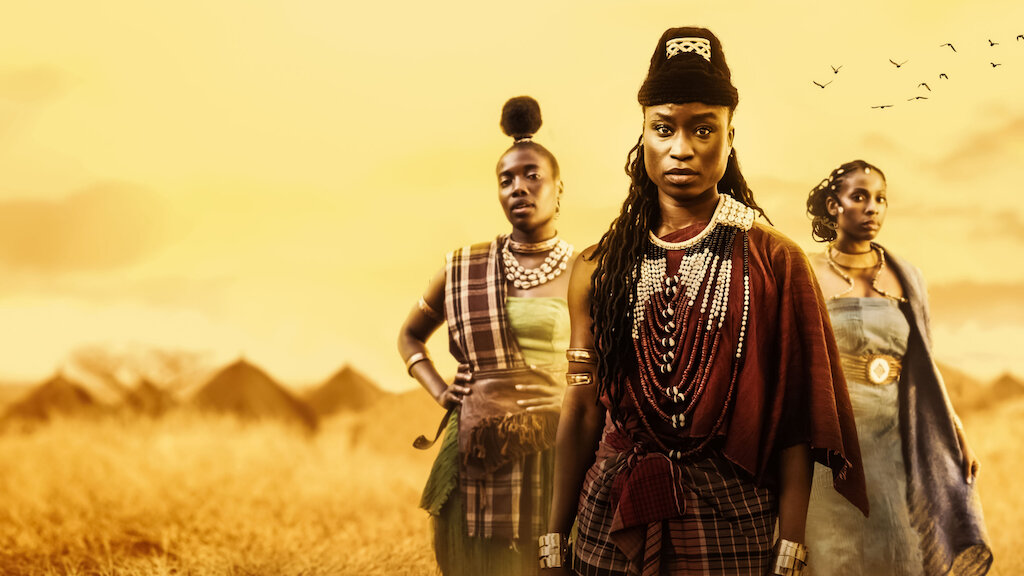
Directed by Angolan filmmaker Zézé Gamboa, this compelling documentary is a cinematic masterpiece that delves into the life of Queen Njinga, a 17th-century warrior queen who fought fiercely against Portuguese colonizers.
Narrated by Jada Pinkett Smith, this documentary combines expert interviews and dramatic reenactments to offer a powerful look at the history of colonial resistance and the role of strong African women in shaping their nations. The film challenges the viewer to reconsider the oft-overlooked role of women in Africa’s political history.
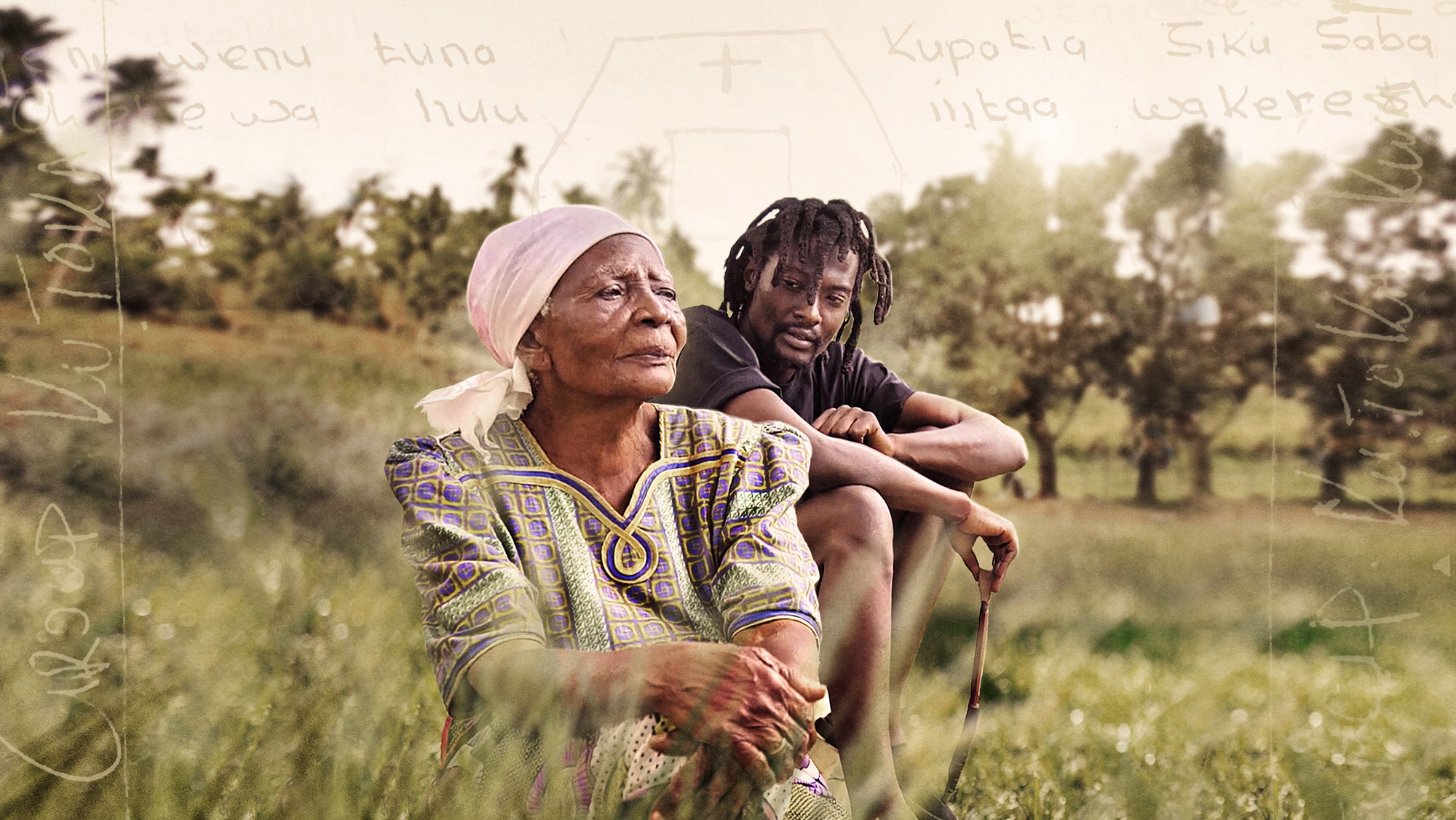
This insightful documentary takes place in Taita Taveta, Kenya, and follows Karisa, a small-scale farmer embroiled in a legal dispute with a British landowner over land ownership. The film masterfully connects Karisa’s personal struggles with broader issues of land rights, colonial legacy, and rural resilience in Kenya.
The film’s deep dive into the conflict surrounding land ownership reveals a story that is all too common in the African experience of post-colonial legacies.
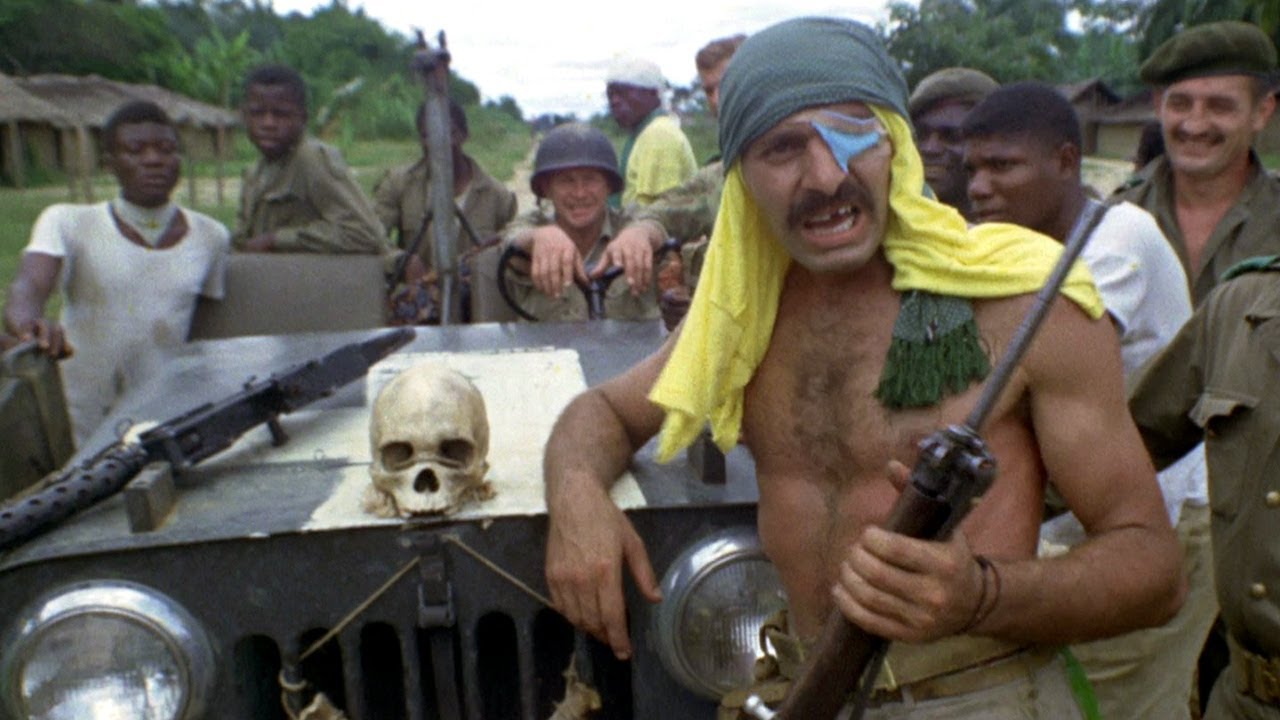
This controversial 1970 docudrama by Italian director Gualtiero Jacopetti paints a vivid yet problematic portrayal of life across various African countries. Through a mix of tribal rituals, war footage, and interviews, the film showcases both the beauty and brutality of the continent. Though criticized for sensationalism, it remains an important film in understanding how Africa was presented to Western audiences during the post-colonial era.
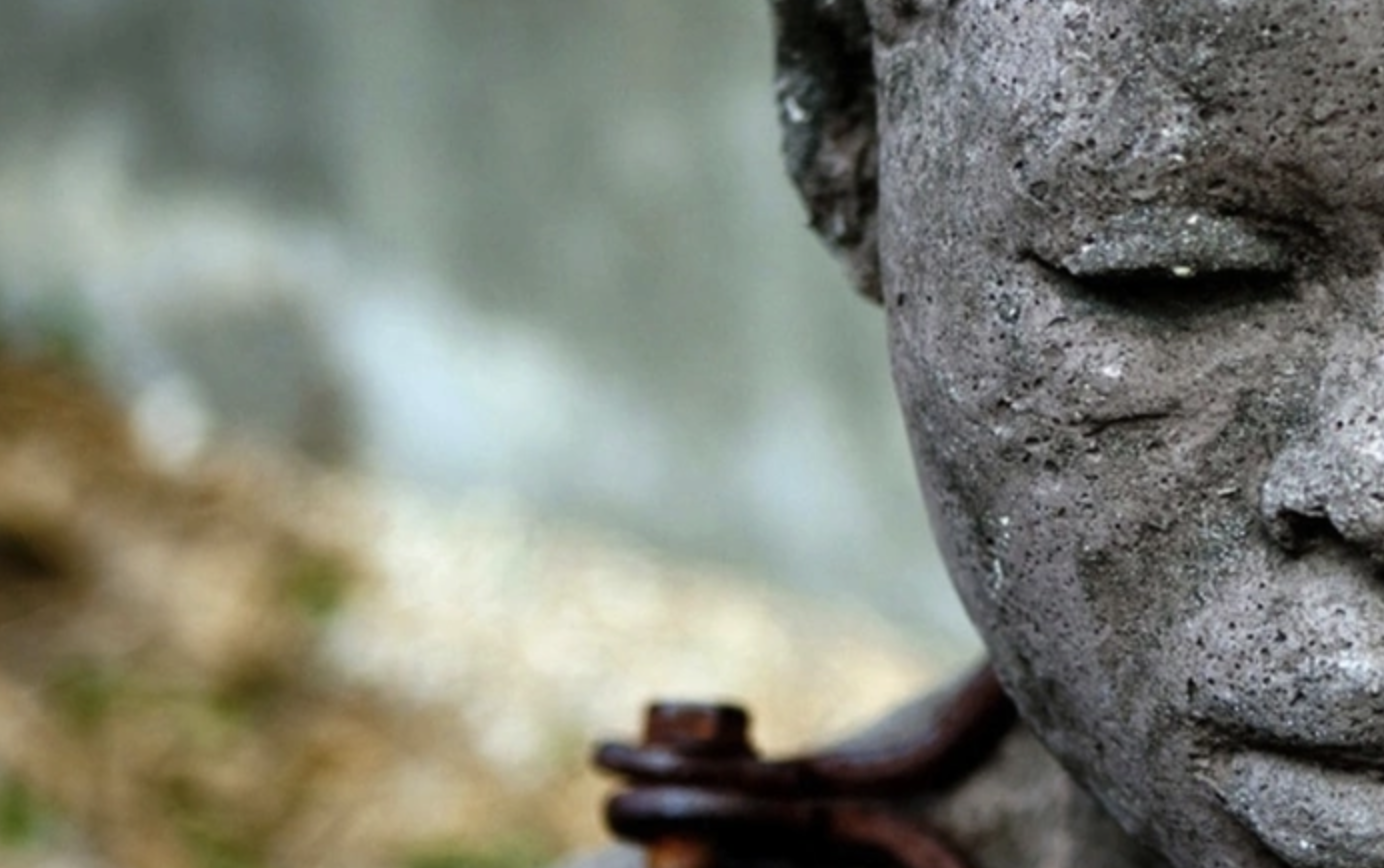
This poignant documentary explores the long-lasting effects of slavery and colonialism on Africa's development. The documentary tackles the way these historical forces have shaped contemporary issues such as political instability and economic disparity. By highlighting the resilience of the African spirit, it encourages a reexamination of Africa’s place in the world.
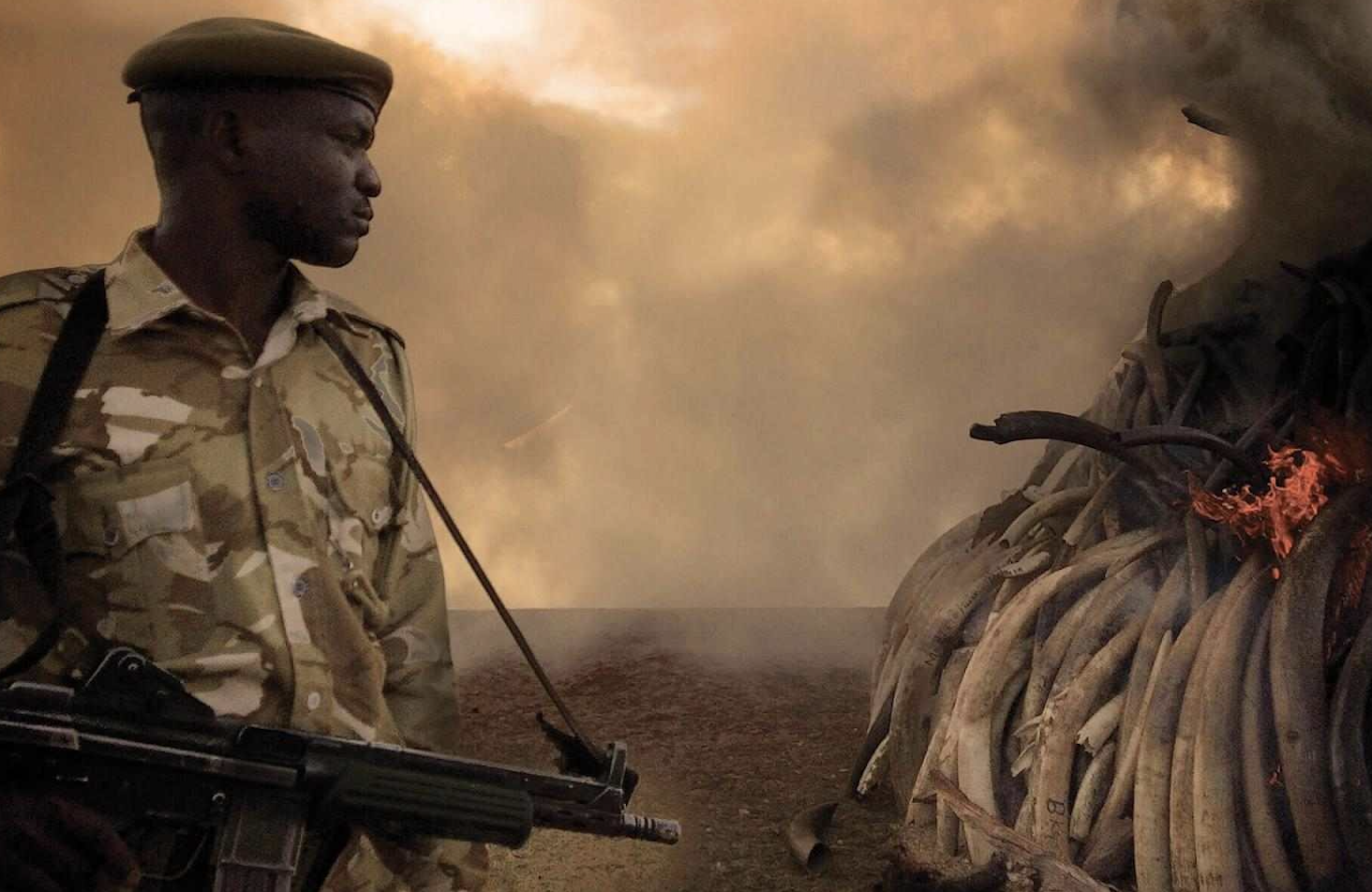
Focusing on the illegal ivory trade in Africa, this gripping documentary is an urgent environmental testimonial that follows conservationists and law enforcement officials as they work to save Africa’s dwindling elephant populations.
The film is a powerful exploration of both the economic and cultural impact of ivory poaching in Africa and the efforts to preserve its wildlife for future generations.
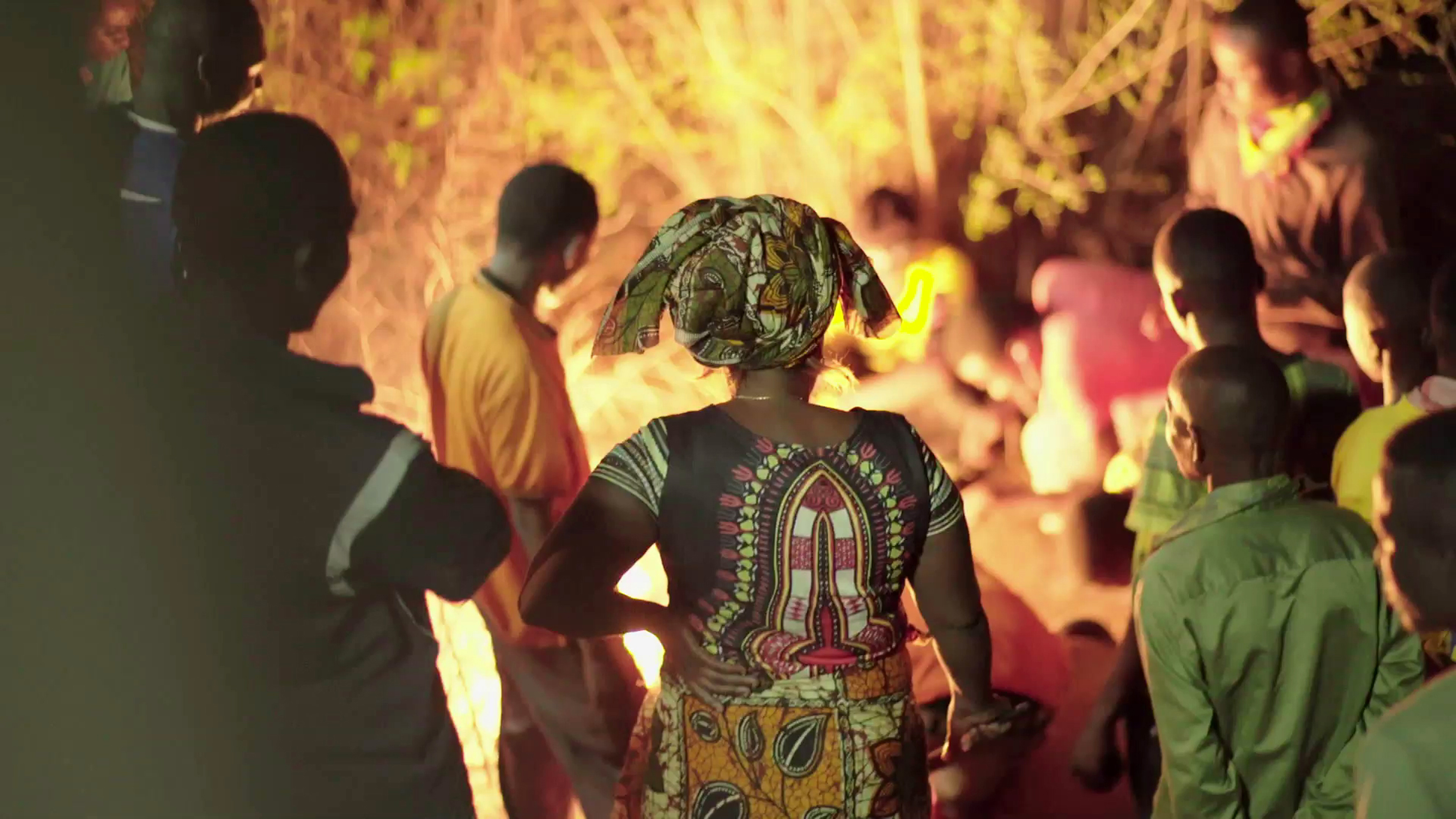
This gripping documentary takes viewers on a train journey through East Africa, meeting three passengers whose stories reflect the challenges and triumphs of life in modern Africa. The film is a moving examination of the resilience needed to survive in difficult circumstances and provides a microcosm of the broader African experience.
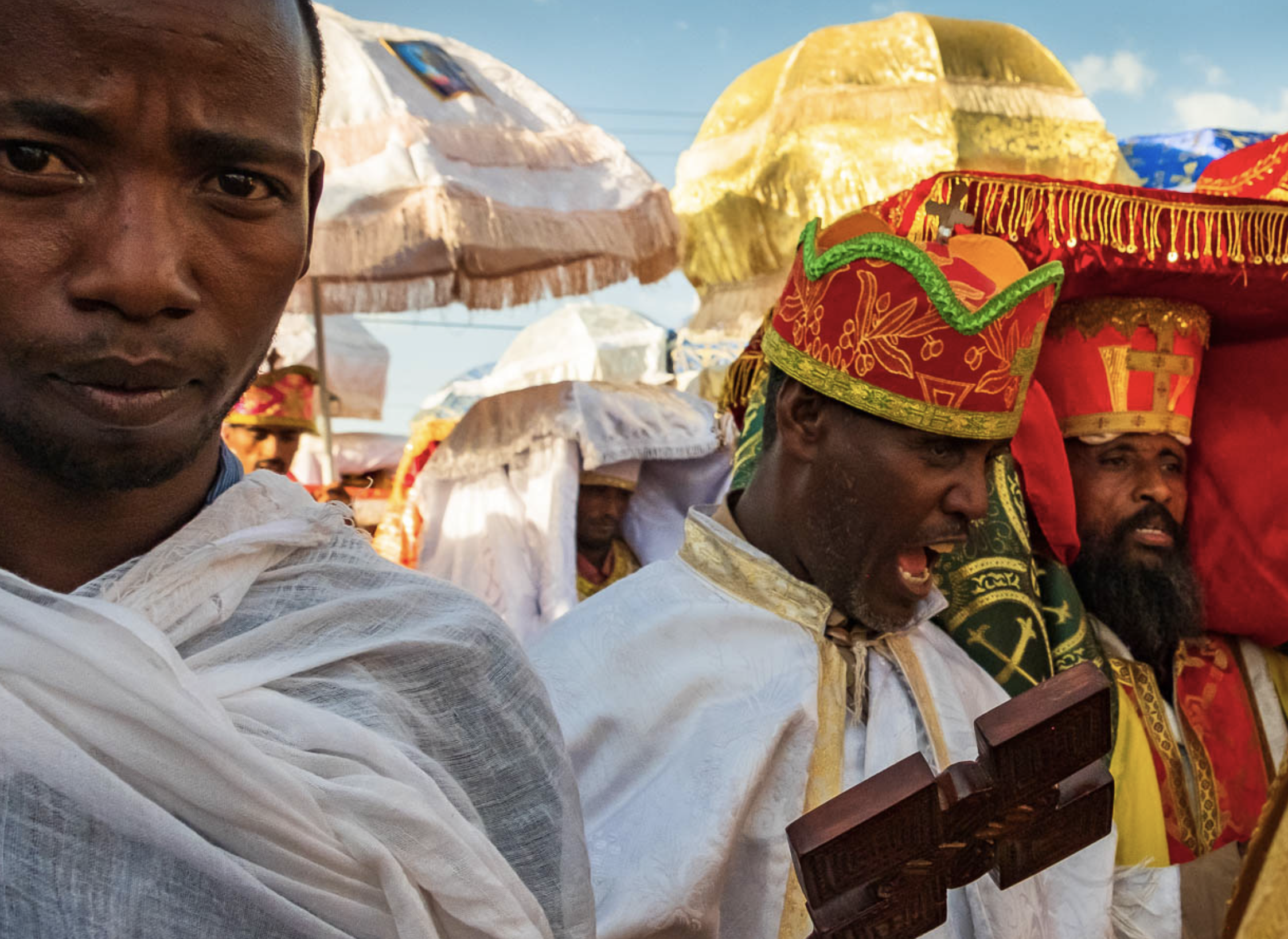
This bold documentary delves into the heart of Ethiopia’s celebrated baptismal ritual. Capturing moments of joy, trance, and devotion, this documentary highlights the sense of pride and identity that permeates this unique festival, showing how deeply religion and culture are intertwined in the lives of Ethiopia's people.

Njoki Munyiri’s "Waithira" is a deeply personal docu-film that follows her search for her roots. As an African migrant living in Europe, Munyiri travels back to Kenya to uncover her family’s history, specifically the life of her paternal grandmother. The film poignantly explores themes of migration, identity, and belonging, making it relatable for audiences both within and outside Africa.
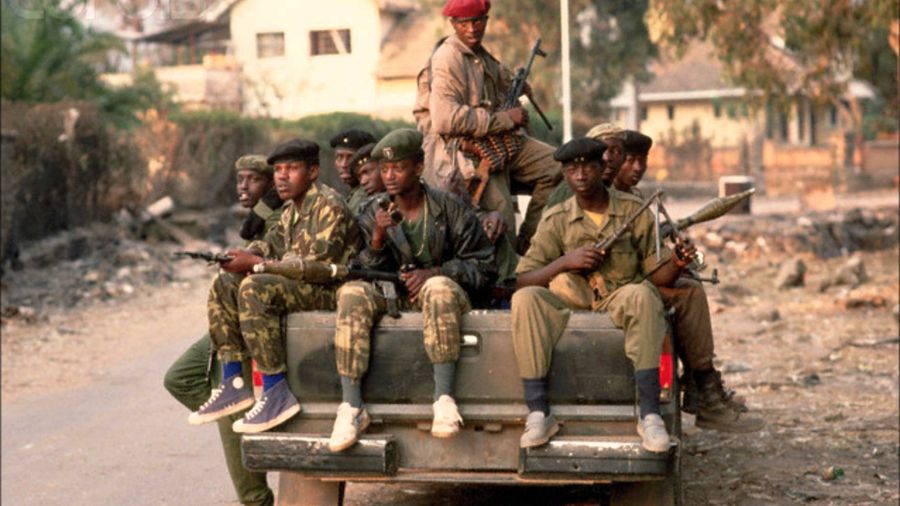
This historical documentary tells the story of the Rwandan Tutsi rebellion that ended the genocide in 1994, led by current Rwandan president Paul Kagame. The film explores the militaristic strategies, political dynamics, and international relations that have shaped Rwanda’s post-genocide history. It’s a must-watch for those interested in the military and political history of Africa.
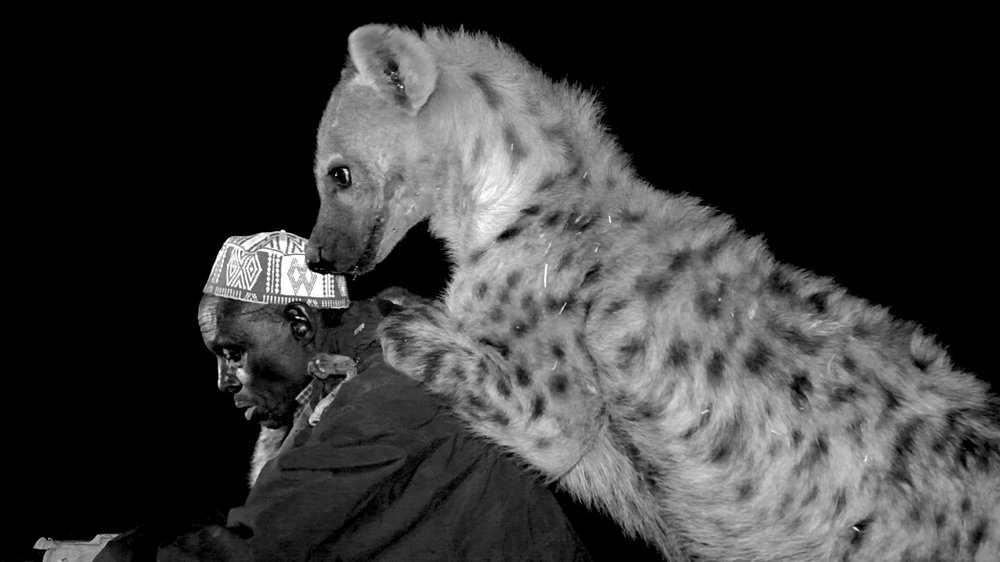
This short, poetic documentary follows a man who communicates with a group of wild hyenas in Harar, Ethiopia. Through this unlikely bond, this insightful documentary explores themes of love, loss, and humanity’s connection to nature. The film’s black-and-white visuals and haunting score make it a cinematic experience unlike any other.
As African filmmakers continue to produce powerful documentaries, movies, and films, they shape not just their local communities but the global perception of African culture. These documentaries offer a rare and valuable glimpse into the identities that define Africa, fostering understanding, empathy, and a shared sense of humanity.
By watching these documentaries on Guidedoc, we celebrate the richness of African culture and gain a deeper appreciation of the continent’s vast diversity. Let these films remind us of the importance of reclaiming the African narrative, amplifying underrepresented voices, and promoting cultural exchange through the power of films.
Watch more great documentaries on Guidedoc

2283 films
And a new one every day

The preferred platform
of true documentary lovers
Half of all revenue goes
directly to the filmmakers