The red carpet has been rolled out, the champagne is flowing, and the world's most prestigious film festival is once again captivating global audiences. But as cameras flash and celebrities pose against the backdrop of the French Riviera, documentary filmmakers are asking a pressing question: where exactly do we fit into this cinematic spectacle?
The documentary genre is almost completely absent from this year's edition of the iconic festival, with just one film, Raoul Peck's Orwell: 2+2=5, featuring in the Cannes Premiere section of the 69-film strong Official Selection. This stark reality illuminates a long-standing tension between documentary cinema and the festival that claims to celebrate the art of filmmaking in all its forms. While Cannes continues to champion auteur-driven narratives and bold cinematic visions, it seems increasingly reluctant to extend that same enthusiasm to non-fiction storytelling.
The irony is delicious in its bitter complexity. In an era where documentary films are achieving unprecedented commercial success and critical acclaim, winning Oscars, breaking box office records, and driving cultural conversations, the world's most influential film festival treats them like distant relatives at a wedding: acknowledged but not quite invited to sit at the main table. The Cannes Film Festival doesn't give a lot of recognition to documentaries, leaving them out of official competition this year.
This year's documentary representation at Cannes reads like a statistical anomaly that would make any self-respecting film festival programmer blush. With 69 films in the Official Selection and only one documentary making the cut, the numbers tell a story of systematic exclusion that can't be explained away by quality concerns or market forces. The mathematics of marginalization reveal themselves in stark detail: documentaries comprise less than 1.5% of the official lineup.
The documentary work of Raoul Peck is breaking new ground with Orwell: 2+2=5. This film, being presented at Cannes Première, delves into the writing of 1984, the final and most influential novel written by the author of Animal Farm. Peck's inclusion serves as both a beacon of hope and a reminder of what's missing. His previous documentary work, including the Oscar-nominated I Am Not Your Negro, proved that non-fiction cinema can achieve the artistic sophistication and cultural impact that Cannes claims to celebrate.
The festival's relationship with documentaries has always been complicated, rooted in an antiquated hierarchy that positions fiction films as the "real" cinema and documentaries as something lesser – educational, perhaps, but not quite art. This perspective feels increasingly anachronistic in a world where documentary filmmakers are pushing creative boundaries, experimenting with narrative techniques, and tackling subjects with the same visual sophistication and emotional depth as their fiction counterparts.
What makes this year's documentary drought particularly puzzling is the quality and diversity of non-fiction cinema currently being produced. Documentary filmmakers are employing innovative storytelling techniques, incorporating animation, archival footage, and creative reenactments to create hybrid works that challenge traditional genre boundaries. Yet these innovations seem to matter little when it comes to festival selection.
The parallel sections – Directors' Fortnight, Critics' Week, and various sidebar events – do feature more documentary content, but these venues lack the prestige and industry attention of the main competition. It's a form of creative segregation that reinforces the perception that documentaries are supplementary rather than essential to contemporary cinema discourse.
Despite the main competition's documentary deficit, the broader Cannes ecosystem does provide platforms for non-fiction filmmakers, albeit in less prominent venues. One of the standout events at Cannes Docs is Doc Day, a full-day celebration of documentary cinema featuring exclusive keynotes, panel discussions, and masterclasses with inspiring documentary filmmakers in selection at Cannes, alongside prominent industry executives. These industry-focused events serve crucial networking and business functions, but they also inadvertently reinforce the separation between documentary and narrative filmmaking.
International sales and distribution often get their start at Cannes, making the festival's documentary policies particularly consequential for filmmakers seeking global audiences. A main competition slot can transform a documentary from a niche art-house film into a must-see cultural event, as evidenced by previous winners like Fahrenheit 9/11 – though that film's inclusion was itself a controversial anomaly rather than a precedent.
Want to discover where the heart of documentary cinema truly beats? Read our article The 10 World's Best Documentary Film Festivals on Guidedoc and explore the festivals that champion truth, creativity, and bold storytelling from around the globe. Whether you're a filmmaker or a fan, this guide is your backstage pass to the docs that matter.
Orwell: 2+2=5
David Lynch, Une Énigme à Hollywood
The Brink of Dreams
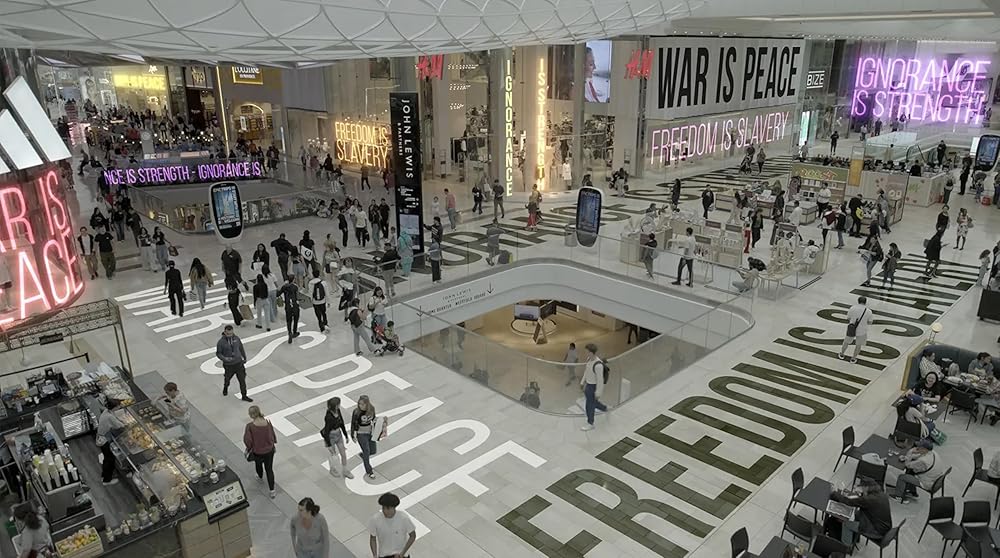
This compelling documentary delivered a blistering warning about the global rise of autocracy in its Cannes Premiere presentation. The film explores the contemporary relevance of Orwell's dystopian visions through a lens of current political realities.
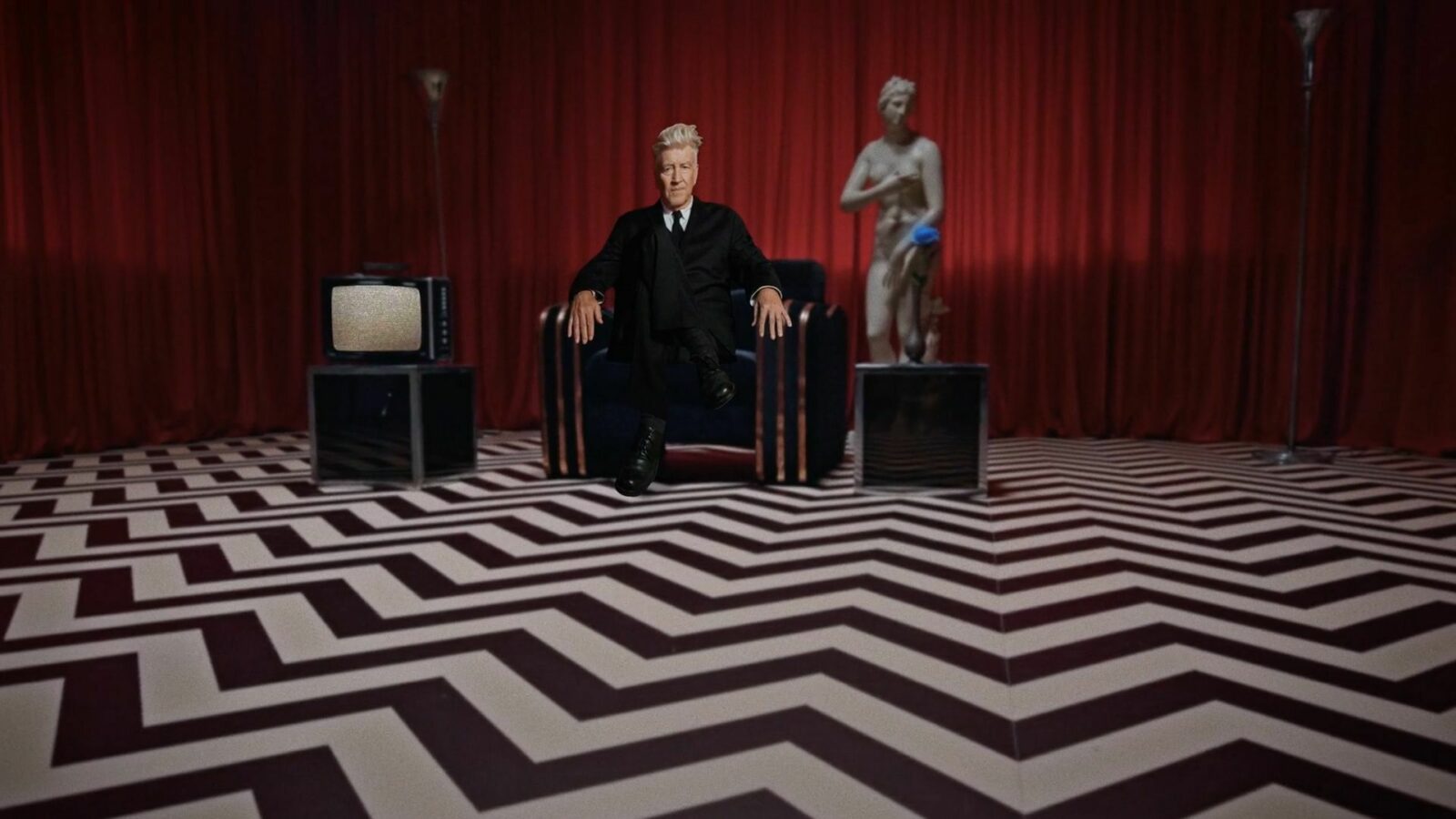
This insightful documentary about cinema examines the enigmatic career of David Lynch, exploring how his surreal vision transformed modern filmmaking. The film offers intimate insights into one of cinema's most mysterious auteurs.
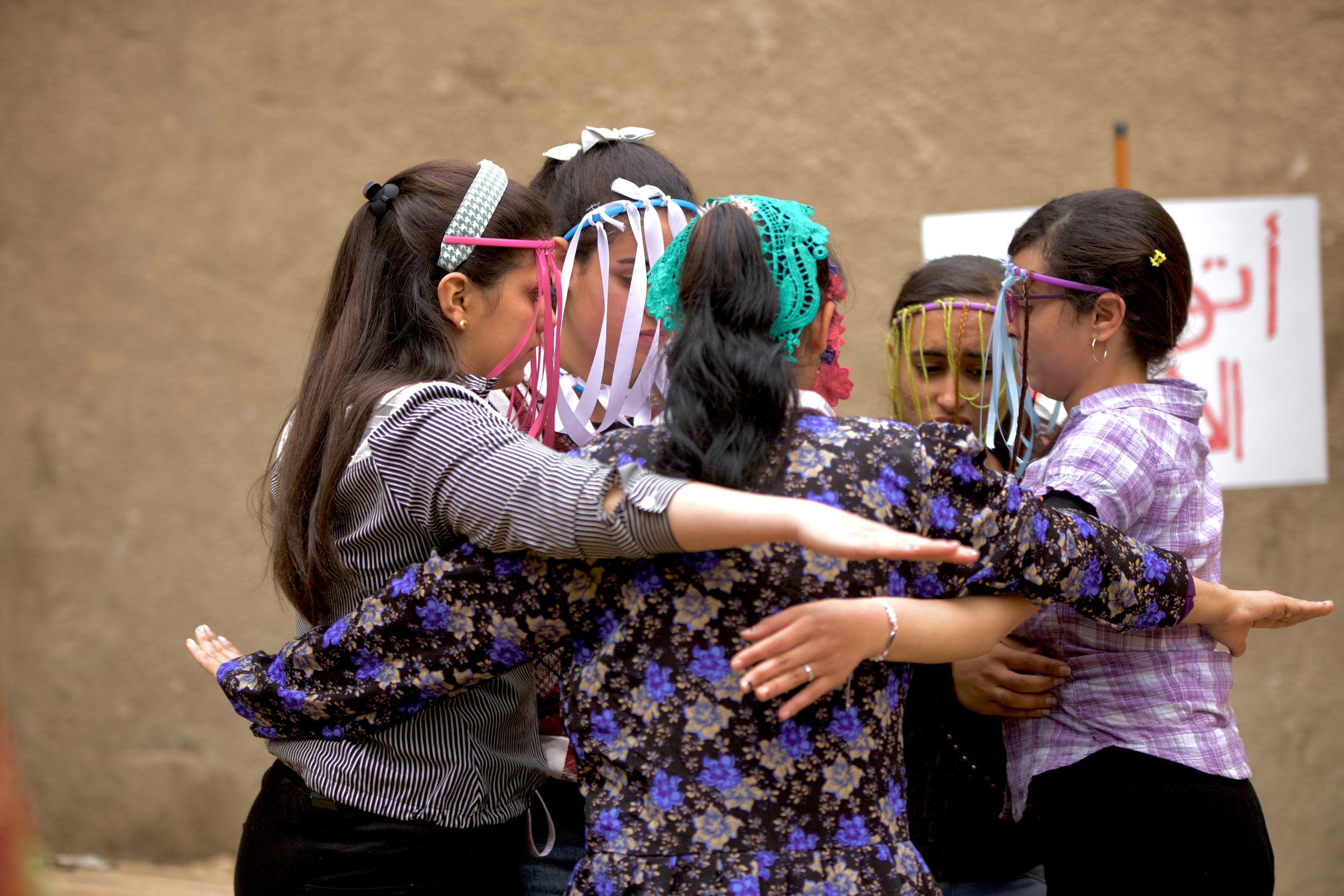
Winner of last year's Cannes Golden Eye documentary award, this Egyptian film demonstrates the power of personal storytelling to illuminate broader social realities. The film's success proves that documentary excellence deserves main competition recognition.

While researching mythological imagery, director Lutz Dammbeck becomes obsessed with the paradoxical life of German sculptor Arno Breker—once dismissed as a degenerate artist, later embraced as Hitler’s favorite sculptor. Through encounters with Breker’s contemporaries and collaborators, the film investigates how art, ideology, and ambition collided in one man’s controversial legacy.
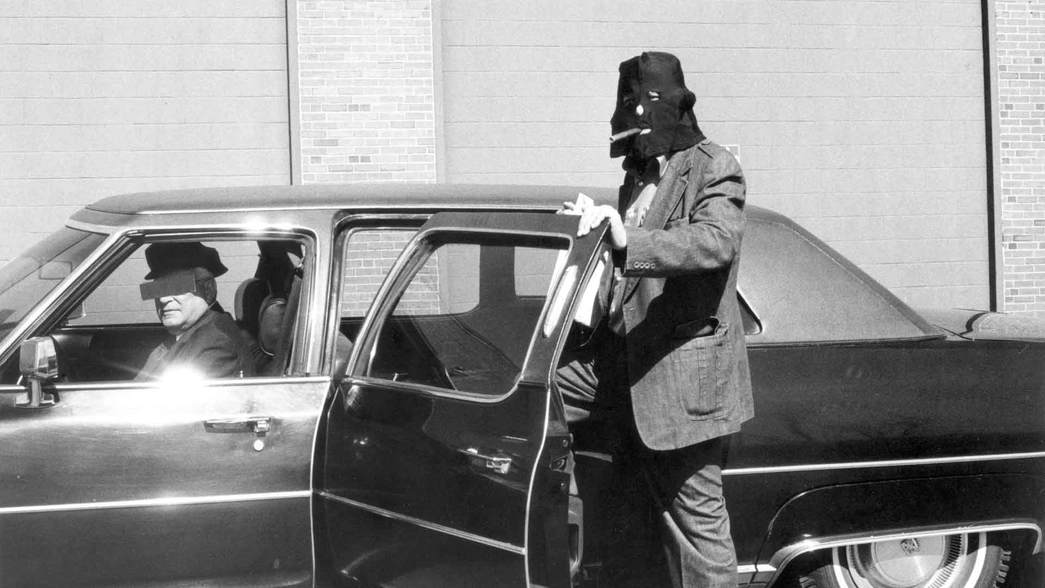
In this inisightful documentary filmmaker Jenny Abel profiles her father, legendary prankster Alan Abel, whose elaborate hoaxes—including fake organizations and staged media stunts—fooled an entire nation. Blending personal home footage with absurd archival clips, the film explores how one man used humor to challenge media narratives and provoke critical thought on serious social issues.
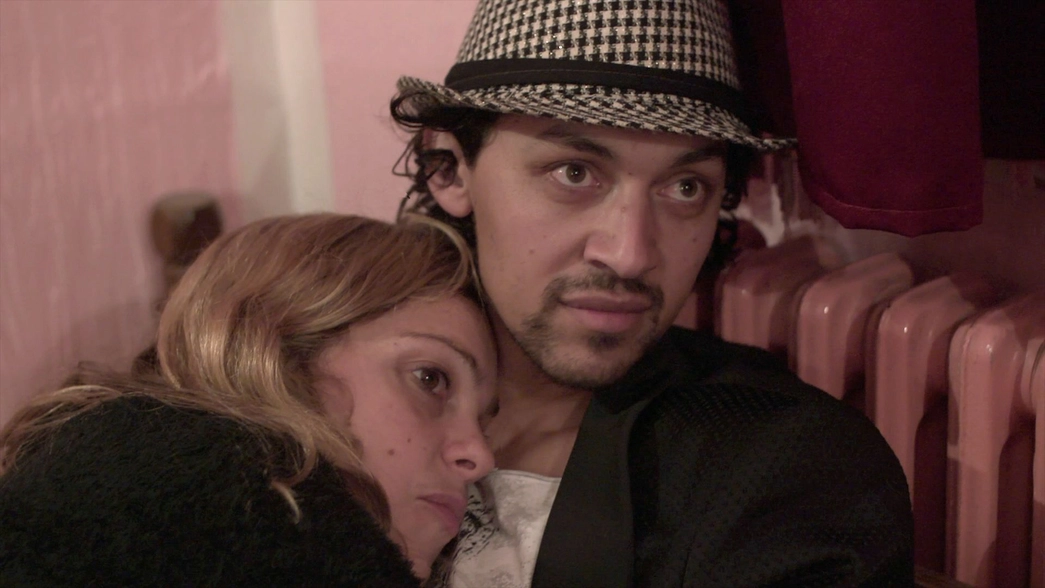
A love story told through music, this grippping doc follows a cross-cultural couple whose romance and creative partnership are tested over seven years. As their differences surface, music remains their only common language in a deeply personal tale of passion, identity, and dissonance.
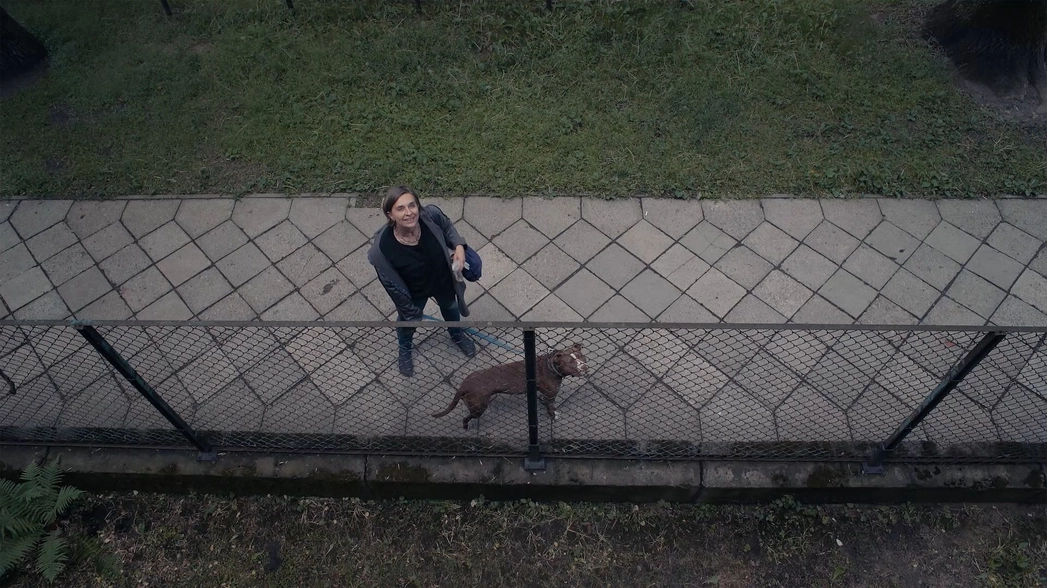
Filmed from a single balcony in Warsaw, this documentary turns passing strangers into storytellers. Through unscripted conversations, the doc becomes a moving mosaic of resilience, vulnerability, and the quiet heroism of everyday life.
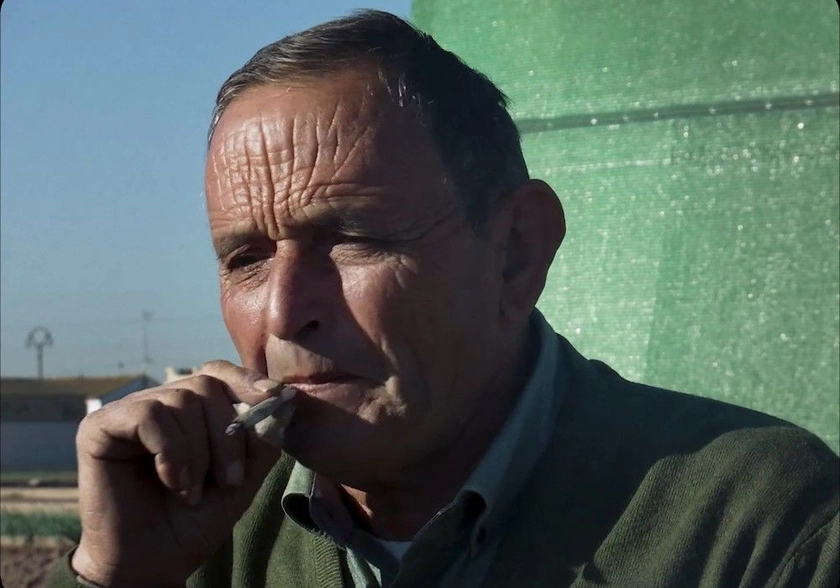
Set in the fertile fields of Valencia, this compelling documentary is a sensory journey into the traditional cultivation of tiger nuts and the making of horchata. A celebration of agricultural heritage and craftsmanship, the film elevates the humble tuber into a symbol of cultural identity.
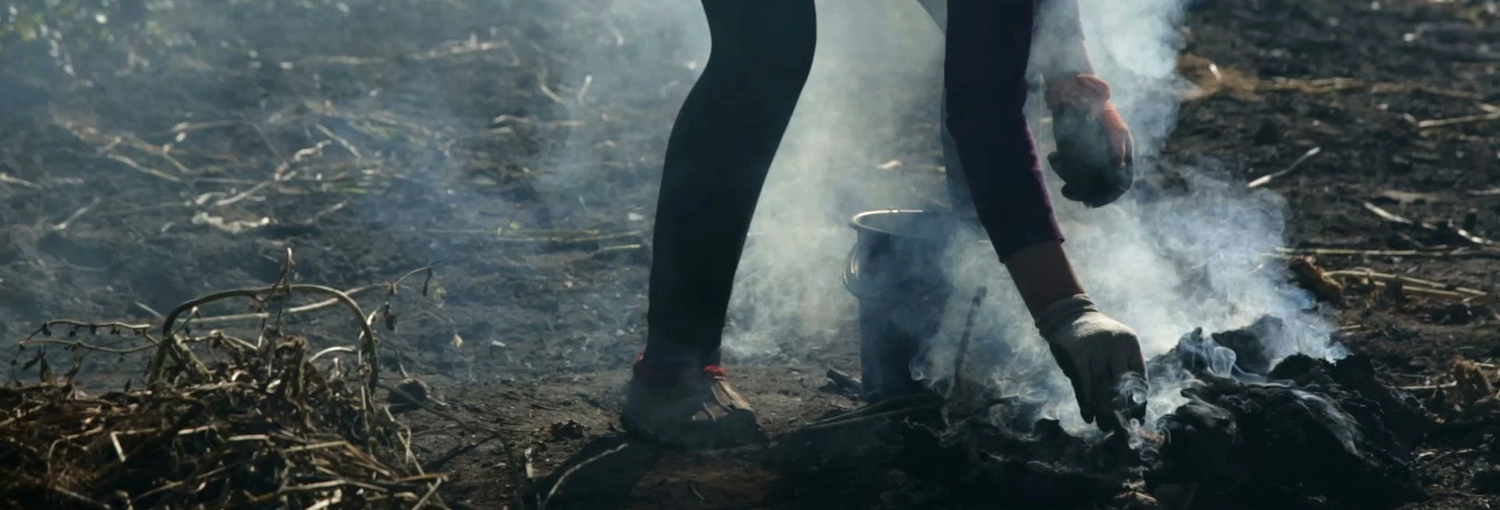
In a remote Armenian village left to women, children, and elders, this doc captures the quiet strength and emotional depth of women waiting for husbands who migrate for work. Through intimate access, the film reveals a tapestry of resilience, longing, and love.
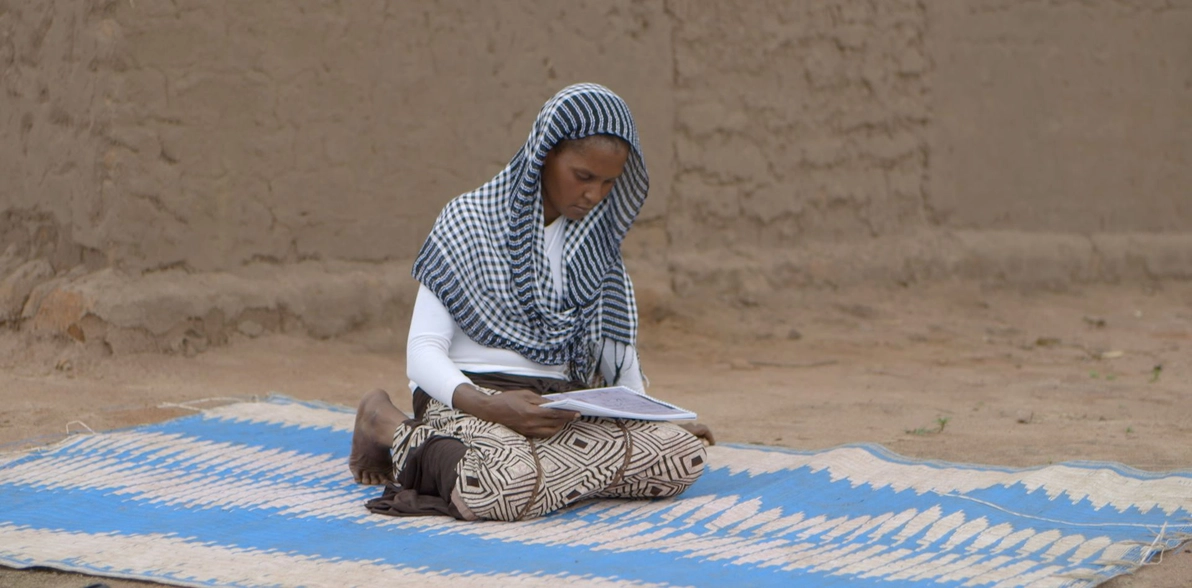
Through 300 raw testimonies, this action-packed documentary exposes the atrocities committed by Congolese mercenaries in Central Africa. Directed by Heidi Specogna, this powerful documentary gives voice to survivors and weaves a haunting narrative of violence, justice, and remembrance.
As the film industry continues evolving, Cannes faces a choice: evolve with it or risk irrelevance. Documentary cinema is no longer the poor relation of narrative filmmaking – it's a vital, innovative, and commercially viable art form that deserves equal consideration. The festival's continued marginalization of documentaries doesn't just disservice to non-fiction filmmakers; it impoverishes the entire cinematic conversation that Cannes claims to foster.
The winner of the Best Documentary at Cannes 2025, The Brink of Dreams by Nada Riyadh and Ayman El Amir, captivated audiences with its intimate portrayal of a group of young Egyptian girls forming a street theater troupe in a conservative village. Defiant, tender, and bursting with creativity, the film offers a rare glimpse into girlhood, rebellion, and the transformative power of art in a patriarchal society.
For those seeking quality documentary content, platforms like Guidedoc provide access to the kind of non-fiction storytelling that Cannes seems reluctant to celebrate. Whether you watch online or seek them out at specialized festivals, these films offer the artistic sophistication and cultural relevance that any truly comprehensive film festival should embrace.
Watch more great documentaries on Guidedoc

2186 films
And a new one every day

The preferred platform
of true documentary lovers
Half of all revenue goes
directly to the filmmakers