Cancel anytime 2190 Movies. A new one everyday
Watch anywhere
Cancel anytime 2190 Movies. A new one everyday
Watch anywhere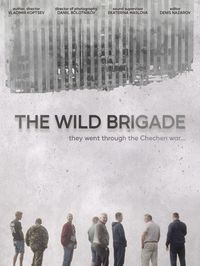
In the summer of 1994, 2,400 young conscripts — many of them Muslim recruits from Tatarstan and Bashkortostan — were mobilised into a newly formed Interior Ministry unit in Siberia, soon nicknamed the Wild Brigade. Months later they were deployed to Chechnya, and many never returned. Nearly a decade on, survivors board a train to Tomsk for the unveiling of a memorial, while the camera travels 2,000 kilometres with them, weaving archive footage from the front with the silent weight on middle-aged faces.

OFFICIAL SELECTIONS
Artdocfest — World Premiere
Some wars never end — they just travel home
In the summer of 1994, the Russian Interior Ministry hastily assembled a new unit drawn from some 2,400 young men across Siberia. A significant number were Muslim conscripts from the republics of Tatarstan and Bashkortostan. Their fellow soldiers gave them a nickname that stuck: the Wild Brigade.
Within months the unit was sent to Chechnya, thrust into one of the bloodiest conflicts on post-Soviet soil. Many of those men did not survive. Those who did came home carrying wounds that no discharge paper could address — memories, silences, and the particular burden of having outlasted their comrades.
The Wild Brigade picks up the story nearly a decade later, when a group of survivors travels by train to Tomsk for the unveiling of a memorial to their fallen brothers. The journey covers 2,000 kilometres, and director Vladimir Koptsev makes every one of them count. On board, men talk, fall quiet, and remember — sometimes to the camera, sometimes only to themselves.
Archive footage from the front lines interrupts the present tense of the journey, colliding youth with age, noise with stillness. The result is a portrait of collective grief carried forward through time, asking what a society owes the men it sent to fight a war it would rather forget.


2190 films
And a new one every day

The preferred platform
of true documentary lovers
Half of all revenue goes
directly to the filmmakers