Cancel anytime 2191 Movies. A new one everyday
Watch anywhere
Cancel anytime 2191 Movies. A new one everyday
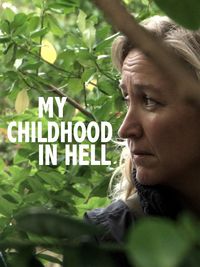
Watch anywhereNeglect, poverty, and sexual abuse defined Lisbeth Zornig Andersen's early years in Denmark. Now a prominent activist and author, she embarks on a deeply personal journey to confront her family and uncover the memories she has long suppressed. Directed by Mette Korsgaard, this award-winning Danish documentary asks how such suffering could happen, and why it continues.
One woman's raw confrontation with a buried and painful past.
My Childhood in Hell is a 2012 Danish documentary directed and produced by Mette Korsgaard, part of the WHY STORIES series. It follows Lisbeth Zornig Andersen, a Danish economist, activist, and author who has built a distinguished career in social policy, as she sets out to uncover and process the traumatic memories of a childhood defined by neglect, poverty, physical violence, and sexual abuse at the hands of her stepfather.
To come to terms with her past, Zornig Andersen begins writing a book about her experiences, but the process forces her to search for concrete evidence of what she and her siblings endured. Unable to find even a single photograph from that period, she visits relatives and others connected to her childhood, slowly reconstructing events that had been suppressed for decades. The journey reveals how she, her mother, and her siblings lived under the shadow of a violent and abusive household, and brings to the surface unresolved questions surrounding the death of one of her brothers.
The most charged moment of the film is Zornig Andersen's face-to-face encounter with her stepfather, the man she holds responsible for making her childhood a living hell. Director Mette Korsgaard follows her subject with close, unwavering attention, allowing Zornig Andersen to speak and confront with remarkable candour. The stepfather's face remains hidden from the camera, a deliberate choice that preserves the film's focus on Zornig Andersen's experience rather than his identity.
The documentary raises wider questions about child protection in Denmark, where, according to the film, a significant number of children are subjected to severe violence or abuse each year. It won the award for best documentary of the year in 2012, and Zornig Andersen has since become one of Denmark's most influential voices on social policy and the protection of marginalised children. Her autobiography, which followed the documentary, became a bestseller in Denmark for nearly two years, further cementing her role as a leading public advocate on these issues.

2191 films
And a new one every day

The preferred platform
of true documentary lovers
Half of all revenue goes
directly to the filmmakers