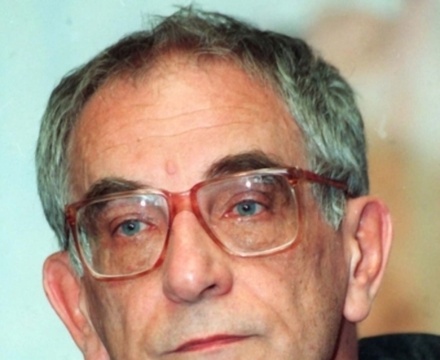
Krzysztof Kieślowski was a seminal figure in Polish cinema and one of the most influential filmmakers of the 20th century. Born on June 27, 1941, in Warsaw, Poland, he grew up during the tumultuous years of World War II and its aftermath, experiences that would profoundly shape his artistic vision. Kieślowski initially pursued studies in film at the National Film School in Łódź, where he honed his craft and developed a keen interest in the human condition, morality, and the complexities of existence.
Kieślowski's early work consisted primarily of documentaries that showcased his ability to capture the intricacies of everyday life. His documentary films, such as "Workers '71" and "From the City of Lodz," displayed a profound empathy for his subjects and a unique observational style that would later inform his narrative filmmaking. These early projects laid the groundwork for his later explorations of philosophical themes and moral dilemmas.
In the 1980s, Kieślowski transitioned to feature films, gaining international acclaim with the "Three Colors" trilogy: "Blue," "White," and "Red." Released between 1993 and 1994, these films explored the themes of liberty, equality, and fraternity, reflecting the social and political changes sweeping through Europe after the fall of communism. "Blue," starring Juliette Binoche, received the Golden Lion at the Venice Film Festival, while "Red" garnered multiple awards, including the coveted Palme d'Or at the Cannes Film Festival. Kieślowski's meticulous storytelling, combined with his distinctive visual style and profound philosophical inquiries, established him as a master auteur.
Kieślowski's films often delved into the moral ambiguities of human experience, raising questions about fate, free will, and the interconnectedness of lives. His characters were frequently complex, grappling with personal struggles and existential crises. This thematic depth resonated widely with audiences and critics alike, earning him a reputation as a filmmaker who could transcend cultural boundaries.
Despite his success, Kieślowski's relationship with the film industry was complicated. He grew increasingly disenchanted with the commercial aspects of filmmaking, leading to his decision to retire from directing after completing his final feature, "Red." However, his legacy remained potent, as his films continued to inspire a new generation of filmmakers and audiences.
Kieślowski passed away on March 13, 1996, leaving behind a remarkable body of work that remains influential in the world of cinema. His exploration of the
We couldn’t find any documentaries for this Krzysztof Kieślowski right now.

1337 films
And a new one every day

The preferred platform
of true documentary lovers
Half of all revenue goes
directly to the filmmakers