The allure of gladiators' combination of raw physicality, skill, and courage has fascinated audiences for centuries. These warriors of ancient Rome were more than just fighters; they were symbols of power, entertainment, and the complex relationship between life and death. As Ridley Scott gears up to release Gladiator 2, the highly anticipated sequel to his Oscar-winning epic, it’s the perfect time to revisit the legacy of gladiators in history and cinema. From the dusty arenas of Rome to the nostalgic glow of modern TV adaptations, the gladiator spirit continues to captivate.
Scott’s Gladiator (2000) introduced viewers to the gripping story of Maximus, a fallen general turned gladiator, who seeks vengeance and redemption in the brutal arenas of Rome. The film’s masterful blend of history, drama, and action earned it widespread acclaim and several Academy Awards. Now, with Gladiator 2 on the horizon, fans and history enthusiasts alike are revisiting the stories of these iconic fighters. To complement the cinematic experience, documentaries about gladiators and their cultural impact offer an invaluable window into both the historical realities and modern interpretations of these legendary figures.
Gladiators were the rock stars of ancient Rome, revered and reviled in equal measure. Emerging during the Republic, their origins are rooted in funerary rites, where armed combat was believed to honor the dead. Over time, these rituals evolved into grand spectacles, becoming a cornerstone of Roman entertainment. By the height of the Empire, gladiatorial games had transformed into lavish productions, drawing crowds of tens of thousands to iconic arenas like the Colosseum.
Far from being simple warriors, gladiators were a complex symbol of Roman society. Many were enslaved individuals, prisoners of war, or condemned criminals, forced to fight for their lives in brutal arenas. However, a select few voluntarily chose the gladiatorial life, driven by the promise of fame, wealth, and the chance to escape obscurity. Regardless of their origins, gladiators were trained in specialized schools, known as ludi, where they honed their combat skills under rigorous conditions.
The games were more than mere entertainment; they were a political tool wielded by Roman emperors to solidify their power and placate the masses. Lavish spectacles, featuring intricate mock battles, exotic animals, and gladiatorial contests, served as a form of social control, offering the public a distraction from political and economic woes. At the same time, they reinforced the values of courage, discipline, and loyalty that were central to Roman identity.
Despite their violent nature, gladiatorial games were deeply ritualistic, governed by strict rules and traditions. Combatants were categorized based on their weaponry and fighting styles, ensuring varied and dramatic encounters. Matches often ended in death, but skilled gladiators who earned the crowd’s favor could sometimes win their freedom, symbolized by the gift of a wooden sword known as a rudis.
The decline of gladiatorial combat coincided with the fall of the Western Roman Empire. As Christianity rose to prominence, the games faced increasing criticism for their brutality and pagan origins. By the fifth century AD, gladiatorial contests had largely disappeared, but their legacy endures as a powerful symbol of ancient Rome’s grandeur and contradictions. Today, they remain a source of fascination, embodying the complexities of a civilization that balanced sophistication with savagery.
This article presents a curated list of 10 must-watch documentaries, ranging from historical explorations to behind-the-scenes looks at gladiator-themed productions. Each film offers a unique perspective, inviting viewers to delve deeper into the lives, battles, and enduring legacy of gladiators.
Life of a Gladiator - Roman History
Gladiators - The Brutal Truth
The True Life Of a Gladiator: Roman History
Colosseum
Colosseum: Rome's Arena of Death
The Roman Empire

This animated historical documentary dives into the world of gladiators, exploring their origins, rise, and decline in Ancient Rome. It examines their diets, daily routines, and the diverse types of fighters, offering a vivid look at the lives and legacy of these iconic warriors.

This action-packed documentary examines gladiatorial games as a cornerstone of Roman culture, exploring their societal impact and drawing parallels to modern entertainment and public spectacles.
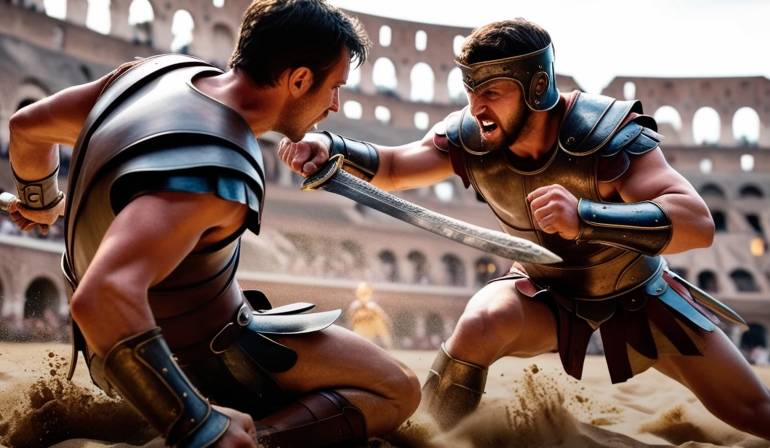
Experience the untold story of a gladiator’s life in ancient Rome—where survival meant grueling training, brutal battles, and a relentless quest for freedom and fame. Through vivid animations and historical insights, this video reveals the harsh realities and iconic moments of these legendary warriors, bringing their struggle for glory to life.
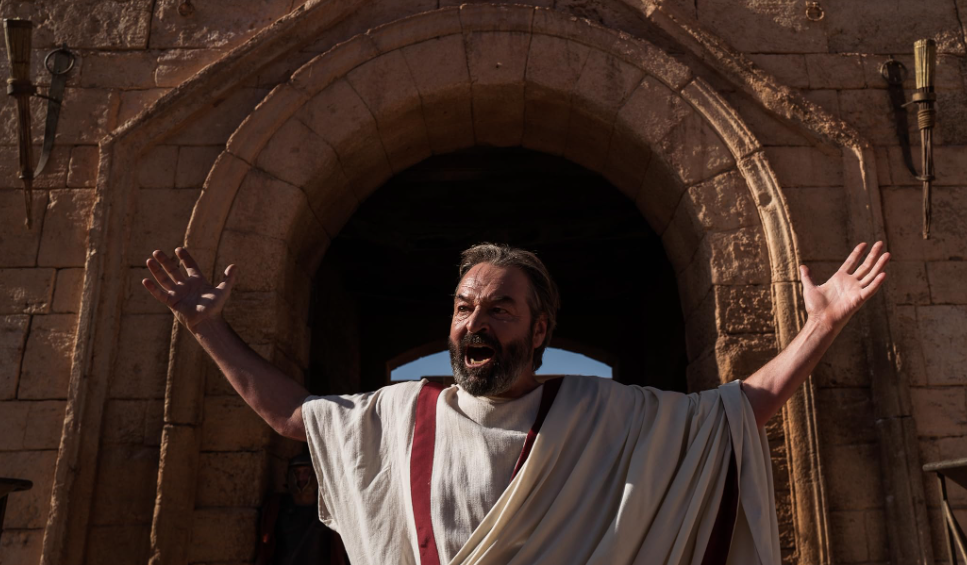
This historic documentary explores the rise and fall of the Roman Empire through the Colosseum, an iconic arena that embodied Rome’s grandeur, brutality, and pursuit of glory.

Verus, a slave captured in the Balkans, chooses the brutal life of a gladiator over the grueling existence in a rock quarry, seeking survival and a chance at glory in the arena.

This captivating Netflix documentary series blends expert commentary with dramatic reenactments to chronicle the rise and fall of Ancient Rome. Each season focuses on key figures and events, from Julius Caesar’s political maneuvers to Commodus’s reign of chaos, offering a gripping exploration of one of history’s greatest civilizations.
Each documentary selected offers a unique perspective on Asian traditions, shedding light on the intricate details, historical contexts, and contemporary relevance of these practices. They take viewers on a visual and educational journey, showcasing the artistry and dedication behind these cultural spectacles.
Gladiators may be the most famous entertainers of ancient Rome, but they were far from the only ones. The ancient Greek Olympic Games celebrated athleticism and sportsmanship, focusing on human excellence in a less violent context. In Egypt, pharaoh-led ceremonial battles demonstrated both divine authority and military might. Meanwhile, in ancient China, elaborate martial arts displays were a form of both training and public entertainment. These traditions reflect humanity’s deep-seated fascination with physical competition, offering a striking contrast to the blood-soaked arenas of Rome.
The release of Gladiator 2 is more than just a continuation of Ridley Scott’s epic—it’s a reminder of the enduring legacy of these ancient warriors. Gladiators continue to captivate modern audiences, not only as symbols of strength and survival but also as reflections of societal values. Through documentaries, we gain a deeper understanding of their historical significance and their transformation into cultural icons.
As you await the release of Gladiator 2, these documentaries provide the perfect way to immerse yourself in the fascinating world of gladiators. Whether you’re drawn to the historical realities, the pop culture reimaginings, or the behind-the-scenes magic, this curated list has something for everyone. Explore these gripping stories and more on Guidedoc, where history and cinema come together to inspire and entertain.
Watch more great documentaries on Guidedoc

1337 films
And a new one every day

The preferred platform
of true documentary lovers
Half of all revenue goes
directly to the filmmakers