In times of conflict, words are rarely enough. Headlines reduce lives to numbers, official statements flatten suffering into statistics, and denial creeps in where facts should stand. This is where documentaries matter most — as testimonies that cannot be erased, as images that cannot be unseen.
In 2024 and 2019, two docs emerged on opposite ends of the Israeli–Palestinian tragedy, each insisting on visibility. One, Screams Before Silence (2024) by Anat Stalinsky, documents the horrific sexual violence committed during the Hamas attacks of October 7 in 2023. The other, Of Land and Bread (2019) by Ehab Tarabieh, available to watch now on Guidedoc, depicts the grinding dispossession and humiliation faced by Palestinians living under occupation in the West Bank.
Together, these works don’t resolve contradictions; they illuminate them. They remind us that documentary film is not about providing comfort but about insisting on truth, however painful.
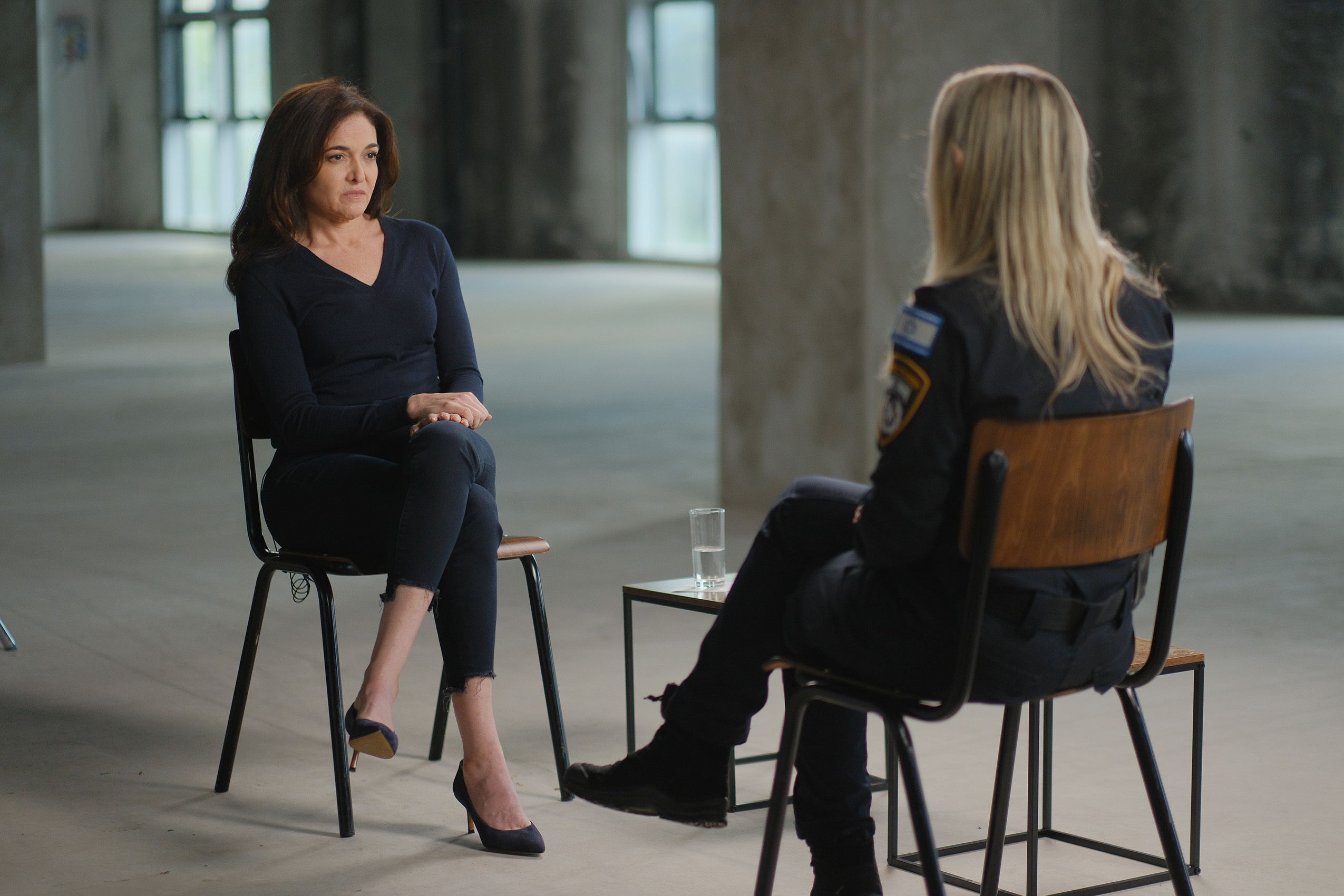
Directed by Anat Stalinsky and shot with cinematographer Sasha Gavrikov, Screams Before Silence entered production in February 2024, just months after the October 7 attacks. The film assembles testimonies of rape and sexual violence committed by Hamas militants at the Nova Festival and in captivity. Survivors, eyewitnesses, and members of Israel’s ZAKA search-and-rescue organization describe atrocities in detail — bodies desecrated, women assaulted, families torn apart.
At its Los Angeles premiere in July 2024, audience members sat shaken. Simcha Greiniman, a ZAKA commander featured in the film, addressed the crowd: “I am the live testimony standing before you, speaking for the victims who no longer can.” His words crystallized the urgency of the project: this film exists not only to record horror but to counter denial in international discourse.
Panelists at the premiere, including peace activists and women’s rights advocates, stressed that acknowledging Israeli victims of sexual violence does not negate empathy for Palestinian suffering. As Palestinian activist Ahmed Fouad Al Khatib said, “It’s possible to feel sadness for what happened to Gaza and still feel empathy for Israeli victims. One doesn’t go at the expense of the other.”
This is where Screams Before Silence positions itself: a work of testimony meant to pierce silence, confront denial, and insist that these crimes are not minimized or forgotten.
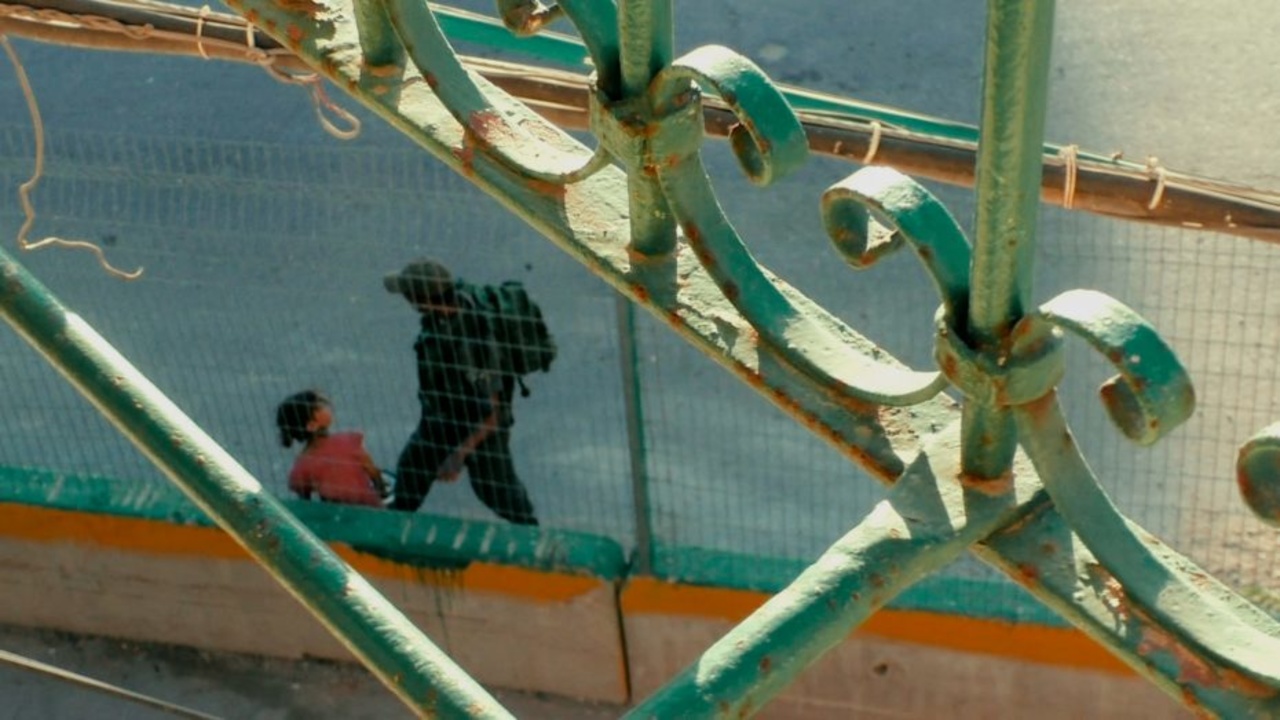
If Screams Before Silence is about acute horror, Of Land and Bread is about chronic suffocation. Available on Guidedoc, this documentary, directed by Palestinian filmmaker Ehab, draws from years of footage filmed by Palestinian volunteers with B’Tselem, the Israeli human rights organization. Rather than offering a single narrative, the film is structured as stark vignettes: fragments of daily life under occupation.
These fragments are deceptively simple — a farmer defending his olive grove from settlers, a child walking past armed soldiers, women confronting harassment at checkpoints. But stitched together, they reveal a system of everyday violence: harassment, intimidation, land theft, and humiliation woven into the fabric of ordinary life.
Tarabieh avoids narration or commentary. Instead, he lets the camera itself serve as the witness. By showing only what was captured by Palestinian volunteers, the film insists on an unmediated Palestinian perspective, resisting the filters that so often obscure their reality in mainstream media.
Unlike films that focus on spectacular moments of war, Of Land and Bread exposes what philosopher Michel de Certeau called the “ordinary practices” of oppression. Soldiers berating civilians, settlers provoking confrontations, the grinding repetition of land seizures. Violence here is not an event — it’s a routine.
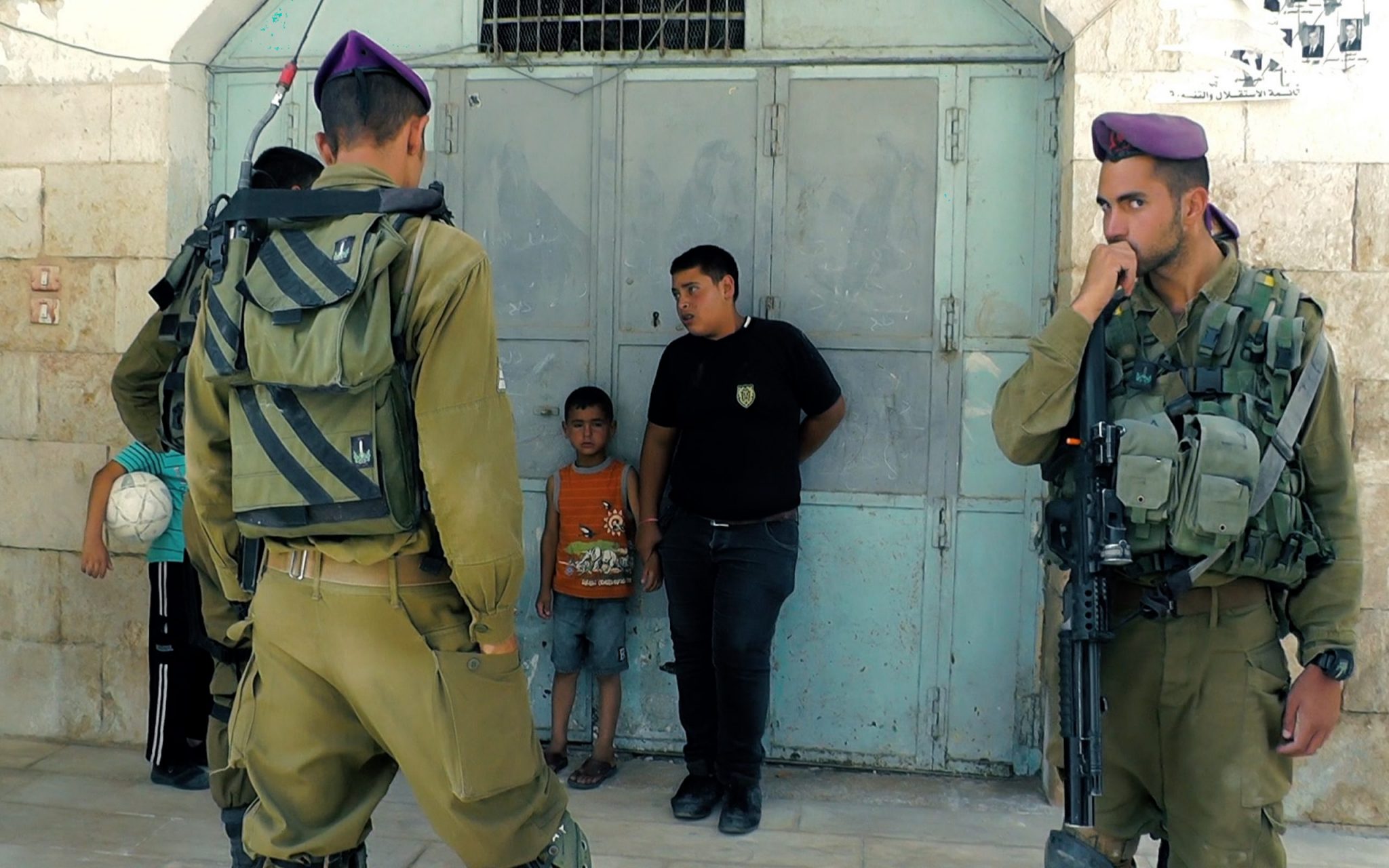
The film portrays what it means to live without political rights or security. A farmer struggles to harvest his own olives as settlers claim his land. Families watch as their homes are raided without explanation. These moments reveal a condition of vulnerability where even survival is a negotiation.
Central to the film is the idea that filming is itself an act of defiance. Palestinian volunteers armed only with handheld cameras document injustices, transforming the lens into both shield and testimony. In a context where political speech is stifled, the camera becomes a form of protest.
Edited from hundreds of hours of recordings, the film resists the tendency to frame Palestinians as objects of external narration. Instead, it presents them as narrators of their own dispossession. This makes Of Land and Bread not just a documentary but a counter-archive — one that insists on being seen.
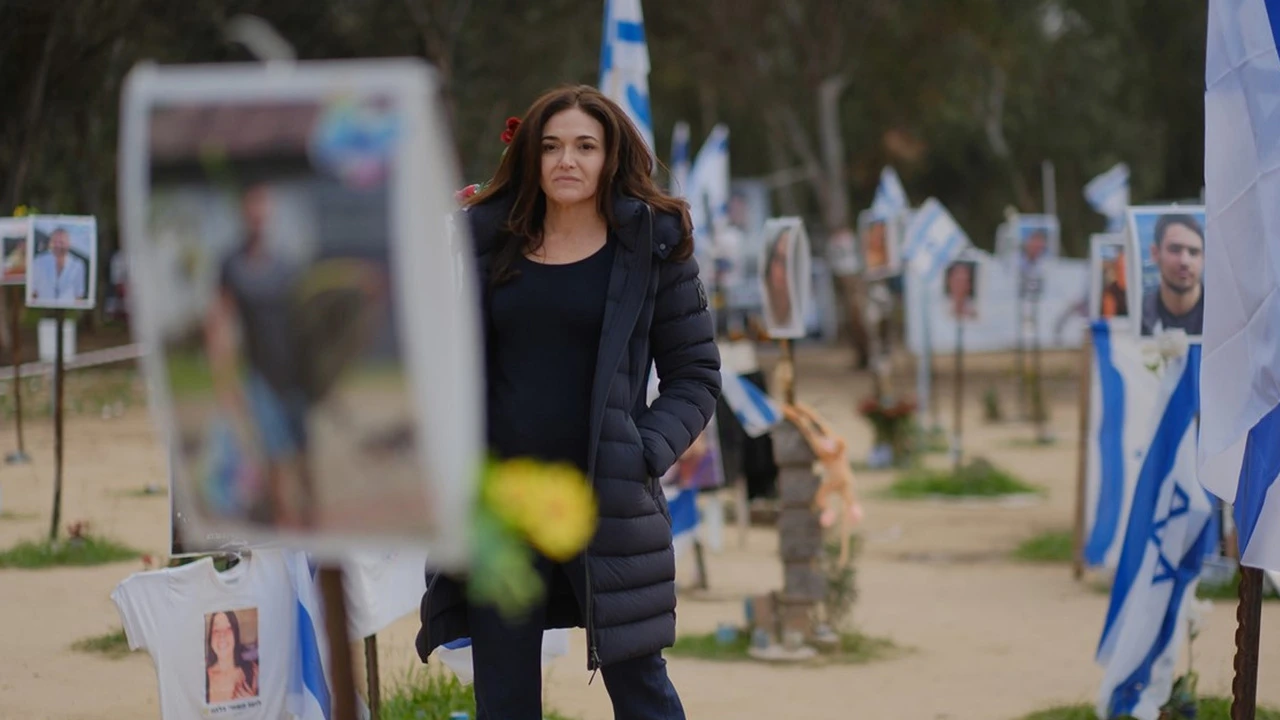
At first glance, Screams Before Silence and Of Land and Bread may seem to belong to opposite worlds. One documents atrocities committed by Hamas; the other records systemic oppression under Israeli occupation. But taken together, they reveal how documentary film insists on nuance where politics often collapses into binaries.
Both films use testimony — sometimes visual, sometimes verbal — to resist erasure. Both refuse to let victims be reduced to statistics. And both demand that audiences confront realities that may unsettle their own ideological comfort zones.
In 2025, as the Israel–Palestine conflict continues with mounting civilian casualties, films like Of Land and Bread and Screams Before Silence serve as urgent correctives. They cut through propaganda and denial, insisting that suffering — whether Israeli or Palestinian — must be acknowledged, documented, and remembered.
For viewers outside the region, they also raise pressing questions: What role does documentation play in human rights struggles? Can images force accountability when institutions fail? And how do we, as global audiences, respond to testimonies that challenge our political assumptions?
Of Land and Bread (2019), streaming now on Guidedoc, is not an easy watch. Neither is Screams Before Silence (2024). But both are essential. They remind us that documentary film exists not to comfort but to confront, not to simplify but to complicate.
By bearing witness to atrocities on October 7, to daily dispossession in the West Bank, these films insist that silence is not an option. They do not offer solutions, but they do what politics so often refuses: they make visible what power tries to hide.
If this article resonated with you, don’t miss our Guidedoc feature From Ukraine to Gaza: 10 Must-Watch Docs That Seek Peace Where Politics Fail — another exploration of films that confront war, memory, and the stubborn hope for peace.
Watch more great documentaries on Guidedoc

1337 films
And a new one every day

The preferred platform
of true documentary lovers
Half of all revenue goes
directly to the filmmakers