South Korea is often synonymous with gleaming technology, K-pop idols, and high-speed urbanism. But beyond these global headlines lies a more nuanced mosaic of lives in flux, captured with raw honesty and delicate artistry in South Korean Frames, a program presented by Seesaw Pictures and now streaming on Guidedoc.
This collection of six documentaries invites us into kitchens, mountaintops, factory floors, and hospital rooms, reframing the nation through the lens of memory, resistance, grief, and joy. These stories do not shout from billboards—they whisper truths from the margins. And that is exactly why they resonate.
South Korean Frames curates a deeply immersive experience where the personal is political, and where seemingly ordinary lives are rendered extraordinary through cinematic empathy. At the core of these six films is a collective will to preserve memory, advocate for dignity, and seek connection amid silence.
From queer choruses singing in defiance of discrimination, to North Korean refugees weaving new rituals of identity, to terminal patients embracing death with grace, this program reveals South Korea not as a monolith, but as a prism of lived truths. These documentaries defy spectacle, opting instead for intimacy, subtlety, and emotional resonance. In doing so, they offer viewers a rare opportunity to witness South Korea beyond the mythologies of media hype. This is a reframing of the country from the inside out—gentle, poignant, and profoundly human.
The South Korean Gay Men's Chorus takes center stage in Weekends, a film that offers much more than music. This uplifting and deeply human documentary follows a group of gay men who gather in Seoul to sing—and, through their voices, challenge a society that often seeks to silence them.
With every rehearsal and performance, the chorus not only claims a space in the public sphere but also cultivates one of belonging and resilience within. Director Lee Dong-hae captures the camaraderie, conflict, and quiet courage that flow beneath the surface of each note, making Weekends a vital testament to queer visibility in a conservative culture.
Meanwhile, Ryeohaeng turns the lens on North Korean women who have escaped to the South. Through the ritual of revisiting and retelling their journeys, these women reclaim not only their narratives but their sense of agency. What could have been a linear tale of escape becomes instead a tapestry of memory and reinvention. By focusing on ritual as a means of healing and re-rooting, this film offers a rare, deeply spiritual perspective on the trauma of division and displacement.
In Factory Complex, interviews with female laborers across South Korea pull back the curtain on the nation's economic engine. These women, often overlooked in the histories of industrial growth, speak of their work with candor and emotional heft. The film connects personal histories to broader political and economic narratives, giving voice to generations of women whose sweat powered South Korea's rise. Director Im Heung-soon's visual style is both haunting and poetic, turning factory whistles and conveyor belts into a rhythmic elegy for lives spent in toil.
Family in the Bubble Web brings the factory motif into the realm of emotional labor. After years apart, a daughter returns home with a camera, only to find herself caught in the same familial patterns she hoped to understand, if not escape. The film captures the claustrophobia of love turned habitual, and the difficulty of communicating across generational divides. It is as much about South Korea's culture of emotional restraint as it is about one family's attempt to rethread their connection.
Few films deal with death as openly and compassionately as The Hospice. Set in a care facility where terminally ill patients prepare for the end, the documentary is both a sobering confrontation and a meditation on grace. Through intimate, almost sacred encounters, director Chang-jae Lee offers not closure but presence. In doing so, he reframes death not as a private terror but as a shared, social act of meaning-making. The film's observational style resists melodrama, allowing moments of kindness, fatigue, humor, and fear to simply be. As one patient says, "I'm not scared of dying. I'm scared of disappearing."
This concern with presence and memory flows through the entire program. Each film in South Korean Frames serves as a kind of archive, a resistance to disappearance. And nowhere is this more evident than in how the program portrays the intersections of public life and private struggle.
Together, these films resist the notion that only large-scale drama is worthy of the screen. Instead, they shine in the microcosms: a rehearsal hall, a family apartment, a hospice bed. In doing so, they transform what might seem mundane into profound reflections of South Korea's shifting social fabric. The refusal to moralize or sensationalize allows for a level of intimacy rare in contemporary documentary.
It is also worth noting how consistently women anchor these stories as subjects, directors, and central agents of transformation. Whether escaping regimes, holding families together, organizing workers, or confronting mortality, the women in these documentaries are not symbols of struggle. They are the storytellers and change-makers themselves.
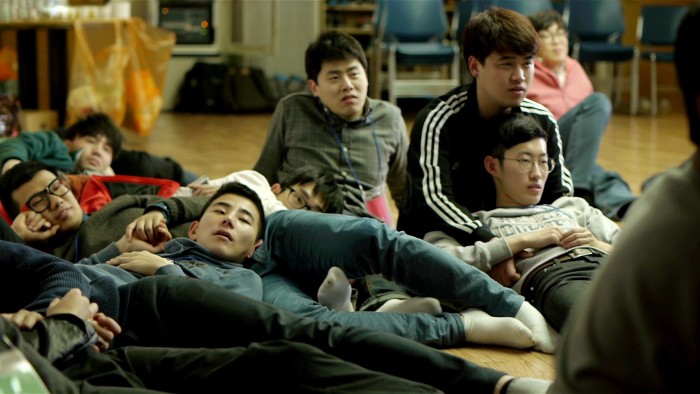
A joyful and heartfelt look at the South Korean Gay Men’s Chorus, Weekends follows their fight for visibility through music in a society that still marginalizes LGBTQ voices. Singing becomes both protest and healing in this moving documentary about identity and belonging.
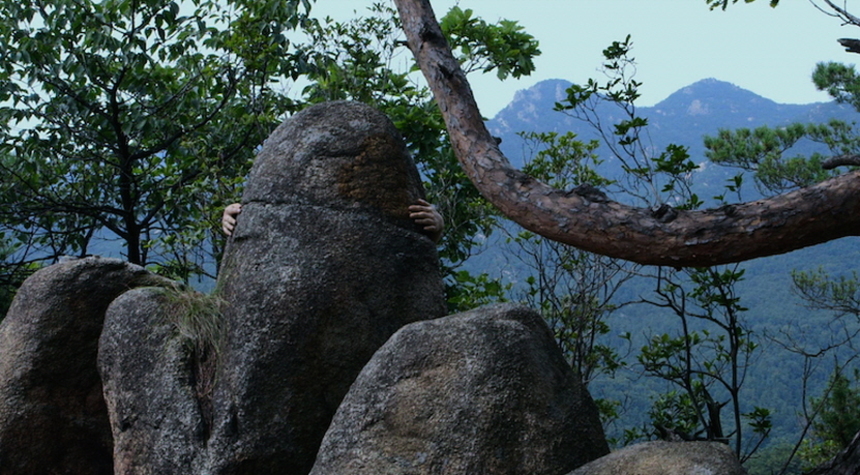
In this compelling documentary, North Korean refugee women in the South revisit their journeys through storytelling and ritual. This poetic film explores memory, loss, and the quiet strength it takes to rebuild one’s life after displacement.
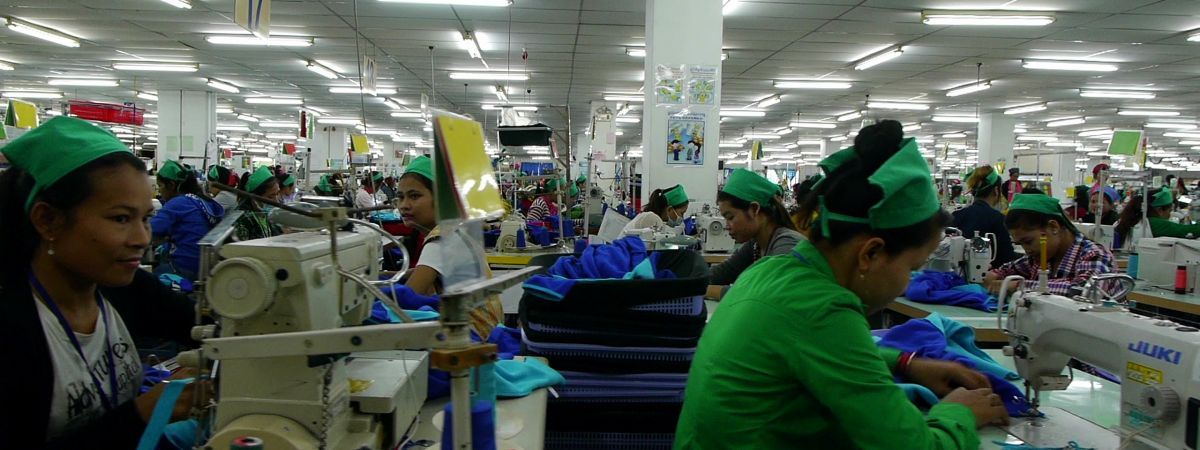
Through powerful interviews and visual poetry, Factory Complex reveals the struggles of South Korean women factory workers. It’s a stirring tribute to the invisible labor behind the country’s economic success.
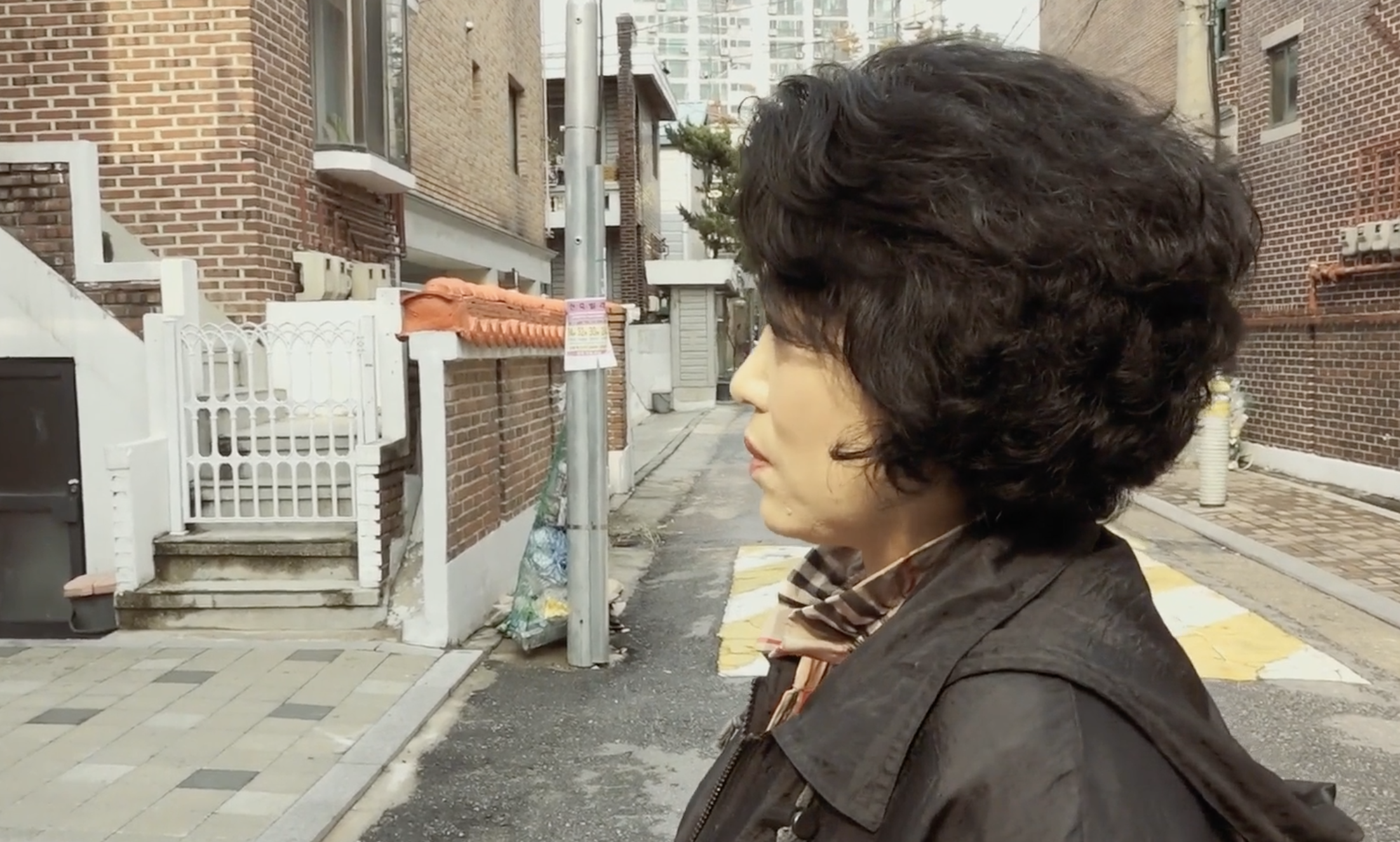
A daughter returns home with a camera and finds herself tangled in the same emotional patterns she hoped to escape. The film captures the subtle, unspoken tensions that bind and burden families.
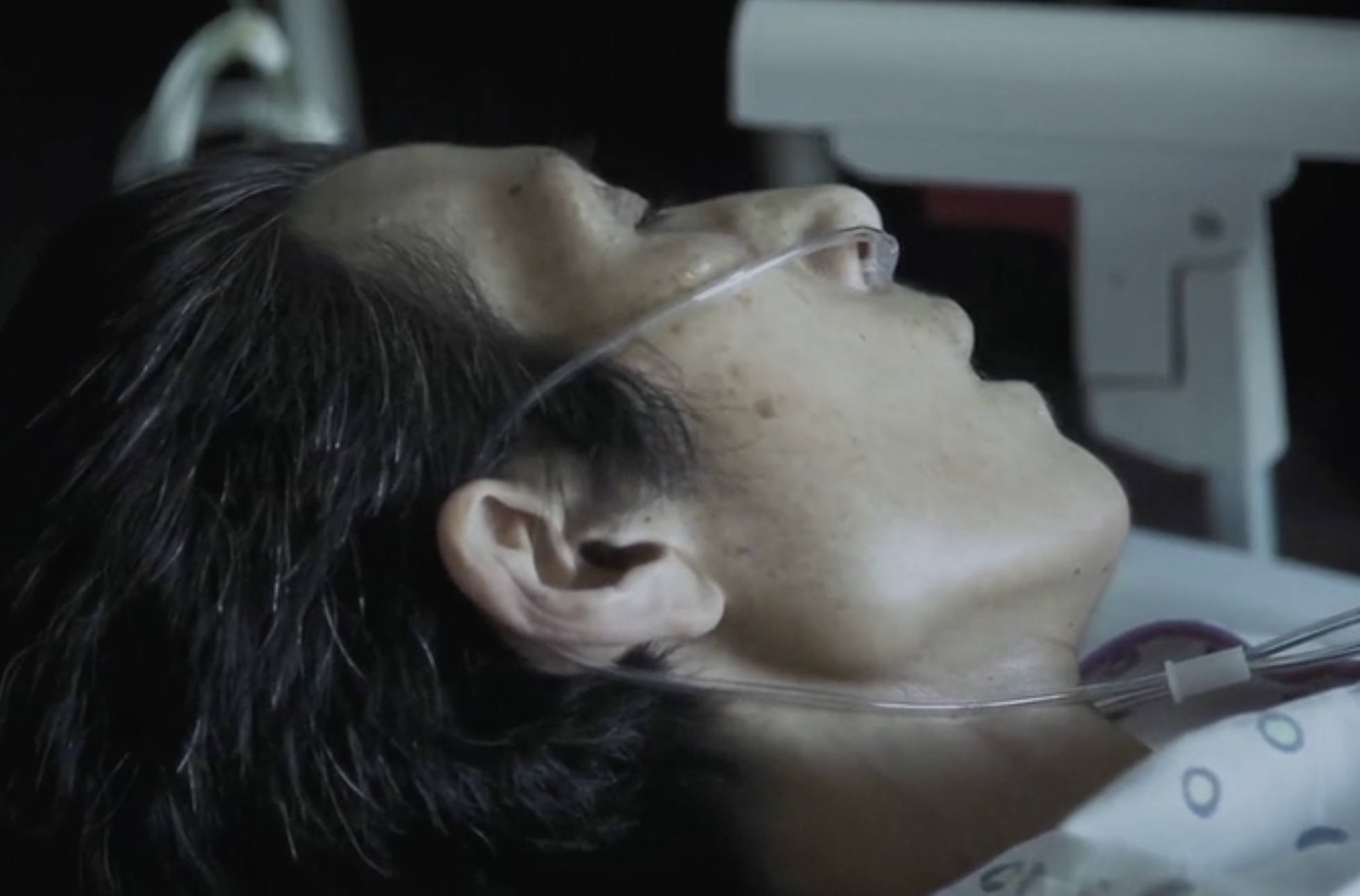
Filmed in a care facility for the terminally ill, this insightful doc offers a tender, unflinching portrait of life’s final moments. With quiet beauty and compassion, it reframes death as a deeply human, shared experience.
In a media ecosystem dominated by spectacle, South Korean Frames reminds us of the power of presence. These films do not chase headlines. They don’t set out to be viral. Instead, they honor what remains when the noise fades: memory, ritual, connection, and care.
They also pose quiet yet urgent questions. What does dignity look like in the face of death? How does healing take shape after migration? What roles do music, labor, and ritual play in reclaiming agency? These are not questions with easy answers, but these documentaries are less about answers than they are about witnessing. And in a time when much of the world sees Korea through K-dramas and trending TikToks, South Korean Frames offers something more enduring: the slow burn of truth, filmed one frame at a time.
If this collection moved you, there’s even more to discover. Check out another Guidedoc article that explores how documentaries continue to redefine the way we see Asian culture. Read more here: Must-Watch Asian Documentaries: Uncovering Hidden Stories.
All five documentaries in this series are available to stream on Guidedoc. For viewers seeking stories that are rich in emotional complexity and cultural depth, this program is an essential journey. Watch now, and discover a South Korea that pulses far beyond the headlines—one frame at a time.
Watch more great documentaries on Guidedoc

1398 films
And a new one every day

The preferred platform
of true documentary lovers
Half of all revenue goes
directly to the filmmakers