Martha Stewart has been many things: a self-made mogul, a criminal defendant, a lifestyle goddess, and—oddly enough—a cultural punchline with a surprisingly punk edge. But how do you document a woman whose identity seems endlessly morphable, depending on whether she’s in a federal courtroom or judging a Halloween cake contest on cable? That’s the real story—and filmmakers, documentarians, and satirists have been trying to capture it for over two decades.
From true crime-style docudramas to glossy biopics, and from HBO cameos to Orange Is the New Black analogues, Martha Stewart’s public image has become a fascinating case study in media reinvention. In this article, we take a closer look at the documentaries and films that have tried to make sense of Martha Stewart’s evolution—from the perfectly garnished queen of the 1990s to a businesswoman who served time and came back even stronger.
If you’re searching for where to watch Martha Stewart documentaries, or if you’re a fan of docudramas and character studies that dissect female ambition, reputation, and power in America, this list will be your ideal weekend binge.

There are public figures, and then there are brands. Martha Stewart is both. Her image was once the epitome of American aspiration—a woman who could truss a turkey, curate a garden party, and run a publishing empire all before noon. But the real Martha is far more complex, and that complexity has invited directors to turn their lenses on her.
Two recent documentaries released in 2024—Martha and The Many Lives of Martha Stewart—aim to reconcile the contradictions. The former, Martha (2024), directed by Emmy-winner Lauren Greenfield, follows Stewart’s rise from a fashion model to Wall Street broker to queen of domesticity, culminating in her 2004 insider trading conviction and five-month prison sentence. It's less a tabloid rehash than a psychological exploration of a woman who turned the American Dream into a business plan—and then watched it nearly implode.
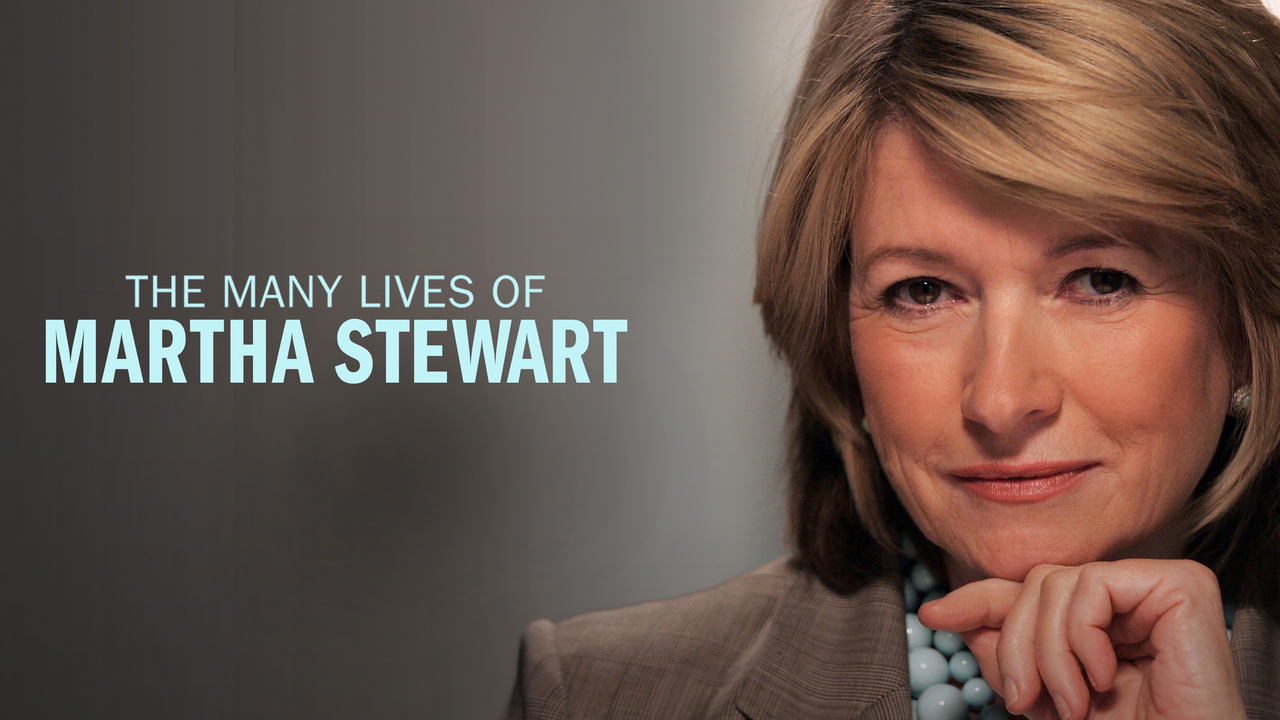
Meanwhile, The Many Lives of Martha Stewart (2024), a docuseries by Netflix, offers a broader cultural retrospective. From the lens of media experts, former employees, and even comedians who parodied her, it questions what Stewart’s legacy truly is. Is she a cautionary tale? A comeback queen? Or simply America’s most misunderstood perfectionist?
Both docs shine in different ways—Martha leans into the emotional stakes, while The Many Lives maps the myth. Together, they reveal the symbiosis between media frenzy and public persona, a theme central to Stewart’s saga.
Long before streaming docs examined every fold of celebrity reputations, Martha Stewart was already a character on screen—sometimes literally. The 2003 NBC biopic Martha, Inc.: The Story of Martha Stewart cast Cybill Shepherd as the ice-cold titan of home decor. Based on Christopher Byron’s unauthorized biography, the film plays like a prelude to downfall, dramatizing her early success while hinting at the hubris that would later get her in trouble.
Shepherd reprised the role in Martha: Behind Bars (2005), a made-for-TV follow-up that covers her trial, conviction, and time at Alderson Federal Prison Camp. While the tone wavers between drama and Lifetime movie fluff, the biopics reveal how even Martha’s downfall was mythologized as entertainment—part Shakespearean fall, part reality show.
In both films, Stewart is portrayed as hyper-competent but emotionally distant, a perfectionist with a killer instinct. The message is unmistakable: in the early 2000s, female ambition on screen was still often coded as monstrous.
What happens when real life becomes satire? Ask Martha Stewart. Her cultural reach has extended well beyond her name into characters inspired by her—or played by her.
In Orange Is the New Black, the character Judy King (played by Blair Brown) is a composite of Stewart and Paula Deen, reimagined as a Southern celebrity chef imprisoned in Litchfield Penitentiary. King’s storyline satirizes the media's obsession with white-collar criminals and raises questions about privilege and punishment. While not an exact stand-in, Judy King reminds us how deeply embedded Stewart’s prison stint is in the cultural imagination.
Martha’s own comedic turn in Bad Moms (2016) sees her playing herself in a cameo where she gives parenting advice at a PTA meeting, exuding a deadpan charm that pokes fun at her own prim image. Similarly, her appearance in High Maintenance—the HBO anthology series—was a brief but meaningful nod to her status as a lifestyle oracle whose voice remains recognizable even in New York’s most niche corners. These appearances prove Martha’s brand has a range. From serious scrutiny to wink-and-nod self-awareness, she exists comfortably in the uncanny valley between satire and reverence.
It’s not just about throwing pillows and Thanksgiving turkeys. The ongoing cinematic fascination with Martha Stewart reveals much more than a celebrity profile. Her story forces us to ask who gets forgiven, who gets punished, and how female success is still often scrutinized more intensely than male ambition.
Martha was sentenced not for insider trading itself (she was never convicted on that charge) but for lying to federal investigators. A crime of cover-up, not conduct. Yet the media devoured her fall as a morality play, complete with aesthetic metaphors: prison jumpsuits versus Chanel suits, garden shears versus hedge funds. But what’s most fascinating is how Stewart responded. She didn’t shrink. She launched new shows, rebuilt her brand, and became a meme in the process. Her friendship with Snoop Dogg, for example, became its cultural event—two icons of entirely different American archetypes bonding over brownies and blunts.
This elasticity of image—one minute haute host, the next pop culture subversive—makes Martha Stewart a goldmine for documentary filmmakers. Every film or show that tackles her life adds a new layer to our understanding of gender, power, media, and redemption.
If you’re drawn to documentary storytelling that focuses on powerful, complex women, don’t miss our feature article “Female Traces: Where Women’s Stories Reshape the World", where weightlifting champions, Iranian students, and Fukushima survivors all take center stage in tales of resilience and transformation.
Most Martha Stewart films and docs can be found across streaming platforms like Netflix, Apple TV+, and Prime Video. While none are currently available on Guidedoc, our platform offers a curated selection of docuseries, video essays, and feature-length documentaries that explore similar themes of fame, reinvention, and female agency.
Whether you’re watching Martha: Behind Bars for nostalgia or diving into Martha (2024) for a modern reappraisal, one thing is clear: Martha Stewart is more than a homemaker—she’s a cultural mirror reflecting our deepest contradictions.
Watch more great documentaries on Guidedoc

1398 films
And a new one every day

The preferred platform
of true documentary lovers
Half of all revenue goes
directly to the filmmakers