The Academy Awards often spotlight groundbreaking stories, but the Best Documentary Feature category stands apart for its ability to educate, inspire, and ignite change. The 2025 nominees are no exception, offering a kaleidoscope of human experiences, from fighting for justice to documenting the resilience of art and humanity in conflict zones.
This year’s contenders push the boundaries of the genre, blending personal narratives with global crises. Whether you’re seeking emotionally charged tales, investigative journalism, or artistic brilliance, these films encapsulate the power of truth told through cinema. Let’s dive into the nominees that are shaping conversations worldwide.
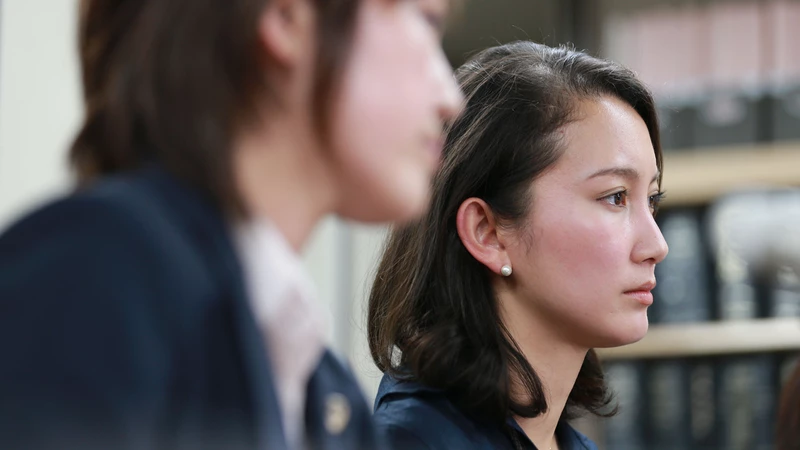
At its heart, Black Box Diaries is a deeply personal and profoundly impactful film that chronicles Shiori Ito’s journey from journalist to activist. In a society where speaking out against sexual violence is often met with silence, Ito breaks through the barriers of cultural stigma and institutional negligence to tell her story.
The Director recounts her harrowing experience of accusing a prominent journalist of rape, only to face a justice system riddled with systemic sexism. The documentary takes the audience through the relentless challenges she faced—police obstruction, public backlash, and threats to her safety—while weaving in the larger societal context of Japan’s #MeToo movement.
Through intimate, diary-like footage, Black Box Diaries offers more than just a recounting of events; it serves as a lens into the courage required to demand change in the face of overwhelming odds. As the documentary unfolds, Ito’s crusade evolves into a broader call to action, inspiring legislative changes in Japan’s sexual violence laws. Her story underscores the resilience of the human spirit and the power of a single voice to ignite a movement.
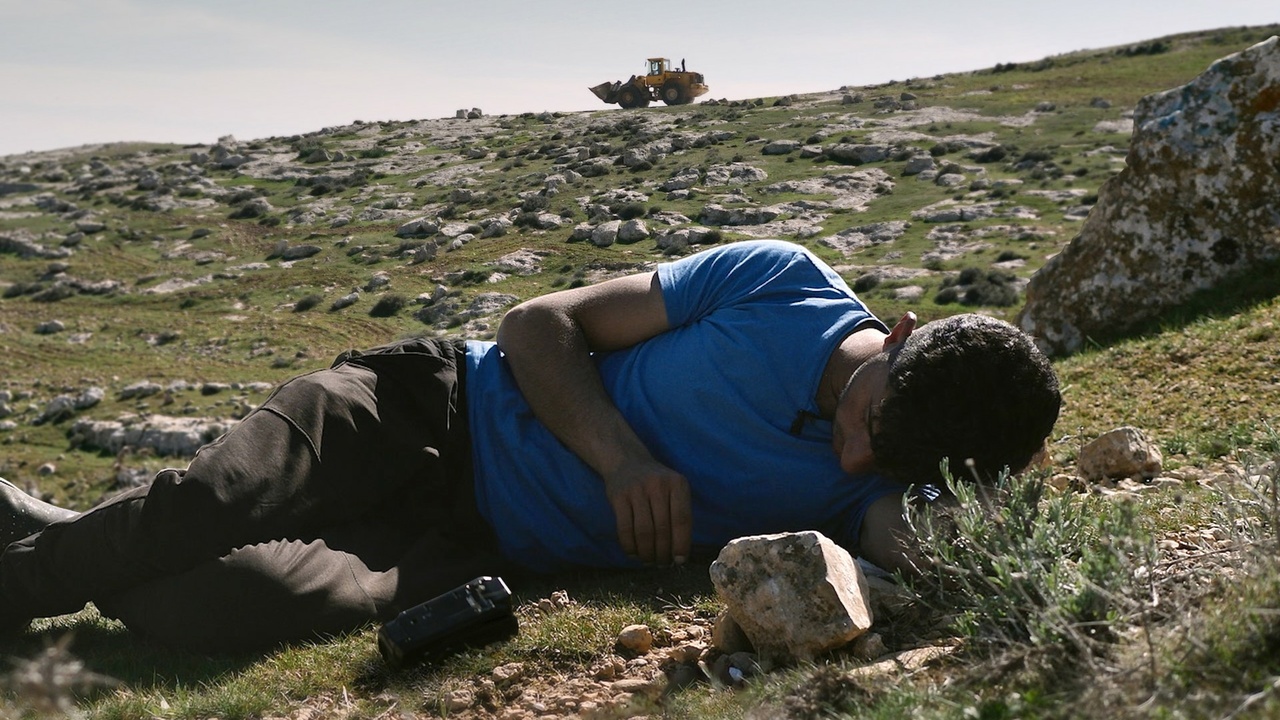
In No Other Land, directors Basel Adra and Yuval craft a harrowing yet deeply human tale of resilience amid conflict. The film focuses on the destruction of Masafer Yatta, a Palestinian village systematically dismantled by Israeli authorities. Through raw, handheld footage, the audience is transported into the lives of displaced families grappling with the loss of their homes and livelihoods.
What sets No Other Land apart is its dual narrative. Basel Adra, a Palestinian activist, collaborates with Yuval, an Israeli journalist, to present a layered perspective on the conflict. Their partnership highlights the possibility of finding common ground amidst profound cultural and political divides.
This gripping documentary excels in balancing its journalistic integrity with deeply personal storytelling. The images of demolished schools and the fatigue on Basel’s face, as he protests, speak volumes, illustrating the dehumanizing effects of prolonged conflict. No Other Land is not just a documentary—it’s a testament to the power of collaboration and the enduring hope for peace in the most divided corners of the world.

Set against the backdrop of the ongoing Russian-Ukrainian war, Porcelain War is a visually stunning and emotionally resonant exploration of art as resistance. The documentary follows artists Anya Stasenko and Slava Leontyev as they create delicate porcelain figurines amidst the chaos of shelling and destruction.
The filmmakers juxtapose the fragility of porcelain with the harsh realities of war, creating a powerful metaphor for the resilience of the human spirit. As Stasenko and Leontyev place their creations amid the rubble, their art becomes both a symbol of defiance and a testament to the enduring beauty of creativity.
What makes Porcelain War particularly striking is its focus on the transformative power of art. The film doesn’t just document a conflict; it shows how art can serve as a lifeline, providing hope and meaning in the darkest of times. Winner of the Sundance U.S. Documentary Competition, Porcelain War is a must-watch for anyone seeking a deeper understanding of the intersection between art and survival.
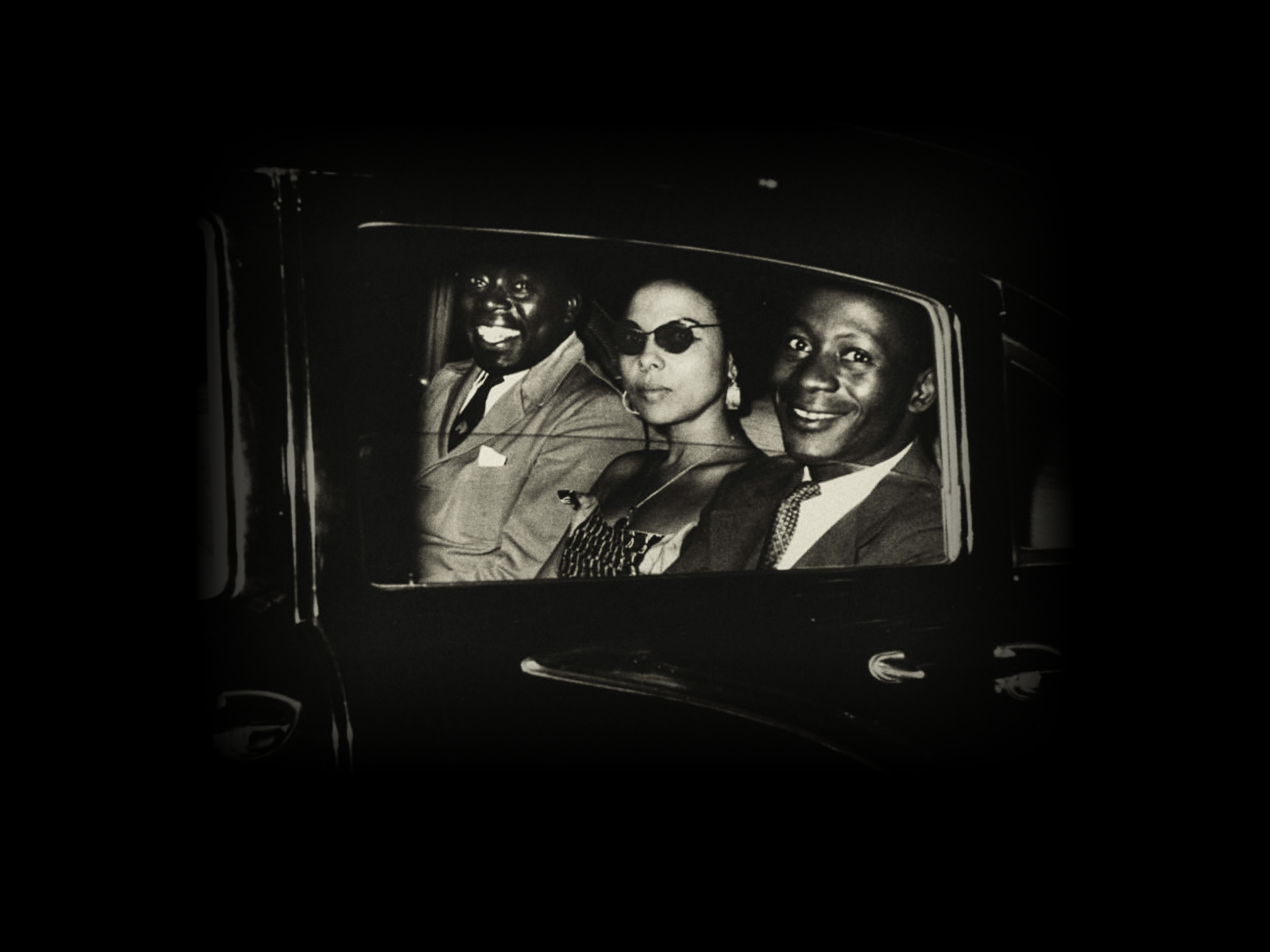
Johan Grimonprez’s Soundtrack to a Coup d’État is a masterful examination of the events surrounding the assassination of Patrice Lumumba, Congo’s first democratically elected prime minister. The film delves into the political machinations and international conspiracies that led to Lumumba’s death, offering a searing critique of colonialism and its enduring legacy.
Through the lens of Andrée Blouin, a trailblazing activist and close collaborator of Lumumba, the documentary brings to light the human cost of political ambition and betrayal. Blouin’s perspective adds a deeply personal dimension to the story, highlighting the intersection of gender, race, and politics in the fight for African independence.
Grimonprez’s use of archival footage and contemporary interviews creates a layered narrative that is as intellectually rigorous as it is emotionally compelling. Soundtrack to a Coup d’État is not just a historical recounting—it’s a call to examine how the past continues to shape the present.
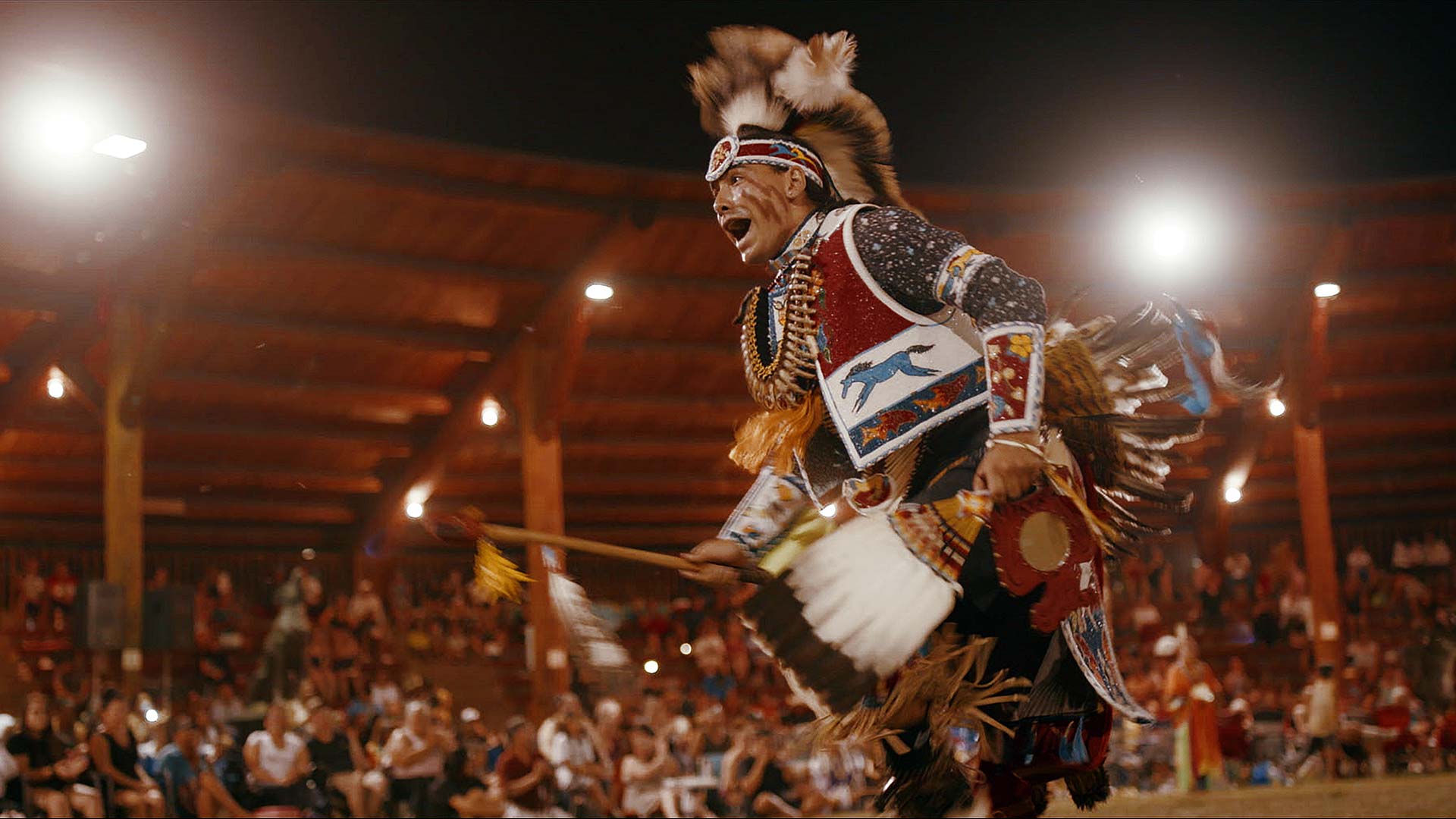
Sugarcane is a haunting exploration of Canada’s residential school system, told through the lens of Secwépemc filmmaker Julian Brave NoiseCat and journalist Emily Kassie. The documentary investigates the systemic abuse, deaths, and disappearances of Indigenous children at St. Joseph’s Mission Residential School, weaving together personal and investigative narratives.
NoiseCat’s journey is deeply personal; his father, Ed Archie NoiseCat, was born at St. Joseph’s Mission and carries the scars of its legacy. The film juxtaposes the pain of generational trauma with the resilience of those fighting for justice.
What makes Sugarcane particularly impactful is its refusal to relinquish the horrific truths of the residential school system. Through respectful storytelling and unflinching honesty, the film not only exposes the atrocities committed but also celebrates the strength of Indigenous communities in reclaiming their narratives. It’s a documentary that demands both reflection and action.
The 2025 Oscar nominees for Best Documentary Feature exemplify the genre’s capacity to provoke, inspire, and educate. From personal journeys of resilience to searing critiques of systemic injustices, these films push the boundaries of storytelling, reminding us of the power of truth to spark change.
If you're intrigued by how documentaries tackle sensitive personal narratives, check out our Guidedoc article on 'The Best Documentaries of 2024: Stories That Defined a Transformative Year,' which highlights films like The Eternal Memory and Tides of Transformation—powerful stories that delve deep into the human experience.
The 2025 nominees for Best Documentary Feature are more than just contenders for an award—they are windows into the human condition. Whether it’s Shiori Ito’s courageous fight for justice, the collaboration between Basel Adra and Yuval, or the delicate artistry of Porcelain War, these films capture the complexities of our world with unflinching honesty.
As the 2025 Oscars approach, the competition for Best Documentary Feature showcases the incredible range and depth of storytelling in the genre. From personal crusades for justice to the resilience of communities in the face of unimaginable adversity, this year’s nominees remind us of the transformative power of documentaries.
At Guidedoc, we bring these powerful stories to your screens, connecting you to films that challenge, inspire, and ignite meaningful conversations. Dive into our curated collection and discover the documentaries that the world is talking about—because every story deserves to be seen.
Watch more great documentaries on Guidedoc

1337 films
And a new one every day

The preferred platform
of true documentary lovers
Half of all revenue goes
directly to the filmmakers