Sound has the power to haunt, to provoke, and to inspire. Whether it’s an eerie, unexplained hum reverberating through an abandoned industrial wasteland or the delicate, near-silent notes of a masterpiece that defies convention, sound shapes our experiences unexpectedly. This is precisely what two fascinating documentaries—Zug Island and In a Silent Way, available on Guidedoc- explore, each diving into auditory enigmas that captivate the mind and challenge our understanding of music, noise, and silence.
Zug Island by Nicolas Lachapelle investigates a peculiar phenomenon known as the Windsor Hum—a low-frequency droning sound that has puzzled residents of Windsor, Canada, and Detroit, Michigan, for years. Meanwhile, In a Silent Way by Belgian director Gwenaël Breës embarks on an entirely different sonic journey, tracing the elusive, almost mythical legacy of Spirit of Eden, the groundbreaking album by the band Talk Talk, and its enigmatic leader, Mark Hollis.
From the relentless hum of industry to the near-silent depths of a musical genius, these documentaries take us on an immersive journey through sound, memory, and artistic expression. Let’s delve into the worlds of Zug Island and In a Silent Way, where silence is just as powerful as noise.
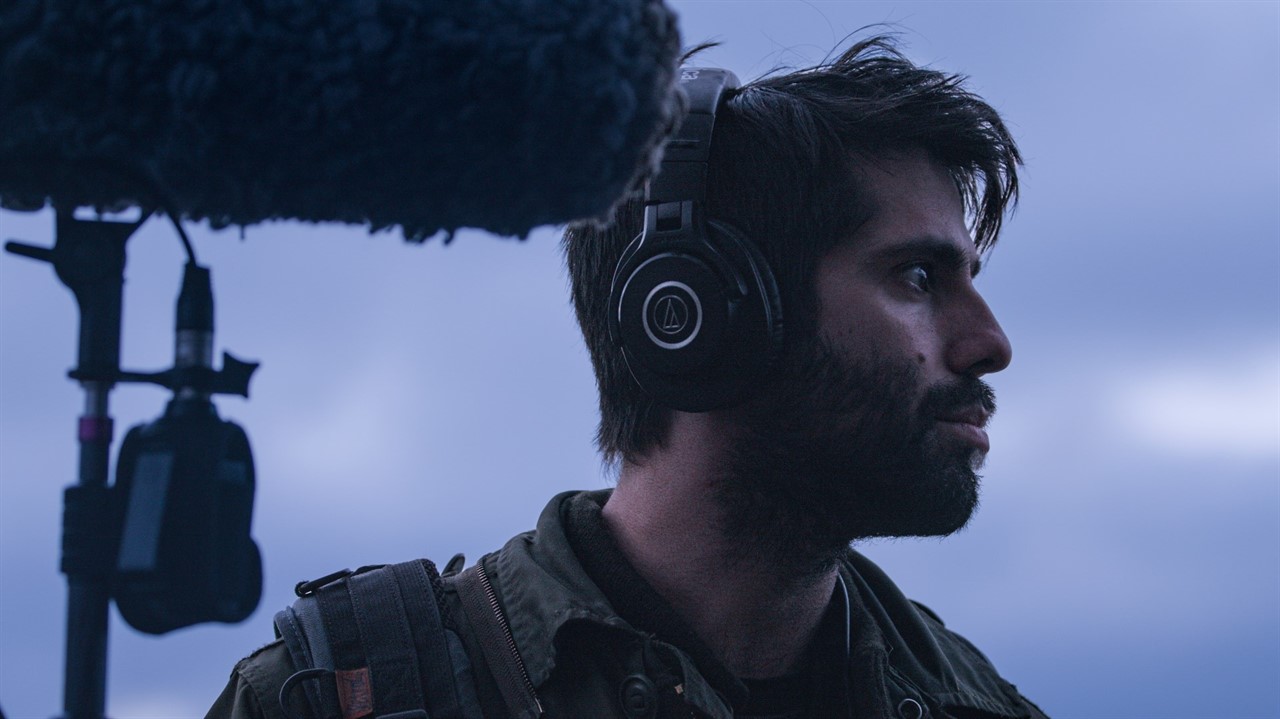
On the surface, Zug Island is just another industrial complex, a grim, impenetrable fortress of steel and smoke nestled between Windsor and Detroit. But for years, residents have been tormented by an eerie, unexplained noise that seems to emanate from the island.
Known as the Windsor Hum, this relentless droning has confounded scientists, environmentalists, and the local population alike. Some describe it as a distant engine rumble, others as a low, vibrating pulse felt deep in their bones. Where does it come from? And why can’t anyone seem to pinpoint its source?
In Zug Island, director Nicolas Lachapelle follows a sound engineer on his quest to uncover the origins of the hum. As he navigates abandoned neighborhoods and speaks to those whose lives have been disrupted by the noise, the film paints a haunting portrait of an industrial landscape that continues to impact its surroundings long after its peak.
Through immersive sound design and firsthand accounts, the documentary captures not just the physical presence of the hum but also its psychological weight. For many, this is more than just a mild annoyance—it’s an invisible invader that disrupts sleep, induces headaches, and fosters unease. The film also raises questions about environmental responsibility and corporate secrecy, as Zug Island’s industrial operations remain largely inaccessible to outsiders.

Lachapelle, known for his ability to weave soundscapes into storytelling, approaches Zug Island with a journalistic yet cinematic eye. His past work exploring themes of exile, rootedness, and memory adds depth to this industrial mystery. His ability to blend investigative filmmaking with a deeply human perspective earned him the Best First Documentary Work prize at the RVCQ and nominations at the Canadian Screen Awards.
The film serves as a meditation on sound pollution, its effects on communities, and the broader implications of unchecked industrial expansion. As one resident puts it, “We live in a ghost town haunted not by spirits, but by a sound that won’t let us rest.”
In 1988, British band Talk Talk released Spirit of Eden, an album that baffled critics and alienated their record label. At a time when the band had built a reputation on synth-driven hits like It’s My Life, frontman Mark Hollis took an abrupt artistic turn, stripping away pop structures in favor of organic improvisation, extended silence, and an almost spiritual minimalism. Initially misunderstood, the album would later be hailed as a precursor to post-rock and a masterpiece of sonic experimentation.
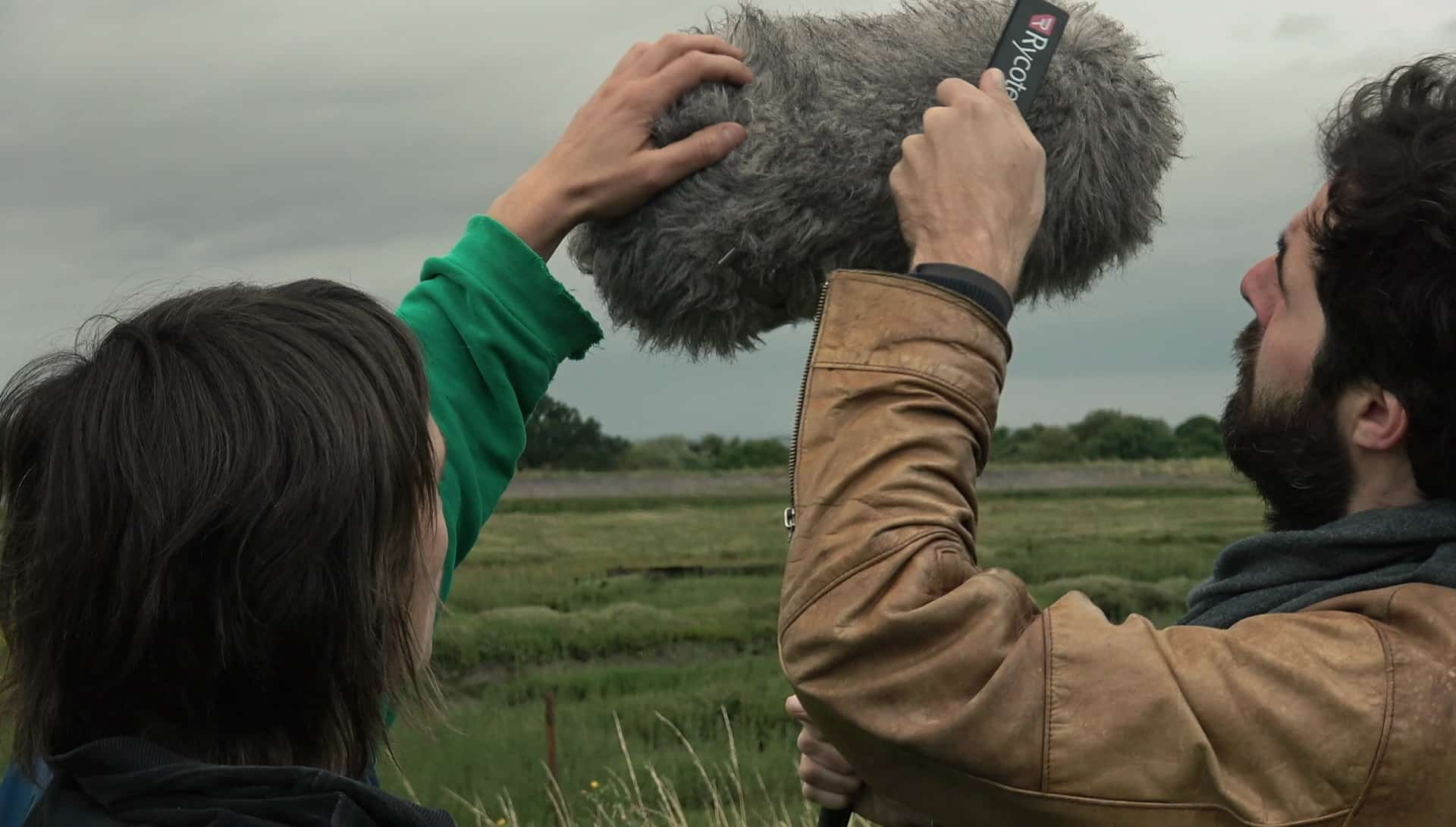
Belgian filmmaker Gwenaël Breës, a devoted fan of Talk Talk, set out to explore the making of Spirit of Eden and the philosophy behind its unconventional recording process. The result is In a Silent Way, a documentary as elusive as its subject matter. The film crew traverses England, piecing together the story of an album shrouded in mystery. With no cooperation from the band or their label, the documentary transforms into a detective story, attempting to decode Hollis’s artistic ethos through interviews with producers, music critics, and fellow musicians.
Mark Hollis famously walked away from the music industry, retreating into near-total silence after the release of his 1998 self-titled solo album. His belief that music should be approached with a painterly attention to space and quiet led him to create some of the most hauntingly beautiful compositions of his era. In In a Silent Way, Hollis’s philosophy is dissected with the same meticulous care he applied to his music.
The film not only celebrates Talk Talk’s influence but also ponders broader questions about the nature of artistic integrity. At a time when streaming services encourage constant output, Hollis’s decision to abandon the spotlight feels almost radical. As one interviewee notes, “In an age of excess, Mark Hollis chose silence.”
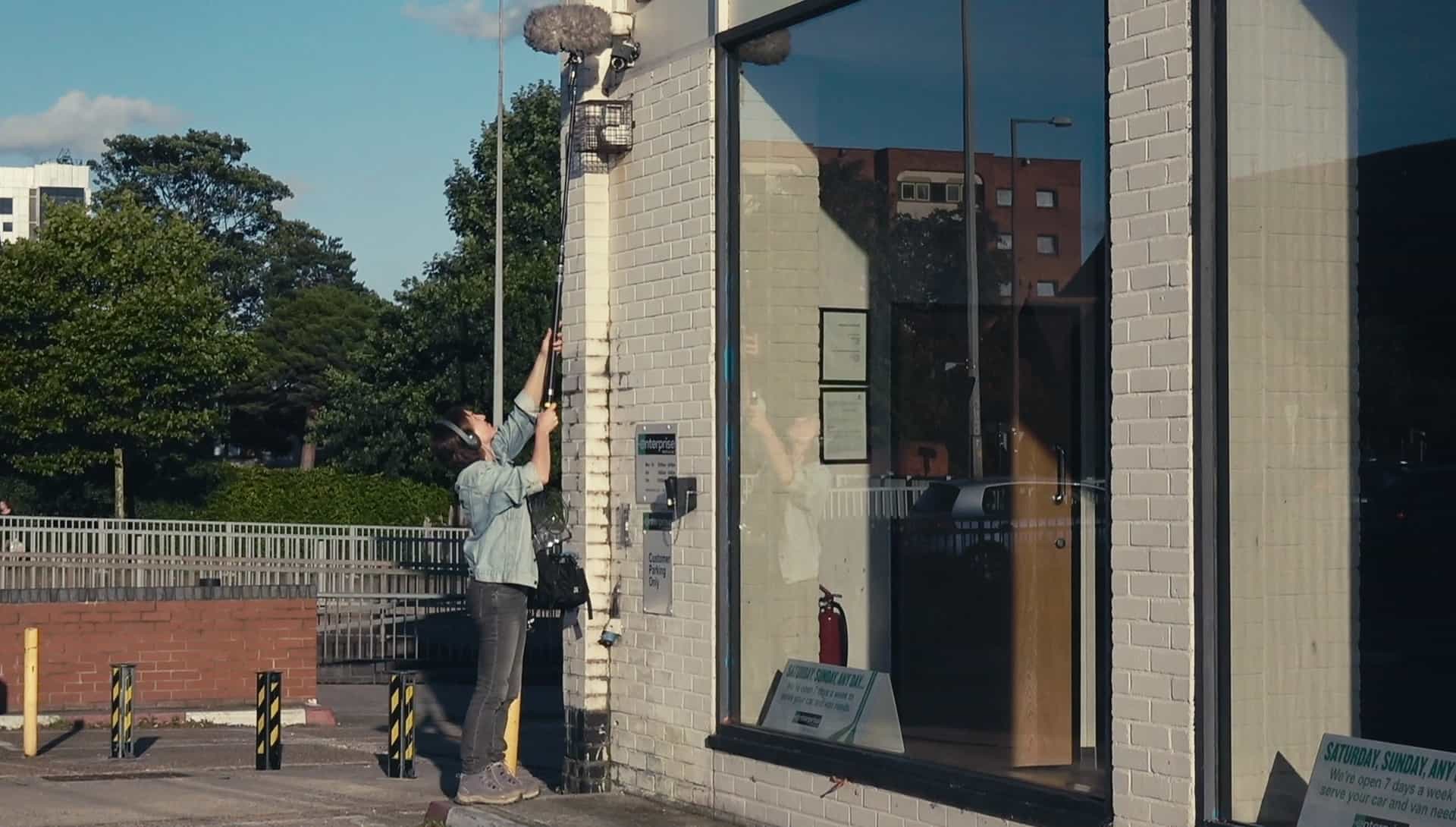
Zug Island and In a Silent Way may seem like vastly different films—one investigating an industrial mystery, the other celebrating a musical enigma—but at their core, both explore our relationship with sound. They remind us that noise is not just an environmental issue but a cultural force, shaping how we perceive the world around us.
While Zug Island presents sound as an invasive force, a disruptor of peace, In a Silent Way presents silence as a powerful artistic statement. Together, these documentaries encourage viewers to rethink how they engage with sound, whether it be the mechanical drone of industry or the near-sacred quiet of a musician’s retreat.
Guidedoc's article Speak Your Truth: Must-Watch Documentaries That Highlight the Power of Words delves into how the human voice must never be silenced, showcasing how filmmakers transform spoken words into powerful catalysts for change. More than mere sound, the voice becomes a force—an instrument of resistance, a beacon of truth, and a tool to reshape entire worlds.
For those eager to dive into these sonic landscapes, Zug Island and In a Silent Way offer unique auditory experiences that demand to be seen—and heard. Whether you’re fascinated by mysteries or the evolution of music, these films provide a fresh perspective on how sound defines our world.
You can watch Zug Island and In a Silent Way on Guidedoc, where an extensive collection of documentaries awaits those curious about the power of sound. If you’re looking for films that challenge perception, provoke thought, and offer an immersive sensory experience, these two are essential viewing.
Watch more great documentaries on Guidedoc

1337 films
And a new one every day

The preferred platform
of true documentary lovers
Half of all revenue goes
directly to the filmmakers