Documentaries pull us into realities we might otherwise never encounter, expose the intricate layers of humanity, and sometimes force us to confront uncomfortable truths. Two examples are 'Ted K', a haunting exploration of one of America’s most notorious domestic terrorists, and 'Master Game', a thought-provoking documentary about vandalism, art, and national identity by director Lutz Dammbeck.
While one plunges into the mind of a recluse whose disdain for modernity boiled over into violence, the other probes the defacement of abstract art and asks what lies beneath the surface—literally.
These documentaries may seem disparate at first glance, but both delve into themes of rebellion, isolation and the individual’s struggle against societal norms. Let’s dig into these two gripping documentaries.

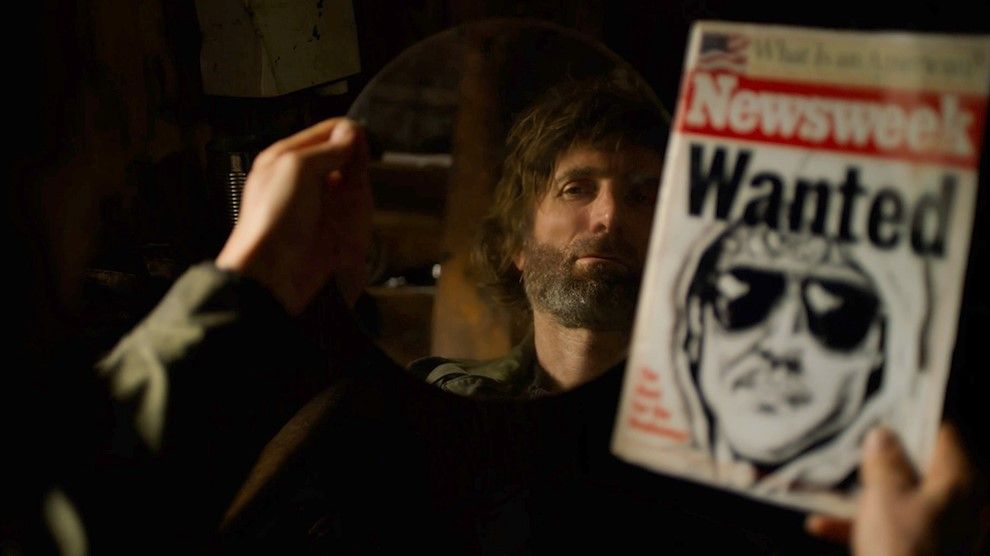
The 2021 docudrama 'Ted K', directed by Tony Stone, provides a chilling, intimate look into the life of Ted Kaczynski, better known as the Unabomber. Kaczynski, a former mathematics professor turned domestic terrorist, spent years living in a remote cabin in Montana, crafting explosives he sent through the mail, killing three people and injuring 23 others.
His violent actions were motivated by a hatred for industrial society and its encroachments on nature. Kaczynski saw himself as the last bastion of resistance against the destructive forces of modernity, and this doc goes beyond the headlines to explore his complex psyche.
Stone’s 'Ted K' is not your typical documentary. It is a docu-fiction hybrid, blending documentary elements with dramatic re-enactments to immerse viewers in Kaczynski’s world. The film portrays Kaczynski as both a victim of a rapidly industrializing society and a perpetrator of horrific violence. It leaves viewers grappling with the ethical dilemma: How do we reconcile the man who cherished nature with the terrorist who destroyed lives? This tension is palpable throughout the movie, offering a deeply unsettling but fascinating look at an individual who, in his isolation, became a symbol of anti-modernist rage.
Its refusal to provide easy answers makes 'Ted K' particularly engaging. This doc doesn't attempt to exonerate Kaczynski, nor does it simplify him into a monster. Instead, it leaves us in the uncomfortable space between understanding and condemnation, making it a film worth watching online for those who want a glimpse into the mind of one of America’s most enigmatic criminals.
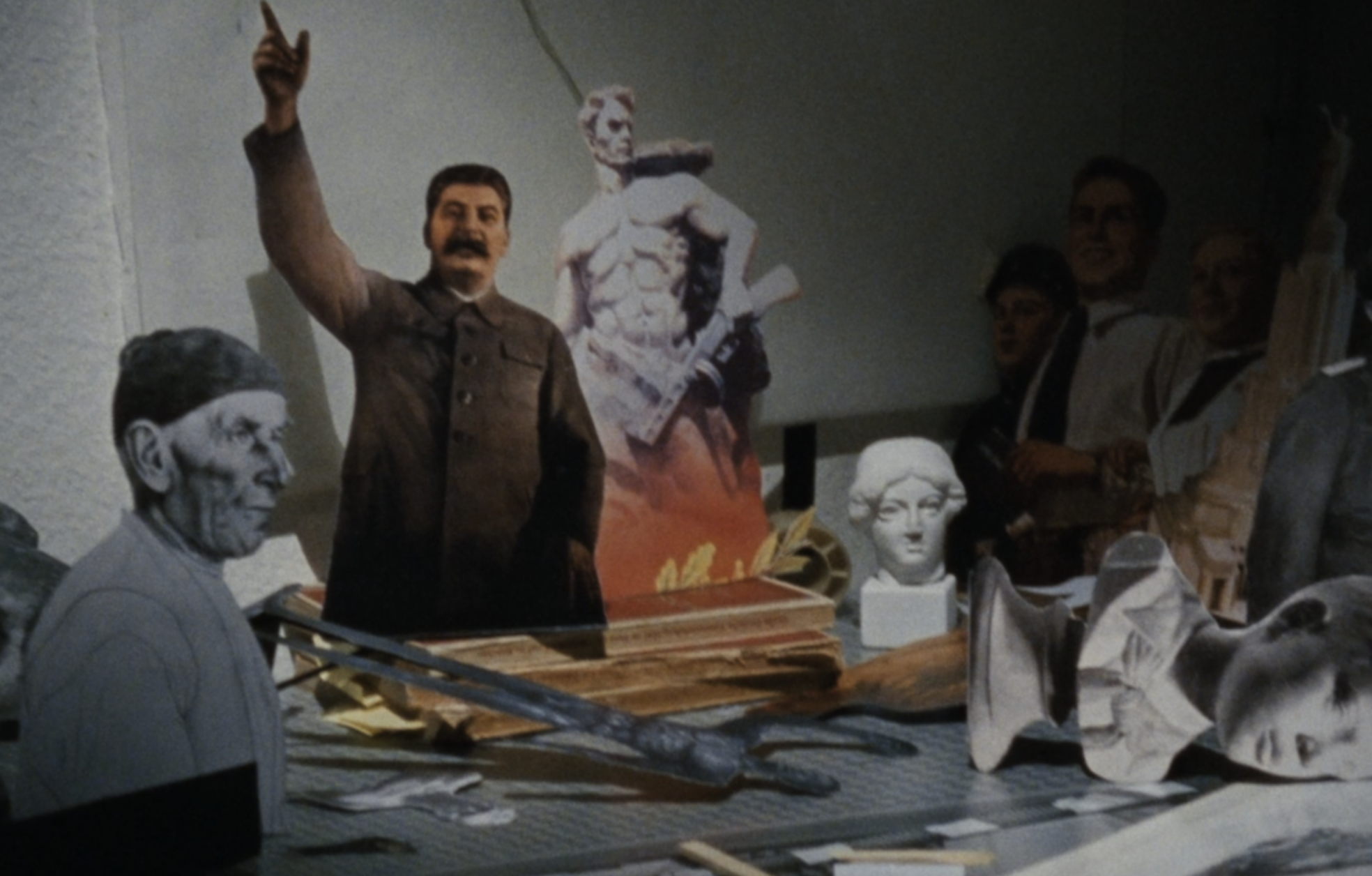
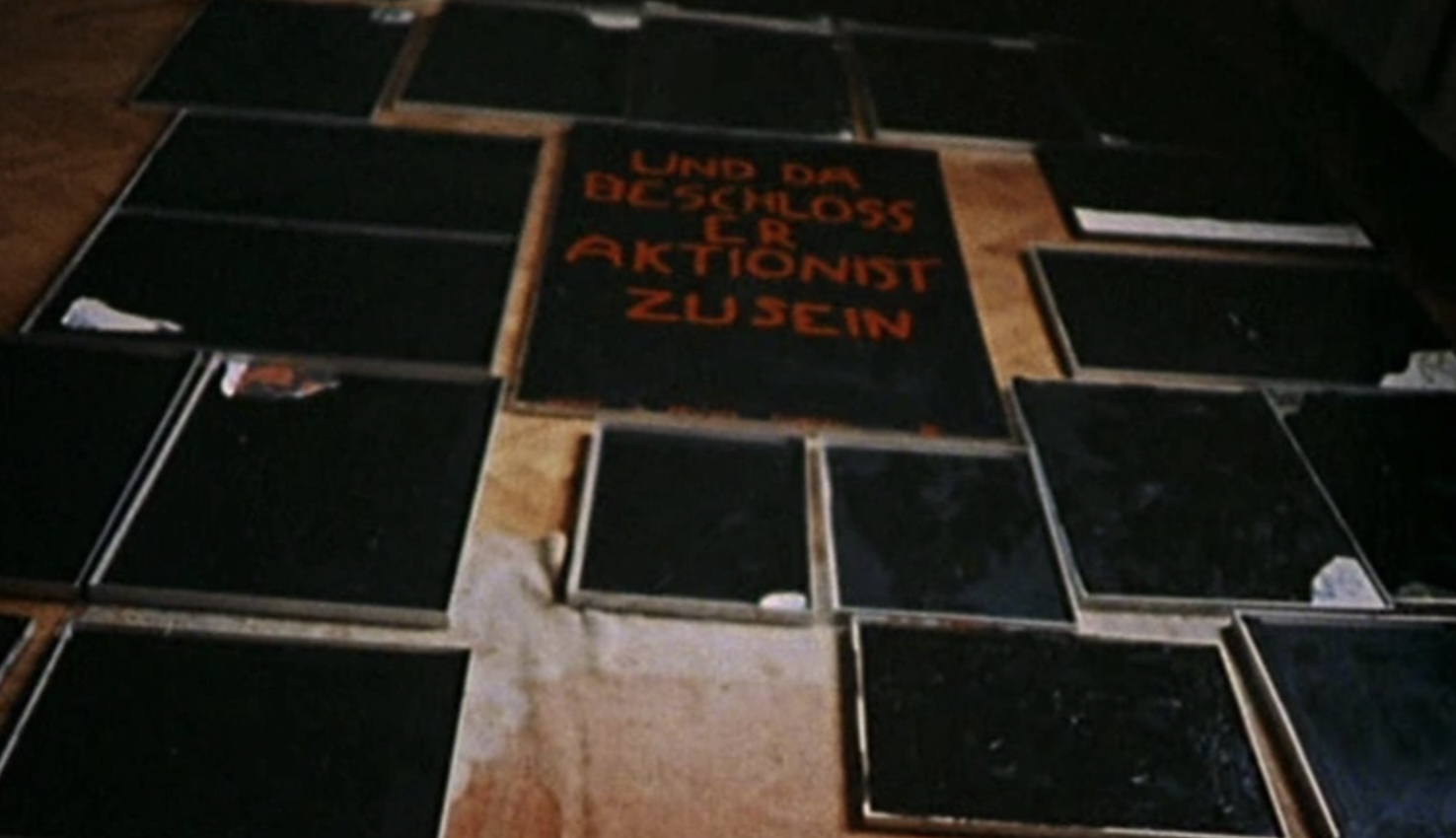
Now, let's shift to the equally enigmatic 'Master Game', a 1998 documentary directed by Lutz Dammbeck. This documentary unravels a mystery that started in 1994 when 27 works by the celebrated Austrian painter Arnulf Rainer were defaced with black paint.
The twist? Rainer himself was famous for his technique of overpainting—taking photographs of other artists' work and painting over them, creating a layered new artwork. So, who vandalized the over-painter? Did Rainer deface his pieces as some form of avant-garde critique? Or was there a more sinister message behind the act?
The film dives deep into the world of modern art and its detractors, weaving together art theory, politics, and social upheaval in Austria. The vandalism coincided with a series of mail bombings by the Bavarian Liberation Army, a right-wing extremist group that claimed to defend German identity against the perceived threat of modernism. The defacement of Rainer’s paintings and the bombings were both, arguably, acts of cultural rebellion against what the perpetrators saw as the decadence of modern society.

Dammbeck’s documentary doesn’t just investigate the crime—it examines the broader cultural landscape in which these events occurred. Austria in the mid-1990s was a country grappling with its past, and art was caught in the crossfire. Modernism, with its abstract forms and intellectual underpinnings, was seen by some as a symptom of a society that had lost its way. Rainer, with his overpainting, was a convenient target for this backlash, accused of embodying the very modernism the extremists sought to erase.
'Master Game' is more than just a crime documentary. It’s a meditation on the fragility of art and its place in society. Art, for all its beauty and symbolism, is always vulnerable to attack—whether it be from critics, political movements, or even other artists. Rainer’s overpaintings, already layered with meaning, became an ironic metaphor when vandalized.
How do you destroy something that is already a destruction of the original? The anonymous perpetrators may have believed they were making a statement about the futility of modernism, but their act only added another layer to the conversation.
Dammbeck also explores the notion that art reflects the identity of a society. The vandals who targeted Rainer’s work weren’t just attacking an artist—they were rejecting the entire modernist movement, which they saw as a betrayal of traditional values. The film poses uncomfortable questions: Is modern art inherently destructive? And if so, what does that say about the society that produces it?
In an interview with Dammbeck, he remarked that he was fascinated by the idea of an art that could provoke such a visceral reaction. “Rainer’s overpaintings were already acts of destruction, in a way. The vandals took it a step further as if saying, ‘Even your destruction isn’t destructive enough.’” This insight adds a layer of complexity to the film, making it a must-watch documentary for anyone interested in the intersection of art, politics, and society.
Both 'Ted K' and 'Master Game' grapple with the idea of rebellion against modernity. Kaczynski’s violent rejection of industrial society and the defacement of Rainer’s artwork stem from a similar impulse: the belief that modern life has lost touch with something fundamental. In ´Ted K', that "something" is nature, while in 'Master Game', it’s cultural identity. Both films challenge viewers to consider the consequences of rejecting modernity—whether through violence, vandalism, or art.
Where Kaczynski chose isolation in the Montana wilderness, the vandals in Austria chose to deface the symbols of modernism in the heart of Vienna. In both cases, their actions raise uncomfortable questions about the cost of progress. Is the march of modernity worth the destruction of tradition, nature, or culture? And when individuals take it upon themselves to halt that march, are their actions justified or simply acts of senseless destruction?
For those intrigued by these themes of rebellion, isolation, and cultural critique, both 'Ted K' and 'Master Game' offer rich, compelling narratives. You can watch these documentaries online on platforms like Netflix, Guidedoc, and YouTube. Whether you’re interested in true crime docuseries or the cerebral investigation of art movements, these films provide a thought-provoking viewing experience.
Both 'Ted K' and 'Master Game' are documentaries that demand reflection. They are not easy films to digest, nor do they provide simple answers. But they are essential in their exploration of the human condition and our complex relationship with modern society. Whether through the mind of a domestic terrorist or the vandalism of famous artworks, these films force us to confront the uncomfortable truths about progress, identity, and the lengths some will go to reject them.
In a world increasingly dominated by technology and abstract ideologies, these documentaries remind us of the power of rebellion—both creative and destructive. Where to watch? The answers are only a click away on Guidedoc.
Watch more great documentaries on Guidedoc

1337 films
And a new one every day

The preferred platform
of true documentary lovers
Half of all revenue goes
directly to the filmmakers