At first glance, the world of teenagers seems like a mosaic of hormones, school stress, TikTok dances, and group chats filled with emojis and secrets. But beneath this digital-age adolescence lies something darker—something urgent. Netflix’s gripping miniseries Adolescence, created by Stephen Graham, Jack Thorne, and Philip Barantini, dives headfirst into the unsettling undercurrent of youth violence, male anger, and a generation grappling with invisible pressures.
Alongside this haunting narrative, the short film Playground brings a complementary, chilling glimpse into how innocence can turn dangerous when the online world bleeds into reality. Together, they paint a multifaceted portrait of teenage life today—raw, real, and impossible to ignore.
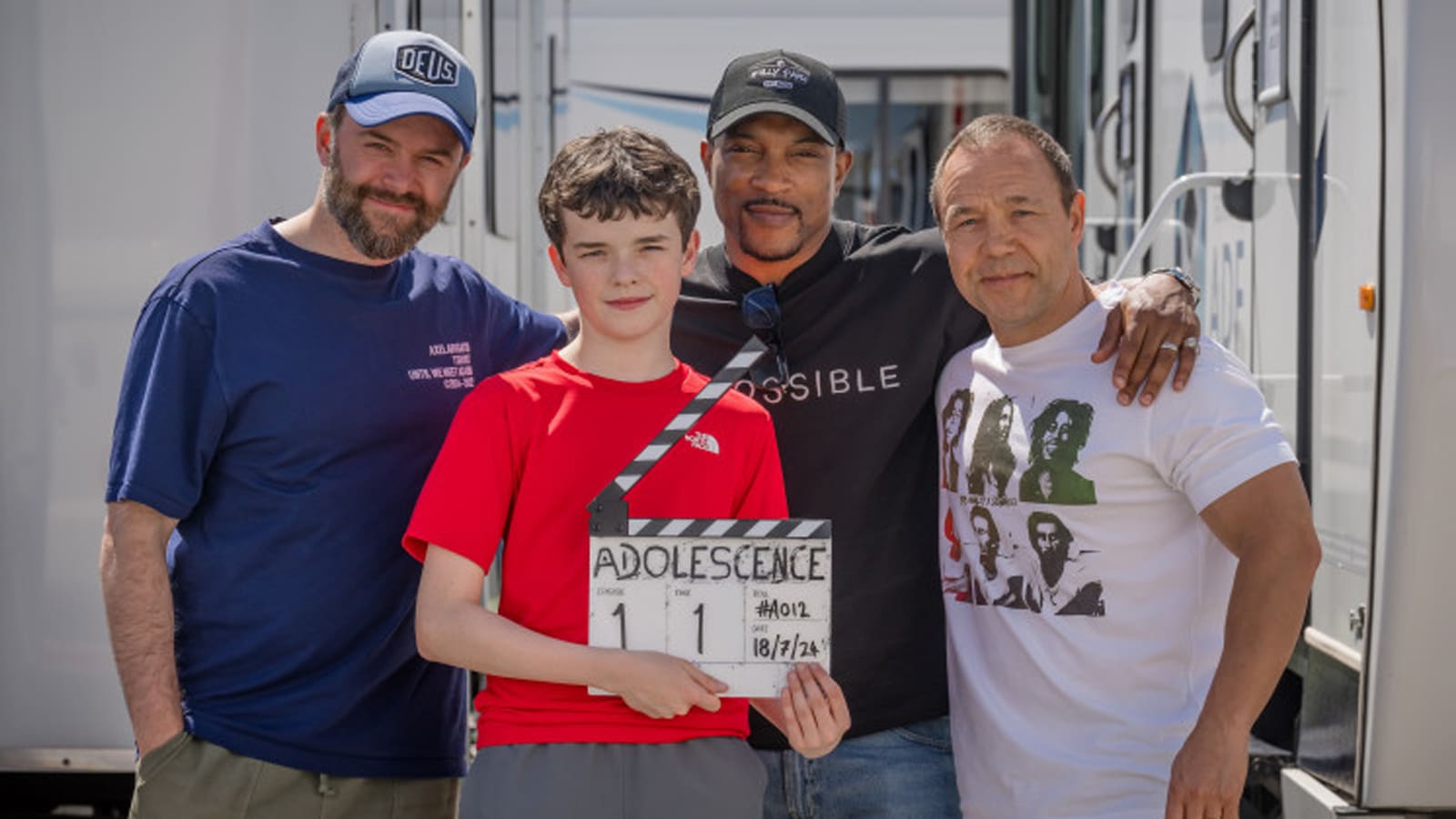
Stephen Graham’s Adolescence doesn’t tiptoe around tough topics—it charges straight into them. Inspired by a string of tragic news stories about young people involved in stabbings, Graham was compelled to explore what pushes a seemingly average teenager toward acts of violence. His driving question: what kind of society raises a 13-year-old boy capable of such harm?
The answer is complex and uncomfortable. Graham, with co-creators Thorne and Barantini, peels back the layers of our social structures—family, education, politics, and especially digital culture—to reveal how boys like Jamie, the central character, fall into ideologies steeped in violent misogyny and isolation. Instead of offering a villain, the series gives us a victim of circumstance, bad influences, and silence. It’s not about who did it. It’s about why.
The creators deliberately reject the usual clichés of broken homes and abuse. Jamie’s family is loving, functional, and present. This is what makes the show so effective—and terrifying. The “It could never be my child” illusion is shattered, replaced with an urgent need to understand what’s bubbling under the surface.
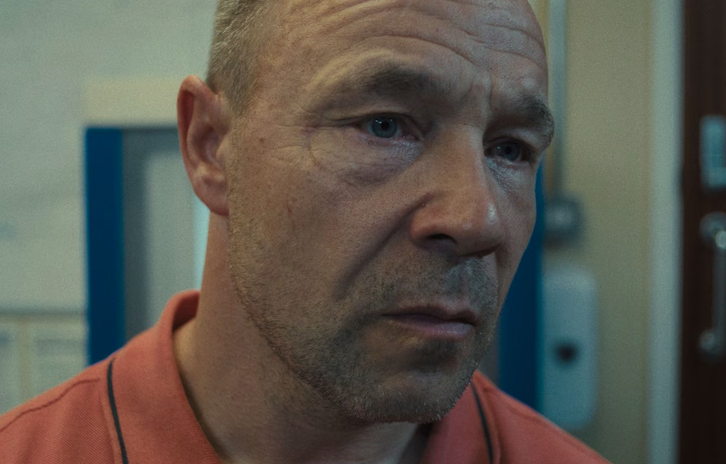
What sets Adolescence apart from other teen dramas is its innovative one-shot format. Each of the four episodes is captured in a single, uninterrupted take. This choice turns the camera into a participant rather than an observer, trapping the viewer inside the unfolding events. It’s as if we’re sitting in the room with the characters, forced to bear witness.
Pulling off this technique required meticulous planning. Weeks of rehearsal turned each episode into a finely tuned choreography of actors, cameras, and emotional cues. For the viewer, it results in a relentless, intimate experience. There’s no cutting away, no dramatic pause—just a continuous, suffocating unraveling of events.
Director Philip Barantini embraced experimentation on set, encouraging actors to take risks. The result? Scenes that feel startlingly real. A particular standout is the third episode, a psychological “chess match” between Jamie and the child psychologist, played masterfully by Erin Doherty. It’s a slow-burning confrontation where empathy meets intellect, and where the boundaries between guilt, trauma, and accountability blur.
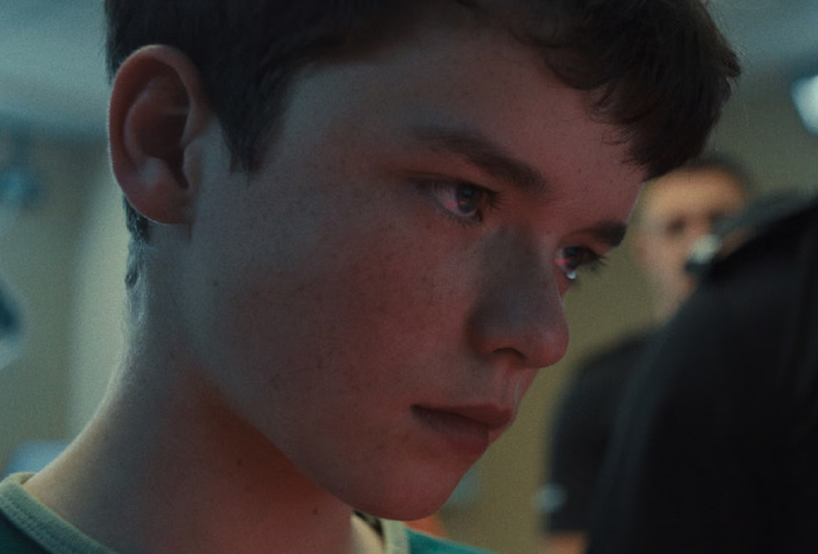
The cast of Adolescence delivers on every front. Owen Cooper’s portrayal of Jamie is unnervingly honest. His quiet demeanor hides a storm of conflicting emotions, and Cooper balances this internal chaos with restraint and precision far beyond his years. Erin Doherty, as the psychologist, matches him beat for beat in a scene that could easily be studied in acting classes.
Stephen Graham himself plays Jamie’s father. His performance is both heart-wrenching and grounded, offering a depiction of parental confusion, helplessness, and love that many will find painfully relatable. The final episode—an emotional journey shared between Graham’s character and the mother—serves as a raw testament to grief, understanding, and the cost of not seeing the signs soon enough.
A major theme in Adolescence is the insidious reach of digital culture. The incel movement, misogynistic forums, and social media echo chambers are not just subplots—they are active characters shaping Jamie’s worldview. The series confronts the devastating consequences of unchecked online influence, where toxic ideologies masquerade as community and belonging.
And this is where Playground enters the conversation.
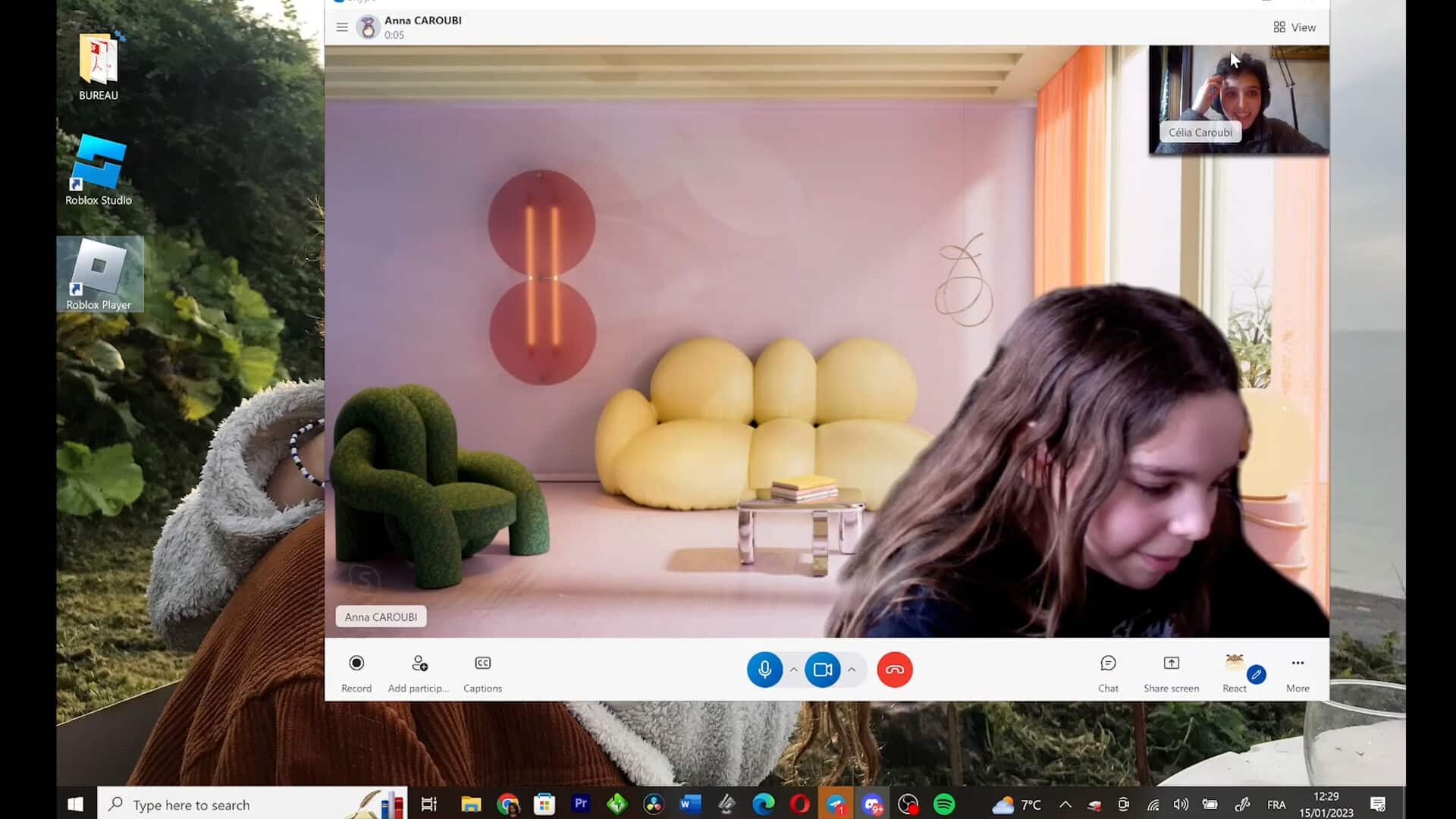
In Playground, two young sisters embark on what seems like an ordinary virtual hangout in Roblox. A game of Truth or Dare proposed by a stranger quickly spirals into something darker. What begins as digital mischief soon crosses into real-life risk, revealing how thin the line is between screen and reality for today’s youth.
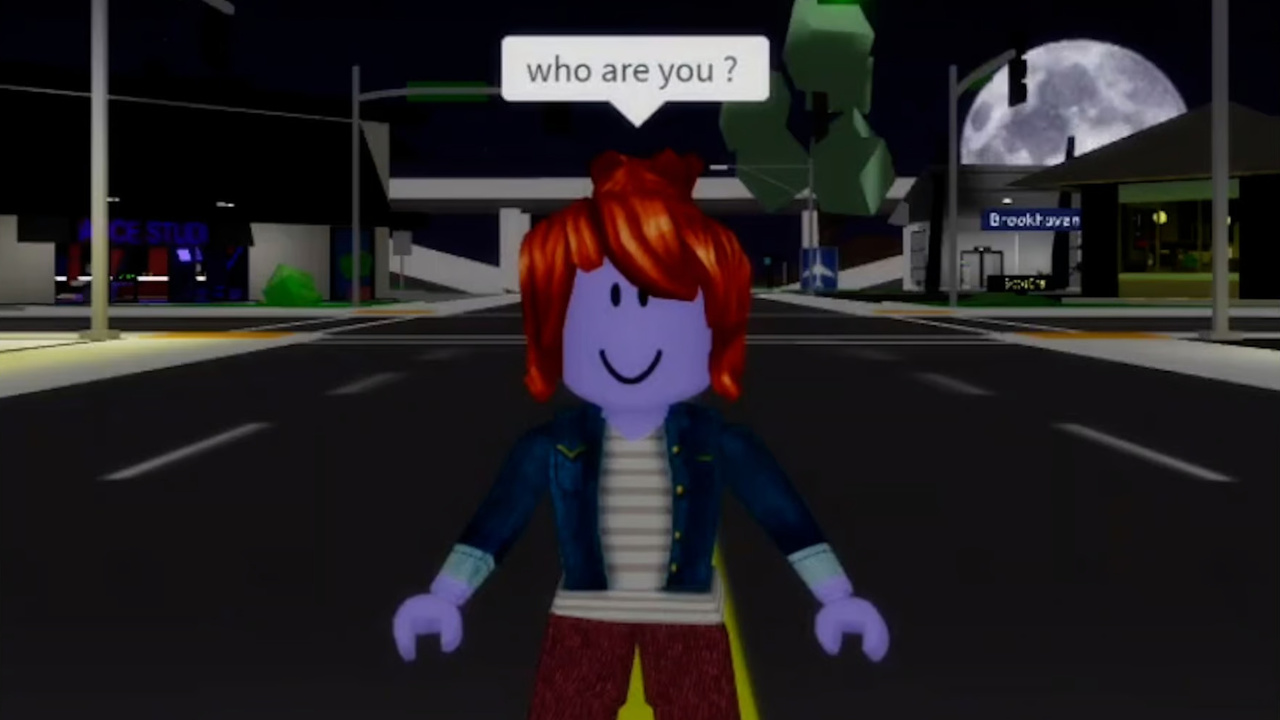
The short film is compact, but its impact is seismic. It taps into a familiar parenting fear: what exactly is going on behind that screen? More importantly, it shows how children, even when together, are not necessarily safe from digital manipulation. The stranger in Playground isn't a hacker or a monster—it’s the embodiment of every unmoderated chatroom, every dare gone too far, every predator hiding in plain sight.
Just like Adolescence, Playground, available on Guidedoc, sidesteps sensationalism. Instead of delivering a cautionary tale with moral panic, it offers a nuanced look at the vulnerabilities of trust, curiosity, and sibling dynamics in the digital age. The emotional tension, brief as it is, lingers far beyond the final frame.
What binds Adolescence and Playground is their refusal to look away. They confront the modern adolescent experience without filters or easy answers. From online dares to stabbings, from virtual chats to psychological spirals, they map the emotional minefield our children walk every day.
Both works aim to open conversations—between parents and kids, educators and students, policymakers and communities. Adolescence asks us to reconsider how we talk to boys about anger, gender, and belonging. Playground begs us to rethink digital safety, not just as a technical issue, but as a deeply human one. At their core, both stories highlight one painful truth: sometimes, the greatest threats to our children aren’t lurking in alleyways or dark forests. They’re in our homes, on our devices, in our silences.
Perhaps the most revolutionary aspect of Adolescence is its rejection of blame. Parents are not painted as villains. The community is not reduced to stereotypes. Instead, the series offers a deeply empathetic view of everyone involved. The audience is encouraged not to judge, but to understand.
Similarly, Playground doesn’t scold or moralize—it simply shows. And in doing so, it reminds us that children are navigating a world we barely understand ourselves. If anything, these films challenge us to do better—not by pointing fingers, but by listening, learning, and acting.
Adolescence and Playground are not easy watches—but they are essential ones. They tell stories that are already happening in towns and cities everywhere. And they offer us a chance to talk before it’s too late. Because adolescence is not just a phase. It’s a battleground. And our children deserve more than warnings—they deserve our attention.
Watch more great documentaries on Guidedoc

1337 films
And a new one every day

The preferred platform
of true documentary lovers
Half of all revenue goes
directly to the filmmakers