What does it mean to document daily life under siege? For the people of Gaza, the act of filming is more than storytelling—it’s resistance. In a place where electricity is limited, movement is restricted, and futures are under siege, each frame captured becomes an act of survival. Each documentary is a refusal to be erased.
In Voices of Gaza, a curated program streaming on Guidedoc, three documentaries strip away political platitudes and sensational headlines. Instead, they give us something far more radical: the ordinary. Strawberry fields. Glitches on video calls. Children laughing in the shadows of drone strikes. These aren’t grand epics—they are human records, personal archives stitched together in a place where time seems permanently suspended between crisis and resilience.
While mainstream media often flattens Gaza into a single frame—war, rubble, chaos—these documentaries argue otherwise. Gaza is not a metaphor or a headline. It’s a place where life insists on continuing. Voices of Gaza dares to show that insistence with stunning intimacy and clarity.
There’s a reason Gaza remains one of the most filmed yet least understood places on Earth.
Every lens pointed at it carries an agenda. But these docs come from within. They're made by or in close collaboration with people who call Gaza home. That matters.
And in an era where even memory is a battleground—where what is recorded often defines what is remembered—these films do the crucial work of counter-archiving. As explored in our blog, The 10 Best Eye-opening documentaries on social justice and inequality in the world: the role of filmmakers today isn’t just to record events—it’s to challenge erasure.
This program is part of that challenge. And you won’t find anything like it on Netflix, YouTube,
or the nightly news.
In Gaza, the personal is always political. You don’t have to declare it; you just have to live it. The three documentaries featured in Voices of Gaza are less concerned with explaining the conflict and more interested in showing how life endures despite it. That’s their power—and their quiet defiance.
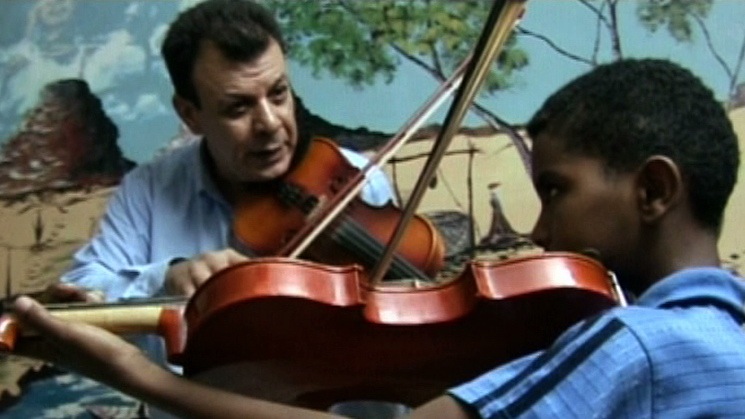
A landmark collaborative project between filmmakers in Gaza and the Israeli town of Sderot, this doc takes the form of parallel diaries: 90-second daily videos created over 60 days in 2008, as war loomed. We meet students, barbers, musicians, and mothers—each with their routine, joys, and fears.
By refusing to isolate Gaza from its Israeli neighbors, the film reveals an aching truth: that ordinary people on both sides of the border live within systems not of their making. This docu becomes a timeline not of violence, but of coexistence, longing, and the exhausting repetition of conflict.
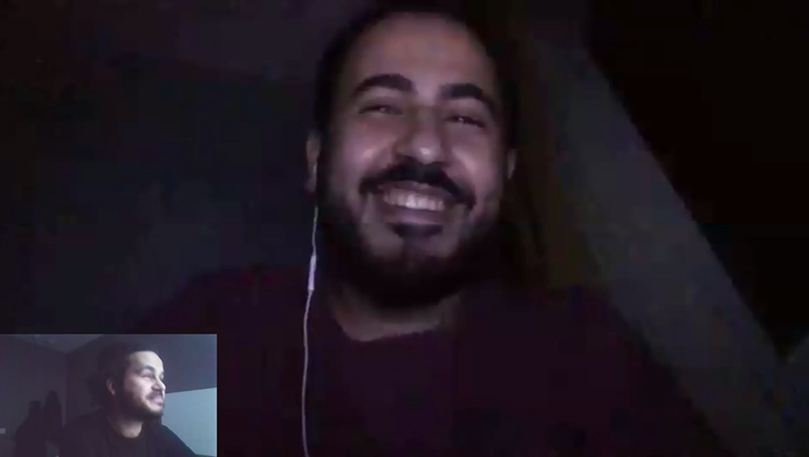
Filmmaker Mohamed Jabaly now lives in Norway, but his camera—and heart—remain in Gaza. This short film captures his digital conversations with his family during the 2021 bombings. Through pixelated video calls and WhatsApp texts, Jabaly tries to stay close to those he cannot touch.
It’s a film about latency, not just the one that delays a call, but the emotional latency of exile, of not being able to help, of watching your world disappear from a laptop screen. The documentary brilliantly uses the glitches of digital communication as metaphors for emotional disconnection and reconnection.
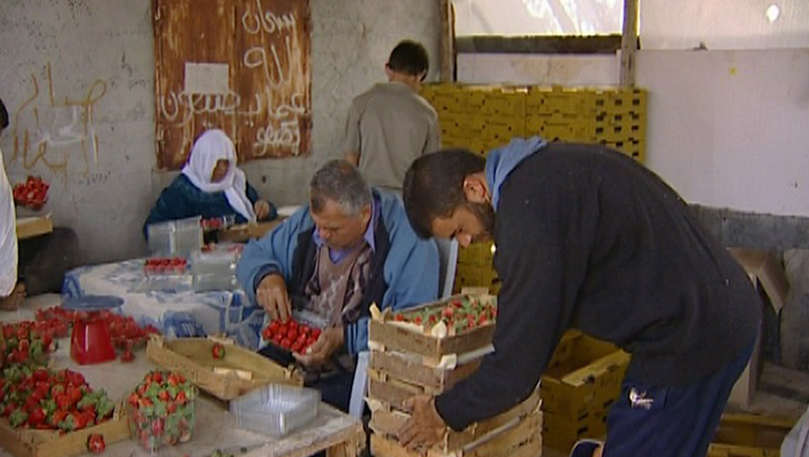
If you’ve ever doubted the political power of a fruit, this film will convert you. Set in Gaza’s lush strawberry fields, it follows farmers whose crops are trapped in a diplomatic nightmare. Their produce, grown for export, sits idle at the border, slowly rotting as permits are denied or delayed.
The strawberry, in this context, is both lifeline and hostage. Through a gentle but incisive lens, the film reveals how macro politics infiltrate micro economies—and how Gaza’s people continue to labor and hope despite it all.
Making a film in Gaza isn’t like filming anywhere else. The internet is unreliable. Electricity is rationed. The threat of violence is constant. And yet these films exist. They persist. Their very production is a political act. The filmmakers in Voices of Gaza are not simply observers. They are embedded chroniclers of daily resilience.
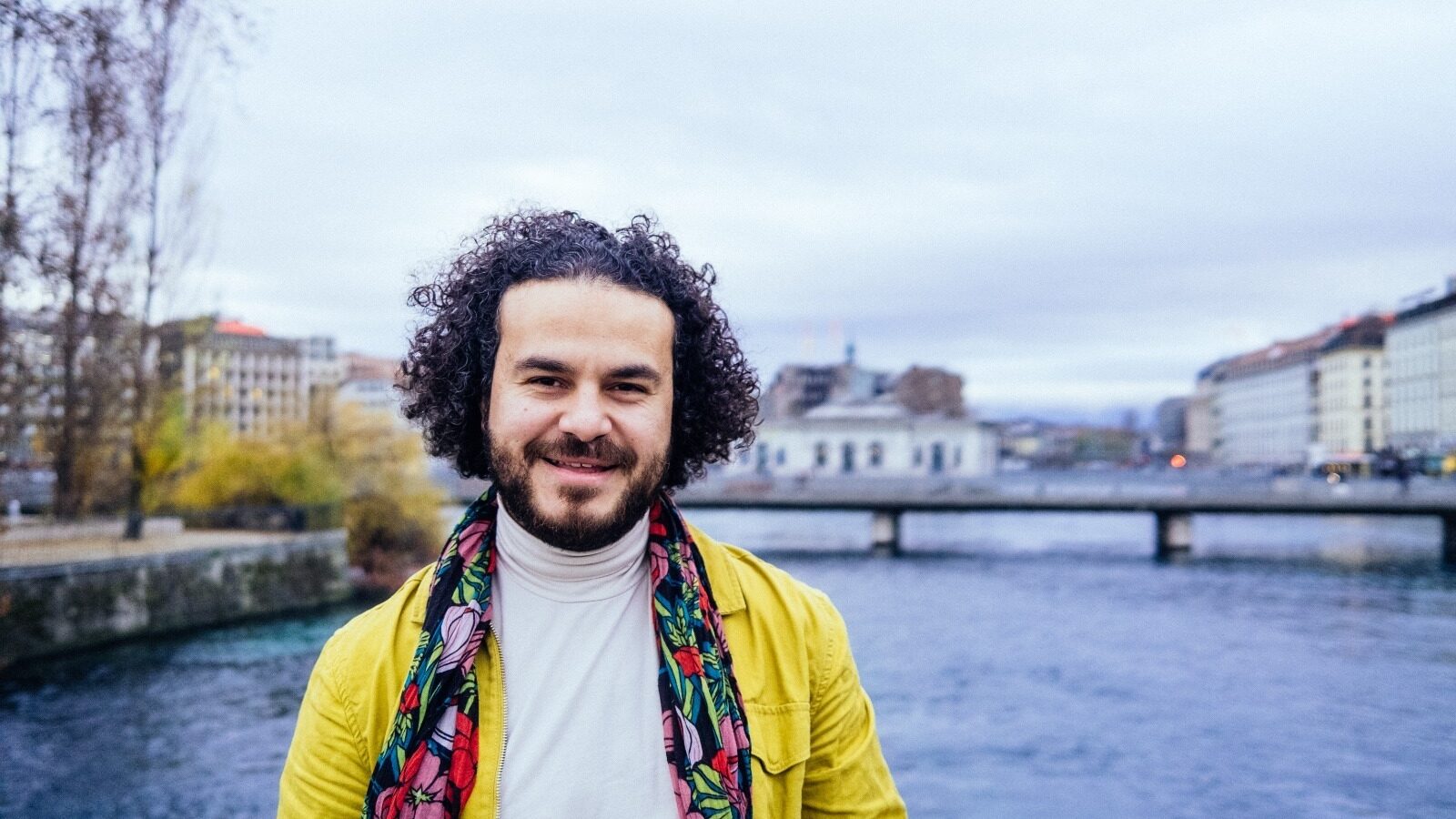
In interviews, Mohamed Jabaly has described his filmmaking as “a way of breathing.” For him, the camera is both shield and weapon. “Even if I cannot be there physically, I can still bear witness,” he says. That need to bear witness, to not let silence win, is the beating heart of this program.
What makes these documentaries essential is that they fill the gaps left by traditional journalism. The international press might drop in for a bombing and leave when the dust settles. But life doesn’t pause. Babies are still born. Farmers still pick strawberries. People still fall in love, cook dinner, argue over money, and try to sleep through the night.
Voices of Gaza offers the news that doesn't trend. And that’s precisely why it matters.
There’s an ethical question baked into every documentary: who gets to tell the story? In the case of Gaza, that question is urgent. For too long, stories about the region have been told by outsiders—journalists, academics, aid workers. But these films change the power dynamic. They let Gazans tell their own stories, in their own voices, through their own images.
That authenticity doesn’t just increase credibility—it reshapes empathy. Suddenly, Gaza isn’t just "the conflict." It’s Majed, whose strawberry shipment may not survive the border delay. It’s Lina, trying to charge her phone between outages to call her brother. It’s Mohamed, watching his family sleep on the floor via a frozen Zoom screen.
To watch Voices of Gaza is to enter a world that continues to fight for its right to be seen—beyond propaganda, beyond statistics, beyond stereotypes. It’s not about politics; it’s about people. And that’s what great documentaries do. They remember when the world forgets.
Start watching Voices of Gaza today on Guidedoc. Because the stories that survive are the ones we choose to see.
Watch more great documentaries on Guidedoc

2186 films
And a new one every day

The preferred platform
of true documentary lovers
Half of all revenue goes
directly to the filmmakers