Few regions in the world possess Latin America's political, cultural, and artistic complexity. A land of contrasts, where historical wounds coexist with vibrant artistic expressions, where grassroots movements redefine democracy, and where the voices of the marginalized rise through the power of storytelling. Latin American Kaleidoscope, a documentary program by FIGA Films, presented by Guidedoc, invites us into this ever-evolving landscape through seven films that capture the raw, rebellious, and profoundly human essence of the region.
This collection brings together some of the most striking Latin American documentaries, each offering a unique cinematic approach—from hybrid forms blending fiction and documentary to radical narratives on music, resistance, and self-determination. Whether you are looking for where to watch Latin American documentaries or are fascinated by docuseries, docudrama, or experimental film, this program is a must-watch.
Latin America has long been a source of artistic and political innovation. The region's filmmakers have historically challenged dominant narratives, using cinema as a tool for resistance, identity exploration, and collective memory. Latin American Kaleidoscope does precisely that—it amplifies stories often overlooked by mainstream media, offering a deeper and more complex understanding of the realities shaping the region today.
These films challenge stereotypes and showcase the diversity of Latin America: from the lush landscapes of the Pantanal to the occupied lands of Brazil, from the underground queer scene to the fusion of traditional and modern musical genres. At the heart of this collection is a powerful statement—cinema is not just entertainment; it is an act of defiance, an assertion of presence, and a reclamation of space.
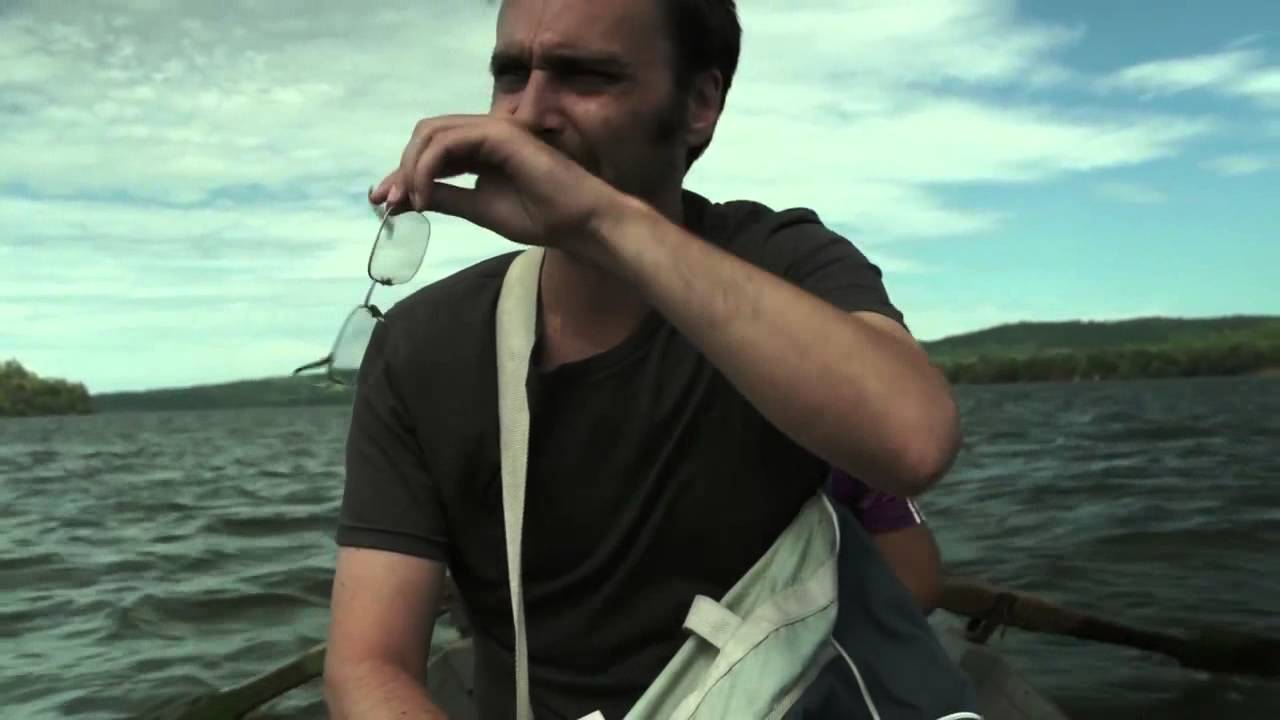
A mesmerizing blend of documentary and fiction, Pantanal takes us on a road movie journey through South America unlike any other. The film defies categorization, immersing viewers in a dreamlike landscape where reality and myth collide. Its unconventional storytelling and poetic cinematography make it a standout piece in contemporary Latin American cinema.

Fearless, provocative, and unfiltered, this gripping doc follows Linn da Quebrada, a Black trans artist from Brazil, who uses music and performance as forms of resistance. Through intimate moments and explosive stage performances, the film captures the radical power of queer self-expression in a country that remains deeply conservative. A must-watch for those interested in the intersections of identity, gender, and political struggle.
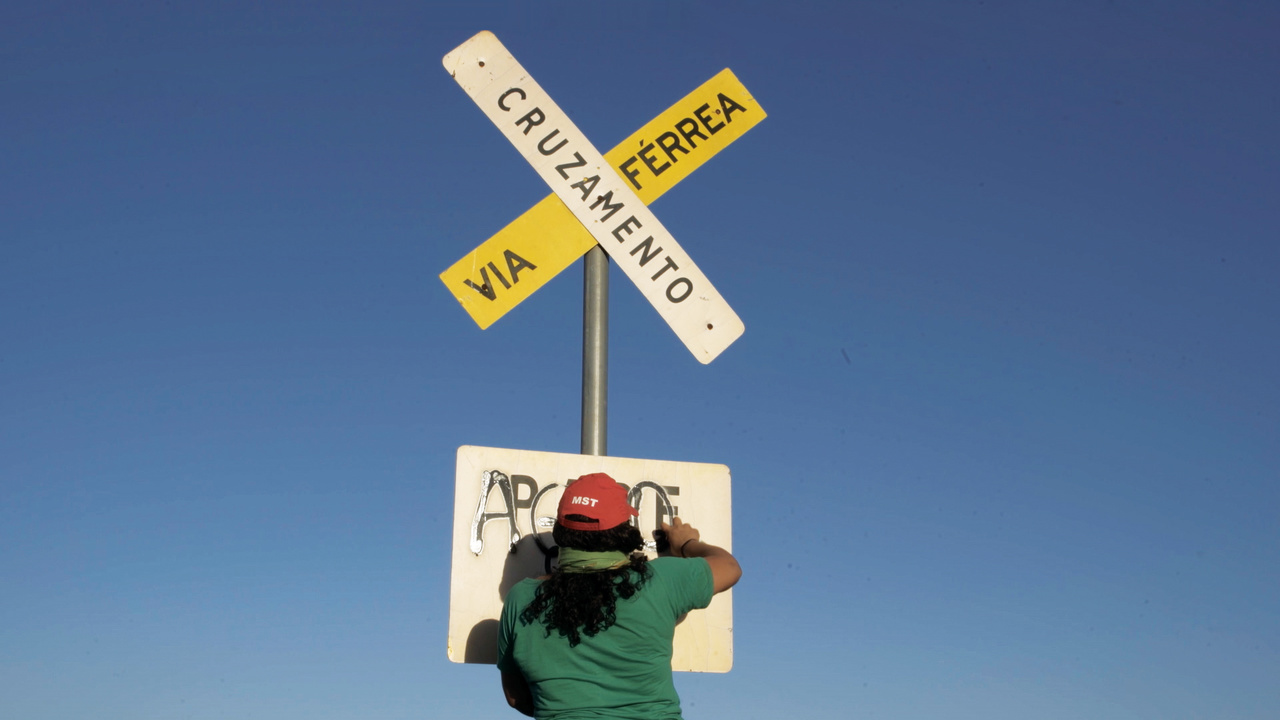
Amid political turmoil, this action-packed documentary shows the fight of a historic peasant movement in Brazil as they occupy land to claim their rights. Through raw, cinéma vérité-style storytelling, the film portrays the resilience of those who believe that land is not just territory—it is dignity, survival, and a future for the next generation. A powerful reminder of the ongoing battles for justice in Latin America.

What happens when traditional Guatemalan marimba music meets heavy metal? This compelling documentary explores this unlikely fusion, offering a humorous yet deeply insightful look into cultural transformation, economic hardship, and artistic innovation. The film’s experimental narrative and offbeat humor make it a unique addition to the documentary landscape.

In a crack house in São Paulo, the inhabitants organize themselves into a program of self-governance, creating an alternative way of living in a space often associated with decay. This documentary offers a raw and unfiltered look at life on the margins, challenging viewers to reconsider preconceptions about addiction, community, and resilience.
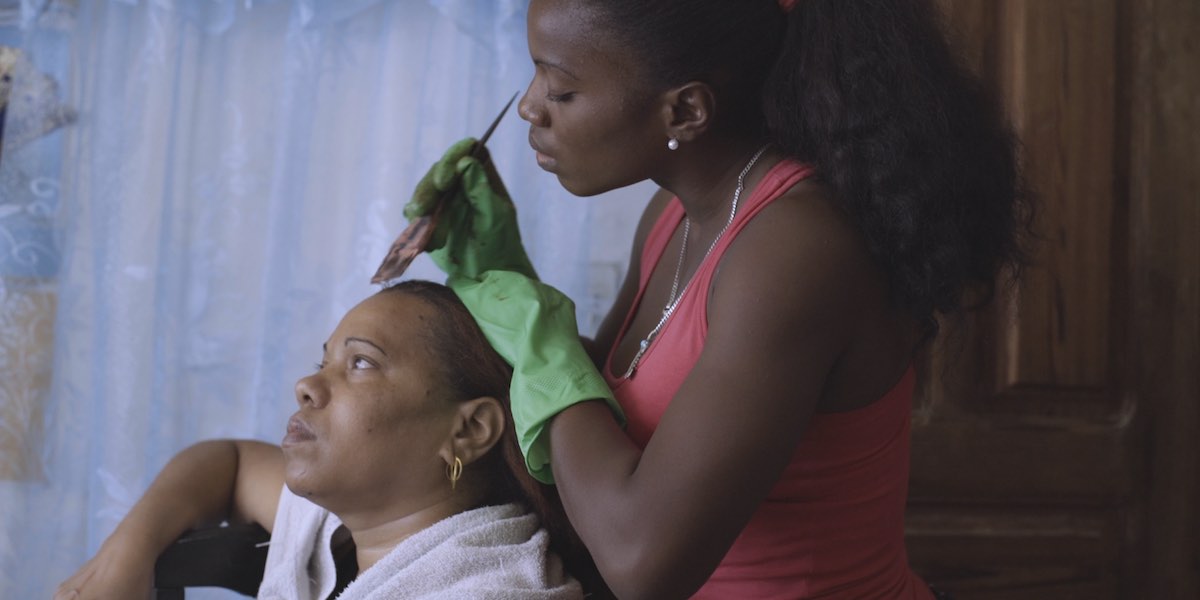
Set in Cuba, this insightful documentary follows a young female athlete as she navigates the uncertainties of a changing nation. Caught between personal ambition and political transformation, she represents a generation facing new possibilities and challenges. A deeply human story about dedication, sacrifice, and the weight of history on personal choices.
The stories told in Latin American Kaleidoscope are urgent. As the region faces political shifts, environmental crises, and social uprisings, these films serve as historical records, artistic interventions, and calls to action. They highlight the importance of independent filmmaking in preserving alternative narratives and providing a counterpoint to mainstream media depictions of Latin America.
At a time when global audiences are looking for more diverse and authentic voices in cinema, these documentaries offer an essential perspective on the struggles, joys, and contradictions that define Latin America today.
For those interested in exploring how documentary film shapes social movements, be sure to check out our article "The Best Documentaries on Latin American Voices" available on Guidedoc.
For viewers searching for where to watch Latin American documentaries, Guidedoc offers a curated selection of independent films that go beyond mainstream narratives. While platforms like Netflix and YouTube may feature some Latin American content, Guidedoc specializes in providing a home for bold, underrepresented voices in global cinema.
Watching these films is more than just entertainment—it’s an act of cultural engagement. By streaming and supporting these works, audiences contribute to keeping independent cinema alive and ensuring that these vital stories continue to reach new audiences.
Latin American Kaleidoscope is more than just a collection of films; it is a testament to the region’s artistic resilience and storytelling power. These documentaries invite us to step into different realities, listen to voices that demand to be heard, and experience the richness of Latin American identity in its many forms.
For cinephiles, activists, and those curious about the region’s cultural dynamism, this program is an essential watch. Dive into these films, witness the beauty and struggle of Latin America, and let these stories change the way you see the world. Watch now on Guidedoc and discover Latin America beyond the clichés—through the voices that shape its future.
Watch more great documentaries on Guidedoc