What happens when the past refuses to stay buried? In both land and sea, some of the world’s most dangerous secrets are hidden in plain sight, often ignored, or forgotten—until it’s too late. In documentary filmmaking, two such films take us into these haunted worlds where the consequences of war and technological failure continue to reverberate long after the initial events fade from public memory. These aren’t just documentaries aimed at telling stories; they are explorations of environmental devastation, human resilience, and the lingering scars left on our planet.
Two standout films, 'Baltic UXO' and 'Abandoned Land', take very different approaches to this haunting question. The first pulls us beneath the waves of the Baltic Sea, where millions of tons of undetonated munitions from World War II lie in wait. The second transports us to the radioactive plains of Fukushima, Japan, where a few resilient souls refuse to leave their homes despite the nuclear fallout.
These documentaries not only captivate but force us to confront difficult truths about our relationship with the environment, our responsibility to future generations, and the sometimes absurd, yet indomitable, human spirit.
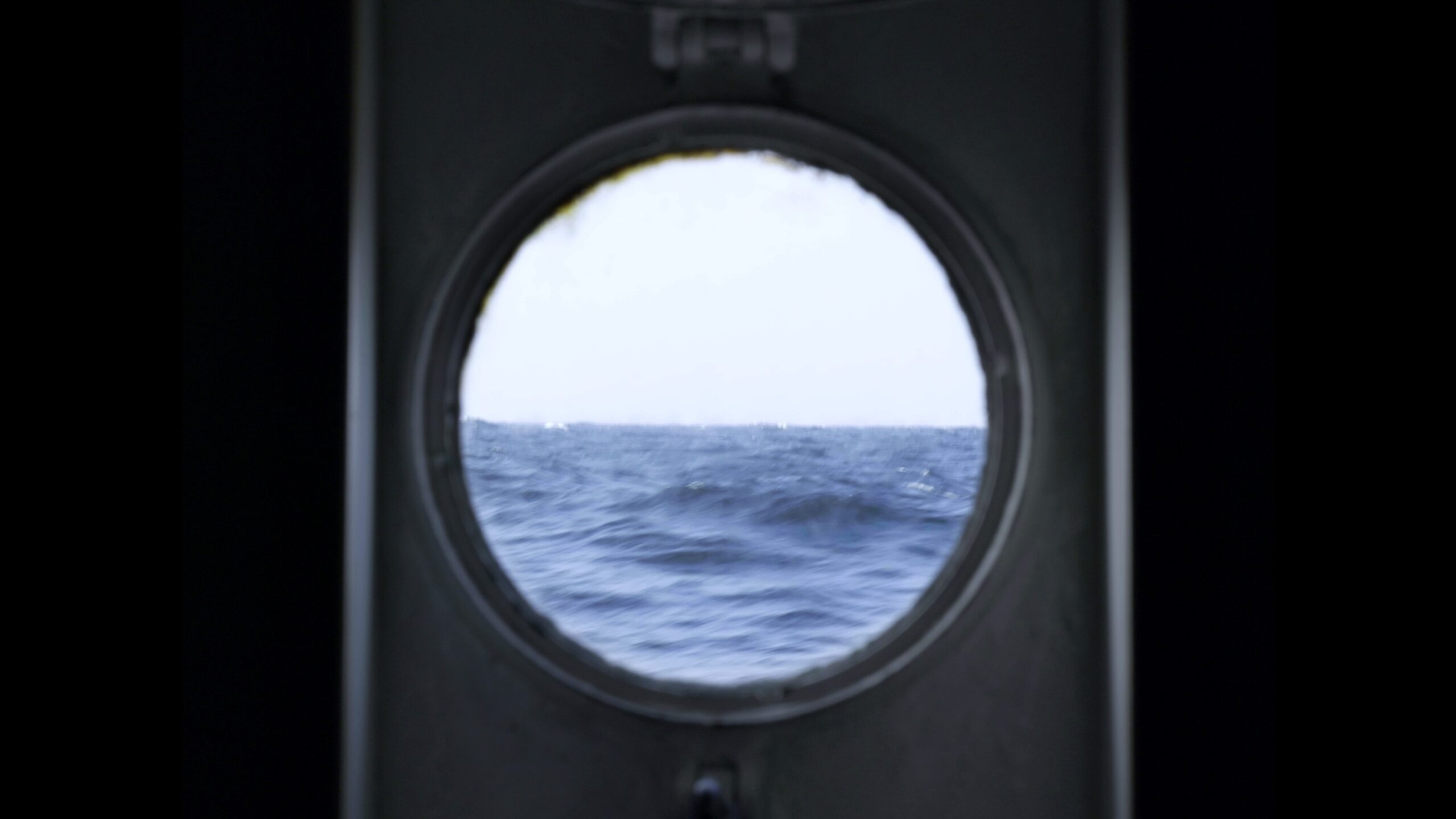
The tranquil waters of the Baltic Sea and the North Sea may seem idyllic, but beneath their surface lies a ticking time bomb—quite literally. After World War II, around 1.6 million tons of munitions, including chemical weapons, were dumped into these seas. 'Baltic UXO', co-directed by Agnė Dovydaitytė and Alexander Belinski, dives into this terrifying underwater world, exploring a long-forgotten crisis's environmental and geopolitical consequences.
This Lithuanian-German-Latvian co-production, which recently won the top prize at Docu Talents From the East during the Sarajevo Film Festival, is more than just a documentary—it’s a harrowing eco-thriller.
The docu-film doesn't just tell us what happened; it makes us feel the weight of history pressing down on the present. The film opens with haunting, beautifully shot underwater sequences that reveal the eerily quiet graveyard of bombs and shells. The cinematography is stunning, juxtaposing the beauty of the ocean with the danger lurking below. This contrast creates a palpable tension throughout the movie, echoing the ticking time bombs waiting to go off.
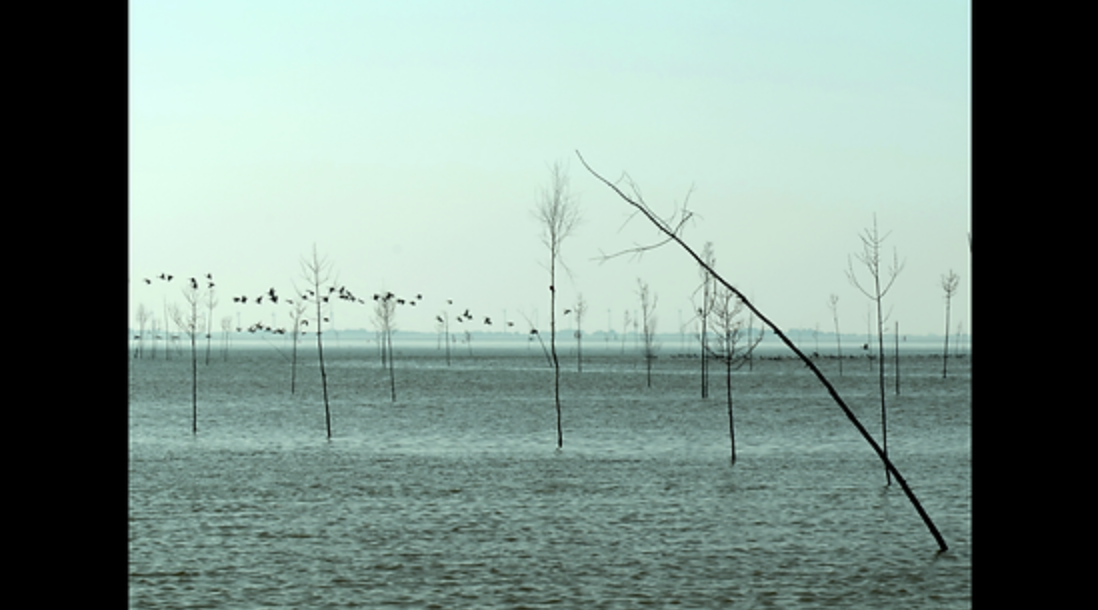
But 'Baltic UXO' is more than just a documentary about an environmental issue. It takes the form of a modern-day thriller, turning a hidden secret into a universal story about war, environmental negligence, and the long-term impact of political decisions. The film expertly weaves together interviews with marine experts, historians, and local residents, all of whom are grappling with the repercussions of these undetonated weapons. For them, the question isn’t if disaster will strike, but when.
The directors make a bold statement with this docuseries-style film, drawing viewers into a conversation about militarism and environmentalism. The subject matter is as relevant today as ever, particularly in the context of contemporary conversations about pollution, climate change, and the aftershocks of war that persist long after the battles have ended. The film's impact is undeniable, showing how a forgotten chapter of history can have real consequences in the present.
This environmental time bomb has gone unnoticed for decades, but as we’re drawn into the film’s gripping narrative, we can no longer look away. The threat is real, and 'Baltic UXO' challenges us to consider how we, as a society, will respond before it’s too late.
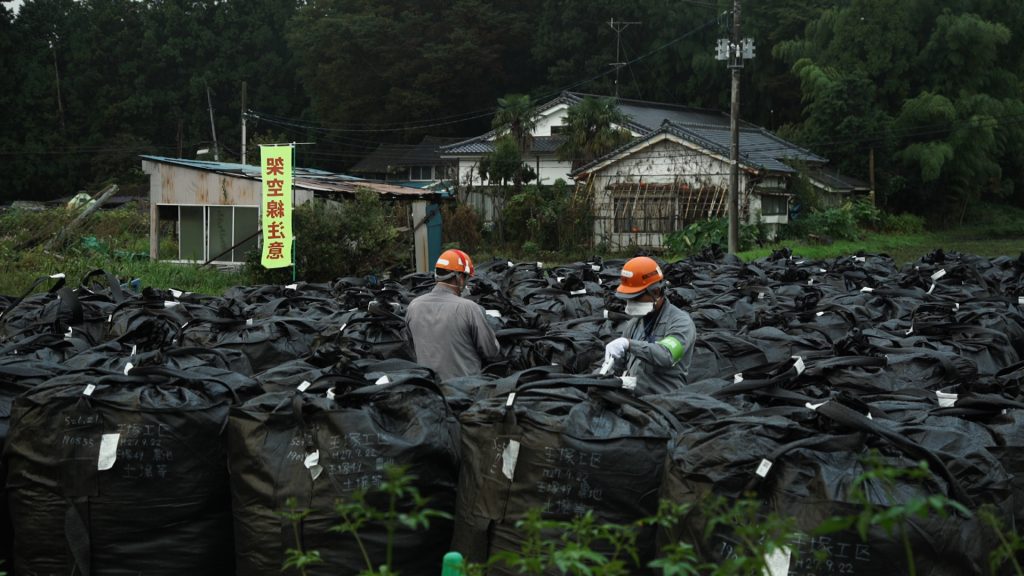
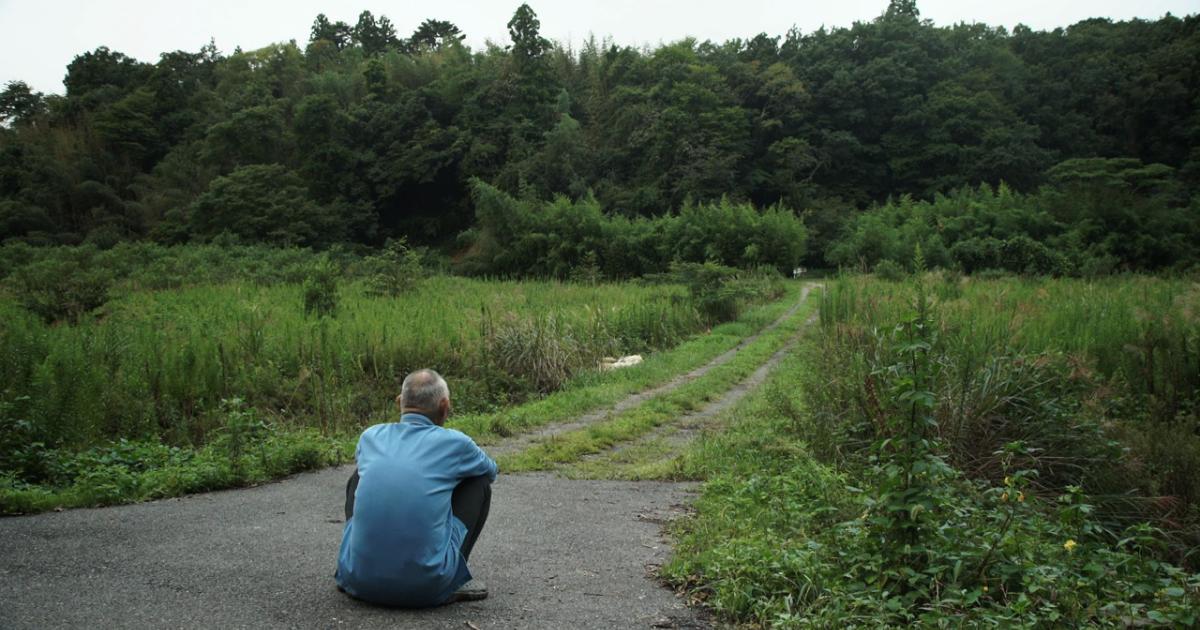
Shifting from the depths of the sea to the barren, radioactive plains of Fukushima, Japan, Gilles Laurent’s 'Abandoned Land' (La Terre Abandonnée), available on Guidedoc, takes us into a world where time seems to have stopped. Five years after the nuclear disaster at the Fukushima Daiichi plant, the village of Tomioka stands empty—abandoned by its 15,000 inhabitants. However, a few stubborn souls have refused to leave. Laurent’s documentary follows the lives of these individuals, capturing their quiet defiance in the face of overwhelming odds.
In stark contrast to 'Baltic UXO', which deals with an invisible threat lurking beneath the ocean, 'Abandoned Land' presents a landscape visibly scarred by catastrophe. The town of Tomioka is a ghost town, with buildings crumbling, streets empty, and nature slowly reclaiming what was once human territory. Yet, for the few who remain, this land—despite its radioactive contamination—is still home.
Matsumura-san, a character central to this docudrama, embodies the paradox of life in this abandoned land. Refusing the government’s evacuation orders, Matsumura stays behind to care for the animals left behind in the wake of the disaster. His daily routine, which includes feeding livestock that no one else seems to care about, serves as a quiet form of protest against the government’s response to the disaster. In his way, Matsumura is not just surviving—he is resisting. His life has become a symbol, a testament to the bonds that tie people to the land, even when that land is deemed uninhabitable.
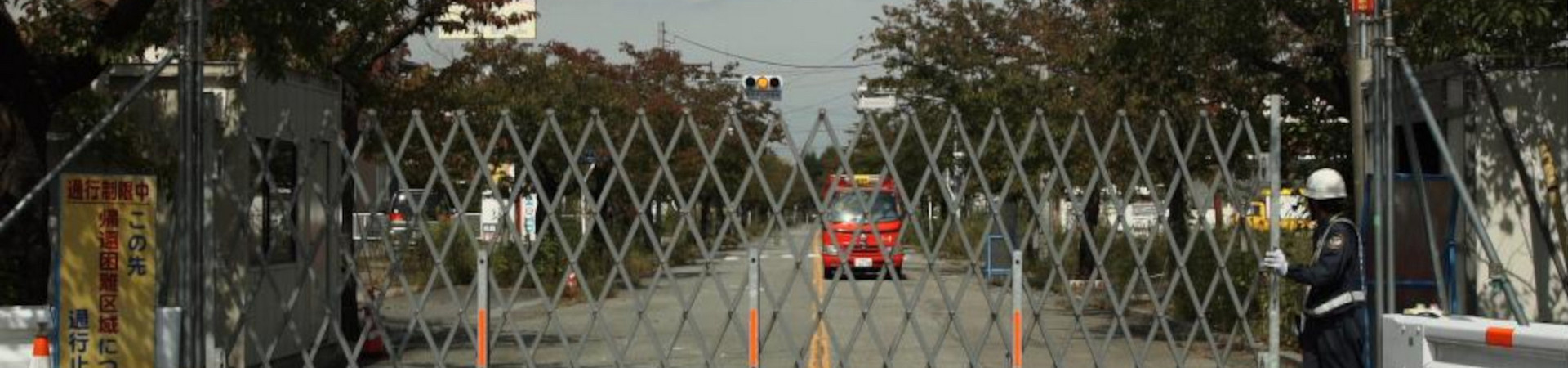
The film also follows the lives of other villagers who have similarly refused to leave. The Hangai family continues to farm their radiation-soaked land, while the Sato family, slowly but surely, reinvests in their home with the hope of returning to normal life. Their efforts to reclaim their land are both hopeful and heartbreaking, as the radiation that permeates everything around them makes their attempts seem almost futile. Yet, there’s a kind of peace in their perseverance, a reminder that for some, home is more than just a place—it’s a connection to the past, to identity, and to life itself.
'Abandoned Land' is a deeply emotional film that captures the human side of a disaster that most people only know through news headlines. It’s a film about quiet resistance, about the stubbornness of the human spirit in the face of overwhelming odds. The villagers of Tomioka may seem like relics of a bygone era, but their determination to stay on their land speaks volumes about the universal desire to hold onto what we know, even in the face of catastrophe.
The docu-movie doesn’t shy away from the harsh realities of life in Fukushima. It acknowledges the absurdity of trying to live a normal life in a place that is anything but normal. Yet, it also offers a glimmer of hope—if not for the land itself, then for the people who refuse to let go of it. Laurent's film raises important questions about our relationship with land, our sense of belonging, and what it means to live in an increasingly unpredictable world.
For those interested in exploring this compelling documentary, 'Abandoned Land' can be watched online on Guidedoc.
Both 'Baltic UXO' and 'Abandoned Land' confront us with forgotten crises—one hidden beneath the ocean, the other in the radioactive wastelands of Fukushima. While their subject matter is vastly different, the two films share a common theme: the consequences of humanity’s destructive tendencies. Whether it’s the remnants of war lying in wait at the bottom of the sea or the lasting impact of a nuclear disaster, these films force us to confront the long-term effects of our actions on the environment and the people who inhabit it.
Both films also explore the idea of resilience—whether it’s the resilience of marine life trying to survive in toxic waters or the resilience of the people of Tomioka who refuse to abandon their homes. In both cases, the films ask us to reconsider what it means to survive in a world that seems increasingly hostile to life.
These documentaries remind us that the past is never really gone—it lingers, sometimes in ways that are invisible to the naked eye but have profound effects on our lives. 'Baltic UXO' and 'Abandoned Land' serve as warnings, urging us to pay attention to the hidden dangers that lurk in the world around us, but they also offer hope—hope that we can learn from the past and take action to protect the future.
In a world where the past can no longer be neatly buried or forgotten, documentaries like these two compelling stories serve as essential reminders of the long-term consequences of human actions. These films challenge us to confront the environmental and human cost of war, technological failure, and political neglect. They also remind us of the resilience of life, whether it’s in the depths of the Baltic Sea or the radioactive fields of Fukushima.
Both films are powerful examples of how documentaries can not only educate but inspire action. They take us into worlds that we might never have known existed and force us to confront the difficult questions that we’d often rather avoid. In doing so, they remind us of the power of documentary filmmaking to change the way we see the world.
Watch more great documentaries on Guidedoc

2186 films
And a new one every day

The preferred platform
of true documentary lovers
Half of all revenue goes
directly to the filmmakers