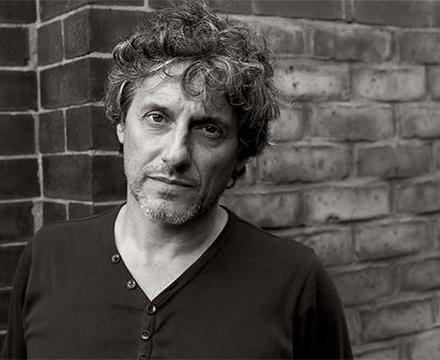
Miguel Ángel Rosales is a prominent documentary filmmaker known for his compelling storytelling and deep exploration of cultural and social issues. Born in Mexico City in 1985, Rosales showed an early interest in film and storytelling, often using a camcorder to document the vibrant life around him. His passion for the medium guided him through formal studies in film at the National Autonomous University of Mexico (UNAM), where he honed his skills in cinematography, editing, and narrative construction.
After graduating, Rosales began his career in the film industry by working in various capacities on both short films and feature-length projects. His early experiences provided him with a solid foundation in the technical aspects of filmmaking, but it was his innate curiosity about the human experience that drove him toward documentary work. He believed that documentaries had the power to shine a light on untold stories and marginalized voices, a belief that would shape his future projects.
In 2010, Rosales released his first major documentary, "Voices of the Forgotten," which focused on the lives of indigenous communities in southern Mexico. The film was praised for its intimate portrayal of its subjects and won several awards at international film festivals. This success established him as a thoughtful and innovative filmmaker, capable of tackling complex themes with sensitivity and respect.
Following the success of his debut, Rosales continued to produce impactful documentaries. His 2013 film, "Crossroads: The Migrant Journey," investigated the harrowing experiences of Central American migrants traveling through Mexico in search of better opportunities. The film combined stunning visuals with firsthand accounts, bringing the audience closer to the realities faced by these individuals. "Crossroads" received critical acclaim and solidified Rosales' reputation as a filmmaker committed to social justice.
In 2016, Rosales released "Echoes of the Past," a documentary that delved into the effects of historical trauma on contemporary Mexican society. By intertwining personal narratives with archival footage, he explored how the legacy of violence and oppression continues to shape identities and communities. This film resonated with audiences and critics alike, earning Rosales several accolades, including the Best Documentary Award at the Guadalajara International Film Festival.
Rosales’ ability to connect with his subjects and convey their stories authentically has become a hallmark of his work. He often immerses himself in the communities he films, building trust and rapport with his subjects. This approach not only enhances the depth of his narratives but also fosters a sense of empathy and understanding in viewers.
In addition to his documentary work, Rosales has been involved in various educational initiatives aimed