Cancel anytime 2185 Movies. A new one everyday
Watch anywhere
Cancel anytime 2185 Movies. A new one everyday
Watch anywhere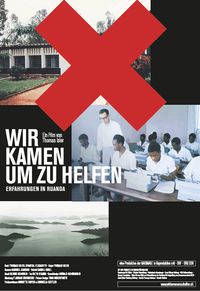
This documentary revisits Switzerland’s involvement in Rwanda and its entanglement with local power structures. Through testimonies and archival material, it questions whether development aid can unintentionally contribute to harm.

When aid meets power, unintended consequences emerge
We Came to Help examines the historical involvement of Switzerland in Rwanda, beginning in the 1960s, when development aid initiatives became closely intertwined with the country’s political and economic elites. What initially appeared as constructive cooperation gradually revealed deeper tensions, particularly as racial discrimination and political instability intensified. A pivotal moment occurred in 1973, when Tutsi employees were dismissed from the TRAFIPRO cooperative, an incident that exposed the ethical limits of foreign intervention, yet failed to provoke decisive action from those involved.
Directed by Thomas Isler, the documentary revisits these events through the perspectives of Swiss and Rwandan witnesses, who confront archival footage, personal photographs, and institutional records. These materials reconstruct a complex narrative leading up to the 1994 genocide, in which over 800000 people were killed, forcing a profound reassessment of international development practices.
The film uses the device of a laptop screen as a reflective interface, allowing participants to engage directly with their past actions and decisions. Through this process, We Came to Help raises critical questions about responsibility, complicity, and the unintended consequences of well intentioned aid, offering a nuanced exploration of the ethical boundaries of humanitarian intervention.


2185 films
And a new one every day

The preferred platform
of true documentary lovers
Half of all revenue goes
directly to the filmmakers