In the evolving world of documentary filmmaking, authorship is no longer an invisible framework. The question of who controls the narrative—and how—has taken center stage. As documentaries gain greater traction in shaping public discourse on race, migration, gender, and conflict, the filmmaker’s role is undergoing scrutiny. Can one speak about a community without speaking with it? Can authorship coexist with equity?
This cultural reckoning reflects a global shift toward inclusivity, where ethical storytelling becomes just as important as visual craft. It also demands that we move beyond the auteur-centric notion of filmmaking and toward models of shared authorship that embrace collaboration, consent, and representation. The documentary is no longer a monologue—it’s a conversation.
At the heart of this shift toward collaborative storytelling, Guidedoc curates a global selection of documentaries that embody the struggle and beauty of shared authorship. These films go beyond observation, becoming arenas where power, voice, and representation are constantly negotiated and redefined..
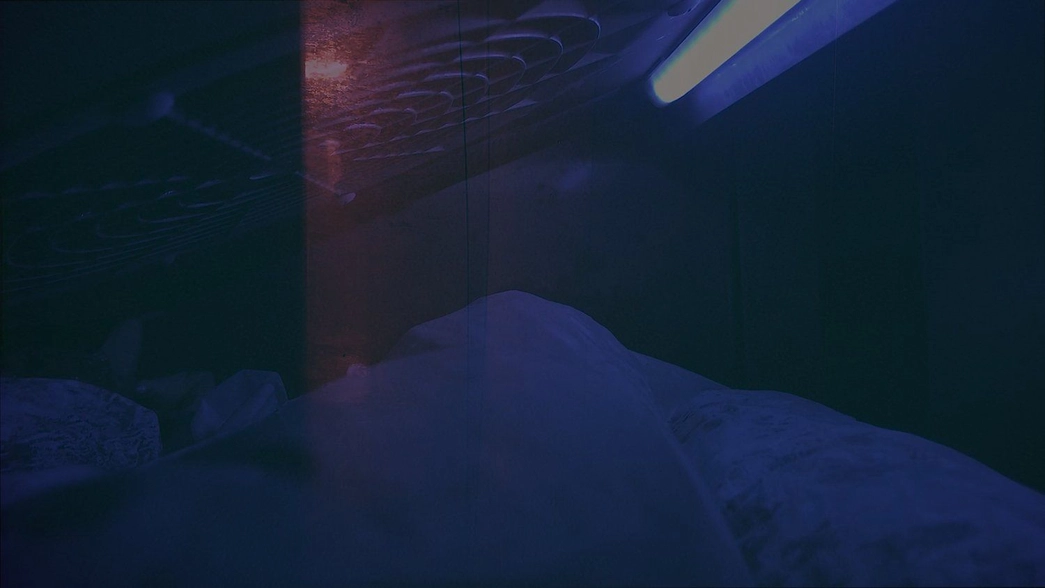
In This Is Not My Kingdom (Este no es mi Reino), a Venezuelan filmmaker documents his life in exile, trading his homeland for the shadows of a New York restaurant. Covertly filmed, narrated with personal audio, and layered with messages from home, the short documentary becomes a poetic act of authorship from within.
This is not the director filming someone else's experience. This is the experience—authored, recorded, and shared by the person living it. It reclaims the narrative of migration from distant headlines and reframes it through everyday labor, fractured identity, and intimate resistance.
"What emerges is not just a work about migration but the silent resilience hidden in everyday labor."
The film emphasizes lived knowledge over institutional framing. The back kitchen, often considered an invisible space, becomes a battleground for identity, adaptation, and survival. The camera doesn’t invade; it bears witness.
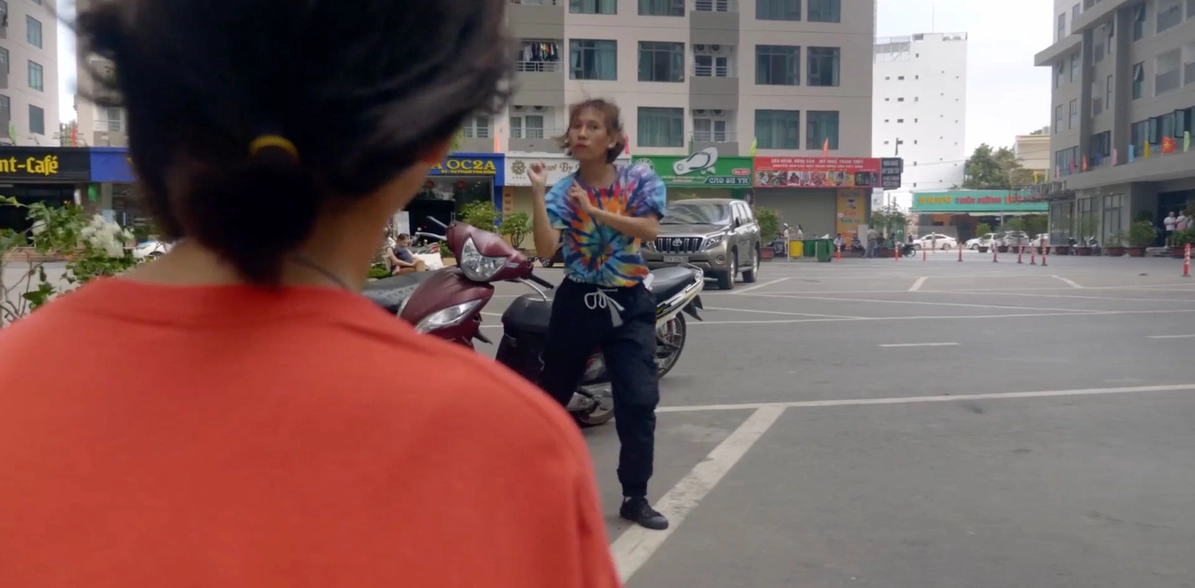
In MUÔI, directed by Amy Miller, we meet Muội Hồng, a queer single mother in Vietnam who embraces hip-hop as a space for healing and resistance. Despite operating in a restrictive cultural context, she turns dance into dialogue about gender, family, and authenticity.
Miller steps back, allowing Muội to shape the visual and emotional rhythm of the film. The story is not told for her; it unfolds with her. In this, MUÔI exemplifies co-creation as both method and message. The dance floor becomes the locus of authorship, where identity is not explained, but embodied.
"Forging a path that defies societal constraints, she embraces her true self."
This gesture is crucial. By shifting authorship to MUÔI, the film dissolves the idea of the filmmaker as sole interpreter. Instead, Miller provides a structure within which Muội becomes her own narrator.
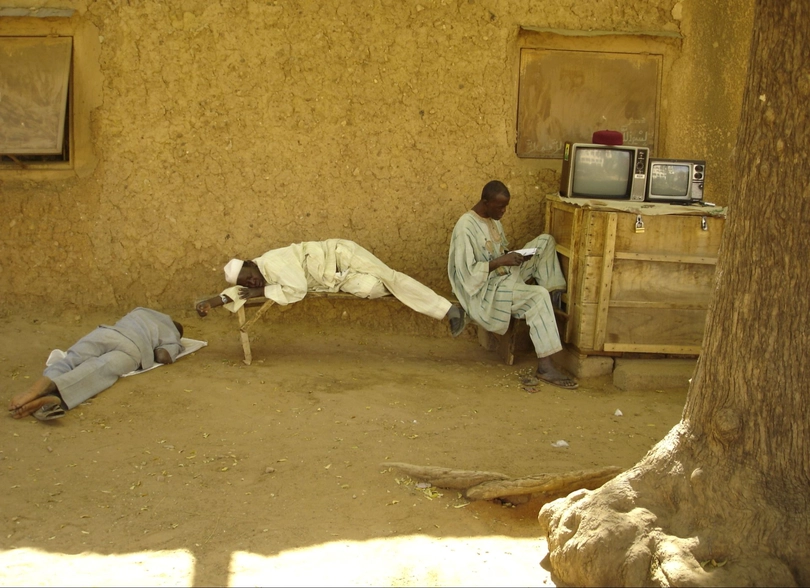
Magic Radio, directed by Luc Peter and Stéphanie Barbey, shows how private radio stations in Niger function not just as news outlets, but as tools of grassroots authorship. In a country where traditional media often fail to serve the people, radio becomes a platform for participation.
With field reporters, community discussions, and freestyle rap performances, the film weaves a mosaic of voices shaping the public sphere. Here, authorship is broadcast: it belongs to the people, transmitted on one frequency at a time.
"Every dialed-in voice matters."
By building a narrative from daily routines, education programs, and spontaneous interviews, the film dismantles the hierarchy of who gets to tell the story. In Magic Radio, authorship is no longer the preserve of trained professionals but emerges from sonic intimacy and community knowledge.
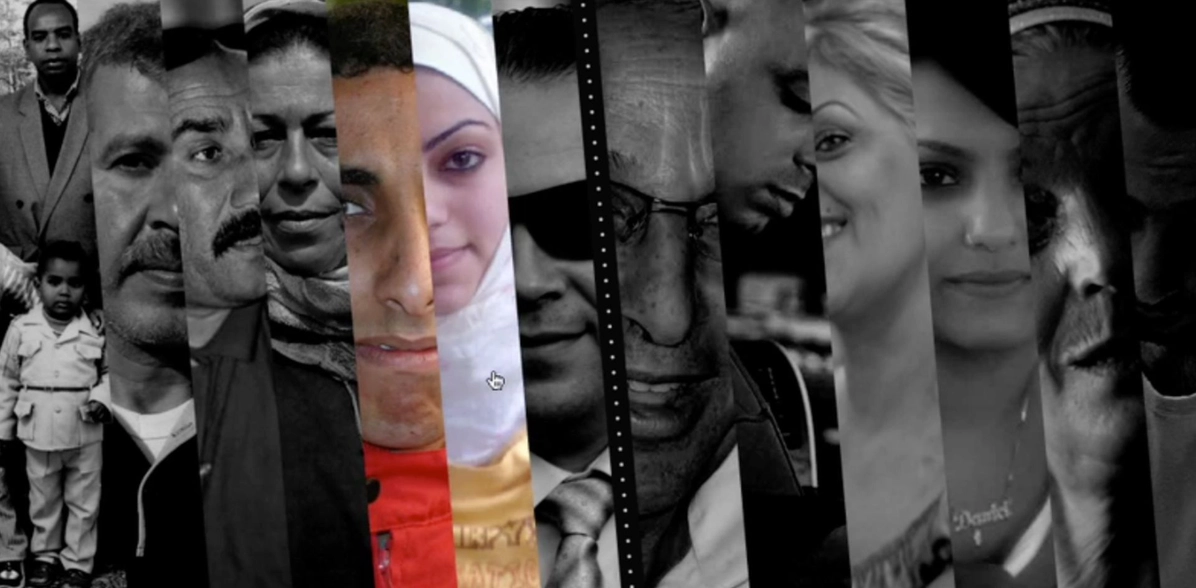
Gaza Sderot: Life in Spite of Everything is a radical intervention in the politics of representation. Shot across two towns divided by ideology and war, the documentary presents everyday life on both sides of the Gaza-Israel border.
Structured as a web series and later expanded, the film gives residents the camera. Their routines, fears, and moments of joy become the raw materials for authorship. There is no master narrator—only the fractured truths of people who persist.
"At a time when dialogue feels impossible, this film reminds us that humanity persists."
This model breaks away from the exterior gaze. Instead of privileging dramatic footage of conflict, the film centers on mundane beauty—shopping, texting, studying, cooking—as expressions of survival. Authorship becomes a shared act of being seen.
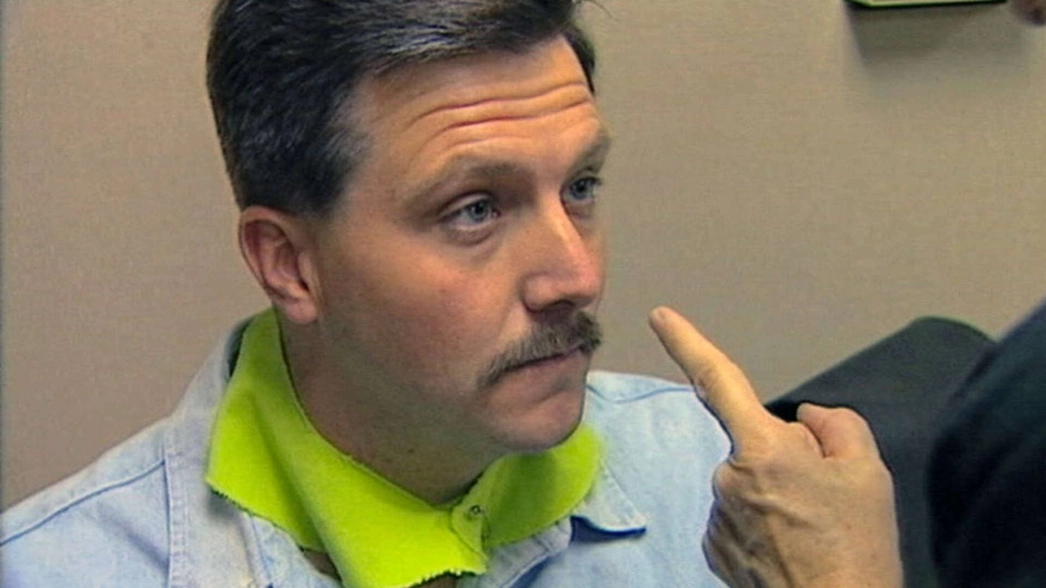
Blue Eyed, a documentary by Bertram Verhaag, follows educator Jane Elliott’s infamous anti-racism exercise. What begins as a classroom simulation turns into a full-blown confrontation with structural bias.
But unlike the other films mentioned, Blue Eyed centers a mediated experience, led by a facilitator. While impactful, it reintroduces the question of power: Who frames the experiment? Who benefits from the emotional labor on screen? The film becomes a case study in reflexive authorship, where even well-meaning interventions must be interrogated.
"What starts as a game turns into a cruel reality."
Elliott’s experiment collapses the distance between spectator and participant. Yet its authorship still rests with the educator and filmmaker—reminding us that ethics is not only about what is shown, but how and by whom.
Digital technology has dramatically altered the authorship debate. Smartphones, VR, and streaming platforms enable more voices to enter the narrative space. From Instagram reels to collaborative video essays, authorship now often emerges from plural sources. But this democratization brings new challenges: whose stories rise above the algorithm? Who gets distribution?
Documentary filmmakers today operate in a hybrid role: part artist, part facilitator, part curator. This shift is both liberating and overwhelming. It demands humility, awareness of one’s positionality, and a willingness to redistribute narrative power.
What happens when a filmmaker is forced to flee but refuses to go silent? On Guidedoc, our new article Russian Filmmakers in Exile: The Documentaries That Keep Their Voices Alive explores the bold, defiant works created far from home—films that resist censorship and preserve memory through the lens of exile. Click through and discover the power of storytelling without borders.
Watch more great documentaries on Guidedoc

2186 films
And a new one every day

The preferred platform
of true documentary lovers
Half of all revenue goes
directly to the filmmakers