In an era where Netflix queues overflow with true crime series and YouTube documentaries rack up millions of views, there's a quieter revolution happening in the documentary landscape. Filmmakers are turning their cameras inward, transforming personal archives into powerful weapons against historical amnesia and political oppression. These aren't your typical talking-head documentaries or slick docuseries productions—they're raw, intimate testimonies that blur the line between therapy and resistance.
The rise of personal documentaries in contexts of political trauma represents one of the most compelling trends in contemporary filmmaking. These works don't just document events; they excavate buried truths from family photo albums, voice messages, and private diaries. When traditional journalism fails or becomes too dangerous, these filmmakers step into the breach, armed with nothing but their lived experiences and an unshakeable commitment to bearing witness.
What makes these films so extraordinary isn't just their bravery—it's their methodology. By weaving together intimate footage with broader political narratives, these documentaries create a new language of resistance. They prove that sometimes the most powerful way to challenge authoritarian regimes, expose systemic injustices, or process collective trauma is through the deeply personal lens of a single story.
The concept of the "intimate archive" has become central to understanding how personal documentaries function as tools of political resistance. Unlike traditional archival footage stored in official repositories, intimate archives consist of home videos, personal photographs, private correspondence, and everyday moments captured without the intention of creating historical records. These materials become political when placed within broader contexts of conflict, oppression, or social upheaval.
Filmmakers working in this space understand that personal testimony carries a unique power that no amount of official documentation can replicate. When governments deny atrocities, when media outlets fail to cover crucial stories, or when historical narratives are deliberately suppressed, the intimate archive becomes a form of counter-history. These materials serve as evidence that cannot be easily dismissed or manipulated by those in power.
The therapeutic aspect of this filmmaking process cannot be understated. For many directors, the act of organizing, editing, and contextualizing personal footage becomes a way of processing trauma, both individual and collective. The documentary creation process transforms passive victims into active storytellers, giving them agency over their own narratives. This therapeutic dimension doesn't diminish the political impact; instead, it amplifies it by creating more authentic and emotionally resonant testimonies.
The democratization of filmmaking technology has made this approach more accessible than ever before. With smartphones capable of recording high-quality footage and editing software becoming increasingly user-friendly, ordinary people can now create sophisticated documentaries. This technological shift has enabled voices that might otherwise remain unheard to reach global audiences through streaming platforms and social media.
However, the rise of personal documentaries also raises important questions about ethics, representation, and the responsibility that comes with sharing intimate stories. Filmmakers must navigate the delicate balance between personal healing and public accountability, between intimate storytelling and broader political messaging. The most successful works in this genre manage to honor both the personal and political dimensions without sacrificing either.
The global nature of contemporary media distribution means that these personal documentaries can have an international impact. A film created in one country about local trauma can resonate with audiences worldwide, creating solidarity networks and drawing attention to human rights violations. This global reach transforms local stories into universal testimonies about resilience, resistance, and the human capacity to survive and document atrocities.
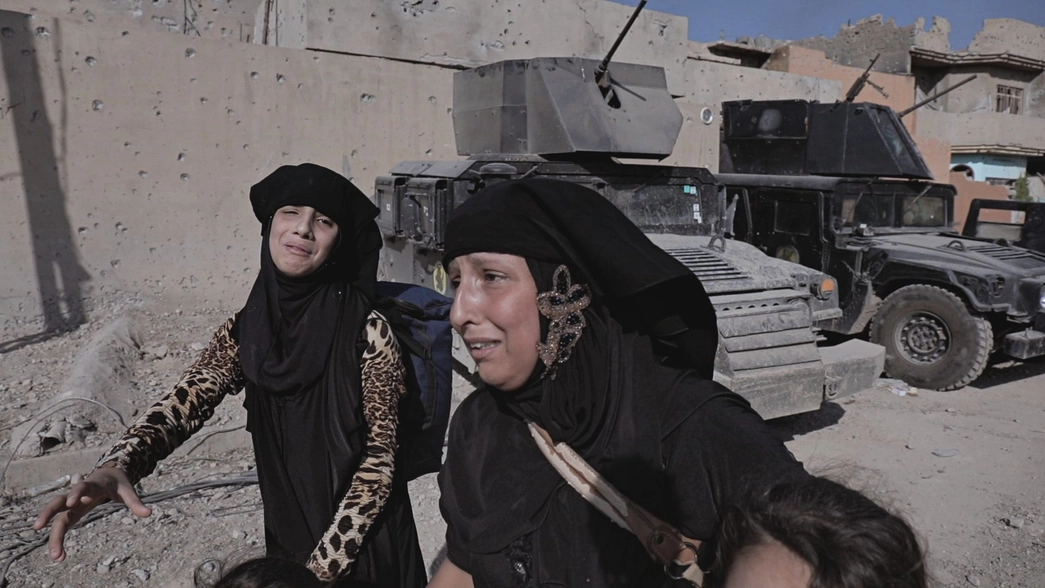
This gripping documentary follows Czech war photographer Jana Andert as she embeds with Iraq's elite Golden Division for eight months without backing, crew, or formal security. The film captures her fearless pursuit of truth and proximity during the 2016 Battle of Mosul, revealing how personal courage can expose political realities that traditional media coverage often misses. Andert's intimate approach to war documentation demonstrates how individual perspective can illuminate broader geopolitical conflicts.
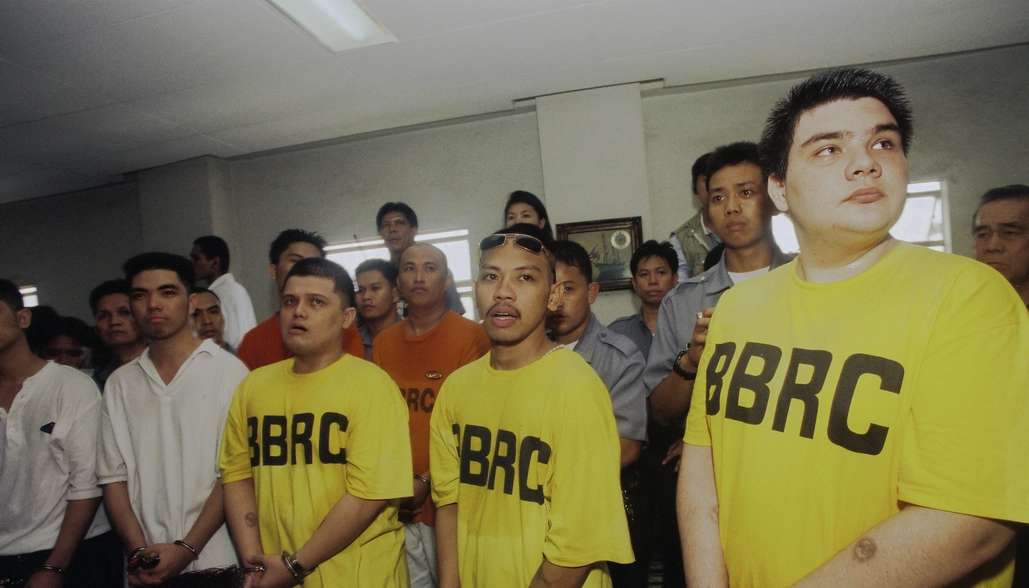
Set against the backdrop of colonialism, classism, and corrupt politics in the Philippines, this documentary exposes a Kafkaesque contemporary world of corruption and injustice. The film follows a murder case that ended a nation's use of capital punishment but failed to free an innocent man. Through the personal stories of two grieving mothers, the documentary reveals how individual tragedies can illuminate systemic failures and spark nationwide policy changes.
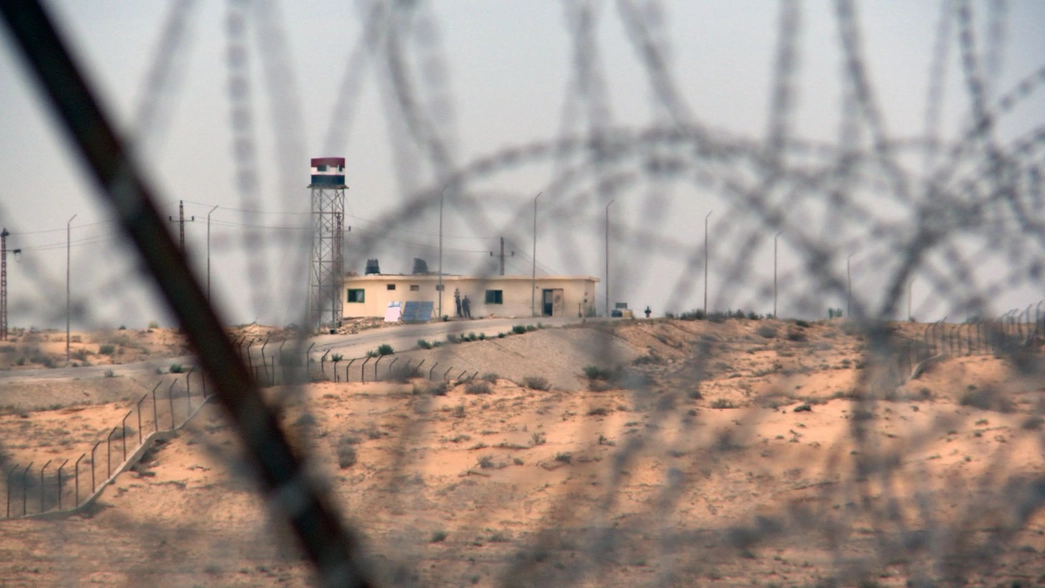
This insightful documentary exposes the brutal ordeal of Eritrean refugees who flee dictatorship only to face kidnapping, torture, and death at the hands of human traffickers in the Sinai Desert. Through firsthand reporting and live phone calls from the camps, the film uncovers an underground network of pain and ransom that operates in silence. The documentary demonstrates how personal testimonies can reveal hidden atrocities and challenge global indifference to refugee suffering.
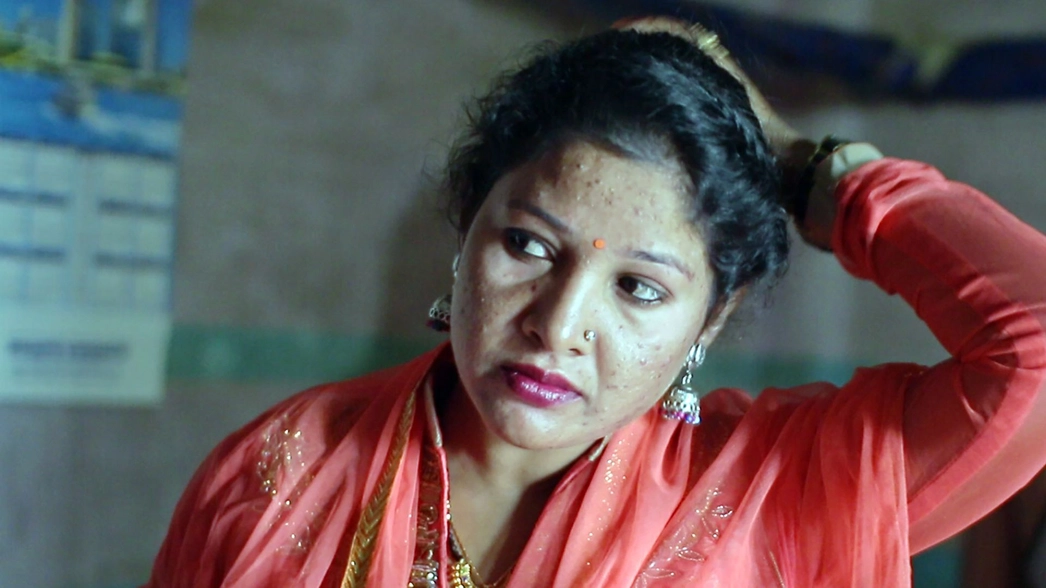
Following a woman who was forced into marriage at nine years old in a red-light district near the Indo-Nepali border, this powerful documentary chronicles her transformation into an activist challenging deeply entrenched systems of trafficking, abuse, and corruption. The film showcases how personal liberation can become a catalyst for broader social change, as Fatima works to protect women and children while rebuilding her own life.
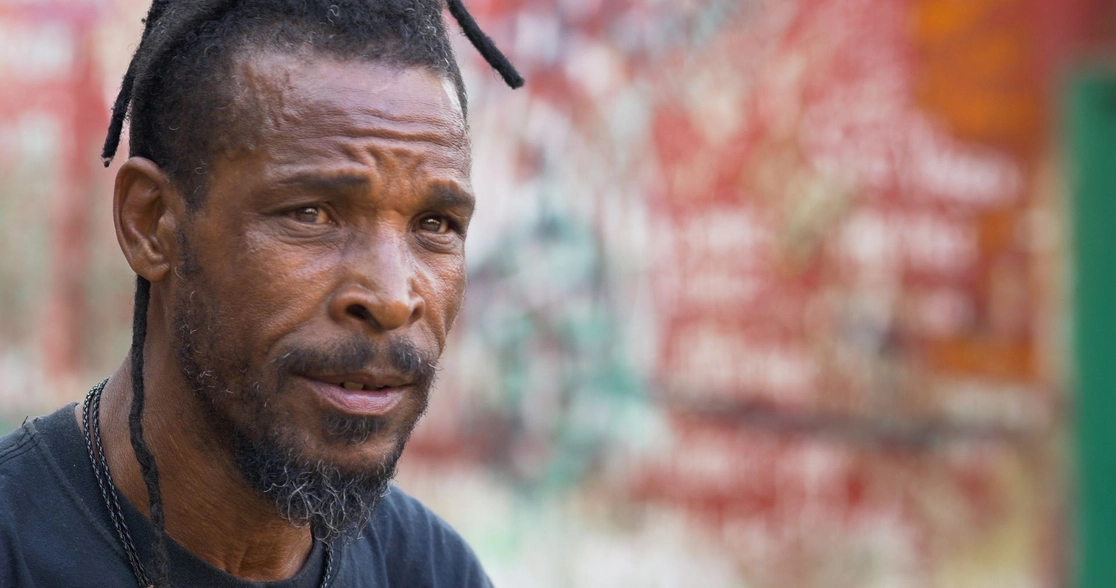
In this episode of Glitter From Dust, we explore the harrowing impact of Cuba's HIV crisis through the personal journey of Crespo, who spent 15 years in a sanatorium near Santa Clara. The documentary captures his poignant return to the now-abandoned facility, shedding light on the lasting effects of this dark period in Cuban history. This work exemplifies how personal memory can serve as a corrective to official historical narratives.
The evolution of personal documentaries reflects broader changes in how we understand truth, memory, and political resistance in the digital age. As traditional media institutions face increasing pressure from political forces, individual testimony becomes more crucial. These filmmakers are not just creating entertainment; they're building alternative archives of human experience that will serve as historical records for future generations.
The success of these documentaries on platforms like Netflix and their viral spread on YouTube demonstrates that audiences are hungry for authentic stories that connect personal experience to larger political realities. This demand suggests that the trend toward intimate, testimonial filmmaking will continue to grow, potentially reshaping how we think about documentary cinema's role in society.
Curious minds, this one’s for you. Dive into our article, Exploring the Wonders of Science: Ten Must-Watch Documentaries, and uncover the mind-blowing discoveries, ethical dilemmas, and cosmic questions that shape our understanding of the universe. Read now and let science blow your mind—one doc at a time.
As we watch these powerful films online, whether through Guidedoc or other streaming platforms, we're not just consuming content—we're participating in acts of witness and solidarity. Each view, share, and discussion extends the political impact of these personal testimonies, proving that in our interconnected world, the most intimate stories can become the most powerful tools for change.
The rise of personal documentaries in contexts of political trauma represents more than just a filmmaking trend; it's a fundamental shift in understanding the relationship between individual experience and collective memory. These works remind us that behind every political crisis, every act of oppression, every moment of historical significance, there are human beings whose stories deserve to be told, preserved, and honored.
Watch more great documentaries on Guidedoc

2186 films
And a new one every day

The preferred platform
of true documentary lovers
Half of all revenue goes
directly to the filmmakers