If football is religion in Brazil, then the man with the mic is its loudest preacher. Welcome to the world of Boca de Fogo (Firemouth), where a gravel-voiced commentator calls the shots not from a glass booth in a World Cup stadium, but from the sun-scorched fields of Salgueiro. Here, amidst blaring horns, street dust, and the echoes of working-class pride, we meet the man who earned his name not from pyrotechnics but from the sheer intensity of his commentary.
Now, dial your radio to the other side of the globe. In Niger, where power outages are frequent and the internet is a luxury, radio reigns. Magic Radio, a docu-gem by Luc Peter and Stéphanie Barbey, reminds us that long before podcasts became trendy, audio was powerful. In a nation grappling with poverty, conflict, and cultural invisibility, private radio stations are the true influencers—one FM dial at a time.
Together, these two docs aren’t just stories about football or news—they’re about who gets to speak, and more importantly, who listens. In a world saturated by visual overload and streaming noise, Boca de Fogo and Magic Radio remind us of the most enduring medium: the human voice.
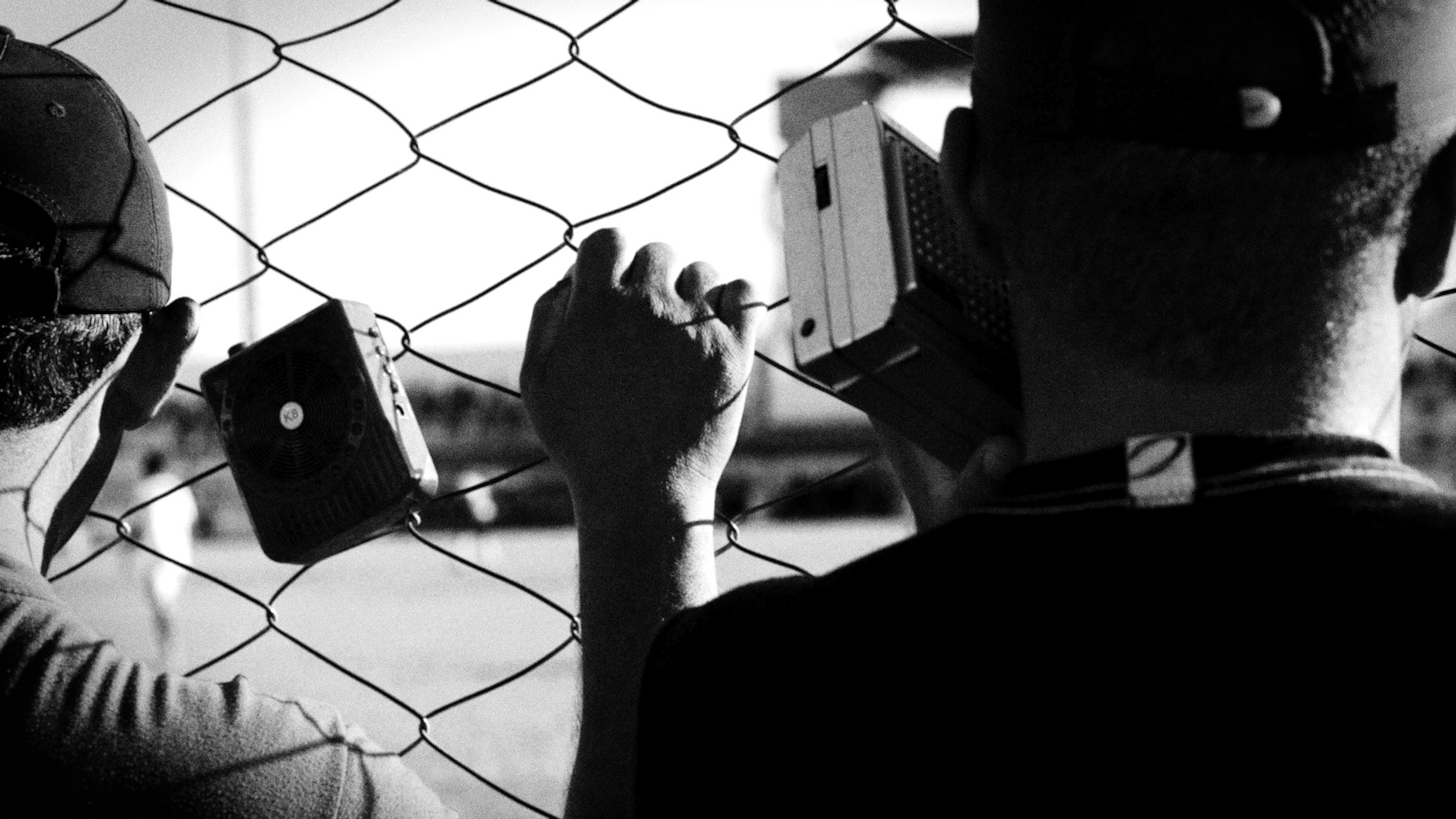
The documentary Boca de Fogo isn’t about star athletes or million-dollar transfers. It’s about one man with a mic, broadcasting fervent play-by-plays to a loyal audience perched on plastic chairs and bar stools. Directed by Luciano Perez Fernandez, this black-and-white cinematic postcard captures not just the grit of local football but the mythic stature of its narrator.
The man they call "Firemouth" is a phenomenon in Pernambuco. His voice is part of the game, part of the community, part of what makes Saturday afternoon matches more than just ninety minutes of action. With no VAR controversies or sponsorship drama, the soul of the game returns to its roots—raw, rhythmic, and unfiltered.
Fernandez’s choice to shoot in black and white isn't just an aesthetic flourish; it's a statement. It turns dusty fields into arenas, passion into poetry. Every frame feels like a love letter to grassroots football, with Firemouth’s voice crackling like gospel across the airwaves.
And make no mistake—this isn’t about nostalgia. It’s about the power of hyperlocal storytelling. While global sports media obsesses over analytics and transfer rumors, Boca de Fogo insists that the heart of football still beats loudest in the provinces, where commentary can feel like an act of rebellion.
Tired of the same old sports narratives? It’s time to flip the script. Explore Beyond the Sidelines: Shattering the Glass Ceiling in Women's Sports on Guidedoc and dive into ten eye-opening documentaries that celebrate the raw power, resilience, and rebellion of women breaking barriers in the game.
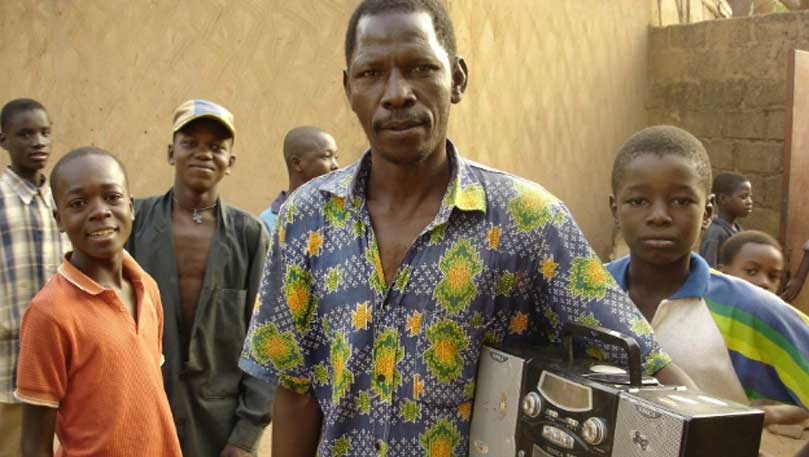
Flip the dial to Niger, and you’ll find another voice-driven revolution. Magic Radio, a 2007 documentary by Luc Peter and Stéphanie Barbey, captures a country where FM frequencies have become the most democratic of tools.
Since Niger’s independence in 1991, private radio stations have exploded—not in volume, but in value. In places where newspapers are rare and televisions expensive, radio is the medium of memory, of movement, and of meaning. This film doesn’t romanticize poverty; it amplifies ingenuity.
What makes Magic Radio a must-watch doc, and yes, you can watch online on Guidedoc, is how it weaves micro-narratives into a macro-story. From schoolchildren broadcasting lessons, to rap groups delivering protest lyrics, to health workers explaining maternal care over morning shows—every voice counts. Every dialed-in story is another thread in Niger's sociocultural fabric.
What’s truly magical is how Peter and Barbey avoid exoticism. Instead, they plunge into the textures of everyday Nigerien life: children arguing over cassette tapes, women calling into cooking shows, teenagers dropping verses that rhyme with heartbreak and hunger.
Both Boca de Fogo and Magic Radio understand something that many slick docuseries forget: that stories start not with cameras, but with voices. These are not documentaries that rely on Netflix-style aesthetics or blockbuster budgets. They rely on resonance.
Voice is intimate. Voice is political. Voice cuts through bad internet and broken screens. And in places where representation is often flattened by global media, the act of speaking—into a mic, into a recorder, into the ether—is an act of visibility.
These films also push us to rethink the idea of distribution. Where to watch them? Forget the mainstream platforms—try Guidedoc, a curated hub that treats documentary not as a side genre but as the main event. With options to stream these films and many more, it’s where the global South finally gets top billing.
In the end, these aren’t just docs. They’re dispatches. One from a football field in Pernambuco, another from a radio shack in Niamey. Both remind us that the world doesn’t just happen on screens—it vibrates in the airwaves and echoes in local dialects.
Watch more great documentaries on Guidedoc

2186 films
And a new one every day

The preferred platform
of true documentary lovers
Half of all revenue goes
directly to the filmmakers