Pablo Emilio Escobar Gaviria’s story is one of the most notorious and polarizing in modern history—a journey from petty crime in the streets of Envigado to absolute dominance over the global cocaine trade. As the founder and leader of the Medellín Cartel, Escobar built an empire that at its height generated hundreds of millions of dollars each week, flooding international markets with cocaine and reshaping Colombia’s social and political landscape. His reign was marked by extreme violence, bribery, and an iron-fisted “plata o plomo” policy, silencing opponents with either money or bullets. Yet in this terror, Escobar cultivated a Robin Hood-like image among the poor, funding housing projects, sports fields, and charitable initiatives that earned him lasting loyalty in Medellín’s marginalized neighborhoods.
The contradictions of Escobar’s life—philanthropist and mass murderer, family man and ruthless cartel boss—have fascinated journalists, historians, and filmmakers for decades. His exploits, from political ambitions to narco-terrorism, have inspired countless documentaries, each offering a different perspective on the man behind the myth. Some delve into his personal life, exploring his relationships and motivations; others document the wider impact of the Medellín Cartel’s violence on Colombia and beyond. Collectively, these films reveal a complex figure whose influence still casts a shadow decades after his death on a Medellín rooftop in 1993. They also serve as a window into the turbulent years when Colombia became the epicenter of a global drug war.
Guidedoc has curated a definitive list of 40 Pablo Escobar documentaries, bringing together the most gripping, insightful, and hard-hitting films available today. This handpicked selection spans investigative journalism, rare archival footage, and intimate testimonies from those who knew Escobar best—and those who survived his reign. Whether you’re looking to understand the rise of the Medellín Cartel, uncover the political deals and betrayals that shaped Escobar’s fate, or simply experience the high-stakes drama of one of history’s most relentless manhunts, this collection offers an unmissable deep dive. Guidedoc offers an in-depth look at Escobar’s life and the violent era he defined, through a range of documentaries that explore both the myth and the reality behind the “King of Cocaine.”
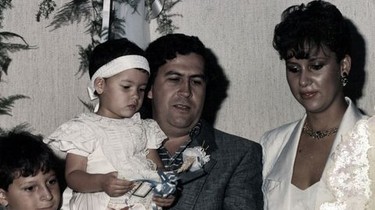
This insightful documentary offers an intimate and honest portrait of Pablo Escobar through the eyes of his son, Juan Pablo Escobar—now Sebastián Marroquín. Blending rare home videos, personal reflections, and a powerful journey of reconciliation, the film moves beyond typical narco-culture portrayals to explore the weight of legacy and the courage to reject revenge. Its emotional climax comes when Marroquín meets the sons of two politicians murdered by his father, confronting the past with dignity and humanity.
A standout among gangster documentaries, it is both cathartic and deeply human. Watch it now on Guidedoc.
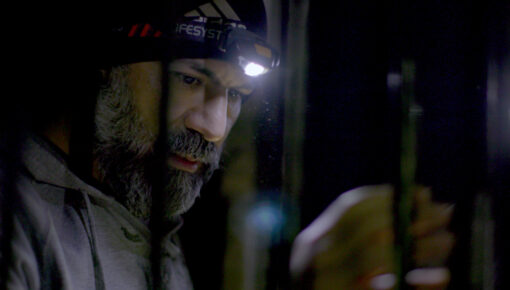
A Frontline investigative documentary on Escobar’s rise and fall. Travels to Medellín to interview law enforcement and insiders about Escobar’s cocaine empire and its corrosive effect on Colombia. It provides an in-depth biography from his humble origins to his violent end.
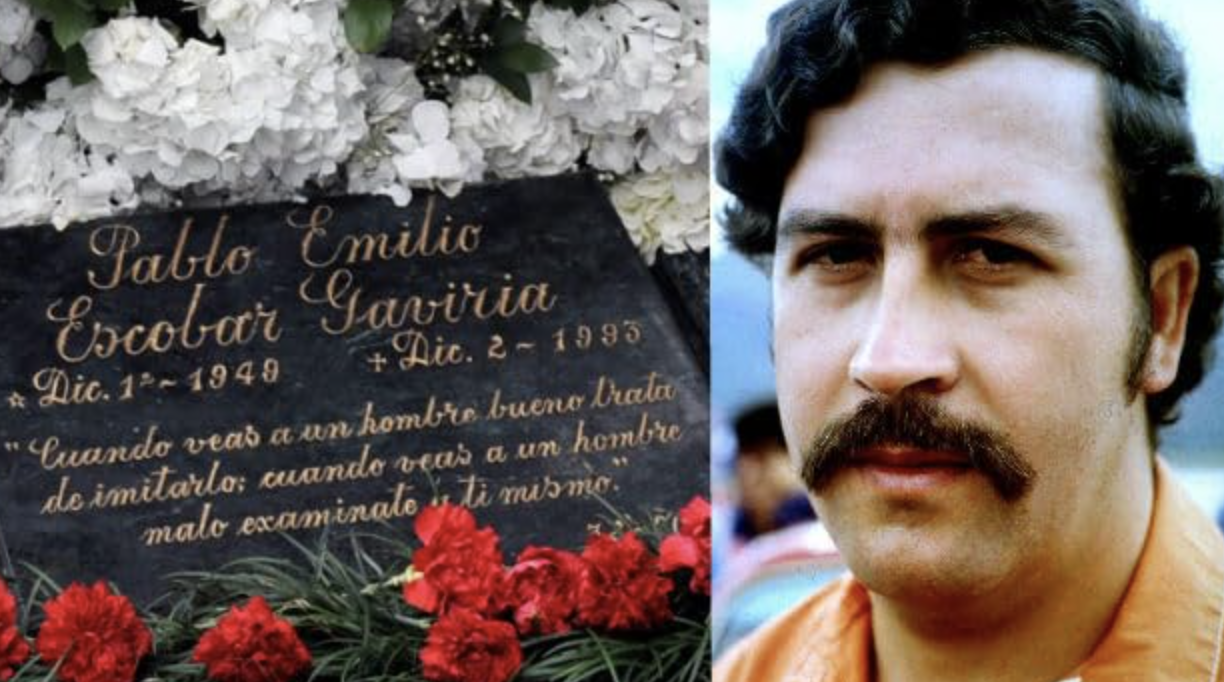
Adapted from Mark Bowden’s bestselling book, this History Channel special blends investigative rigor with dramatic re-enactments to chart the covert operation that finally brought Escobar down. Featuring key figures like Colonel Hugo Martínez and DEA legends Steve Murphy and Javier Peña, it captures both the high-stakes strategy and the chaotic final rooftop moments in Medellín. This is the cat-and-mouse game retold with documentary precision and cinematic flair.
A sweeping, comprehensive biography that traces Escobar’s trajectory from street hustler to feared narco-terrorist. Packed with testimonies from Colombian police, political adversaries, and journalists, it sheds light on the calculated bombings, kidnappings, and assassinations that cemented his reputation as the “Terror of Colombia.” The documentary also probes the social cost of his power, painting a stark picture of a nation under siege.
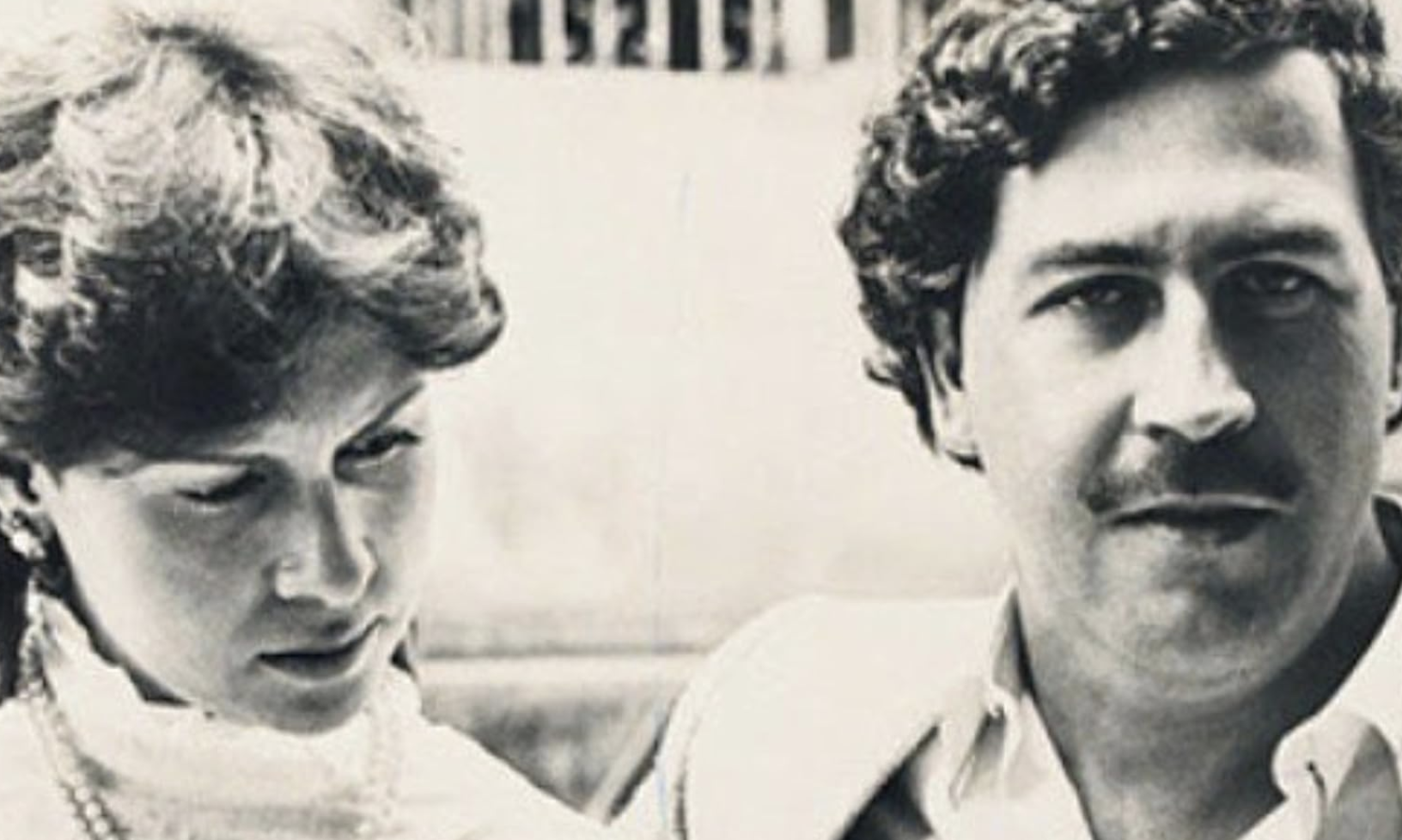
Directed by Sergio Cabrera, this Colombian documentary draws on extensive news archives and intimate family testimonies, including those of Escobar’s mother and brother. It examines the paradox of a man who was both a beloved “citizen” and a feared criminal mastermind. Released shortly after the country’s violent 1990s, it captures the raw memory of a nation still grappling with the wounds inflicted by his reign.
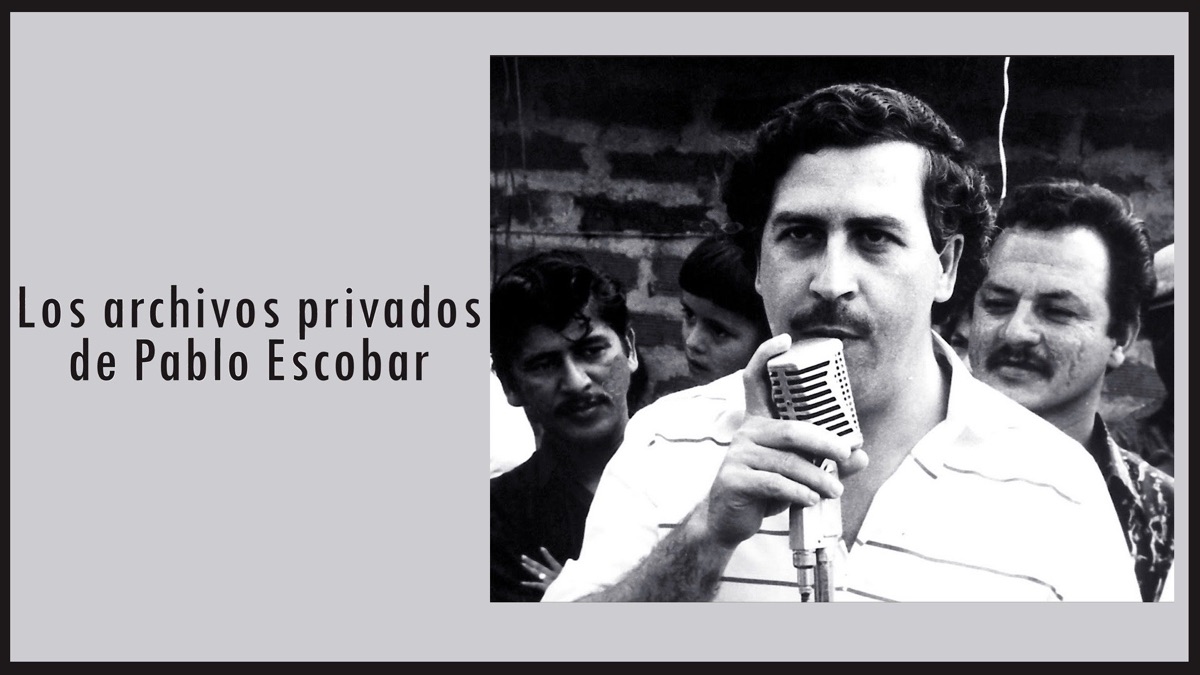
Granted rare access to the Escobar family’s scrapbooks, director Nicolás Entel assembles photographs, home videos, and keepsakes to reveal the private side of the drug lord. These moments of weddings, birthdays, and family vacations are starkly juxtaposed with the public brutality he unleashed, creating a chilling portrait of duality.
This docudrama reconstructs the final 60 minutes of Escobar’s life with pulse-pounding precision. Combining reenactments and real footage, it takes viewers minute-by-minute through the December 1993 raid in Medellín, showing exactly how Search Bloc tracked his location and moved in for the kill.
Produced by Caracol TV, this two-part series chronicles a decade of political assassinations, cartel bombings, and a society living under the constant threat of Escobar’s wrath. Using extensive news footage, it’s a living archive of Colombia’s darkest years.
This Venezuelan-Colombian documentary asks whether Escobar was a saintly benefactor or a ruthless killer. Eyewitness accounts, from loyalists to victims, are interwoven to present a nuanced, uncomfortable truth.
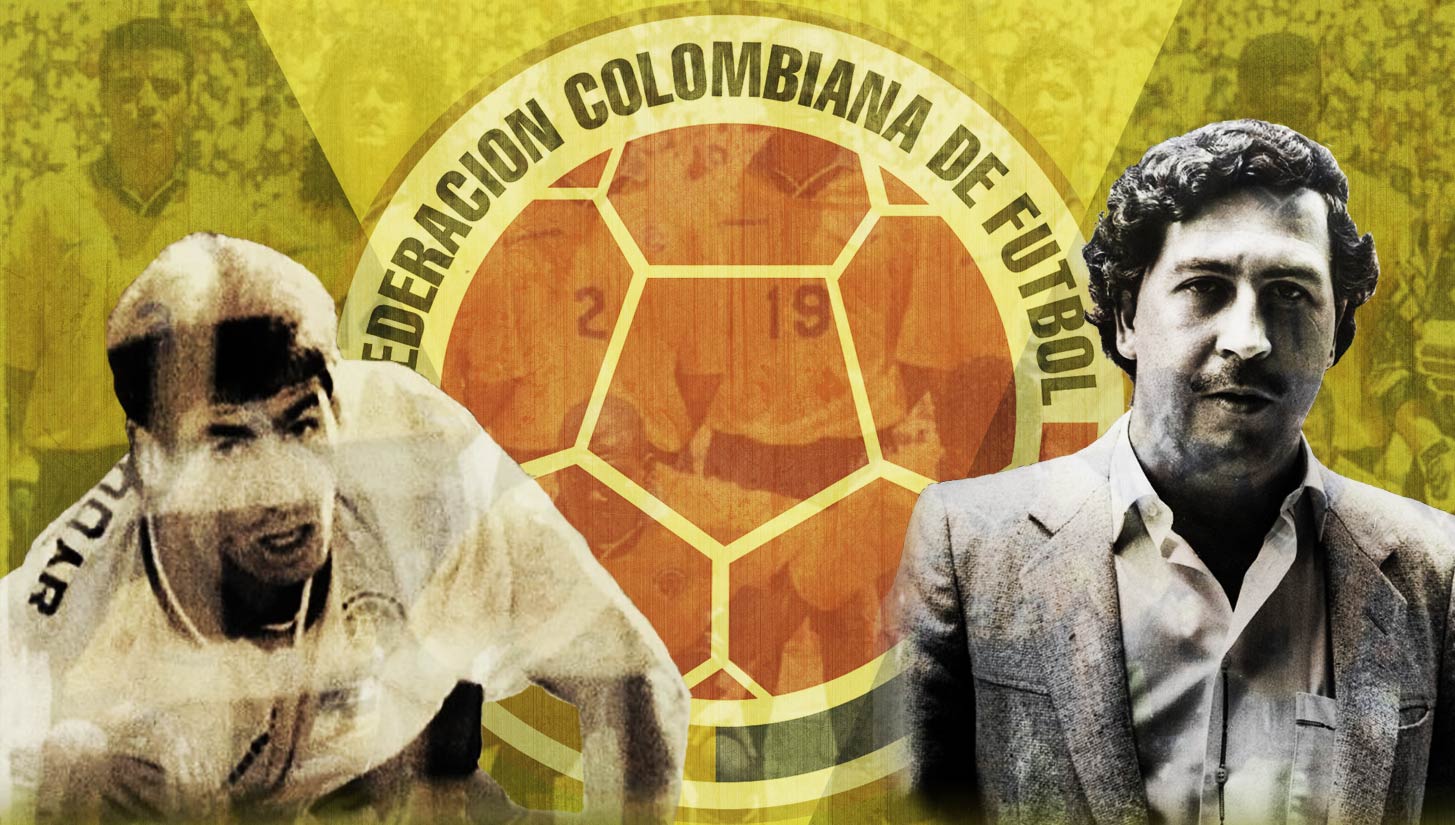
ESPN’s 30 for 30 masterpiece links Pablo Escobar’s cartel with Colombia’s soccer obsession, paralleling the lives of the drug lord and slain footballer Andrés Escobar.
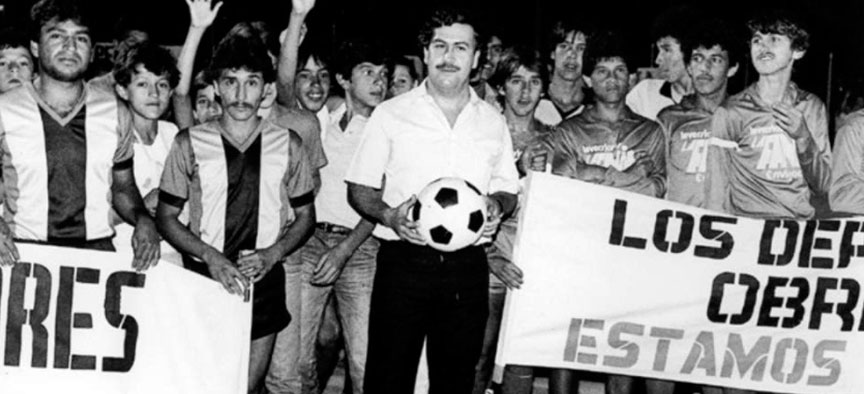
A thorough, two-part Caracol TV chronicle that walks through Escobar’s rise and fall year by year, integrating voices from law enforcement, victims, and ex-cartel insiders.
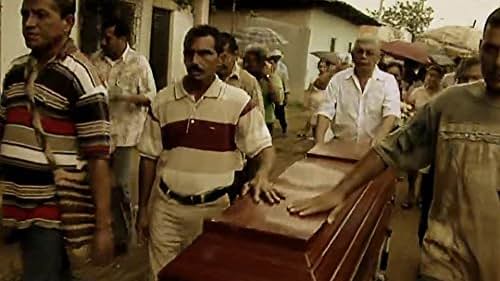
A docu-thriller on the largest manhunt in history, blending interviews with key DEA agents and Colombian commanders with dramatic recreations of the chase.
National Geographic’s episode captures first-hand encounters with Escobar from enemies, allies, and law enforcement, dismantling the Robin Hood myth.
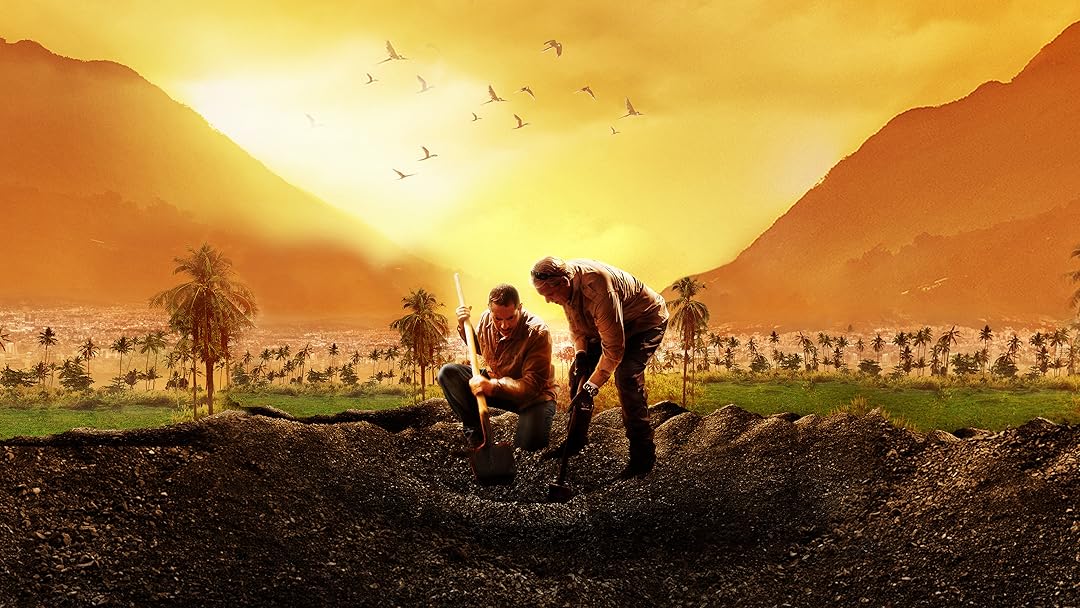
Two ex-CIA operatives scour Colombia for the kingpin’s buried treasure, uncovering not just leads and rumors, but the enduring legend of his hidden wealth.
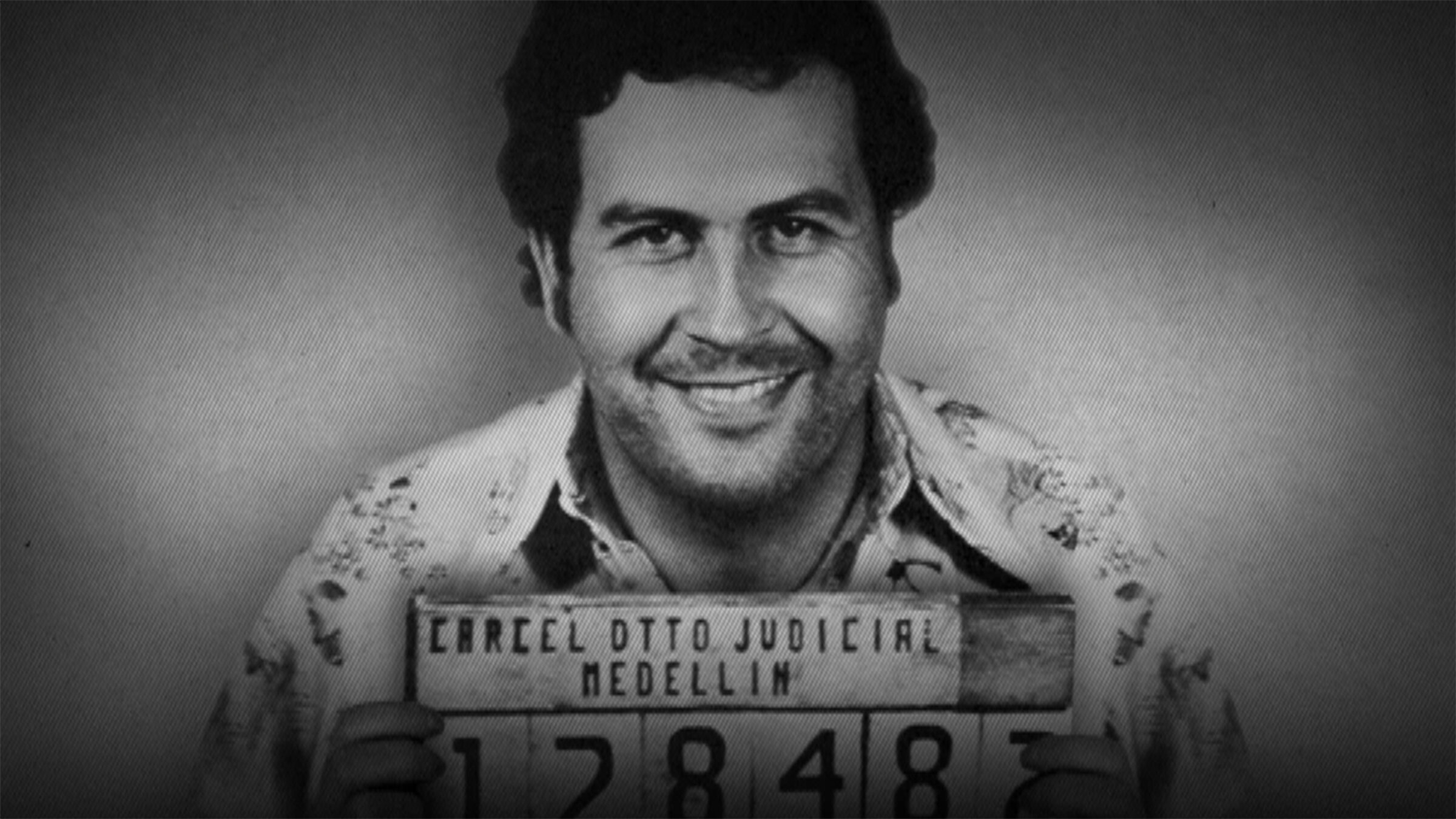
Netflix’s brisk retelling of the last nine years of Escobar’s life, packed with rare recordings, archival footage, and key moments from his downfall.

A detailed primer covering Escobar’s journey from street hustler to kingpin, illustrated with stats, infographics, and multiple insider accounts.
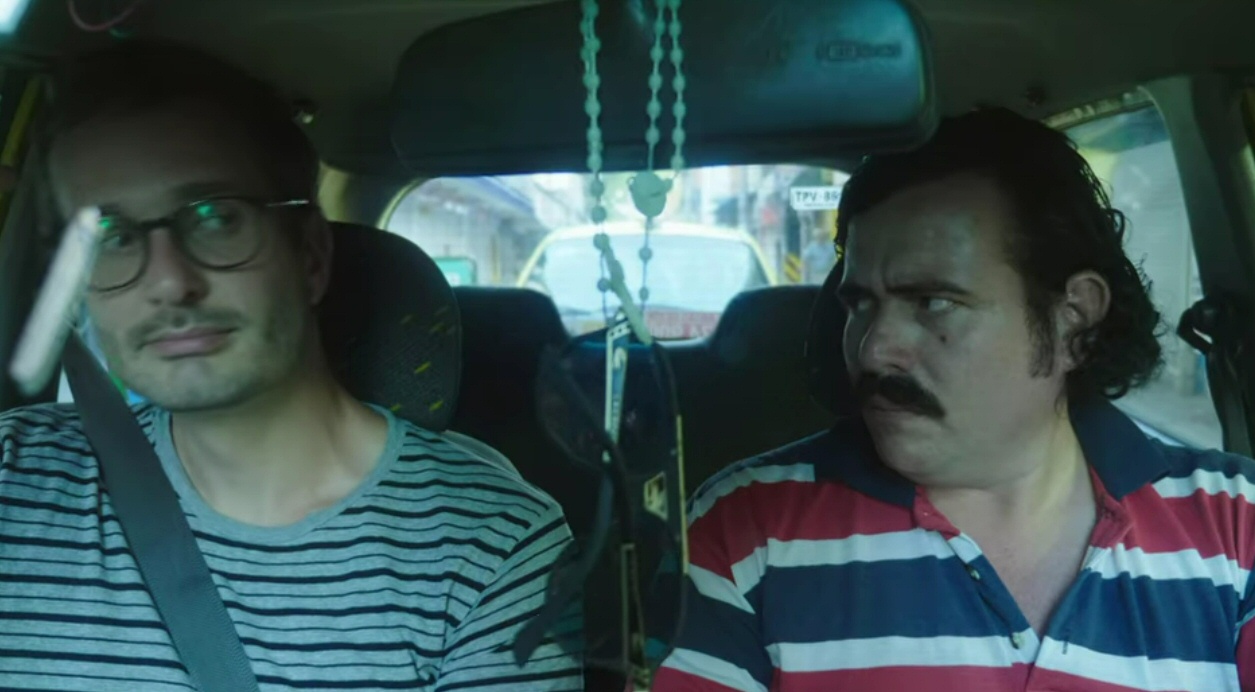
Journalist David Farrier takes viewers into Medellín’s booming narco-tourism industry, where bus tours and souvenir shops turn Pablo Escobar’s violent past into a profitable spectacle.
The episode captures the surreal intersection of crime history, commerce, and cultural memory, leaving audiences to ponder whether such tourism preserves history or distorts it.
For the first time in decades, Pablo Escobar’s widow, María Victoria Henao, and son Sebastián Marroquín appear together on camera to share their story. Using rare home videos, personal photos, and candid recollections, they pull back the curtain on life inside Escobar’s household—the warmth, the fear, and the suffocating burden of his legacy.

This gripping documentary tells the true story behind Robert Mazur’s daring undercover operation to penetrate Escobar’s money-laundering network. Through interviews with Mazur, former cartel money men, and law enforcement officials, viewers learn how billions in drug cash were washed through global banking systems.
Hosted by ex-Special Forces soldier Jason Fox, this boots-on-the-ground series takes an unfiltered look at Colombia’s underworld. Fox meets former Medellín cartel operatives, current traffickers, and even sits face-to-face with Popeye in prison.
Their raw, unguarded testimonies reveal how Escobar’s influence still shapes criminal culture today, offering an unsettling reminder that the narco-legacy remains alive and dangerous.
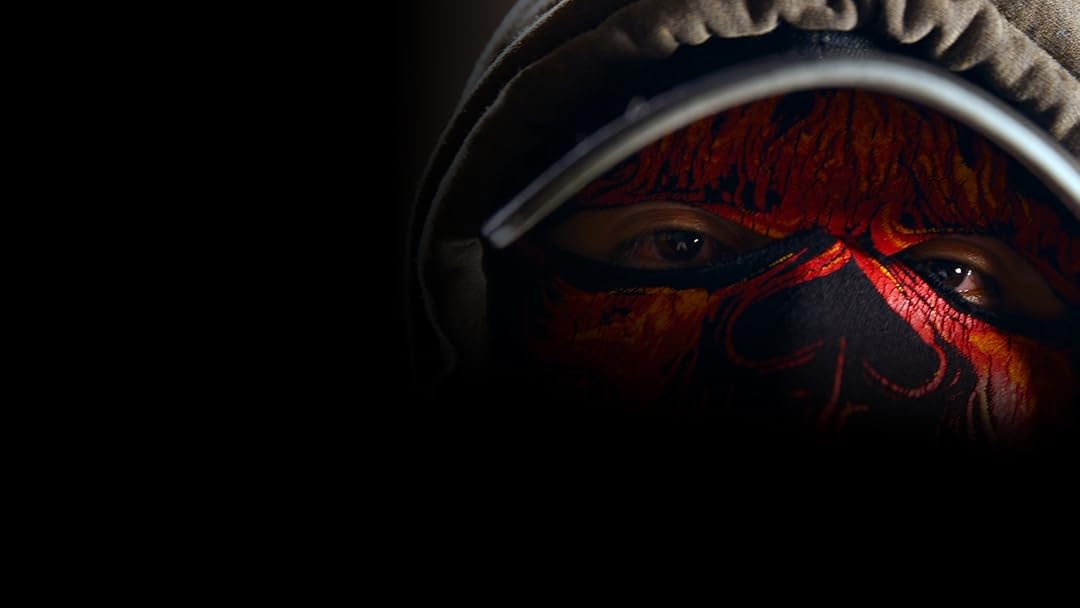
National Geographic reconstructs Escobar’s transformation from a small-time smuggler to the architect of an international cocaine superhighway.
Expert commentary from historians, DEA veterans, and Colombian officials is paired with cinematic dramatizations of key moments, such as his partnership with Carlos Lehder and the violent war against the Cali cartel. It’s a concise yet thorough case study of criminal industrialization.
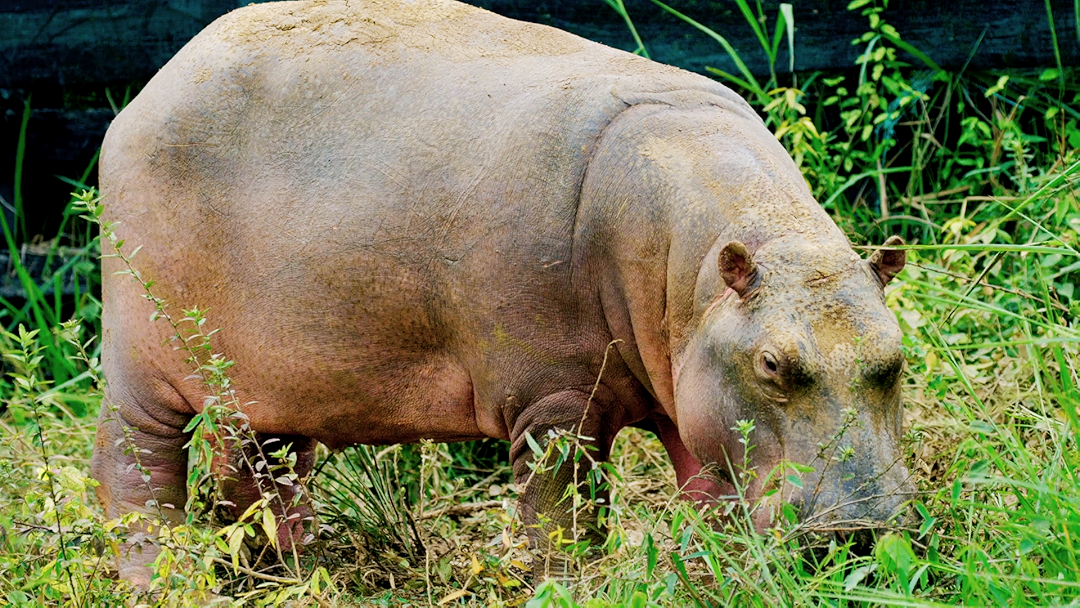
What began as an eccentric indulgence—importing African hippos to his private zoo—has become one of Escobar’s strangest and most lasting legacies.
This gripping documentary follows Colombian scientists and wildlife officials as they grapple with an invasive hippo population now thriving in the wild. Equal parts ecological investigation and cultural commentary, it’s a reminder that Escobar’s impact extends far beyond crime and politics, even into the natural environment.
This high-stakes documentary recounts the extraordinary 1989 plot by Scottish mercenary Peter McAleese to assassinate Escobar. Combining personal archive footage with cinematic reenactments, it captures the adrenaline, danger, and ethical ambiguity of a mission bankrolled by a rival cartel.
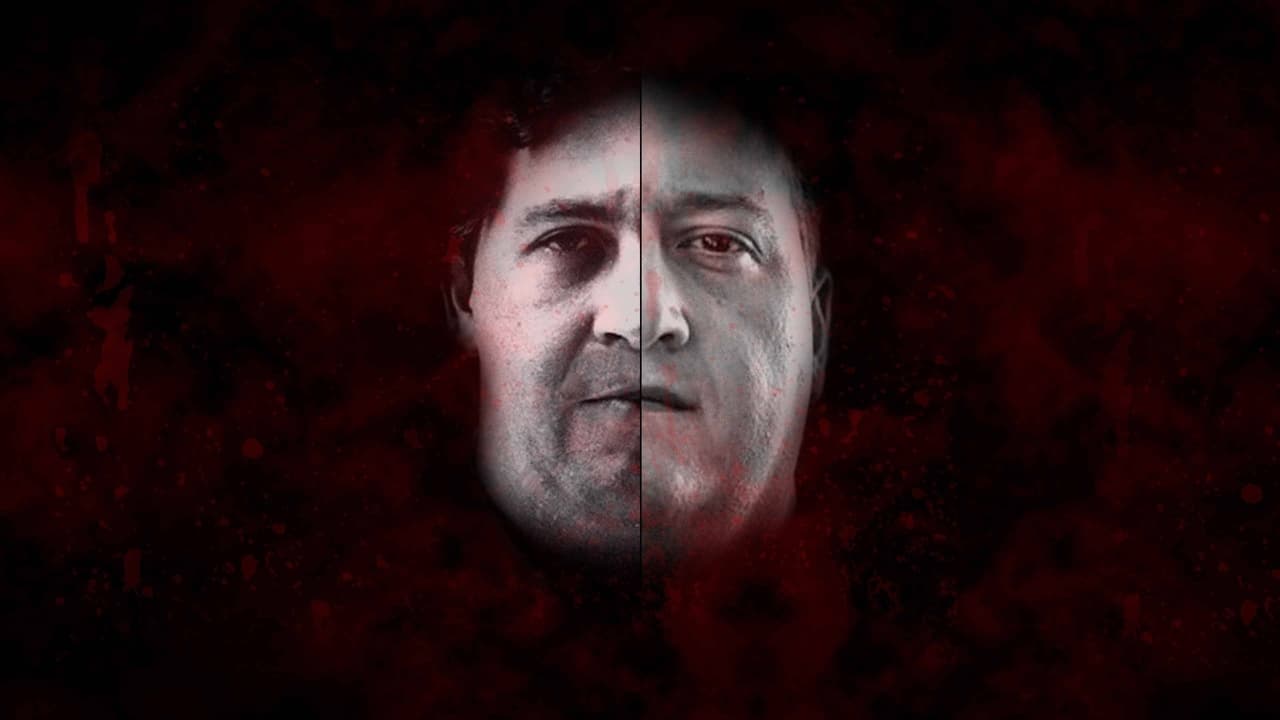
In this four-part docuseries, Sebastián Marroquín—Pablo Escobar’s only son—offers a deeply personal account of his father’s life, from the tenderness of family moments to the brutality of cartel business.
Never-before-seen home movies and photographs punctuate his narration, providing rare visual access to the Escobar family’s private world. It’s an unvarnished, emotional, and sometimes conflicted reflection on love, loyalty, and legacy.
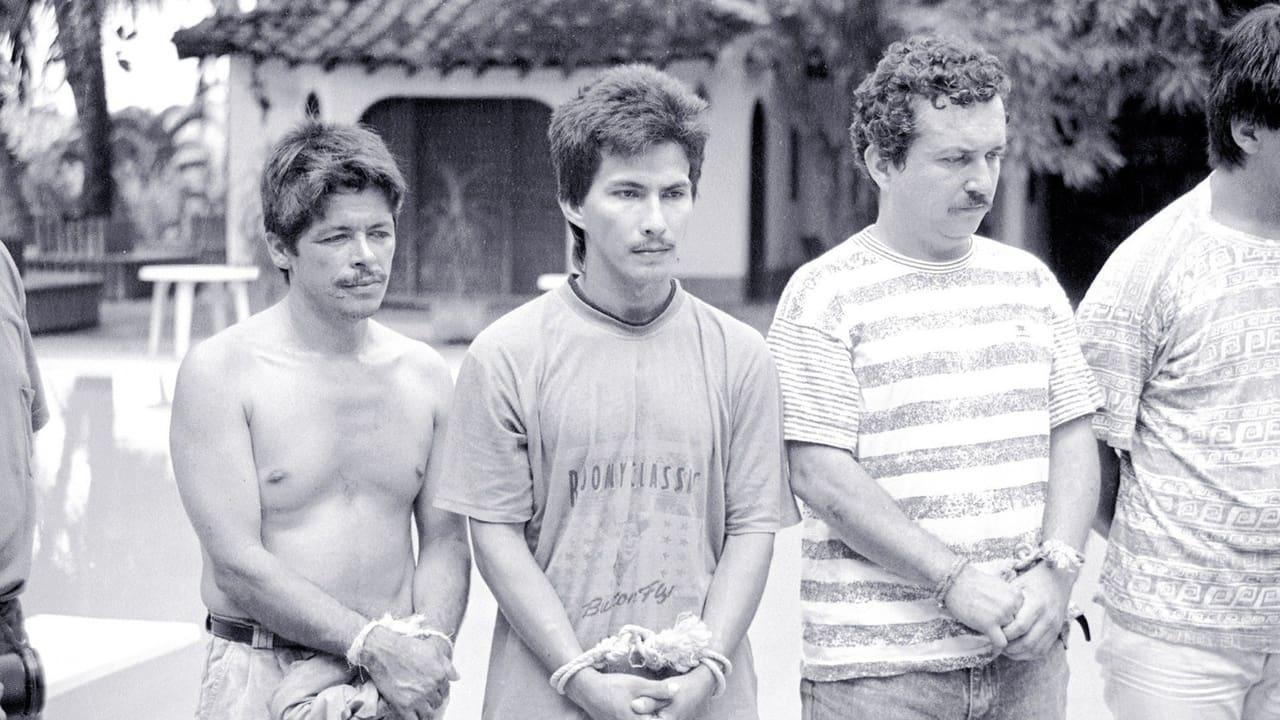
Nearly three decades after Escobar’s death, National Geographic takes a forensic approach to separating fact from folklore. Did he really burn millions to keep his family warm?
How much influence did he truly have over Colombia’s government? Interviews with victims, historians, and former associates are combined with rare audio recordings of Escobar himself to deliver a reality check on the man behind the legend.
This Colombian series shifts the spotlight away from the kingpin and onto those whose lives he destroyed. Across thirteen episodes, families recount the trauma of losing loved ones to assassinations, bombings, and other acts of terror.
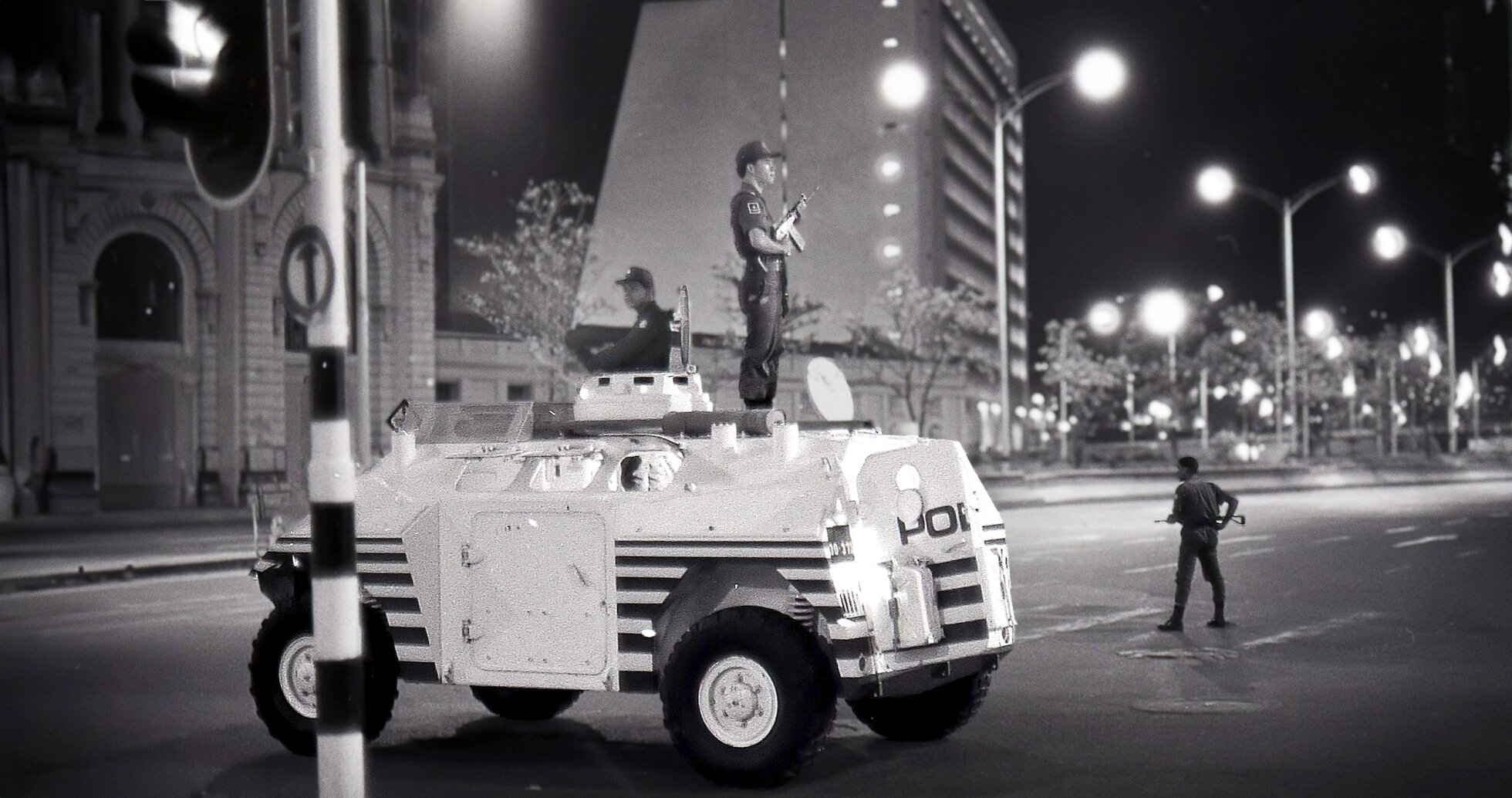
A gripping, day-by-day reconstruction of the final manhunt that ended with Escobar’s death.
Featuring interviews with generals, DEA agents, and witnesses, as well as never-before-seen archival material, the documentary immerses viewers in the cat-and-mouse chess game between the fugitive kingpin and the combined forces of Colombian and U.S. authorities. Even knowing the ending, the tension never lets up.

Hosted by Laurence Fishburne, this episode digs into two of the most persistent questions surrounding Escobar: Did he take his own life to avoid capture, or was he betrayed and executed?
And what happened to his hidden fortune? Through expert interviews, archival evidence, and careful examination of conspiracy theories, it offers fresh angles on an old story.
Centered on Griselda Blanco, one of the most feared figures in the cocaine trade and a close associate of Escobar, this documentary traces her violent Miami empire. Often cited as a mentor to young Pablo, Blanco’s saga adds another layer to understanding how Medellín’s influence reached deep into U.S. cities.
29. Cocaine Cowboys: The Kings of Miami (2021)
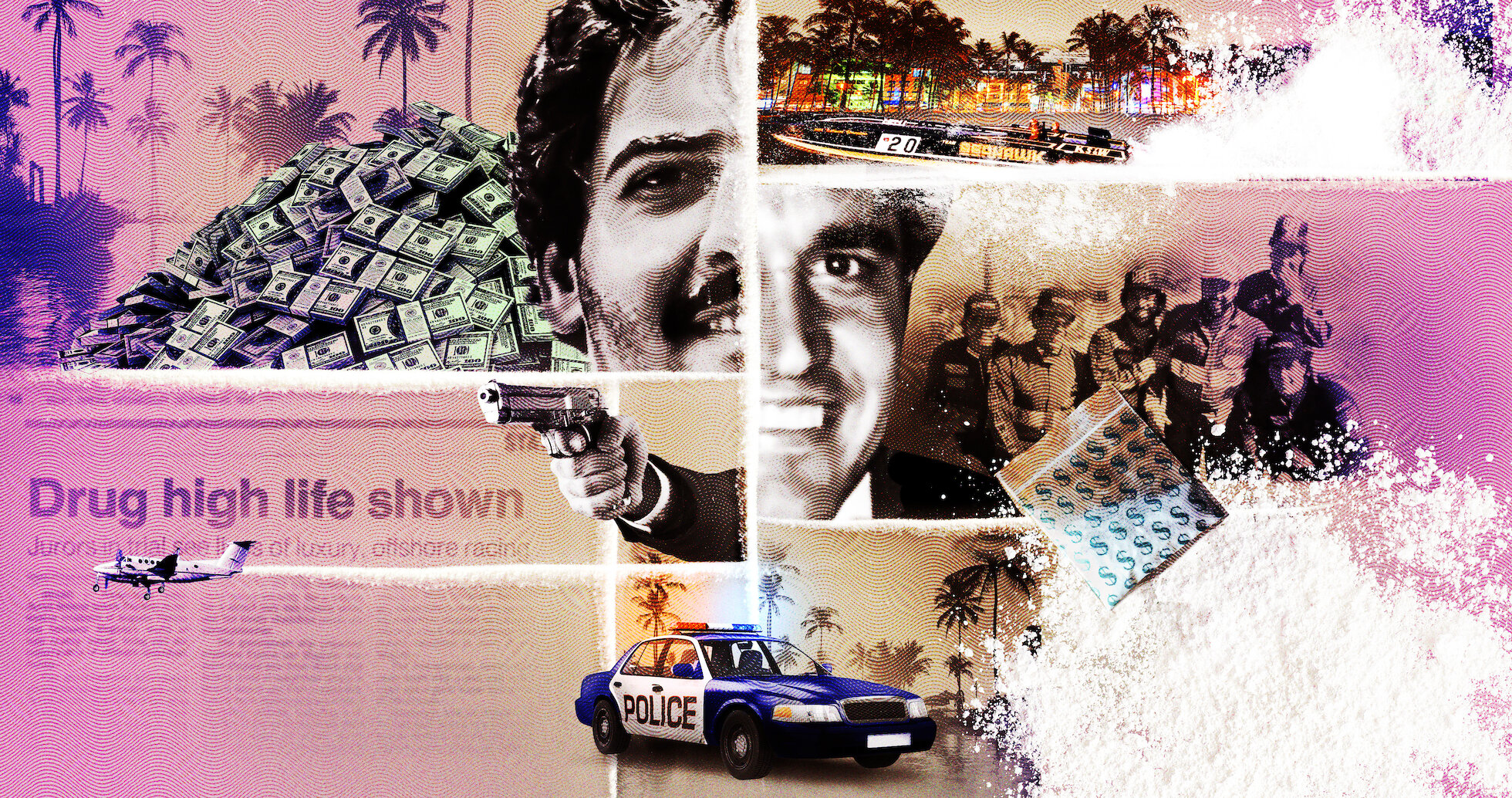
In six binge-worthy episodes, Netflix tells the saga of Willy Falcon and Sal Magluta, flashy drug smugglers who moved massive quantities of Medellín cocaine into the U.S. Their speedboat races, courtroom dramas, and repeated escapes from justice offer a glitzy but sobering view of how Escobar’s product shaped Miami’s underworld.
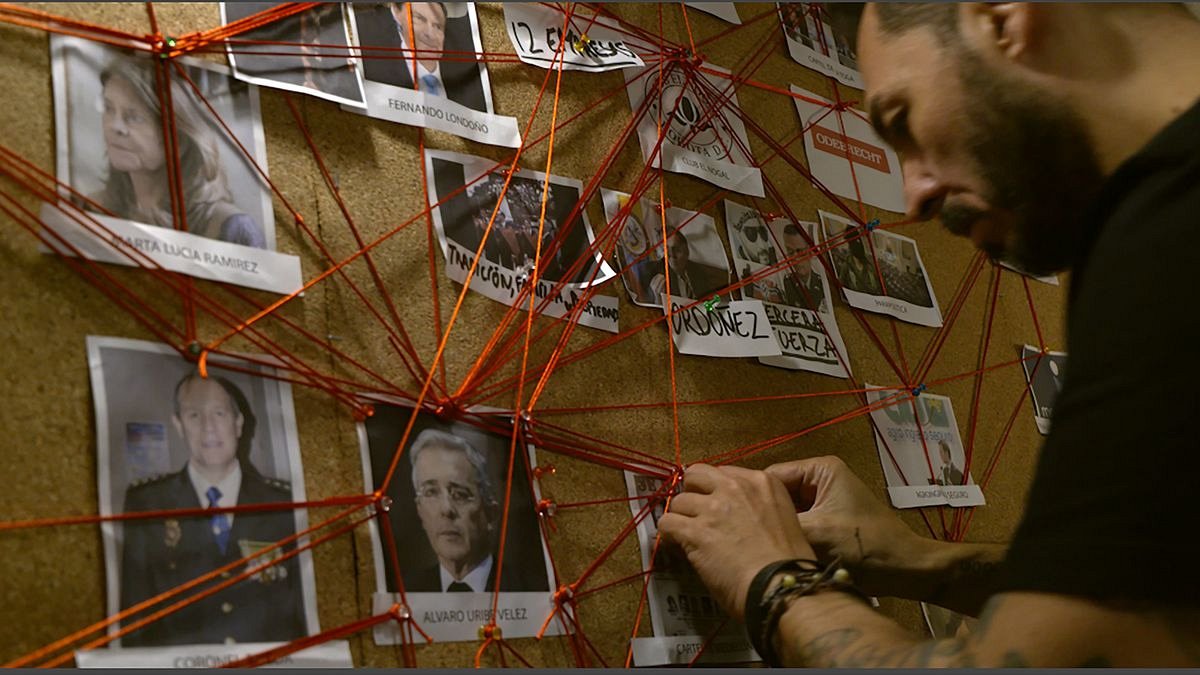
This provocative Colombian web series uses a graphic novel aesthetic to allege deep connections between political figures, paramilitary groups, and narco-violence.
Though primarily focused on former president Álvaro Uribe, it paints a broader picture of how the systems Escobar thrived in may still linger today. Its explosive claims have sparked legal challenges, making it as politically charged as it is narratively bold.
This comprehensive documentary explores Escobar’s rise from a petty criminal in Medellín to the world’s most feared and wealthiest drug lord.
Through a mix of rare archival footage, contemporary interviews with DEA agents, Colombian officials, journalists, and former cartel associates, it pieces together the mechanics of the Medellín Cartel’s unprecedented cocaine empire.
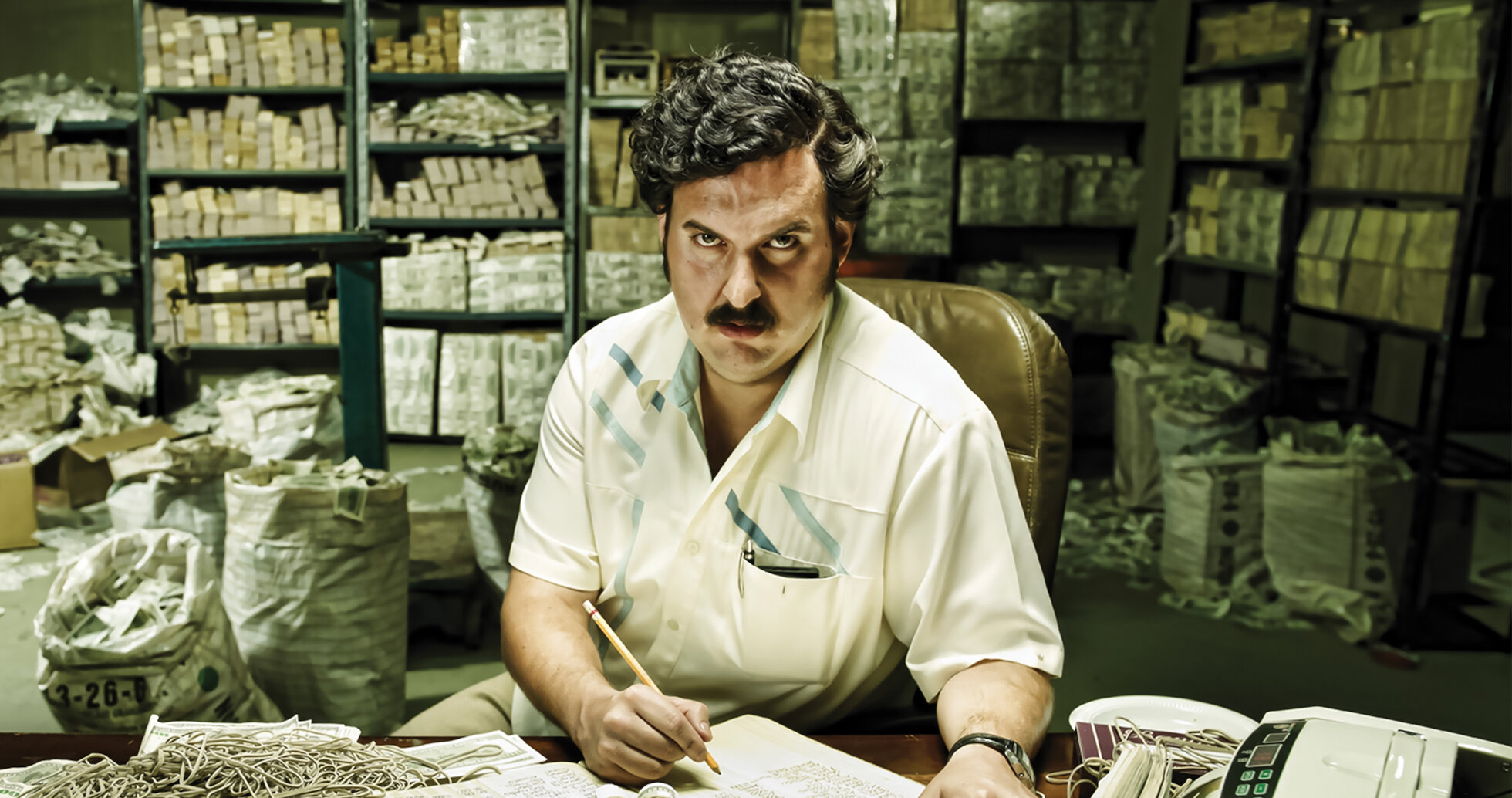
While dramatized, this 74-episode Colombian television series is rooted in extensive journalistic research, offering one of the most complete narrative depictions of Escobar’s life. It follows him from his teenage years in petty crime to his death on a Medellín rooftop, weaving in political intrigue, family struggles, and the stories of those who tried to stop him.
The series stands out for its attention to historical detail and for portraying the personal consequences of Escobar’s actions on his family, associates, and enemies.
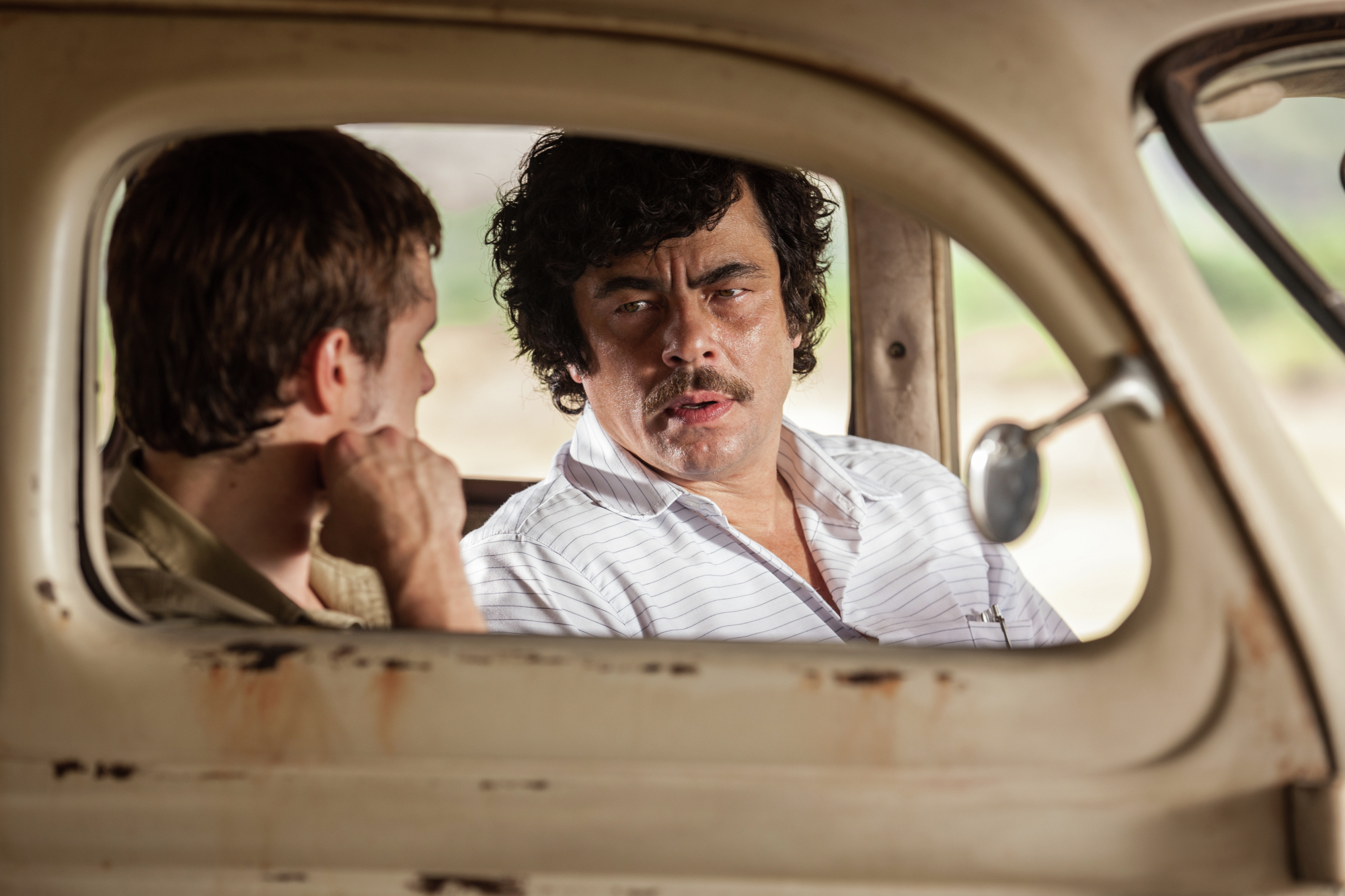
Blending romantic thriller with crime drama, this feature film uses a fictional outsider’s perspective to depict the menace of Escobar’s world. A young Canadian surfer falls for Escobar’s niece and is gradually drawn into the cartel’s violent inner circle.
As trust turns into entrapment, the story shifts into a suspenseful game of survival, underscoring how proximity to Escobar meant proximity to danger—no matter one’s intentions.
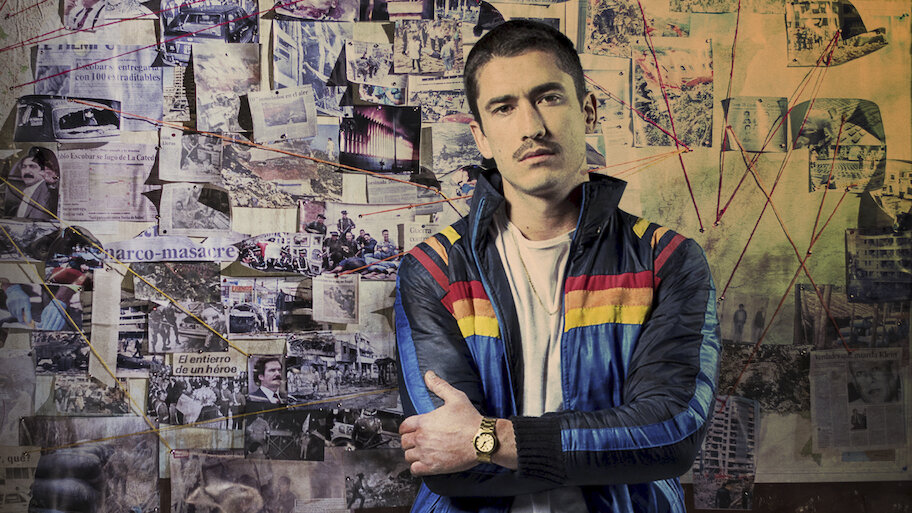
This dramatized Colombian series tells the story of Jhon Jairo Velásquez, alias “Popeye,” one of Escobar’s most notorious hitmen. It focuses on his life after Escobar’s death, particularly his survival in prison amid threats from rival cartels and former allies.
While dramatized, the show draws from real interviews and events, exploring themes of loyalty, guilt, and the lingering influence of the Medellín Cartel years after its collapse.
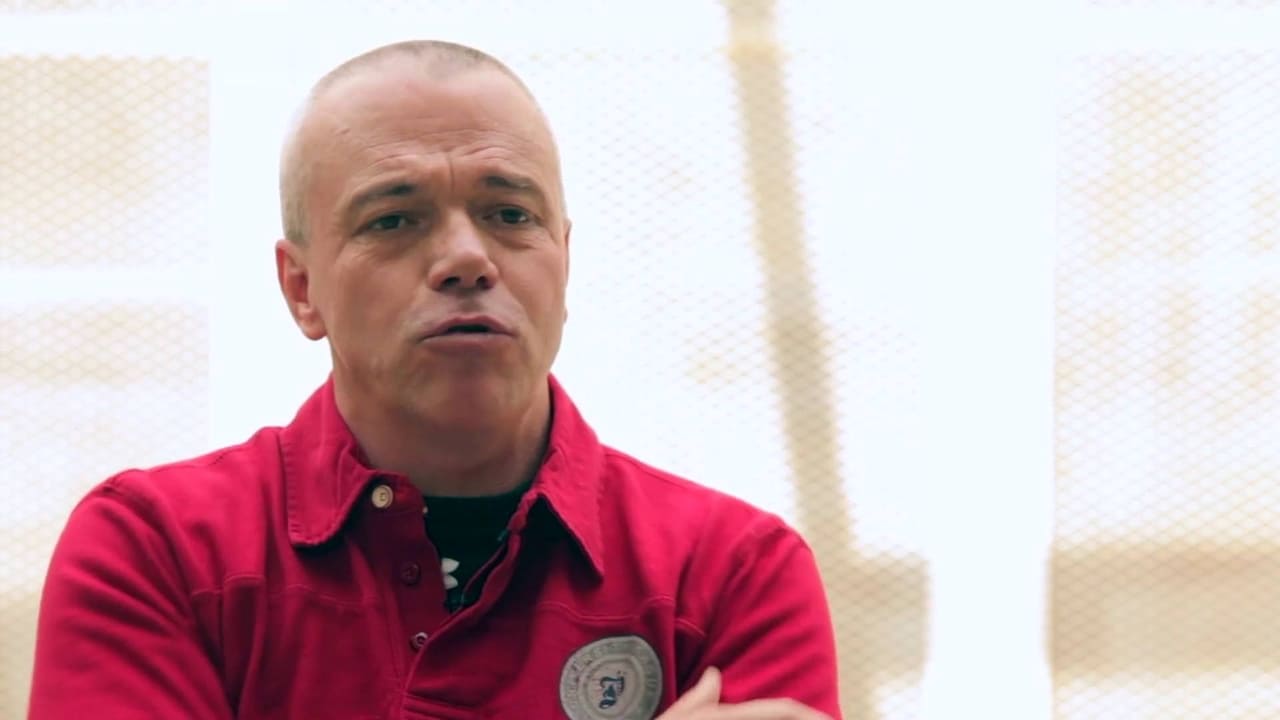
A rare Colombian documentary chronicling Popeye’s post-prison transformation into a controversial YouTube personality.
It explores his reinvention from feared sicario to online figure with a cult following, examining how society and media sensationalize figures linked to violent crime. The film raises difficult questions about public fascination, moral responsibility, and whether infamy can ever be separated from past crimes.
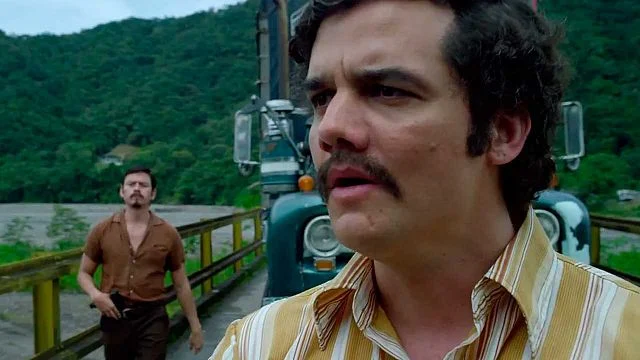
This Netflix fiction series dramatizes Pablo Escobar’s years at the helm of the Medellín Cartel during seasons 1 and 2. Wagner Moura delivers a layered and nuanced performance of the drug lord, while the storyline weaves together DEA investigations, political maneuvering, and the brutal reality of the cocaine trade.
Although it’s not a documentary, its fact-based construction and global impact make it a key piece for understanding Escobar’s story.
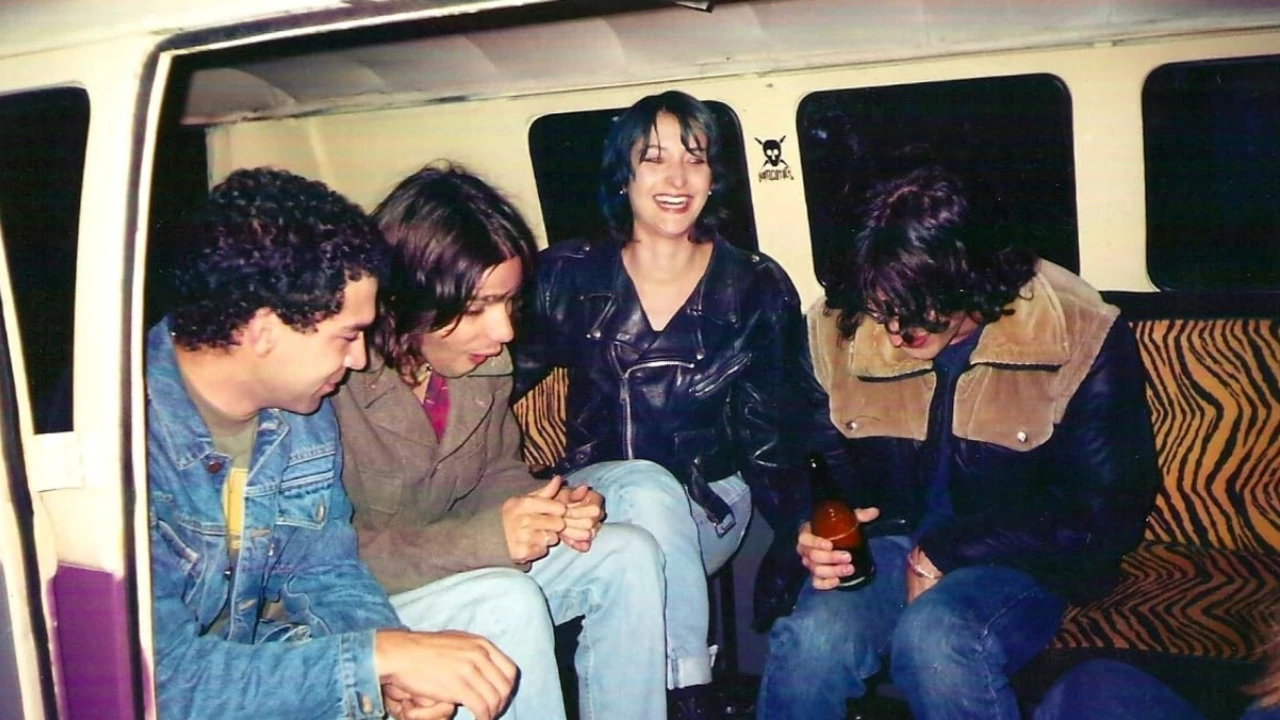
Set in early 1990s Medellín during the reign of Escobar’s cartel, this Colombian drama tracks a group of friends navigating kidnappings, threats, and fractured youth. Through raw, nostalgic storytelling, it evokes the emotional and social toll of narco-terror on ordinary lives
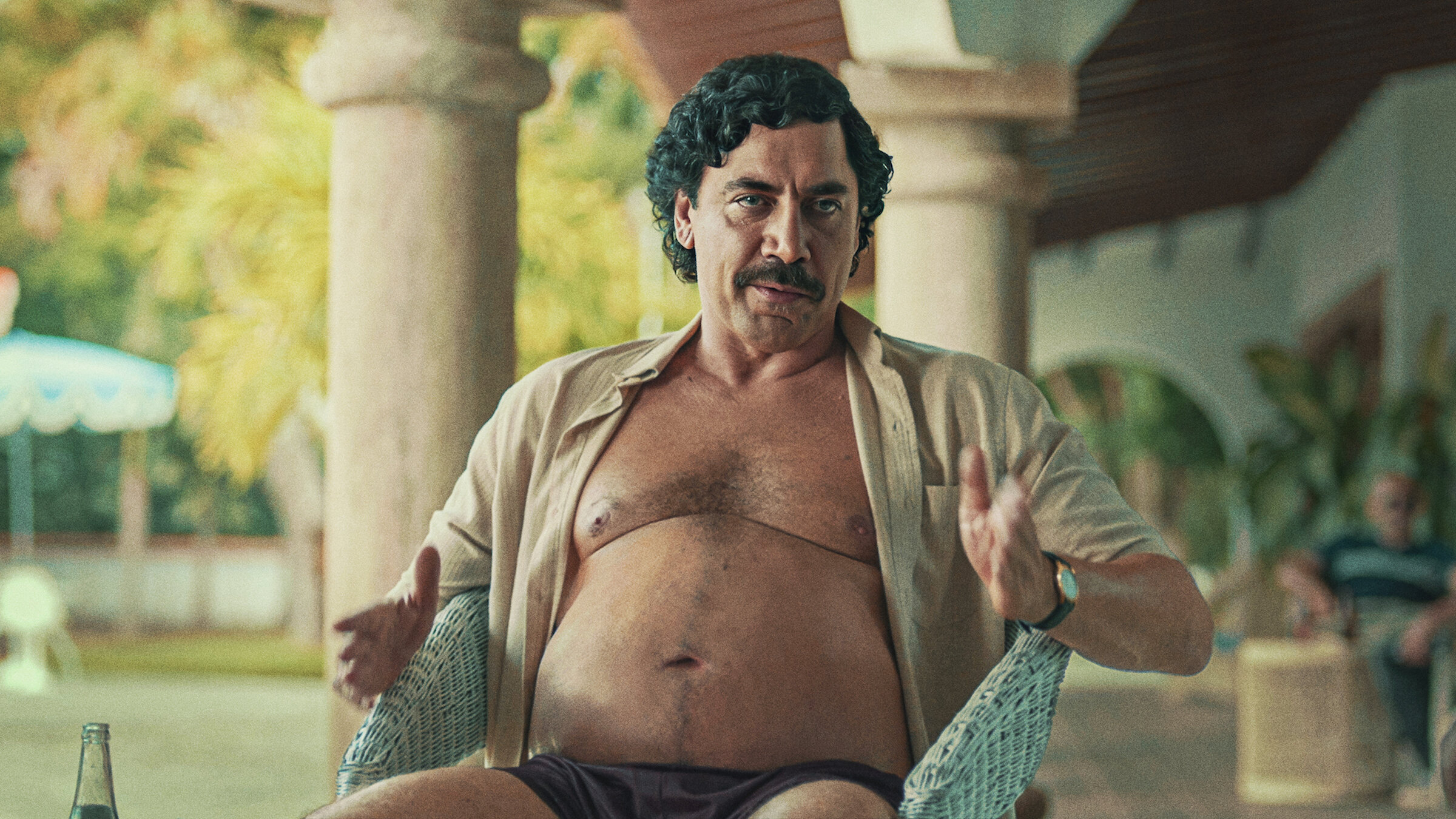
This biographical crime drama explores Pablo Escobar’s tumultuous romance with Colombian journalist Virginia Vallejo, adapted from her memoir. Javier Bardem portrays the infamous drug lord in a seductive and morally conflicted light.
At the same time, the narrative unfolds through the intimate lens of their relationship—blending power, passion, and historical context in a personal and dramatic setting.
While focused on American trafficker George Jung, this film vividly illustrates Escobar's indirect but powerful influence on the U.S. drug trade. Jung’s journey—from small-time hustler to top U.S. distributor for the Medellín Cartel—highlights the international reach of Escobar’s empire.

This one-of-a-kind stop-motion short by William Child retells Escobar’s violent saga through meticulously crafted papier-mâché sets and hand-built puppets.
The bizarre staging—complete with tiny figures, fish filled with bags of “cocaine,” scuba divers, and a jacuzzi—contrasts the brutality of Escobar’s crime empire with childlike artistry. The absurdity, combined with subtle dark humor, makes for an unforgettable viewing experience.
Pablo Escobar’s story did not end with his death – its repercussions have echoed through Colombia and around the world. In Colombia, the legacy of violence left by Escobar’s cartel era was profound. His war with the state claimed thousands of lives and scarred a generation. The period is remembered as one of the most violent in Colombia’s history.
Also, you can't miss: The Universe of Cao Guimarães and immerse yourself in a cinematic journey that captures the very soul of Brazil. Through his lens, everyday moments become poetry, landscapes breathe with quiet mystery, and human stories unfold with tenderness and depth. This article invites you to explore the artistry, themes, and emotional power behind Guimarães’ work—revealing why his films are not just to be watched, but to be experienced.
Dive into this curated collection on Guidedoc and witness the many faces of Pablo Escobar—through the eyes of journalists, survivors, law enforcers, and even those who once stood by his side. Each documentary peels back another layer of myth and reality, offering perspectives that go far beyond the headlines.
Whether you’re drawn by the intrigue of his rise, the brutality of his empire, or the complex legacy he left behind, Guidedoc's selection of 40 must-see films about Escobar, "The King of Cocaine," guarantees you'll experience the full scope of a story that still captivates the world today.
Watch more great documentaries on Guidedoc

2185 films
And a new one every day

The preferred platform
of true documentary lovers
Half of all revenue goes
directly to the filmmakers