In a media landscape saturated with high-octane professional cycling documentaries focused on Tour de France drama and Grand Tour victories, a quietly revolutionary series has been pedaling its way into the hearts of cycling enthusiasts across Spain and beyond. Embiciados, which translates roughly to "bike-obsessed" or "hooked on bikes," represents a refreshing departure from the testosterone-fueled world of elite racing, instead celebrating the pure joy of recreational cycling through some of Spain's most breathtaking landscapes.
This Spanish docuseries takes viewers on an intimate journey through Andalusia's diverse terrain, from the limestone cliffs of Ubrique in the Sierra de Cádiz to the historic hilltop town of Alcalá de los Gazules, and finally concludes with the magical landscapes of Castellar de la Frontera. Each chapter serves as both a love letter to cycling and a cultural exploration of Southern Spain's hidden treasures, proving that the most compelling bike stories don't always happen on professional racing circuits.
Unlike the high-stakes drama of Netflix's Tour de France: Unchained or the internal team conflicts explored in The Least Expected Day, Embiciados focuses on the meditative and transformative power of cycling as a means of connecting with both the landscape and local culture.
The series taps into a growing movement of cycling tourism and adventure documentaries that prioritize experience over competition, making it accessible to viewers regardless of their cycling expertise or interest in professional racing.
The genius of Embiciados lies in its rejection of traditional sports documentary conventions. While most cycling documentaries focus on the suffering, sacrifice, and competitive drama that define professional racing, this series embraces what cycling tourism experts call "the sensory adventure" of recreational riding. The documentary doesn't just show beautiful landscapes; it invites viewers to experience the rhythmic meditation of pedaling through ancient olive groves and whitewashed villages.
Each chapter of Embiciados functions as a standalone exploration of a specific Andalusian location, yet together they form a cohesive narrative about the relationship between cycling, culture, and place. This character-driven approach immediately distinguishes the series from more traditional cycling documentaries that focus primarily on athletic achievement.
The series' approach to storytelling reflects broader changes in how audiences consume travel and adventure content. In an era where cycling tourism has exploded in popularity, particularly in regions like Andalusia that offer year-round riding conditions and stunning scenery, documentaries like Embiciados serve multiple functions: entertainment, travel inspiration, and cultural education.
The show demonstrates that cycling documentaries don't need million-dollar budgets or professional racing drama to create compelling television. What makes Embiciados particularly noteworthy is its focus on the social and cultural aspects of cycling that often get overlooked in more commercially oriented productions.
The series explores how cycling serves as a vehicle for cultural immersion, allowing riders to experience local gastronomy, architecture, and traditions at a pace that motorized tourism simply cannot match.
This approach aligns with growing trends in sustainable tourism and slow travel that prioritize authentic experiences over checkbox sightseeing. The production values of Embiciados reflect the democratization of documentary filmmaking that streaming platforms and digital distribution have enabled. While it may not have the glossy production budget of major international cycling documentaries, it compensates with authentic storytelling, intimate character development, and a genuine passion for its subject matter that resonates with viewers seeking alternatives to mainstream sports programming.
Discover the power, passion, and unexpected poetry of sports in our Guidedoc article: Defying Gravity: Exploring the World of Extreme Sports through Documentaries. From underdog triumphs to raw personal battles, these films go beyond the scoreboard to reveal what truly drives the human spirit. Read now and see sports like never before.
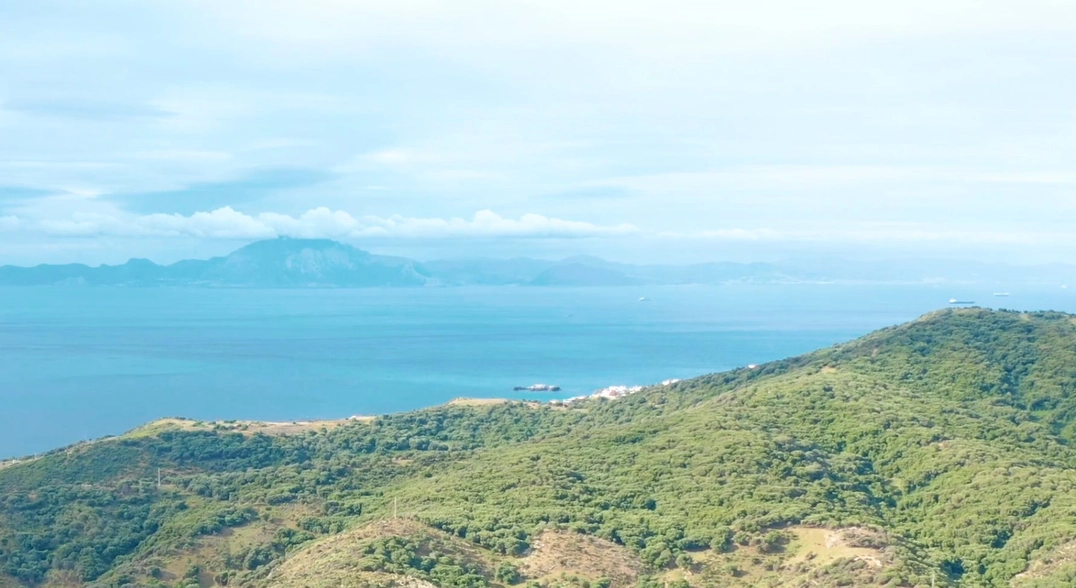
The first episode introduces viewers to a nature-loving musician from Tarifa who plans cycling adventures that combine his artistic sensibilities with his passion for two-wheeled exploration. This chapter establishes the series' unique approach to cycling as cultural discovery.
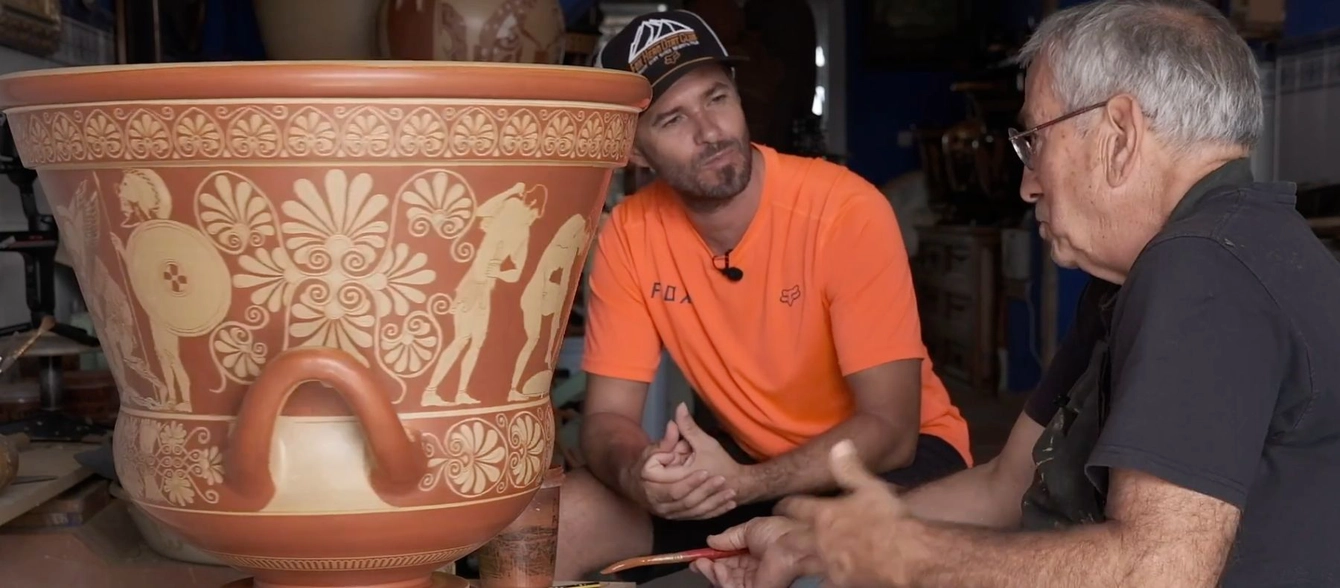
The second chapter follows the charismatic cyclist and presenter as he heads to San Roque, exploring how cycling can serve as a bridge between communities and landscapes. The episode showcases the social dimensions of recreational cycling.
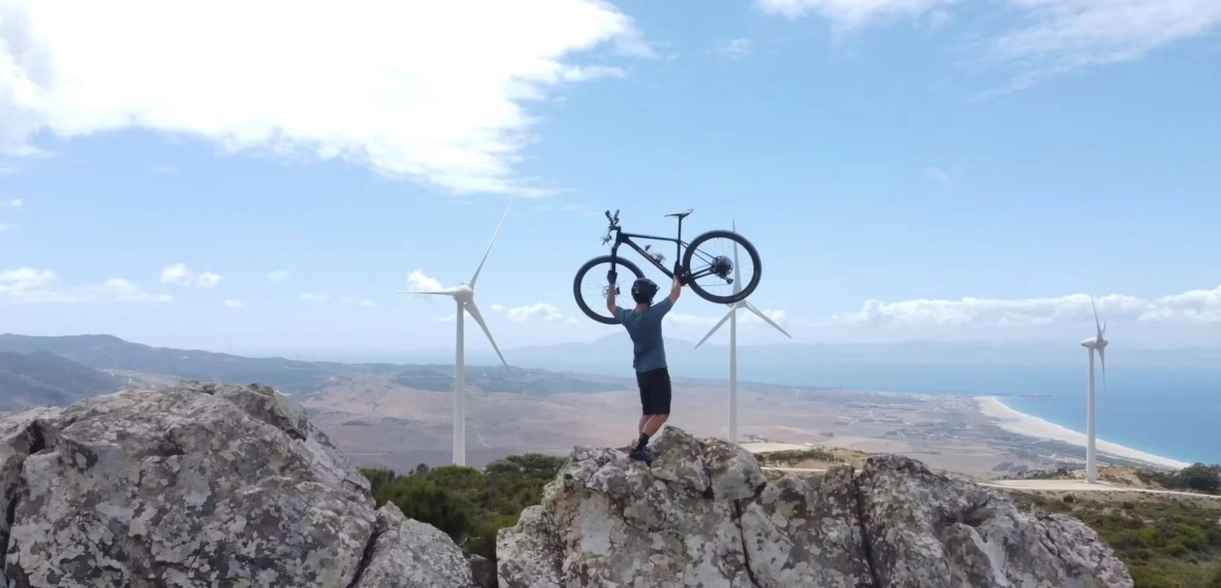
In Chapter 3 of the series, the journey rolls into Chiclana, where salty winds and sunlit trails frame a two-wheeled exploration of local life. From coastal rides to quiet rural paths, cycling becomes the perfect way to discover the town’s rich traditions, natural beauty, and relaxed Andalusian rhythm.
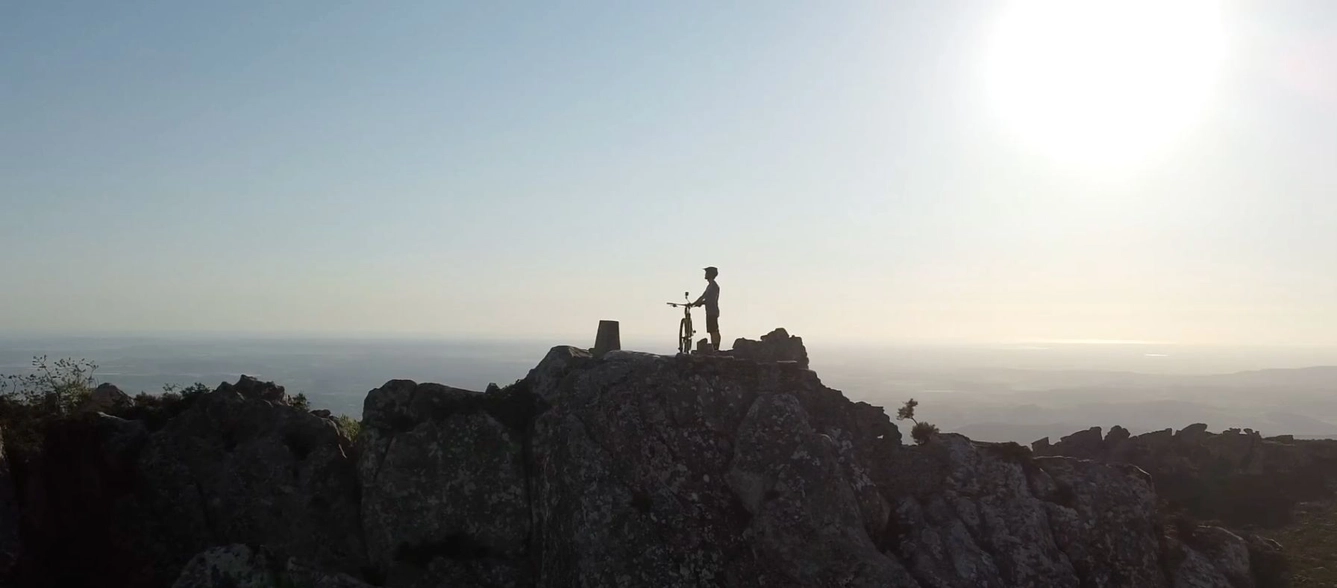
This fourth installment takes viewers to Alcalá de los Gazules, perched atop dramatic Andalusian hills. The episode demonstrates how cycling allows for an intimate exploration of Spain's historic hilltop towns and their surrounding countryside.
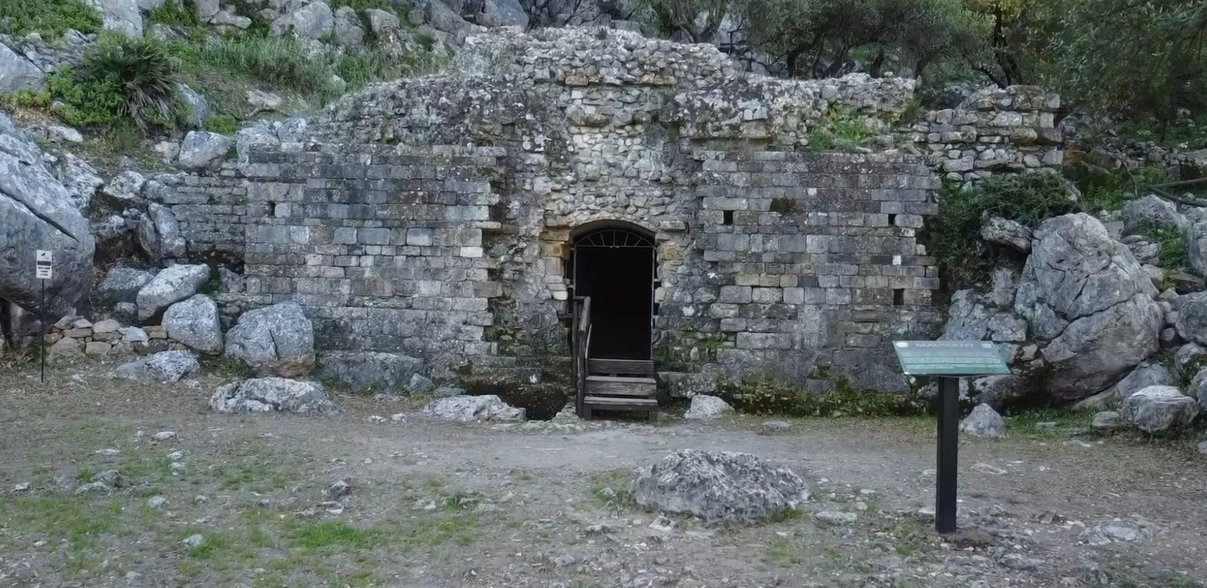
Taking viewers deep into the Sierra de Cádiz, this chapter explores Ubrique's steep limestone cliffs and traditional leather-working culture. The episode shows how cycling tourism can support local economies while providing authentic cultural experiences.
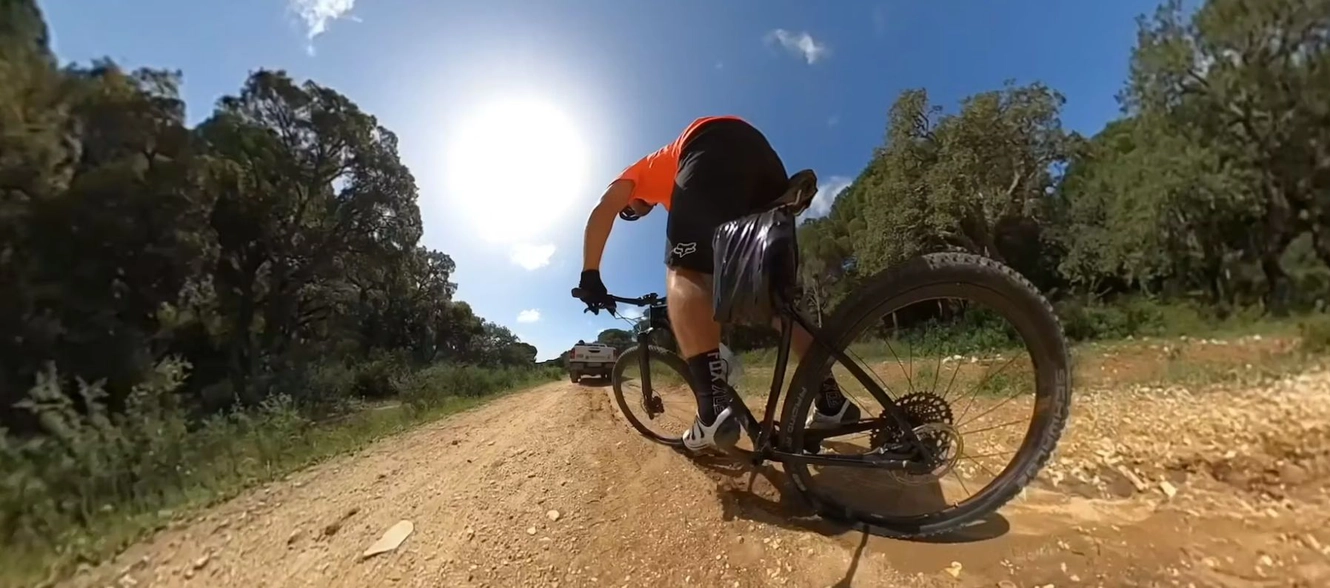
The final chapter closes the series with a ride through the magic of Castellar de la Frontera, bringing together all the themes explored throughout the series about cycling as a means of cultural and geographical discovery.
The success of Embiciados demonstrates that there's a substantial audience appetite for cycling content that prioritizes experience over competition. In a world where professional cycling documentaries often focus on the darker aspects of the sport – doping scandals, team conflicts, and the physical toll of elite competition – series like Embiciados offer a more optimistic vision of what cycling can represent.
The series also highlights the tourism potential of Spain's cycling infrastructure, particularly in Andalusia, where year-round riding conditions and diverse terrain make it an ideal destination for cycling holidays. This is the cradle of Spanish romance, where the fervor of flamenco and a rich history merge to craft unforgettable moments, and Embiciados shows how cycling can provide access to this cultural richness.
Guidedoc continues expanding its documentary offerings, series like Embiciados prove that cycling content doesn't need to focus exclusively on professional racing to find an audience. Whether you watch online through specialized platforms or discover them through cycling tourism websites, these shows represent a growing genre of slow television that prioritizes contemplation and cultural exploration over high-stakes drama.
For viewers seeking cycling documentaries that celebrate the joy rather than the suffering of two-wheeled travel, Embiciados offers a perfect entry point into a more meditative approach to cycling storytelling. The series proves that sometimes the most compelling bike stories happen not on the world's most famous racing circuits, but on quiet country roads where the only competition is between rider and landscape.
Platforms like Guidedoc are increasingly featuring such specialized content, recognizing that documentary audiences are hungry for authentic stories that celebrate the transformative power of simple human activities like cycling through beautiful places.
Watch more great documentaries on Guidedoc

2186 films
And a new one every day

The preferred platform
of true documentary lovers
Half of all revenue goes
directly to the filmmakers