What happens when you take stories rooted in memory, resilience, resistance, and artistic fervor, and let them travel across continents? You get Docs from West to East, a curated program that weaves a cinematic bridge between Latin America and Europe—between the deeply personal and the unapologetically political. Curated by London-based distribution powerhouse Impronta Films, this new collection, now streaming on Guidedoc, is as much a statement of cultural fusion as it is a showcase of powerful documentary filmmaking.
Each film in this program opens a unique window into places where identity is shaped by conflict, creativity, and deep social questioning. These are not just regional films—they are global resonators. Whether you're stepping aboard a war veteran’s tiny boat, listening to the forest-laced melodies of a Brazilian composer, tracing the slow sculptural obsession of a stone collector, or watching radical theater tear down norms onstage, these documentaries cross more than just physical borders. They break cultural boundaries, too.
If you're drawn to bold visual storytelling that challenges authority and rewrites cultural codes, don’t miss our article on Contaminated Collages By Lutz Dammbeck. Just like Docs from West to East, it explores how art and documentary collide to question the systems that shape us. Read it now on Guidedoc and dive deeper into the world of radical nonfiction cinema.
This is the essence of Impronta Films' mission: to transcend geographic limits and deliver documentaries, docuseries, and docudramas that matter. And in doing so, Docs from West to East becomes a kind of compass—guiding viewers from conflict zones to concert halls, from prehistoric rocks to revolutionary stages.
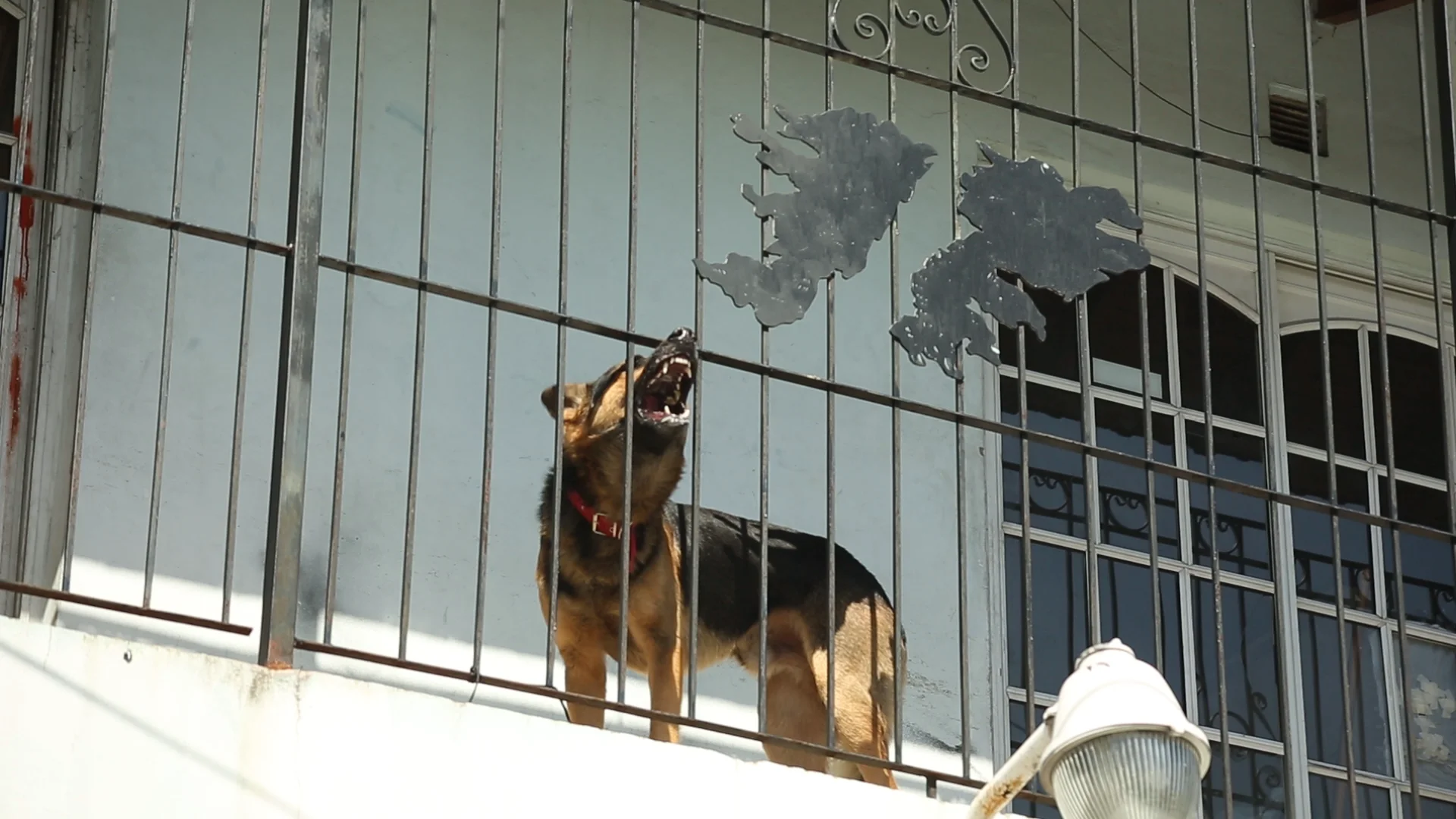
The journey opens with Port Desire, a poignant film that chronicles Wytrikusz, a Malvinas War veteran determined to return to the islands by repairing a small boat—no passport, just a flag and a mission.
This isn’t merely a voyage; it’s an act of reclamation, grief, and confrontation with the past. As he prepares to sail, the ghosts of war resurface—raising the film’s central question: How long does a war last inside someone’s mind? Told with minimalism and emotional precision, the doc connects geopolitics with family, and military memory with national identity. It’s a story rarely told—and exactly the kind of film Guidedoc was designed to champion.
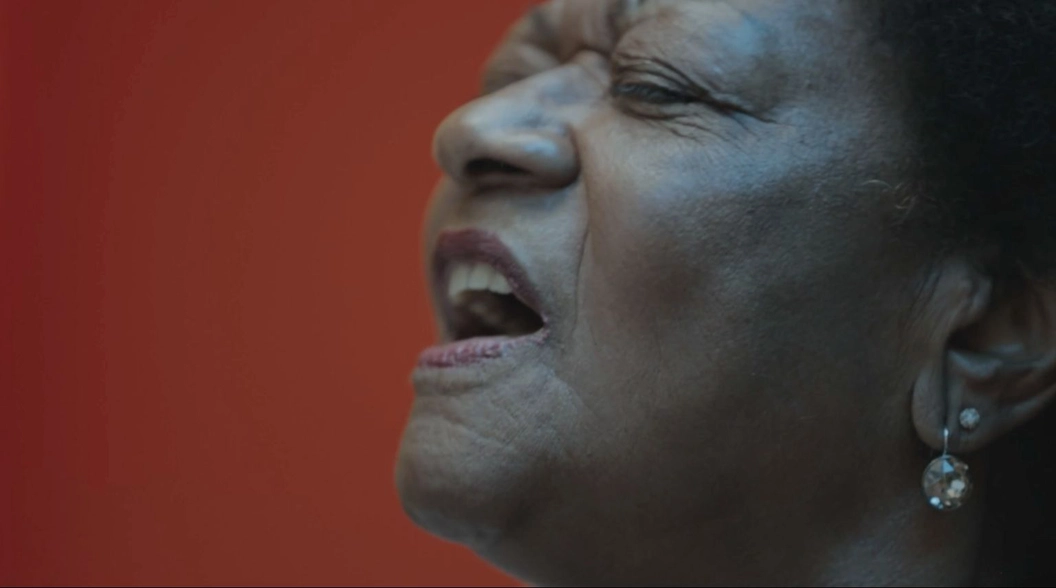
In Nature Music, Brazilian composer Léa Freire doesn’t just play—she disrupts. As one of the few female figures to carve out a space in Brazil’s orchestral world, Freire’s defiant elegance reverberates through every melodic line. Director Marcelo Machado captures her story through lyrical compositions and biting testimony, positioning her as both artist and activist. Her music, born from forests and favelas, is a rebellion against patriarchy and erasure. And in doing so, the documentary becomes more than a profile—it’s a crescendo of feminist cultural resistance.
As we noted in our article on “Female Traces” by Taskovski Films: “When women reclaim authorship, they don't just tell stories—they reframe entire histories.” Freire does exactly that, one note at a time.
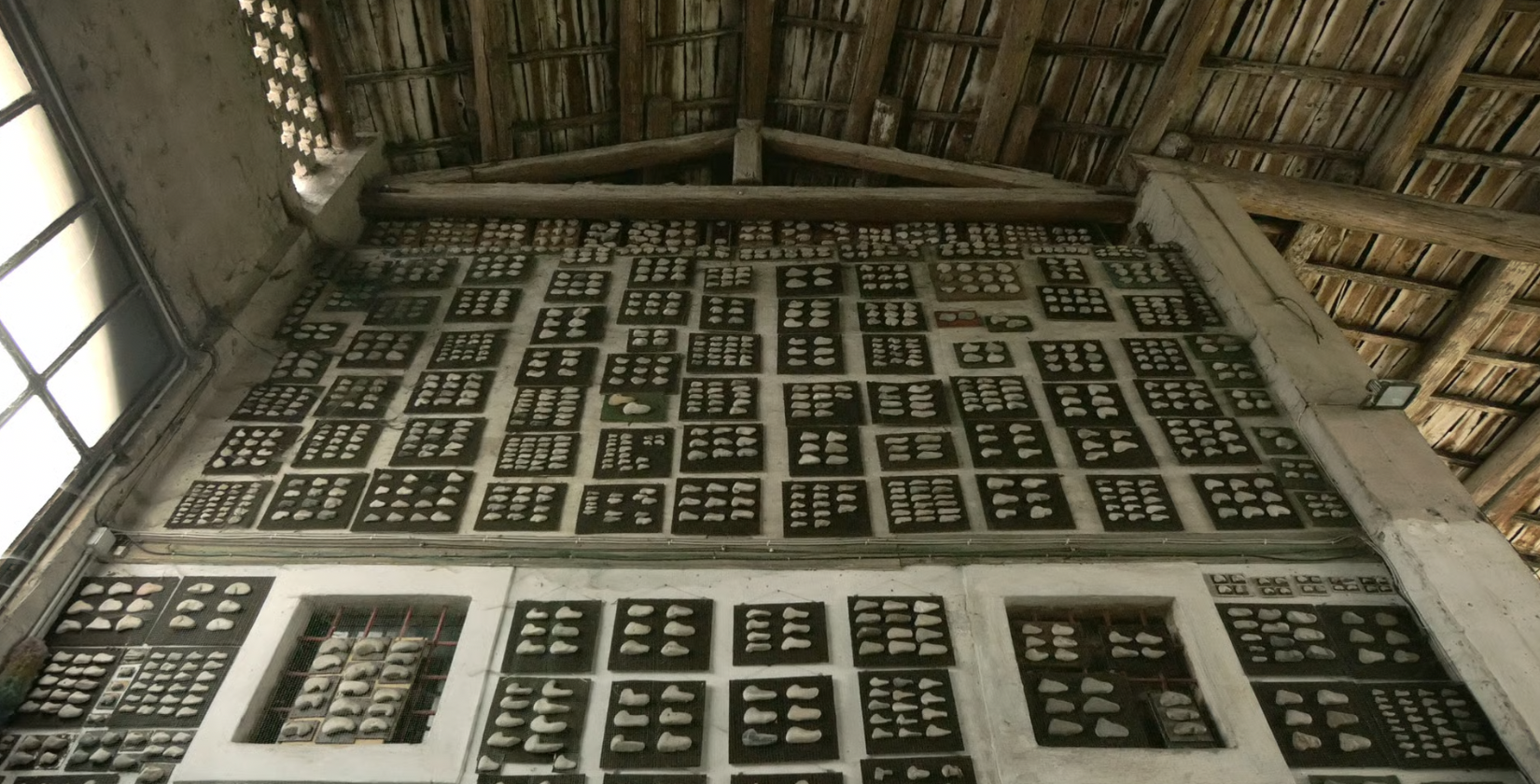
Switching gears from melody to matter, The Quest (La Ricerca) introduces us to Italian artist Luigi Lineri, who has spent 60 years assembling a sprawling installation of stones that resemble primitive tools. This obsessive and poetic project, built one stone at a time, becomes a ritual of remembering—of shaping myth and meaning out of seemingly inert objects. Watching Lineri at work is like witnessing time itself being molded. The doc blurs lines between archaeology and art, suggesting that creation is itself a kind of resurrection.
Lineri doesn’t speak much, but his hands tell stories older than history. The Quest reminds us that documentary filmmaking isn’t always about uncovering new facts—it’s often about rediscovering ancient truths.

And then there's Desire Machine, a doc that crackles with political energy and theatrical chaos. Chronicling Brazil’s legendary Teatro Oficina, the film unleashes archival footage, testimonies, and performative reenactments to tell the story of a troupe that turned the stage into a warzone of desire and disobedience. Their plays weren't merely seen—they were survived. This isn’t a doc for passive viewers; it demands engagement, as all great art should.
What makes Desire Machine stand out is how it illustrates performance as protest. In a time when democracy feels increasingly threatened around the globe, this film is both a celebration and a warning.
Each film in Docs from West to East contributes to a larger narrative: that no matter where you are on the globe, the fight for expression, memory, justice, and beauty remains universal. Whether it's through a chisel, a cello, or a protest chant, these stories remind us that we’re all part of the same human plot.
What distinguishes Impronta’s catalog is its humanism. These are not films that impose a worldview; they invite you into one. They ask you to sit quietly beside a war veteran repairing a boat, to listen as a female composer reclaims her voice, to wander through a room filled with stones and stories, and to sweat inside a rehearsal space where revolution sounds like samba.
Impronta Films’ strength lies not just in acquiring compelling content but in curating a narrative arc that spans continents. Their films aren’t selected for hype—they’re chosen for heart. In a streaming era dominated by algorithms and trends, this human-first approach is radical. And necessary.
This is precisely why platforms like Guidedoc exist—to spotlight voices that don’t usually make it onto prime-time TV or big-budget streaming giants like Netflix. Whether you’re watching on YouTube, searching where to watch your next docudrama, or exploring docuseries to binge, Guidedoc connects you to the world’s pulse through nonfiction cinema.
Now streaming on Guidedoc, the program Docs from West to East is a must-watch for docu-lovers who crave authenticity, bold narratives, and global storytelling. And in case you're wondering where to watch, how to watch, or why to watch—yes, this is your answer. These are not just movies. These are maps. And in an era of cultural fragmentation and algorithmic overload, Docs from West to East is a reminder that some stories are best traveled slowly, with your heart wide open.
Watch more great documentaries on Guidedoc

2186 films
And a new one every day

The preferred platform
of true documentary lovers
Half of all revenue goes
directly to the filmmakers