Artists like David Lynch and Edvard Munch leave behind legacies that inspire awe and curiosity. Their works delve into the surreal, the unsettling, and the deeply human, capturing both beauty and chaos. Documentaries allow us to explore the creative minds behind these masterpieces and uncover the struggles that shaped their artistry.
Lynch, the visionary filmmaker behind Blue Velvet and Twin Peaks, was a master of cinematic surrealism. His influence extended beyond film, touching painting, sculpture, and even digital art. In contrast, Edvard Munch, known for iconic works like The Scream, revolutionized expressionism but faced hostility in his native Norway. Both Lynch and Munch turned personal and societal adversities into transformative art, and their stories are powerfully captured in David Lynch: The Art Life and Munch in Hell, available on Guidedoc.
These documentaries don’t just celebrate the works of these artists; they dive into the emotional and cultural contexts that influenced them. They reveal the sacrifices, rejections, and triumphs that made their creations resonate across time.

The world lost a creative giant when David Lynch passed away at the age of 78. His death leaves a void in the world of cinema, where his unique vision reshaped independent filmmaking. Lynch’s family confirmed his passing, reflecting on his remarkable legacy and quoting him: “Keep your eye on the donut and not on the hole.”
From The Elephant Man to Mulholland Drive, Lynch's films challenged audiences to embrace ambiguity and the bizarre. His works weren’t merely movies; they were experiences that invited viewers to dive into their subconscious. Beyond cinema, Lynch’s work in painting, sculpture, and even music showcased his unrelenting drive to explore creativity in all its forms.
David Lynch: The Art Life offers an intimate look at the man behind the masterpieces. Directed by Rick Barnes, Jon Nguyen, and Olivia Neergaard-Holm, the documentary focuses on Lynch’s artistic journey and the inner world that fueled his creative process. While his death marks the end of an era, his influence will continue to inspire future generations of filmmakers and artists.
While Lynch brought his inner world to life through film and other mediums, Munch battled societal rejection to revolutionize visual art. Let’s explore how Munch in Hell delves into the life of an artist who, much like Lynch, turned personal struggles into creative triumphs.
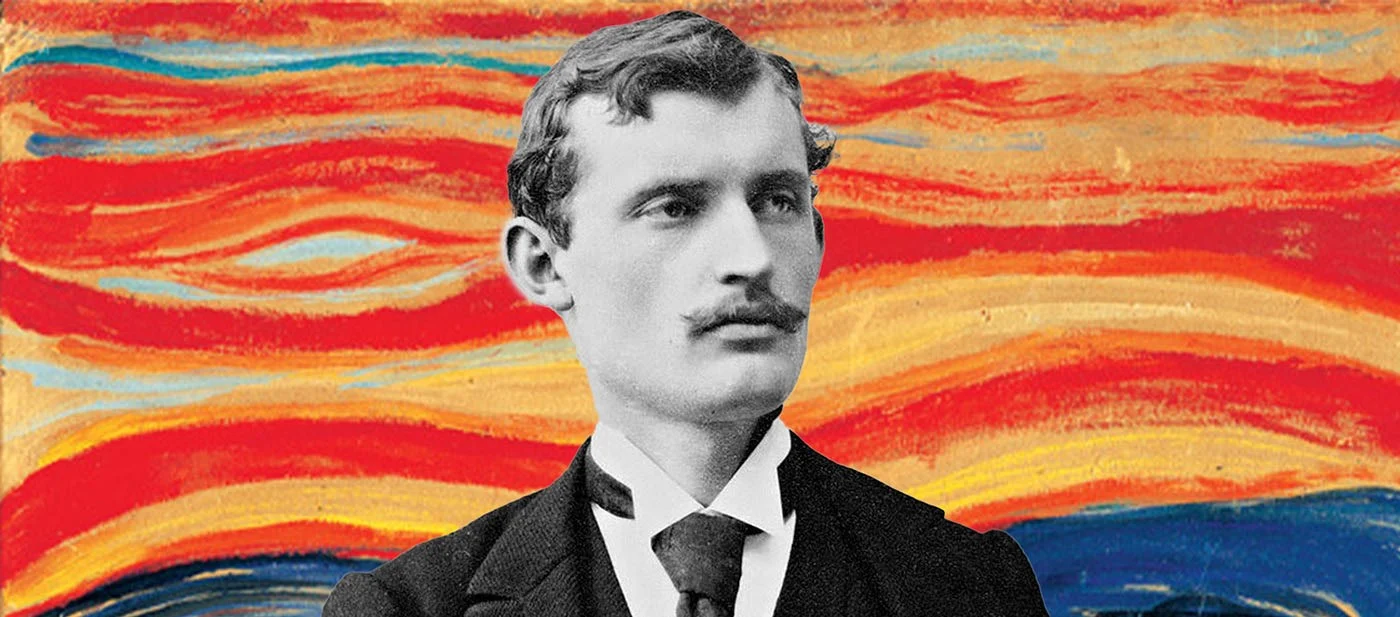
Edvard Munch’s story is one of resilience in the face of rejection. Directed by Stig Andersen, Munch in Hell delves into the struggles of the iconic Norwegian painter, focusing on how his groundbreaking art was met with disdain in Norway. Despite international acclaim, Munch faced relentless criticism, personal attacks, and even harassment from the tax authorities in his homeland.
The documentary paints a vivid picture of the societal pressures Munch endured. His expressionist works, which captured raw emotion and existential angst, were seen as radical and unsettling. Critics labeled him a troublemaker, and his peers ostracized him. Yet, Munch’s art thrived beyond Norway’s borders, gaining recognition in Europe and the United States.
Munch in Hell also examines the painter’s internal battles. Haunted by illness, loss, and a deep sense of alienation, Munch poured his pain into his work, creating pieces like The Scream and Madonna that continue to resonate with audiences today. Andersen’s documentary doesn’t shy away from these struggles, offering a nuanced portrayal of Munch as both an artist and a man.
Munch in Hell highlights the tension between artistic freedom and societal expectations. Norway’s rigid cultural norms clashed with Munch’s avant-garde vision, creating a fertile ground for his creativity but also intensifying his challenges. The film juxtaposes Munch’s rejection at home with his triumphs abroad, showing how art can transcend borders and prejudices.
This theme of rebellion also echoes in Lynch’s work. Like Munch, Lynch defied conventions, embracing the bizarre and surreal to craft his distinct style. Both artists remind us that innovation often comes at the cost of acceptance, but their legacies prove that the rewards of breaking the mold are worth it.
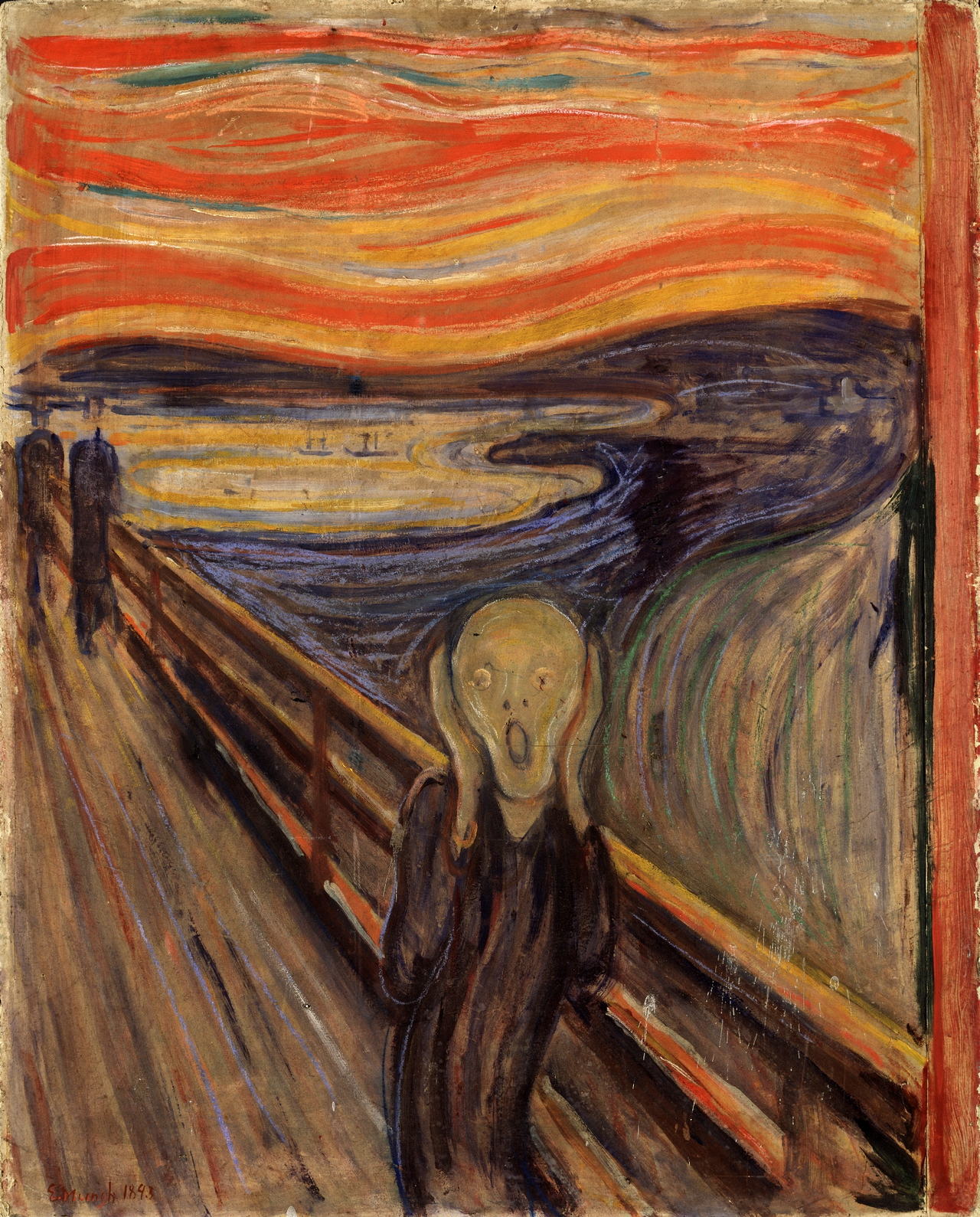
Stig Andersen’s documentary doesn’t just focus on Munch’s struggles; it also explores the cultural impact of his work. The film delves into how The Scream became a universal symbol of human angst, transcending its origins to become one of the most recognizable pieces of art in history.
The documentary also sheds light on the theft of The Scream and Madonna from the Munch Museum in Oslo in 2004. Andersen recounts the dramatic heist and the subsequent recovery of the paintings, emphasizing the lengths to which people will go to possess Munch’s masterpieces. This episode adds a layer of intrigue to the documentary, illustrating the enduring power of Munch’s art.
Munch in Hell raises important questions about how societies treat their artists. Munch’s marginalization in Norway reflects a broader pattern of resistance to change and innovation. The documentary serves as a reminder that cultural pioneers often face hostility before their work is fully appreciated. By bringing Munch’s struggles to light, Andersen challenges viewers to reconsider how we support creativity in our communities.
Both David Lynch: The Art Life and Munch in Hell offer profound insights into the lives of two creative geniuses who shaped their respective mediums. They remind us that art is deeply personal yet universally resonant, capable of transcending time, place, and societal constraints.
Lynch’s death underscores the importance of preserving and celebrating the legacies of artists while they’re still with us. Similarly, Munch’s story serves as a cautionary tale about the dangers of undervaluing creative innovation. These documentaries ensure that their contributions to art and culture continue to inspire future generations.
For those inspired by these stories, Guidedoc’s “Master Strokes: Must-Watch Documentaries on Legendary Painters” offers a curated selection of films that explore similar themes. From the struggles of Joel-Peter and Jerome Witkin to the triumphs of Sargy Mann, these docs celebrate the resilience and brilliance of artists who defied the odds.
David Lynch and Edvard Munch are proof that great art often emerges from great challenges. Whether it’s Lynch crafting unsettling cinematic masterpieces or Munch battling societal rejection to redefine visual art, their stories are a testament to the power of creativity to overcome adversity.
As we reflect on Lynch’s passing and celebrate Munch’s enduring legacy, these documentaries remind us of the human stories behind the masterpieces. They urge us to value the voices that dare to challenge the norm, for it is through their struggles that art transcends into timeless brilliance. Stream these compelling documentaries and more on Guidedoc, your destination for stories that captivate, inform, and inspire.
Watch more great documentaries on Guidedoc

2186 films
And a new one every day

The preferred platform
of true documentary lovers
Half of all revenue goes
directly to the filmmakers