Some filmmakers document the world as it is, and then there are those who reimagine it through quiet, reflective intensity. Sergio García Locatelli belongs firmly in the latter camp. Born in Lima, Peru, in 1978, this multifaceted director, editor, producer, and festival programmer has forged a path that bridges the political and the poetic, the personal and the universal. Now, Guidedoc celebrates his signature vision through a newly curated collection: The Cinema of Sergio García Locatelli by Quechua Films.
This program gathers six distinct documentary works under one sensibility—one marked by emotional intelligence, social depth, and an eye for the in-between spaces of life. From the bustling streets of Colombo to the foggy stillness of Lima, from a kitchen that hosted legends to intimate portraits of grief and exile, Locatelli's cinema builds bridges between cultures, questions, and inner lives.
What makes this selection special is not just the diversity of its themes—migration, death, food, identity, belonging—but the way Locatelli frames these topics through texture, tone, and memory. These are not loud documentaries. They whisper, echo, linger. And in doing so, they resonate long after the credits roll.
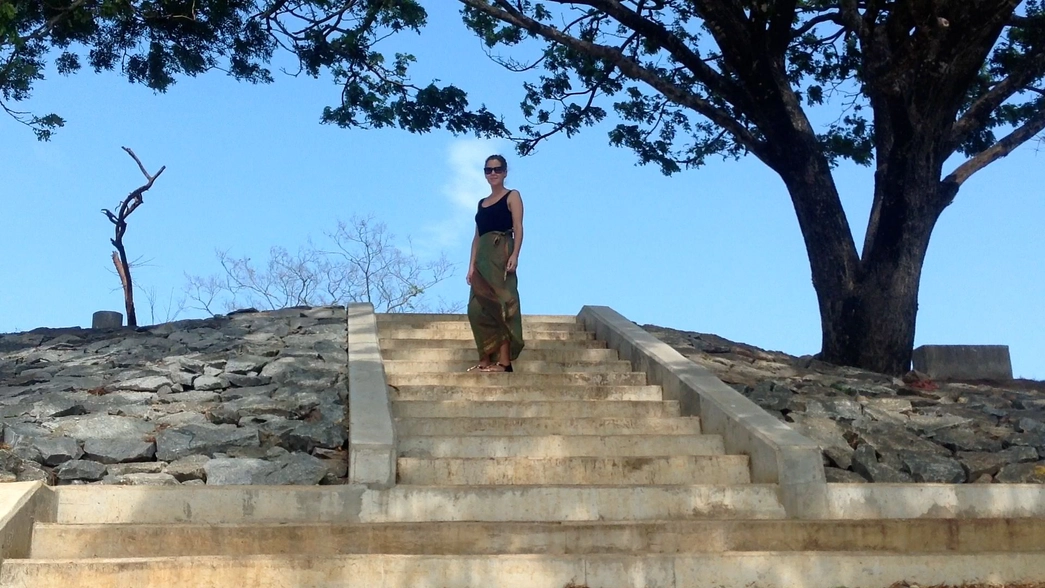
The heart of this program might be Our Own Ceylon, a documentary that defies the travelogue genre by rejecting spectacle in favor of empathy. A couple explores Sri Lanka not through a tourist's lens, but with genuine curiosity for the rhythms of everyday life. Locatelli allows the experience to unfold through humble gestures, shared moments, and silent awe.
The result is a film that transforms travel into cultural humility. In a global landscape obsessed with "content," this documentary offers context—and the respectful intimacy that arises when you simply slow down and observe.
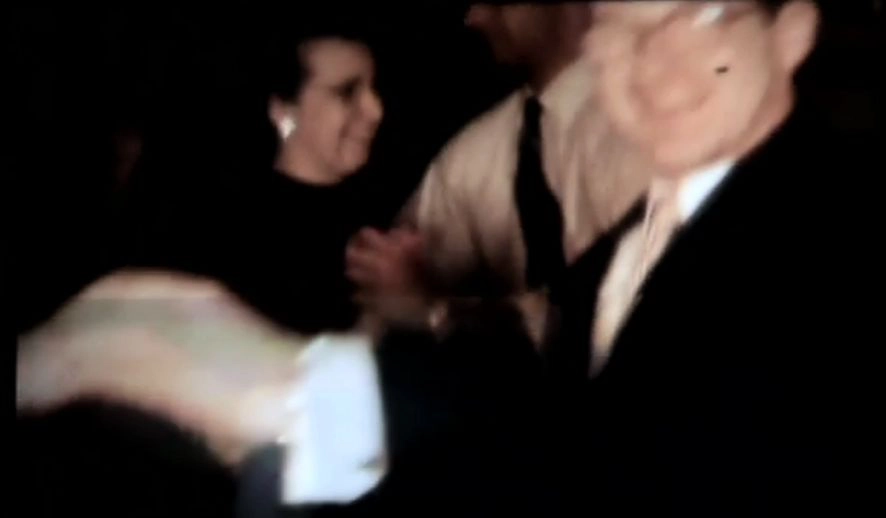
Meanwhile, It's in Your Eyes moves into deeper emotional terrain. Here, the absence of a loved one becomes the central character. Through meditative images and a voice that almost seems to whisper from another dimension, Locatelli evokes the silence that grief leaves behind. It’s a quiet, brave film that never seeks to explain loss—only to sit with it. The doc invites the viewer to remember their absences, their own unfinished conversations.
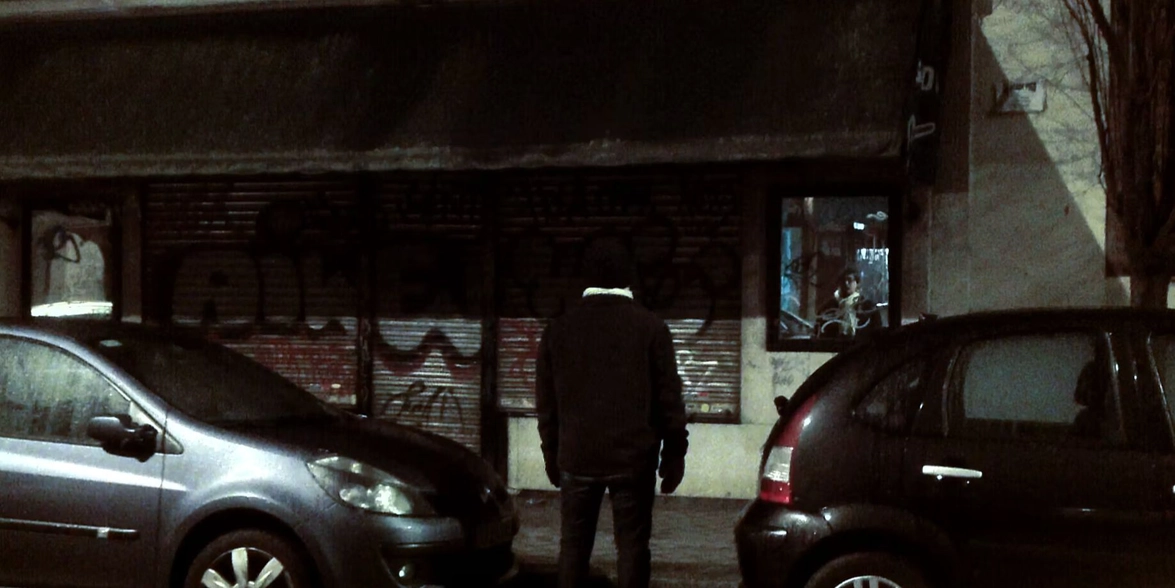
My World explores the psychological experience of living in a place that never quite feels like home. In this case, Madrid. The film's protagonist has spent more than seven years in Spain, yet her voice still feels foreign to its streets. This deeply internal documentary leans on poetic imagery and narration to surface what bureaucratic documents never reveal: the lingering sensation of non-belonging.
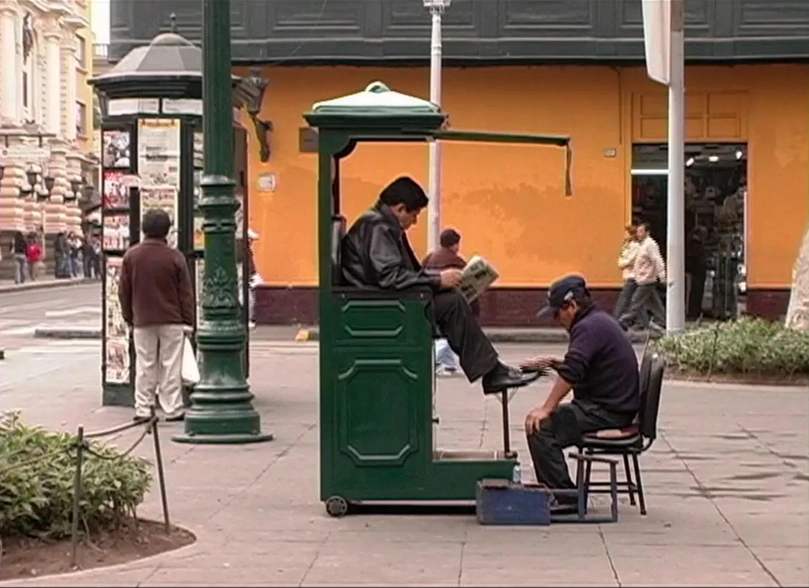
Similarly, is Internal Outskirts rooted in place—Lima, Peru—but seen through the eyes of return and exile. Winter in Lima is not just a season; it becomes a metaphor for nostalgia, class struggle, and the overlapping sediment of memory and cityscape. This is not the Lima of tourist brochures. It is gray, foggy, and slow. It asks you to look again.
Both films speak to an era where conversations around migration are often reduced to policy and numbers. Locatelli restores the soul to these discussions, reminding us that borders are not only political, but emotional.
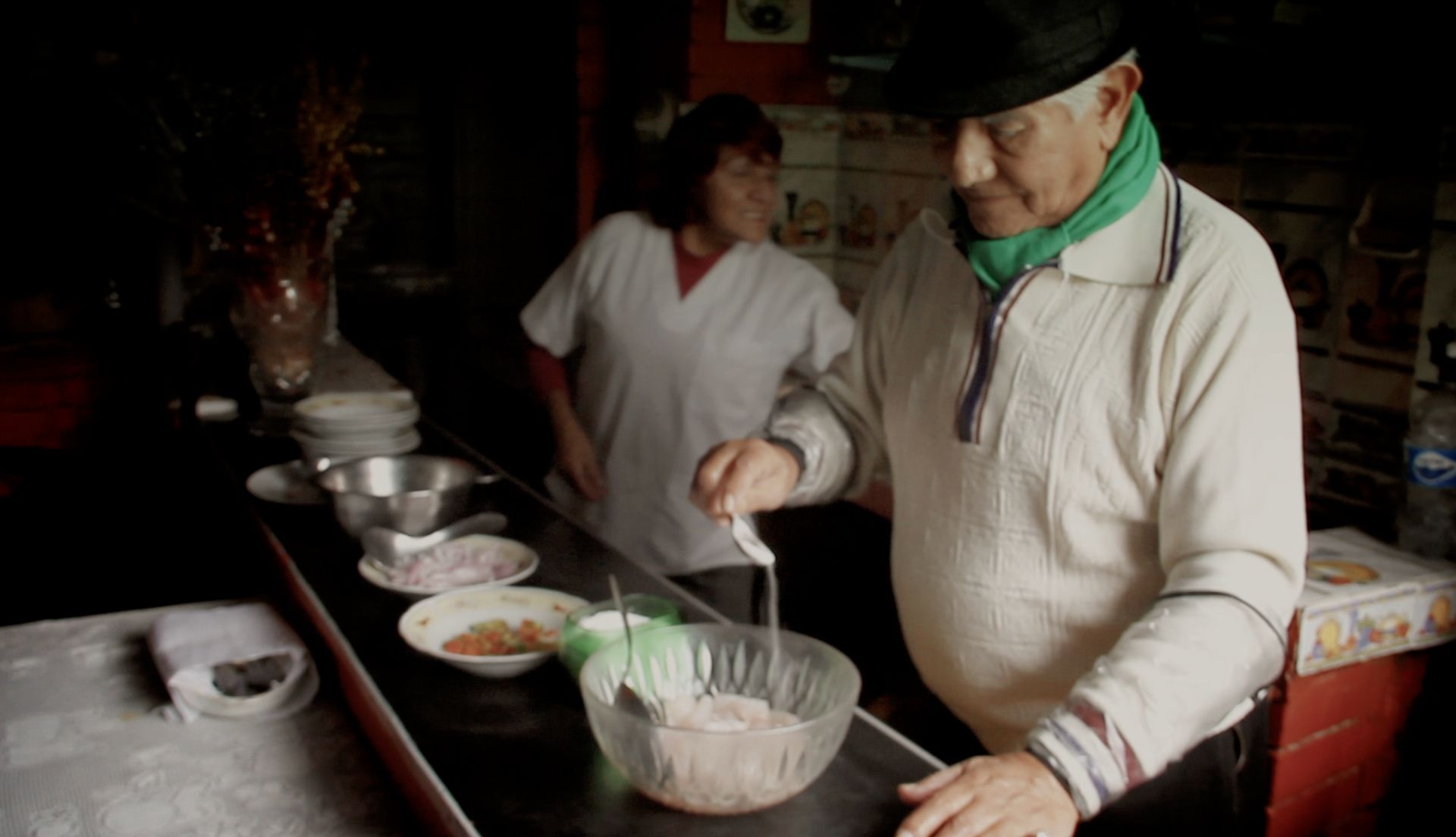
With Solari, we enter the flavorful history of Pedro Solari, the godfather of Peruvian ceviche. Before Peruvian cuisine was internationally adored, Solari was feeding it to Cantinflas, Celia Cruz, and John Wayne. But this isn’t just a film about food. It’s about cultural heritage, craft, and the quiet power of those who define tradition. Locatelli traces Solari’s legacy not with grand gestures, but with culinary patience—watching hands chop, eyes focus, and recipes live on.
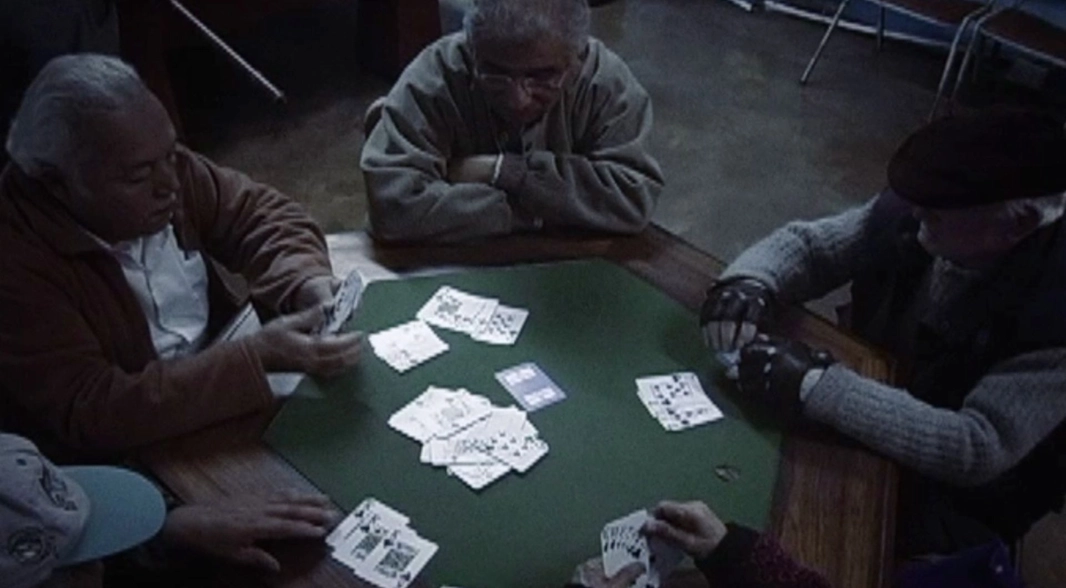
Then comes The End of the Road, which might be the emotional fulcrum of the program. This film doesn’t offer answers to death; it multiplies the questions. Through the eyes of children, elders, healthcare workers, and the terminally ill, Locatelli crafts a multi-perspective meditation on mortality. It’s grounded not in fear, but in listening. What do people think about when they know the end is near? What do they remember? What do they fear, or embrace?
As we noted in our Guidedoc article on To Remember Humanity: "Death is not an ending in documentary, but a reframing of what it means to live." Locatelli’s work confirms this. His films don’t shout. They invite.
Sergio García Locatelli’s career spans decades and roles. From co-directing Argumosa 11, Inhabiting the Void to producing No Somos Nada, a raucous journey into the world of La Polla Records, his work reveals a balance between punk edge and contemplative soul. His collaborations with directors like Javier Corcuera (El viaje de Javier Heraud) and Mauricio Franco (Samichay) show his range—from political biography to rural fiction.
Yet it’s in his documentaries where Locatelli’s fingerprints are most visible. The patience of his editing, the human scale of his subjects, and the refusal to sensationalize make his cinema an act of quiet resistance. He invites us to feel, not just to know.
The Cinema of Sergio García Locatelli by Quechua Films is more than a collection. It’s a map of the emotional and existential coordinates that define us: love, loss, place, memory, tradition. Watching these six films is like flipping through the pages of an intimate travel journal, one that was never meant to be published but is all the more generous for it.
These films won’t go viral. They won’t shout over you. But they will stay with you—in a glance remembered, a city reimagined, a flavor recalled, a silence broken.
Watch more great documentaries on Guidedoc

2186 films
And a new one every day

The preferred platform
of true documentary lovers
Half of all revenue goes
directly to the filmmakers