Few contemporary documentary filmmakers have developed a voice as quietly radical as Elizabeth Lo. Born and raised in Hong Kong and trained at New York University Tisch School of the Arts and Stanford University, Lo has built a body of work defined by patience, ethical rigor and an extraordinary ability to access worlds that usually remain invisible.
Across her films, Lo is not interested in spectacle or denunciation. Instead, she places her camera inside systems that quietly regulate human lives and allows contradictions to unfold in real time. Homelessness in Silicon Valley. Urban survival in Istanbul. Marriage, infidelity and emotional labor in contemporary China. Her cinema is observational, intimate and deeply humane.
Elizabeth Lo’s work consistently explores how individuals adapt to rigid social structures. She films places where people sleep, love, negotiate and endure under conditions shaped by economics, tradition and power. Rather than offering answers, her films invite viewers into prolonged encounters with complexity.
That approach reaches a new level of maturity with Mistress Dispeller, while echoing themes already present in earlier works like Hotel 22.
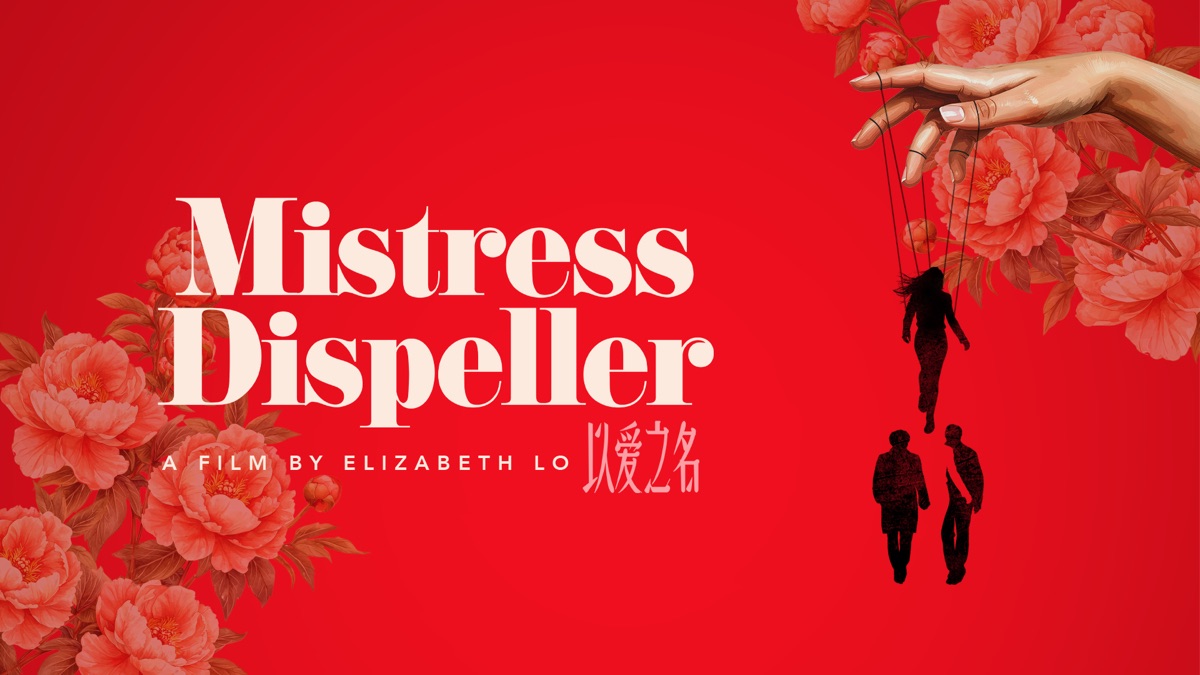
Mistress Dispeller is Lo’s most psychologically intricate film to date. Set in mainland China, it follows a woman who hires a professional known as a mistress dispeller to covertly dismantle her husband’s extramarital affair. This discreet industry has emerged over the last decade as a way to preserve marriages in a society where divorce still carries significant stigma.
At the center of the film is Teacher Wang, a seasoned practitioner whose job requires deception, empathy and emotional precision. By infiltrating social circles under false identities, she attempts to dissolve affairs from within. Lo’s camera follows this process with striking intimacy, gaining access to all sides of a love triangle that would normally remain hidden.
Premiering at the Venice International Film Festival in the Orizzonti section and later screening at the Toronto International Film Festival, the film was widely praised for balancing sociological insight with deep emotional nuance. Critics highlighted its refusal to assign blame and its ability to generate empathy for figures often reduced to stereotypes.
Ethically, Mistress Dispeller is also one of Lo’s most demanding projects. Because deception is intrinsic to Teacher Wang’s work, some participants initially believed they were appearing in a film about modern love rather than an undercover intervention. Lo and her producers addressed this through a strict re consent process at the end of filming, giving everyone the option to withdraw once the full context was revealed. All participants ultimately chose to remain.
The result is a Rashomon like portrait of marriage under pressure, where emotion, pragmatism and cultural norms collide without resolution.
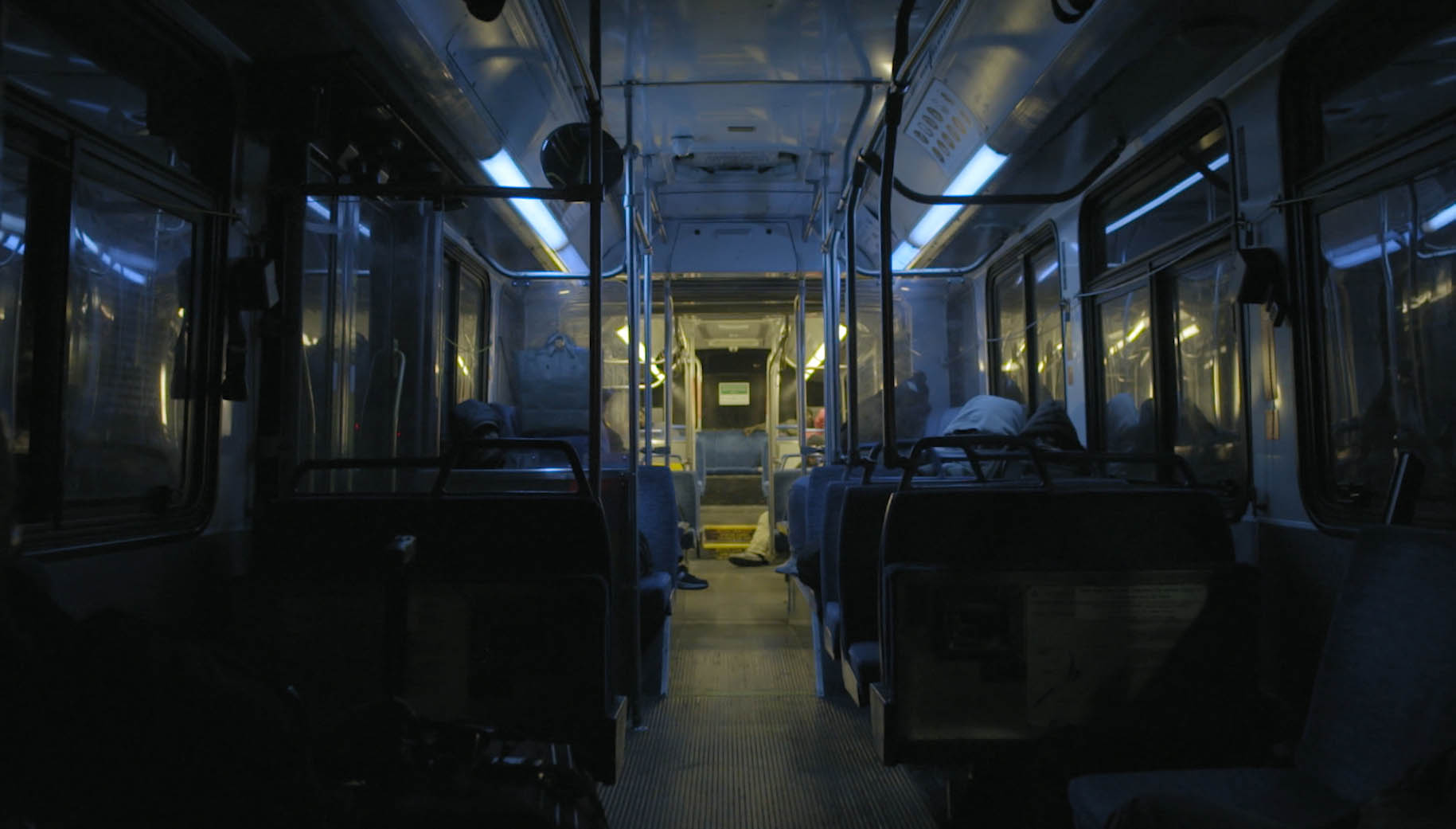
Before turning her lens toward intimacy and infidelity in China, Elizabeth Lo examined another hidden system of survival in Hotel 22. The film documents a public bus line in Silicon Valley that transforms each night into an unofficial shelter for homeless passengers in one of the wealthiest regions on the planet.
Lo adopts a purely observational approach. Static shots, long takes and a precise sound design allow the bus itself to become a character. The mechanical rhythm of the vehicle, the tension between passengers and the quiet rituals of sleep create a powerful sensory experience.
What makes Hotel 22 resonate so strongly with Mistress Dispeller is its shared perspective. Both films observe spaces where people adapt to structural failure. In one, homelessness unfolds within the contradictions of technological wealth. In the other, emotional labor emerges as a private solution to marital crisis. In both cases, Lo films without judgment, allowing dignity and discomfort to coexist.
Seen together, Mistress Dispeller and Hotel 22 reveal a filmmaker deeply committed to understanding how individuals navigate systems that promise stability but often deliver vulnerability. Elizabeth Lo’s cinema insists on attention, duration and empathy. She does not simplify. She listens.
Her films remind us that the most revealing stories often happen at night, behind closed doors or in places we pass through without noticing.
If Mistress Dispeller has sparked your interest in Elizabeth Lo’s work, you can already explore Hotel 22 on GuideDoc. It is an essential entry point into her cinematic universe and a powerful companion to her latest film.

2186 films
And a new one every day

The preferred platform
of true documentary lovers
Half of all revenue goes
directly to the filmmakers