The curated collection Brazilian Gazes By Anavilhana, presented by Guidedoc, showcases three extraordinary documentaries that exemplify the very best of contemporary Brazilian cinema. Brazilian documentary cinema has emerged as one of the most compelling voices in contemporary filmmaking, offering audiences a kaleidoscope of perspectives that transform the personal into the universal. Brazilian documentaries have found their global audience, captivating viewers with their raw authenticity and uncompromising vision.
These films possess an inherent rhythm that mirrors the country's own cultural heartbeat, turning intimate stories into profound cinematic experiences.
The power of Brazilian documentary lies not just in its ability to document reality, but in its unique capacity to find the extraordinary within the ordinary. Whether exploring the forgotten corners of rural traditions or diving deep into personal grief and memory, these films offer a window into Brazil's soul that is both deeply personal and universally resonant.
The recent triumph of Brazilian cinema at the Academy Awards, with I'm Still Here becoming the first Brazilian victory at the Oscars in 2025, signals a growing international appreciation for the country's cinematic storytelling that extends far beyond narrative features.
Brazilian documentarians tackle subjects with a fearlessness and intimacy that sets them apart from their international counterparts. From environmental activism in the Amazon rainforest to urban struggles in São Paulo's favelas, from cultural preservation efforts to deeply personal journeys of self-discovery, these filmmakers don't just observe—they participate, engage, and often become catalysts for understanding. This bold approach has earned recognition at major international festivals, establishing Brazilian documentary as an essential voice in contemporary cinema.
Brazilian documentary cinema is experiencing a remarkable renaissance, driven by filmmakers who seamlessly blend traditional storytelling techniques with innovative approaches to personal narrative. These creators are crafting visual symphonies that resonate with global audiences seeking authentic stories in an increasingly artificial world. The contemporary Brazilian documentary landscape is characterized by its diversity of approaches and subjects, but perhaps most importantly, by its unwavering commitment to finding profound meaning in seemingly simple stories.
What sets Brazilian documentaries apart is their ability to balance artistic vision with deep emotional truth. These films don't just document events; they excavate the layers of meaning within human experience, whether that's the grief of losing a loved one, the disappearing traditions of rural life, or the transformative power of retracing one's footsteps. The tradition of Cinema Novo, Brazil's influential film movement of the 1960s, continues to inspire contemporary documentarians who see their work as both art and revelation.
The streaming revolution has been particularly beneficial for Brazilian documentary filmmakers. Platforms like Netflix, YouTube, and specialized documentary services like Guidedoc have provided these creators with unprecedented global reach. Viewers can now watch online an extensive catalog of Brazilian documentaries that were previously accessible only through film festivals or limited theatrical releases. This digital democratization has allowed Brazilian stories to find their audience worldwide, breaking down geographical barriers that once limited their impact.
The technical sophistication of contemporary Brazilian documentaries has evolved dramatically, but what remains constant is their commitment to authentic storytelling. Armed with digital cameras and editing software, filmmakers can now produce high-quality content that maintains the intimate scale necessary for these deeply personal stories. This technological accessibility has led to an explosion of diverse voices, with documentaries emerging from every corner of the country, each bringing its unique perspective to universal themes of memory, tradition, and the passage of time.
The international recognition of Brazilian documentary has grown significantly in recent years, with films earning spots at prestigious festivals worldwide. The Rio de Janeiro International Film Festival, which attracts some 250,000 spectators annually, has become a crucial platform for showcasing this work, while streaming platforms have made these powerful stories accessible to audiences far beyond Brazil's borders. For documentary enthusiasts seeking authentic, powerful storytelling that combines artistic vision with emotional depth, Brazilian documentaries represent some of the most compelling content available today.
The Brazilian Gazes By Anavilhana collection, presented by Guidedoc, features three remarkable documentaries that represent the very best of contemporary Brazilian cinema. Each film offers a unique perspective on memory, tradition, and the ways we navigate loss and change, having garnered international recognition and showcasing the exceptional talent emerging from Brazil's documentary scene.
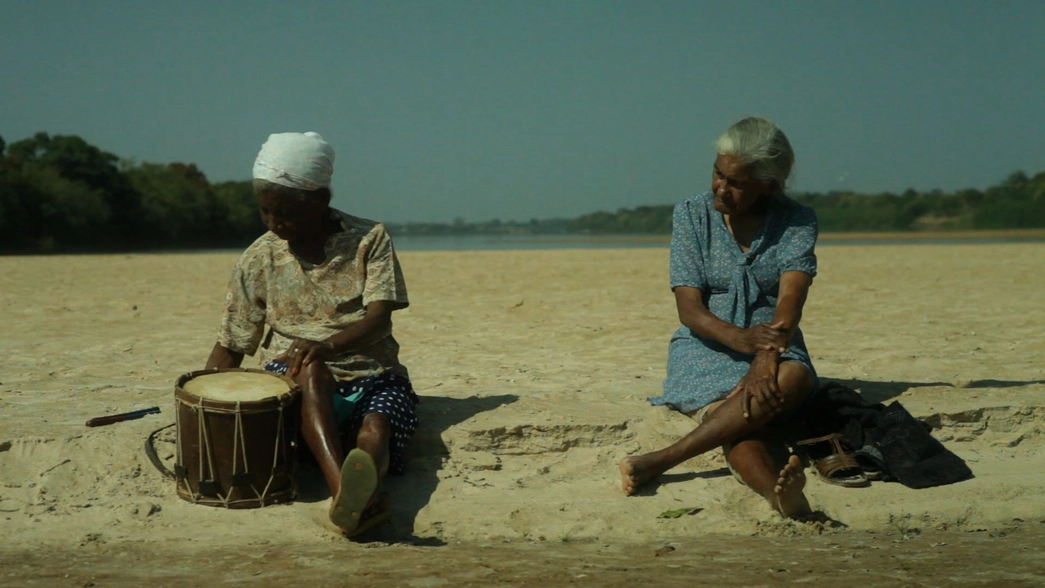
This deeply moving documentary explores the profound themes of grief, resilience, and cultural memory through the intimate story of Bastú, a woman navigating life after the devastating loss of her beloved husband Feliciano. Rather than retreating into sorrow, Bastú chooses a path of remarkable strength, anchoring her days in the small rituals of life and the echoes of her rich past. The film's genius lies in its understanding that healing doesn't come from forgetting, but from transforming memory into something life-affirming.
The documentary beautifully captures how dreams become doorways to resilience, and how the stories carried by family members can open new possibilities for connection and meaning. Mary, Bastú's granddaughter, emerges as a bridge between generations, her drum filled with ancestral joy, bringing the pulse of the world into Bastú's home. Through music, memory, and cultural pride, the film demonstrates how personal loss can be transformed into collective strength.
Director's approach to this sensitive material shows the sophisticated storytelling that characterizes the best of Brazilian documentary cinema. The film doesn't exploit grief for emotional effect; instead, it honors the complexity of loss while celebrating the human capacity for renewal. Swirl serves as both an intimate family portrait and a broader meditation on how communities preserve their cultural identity through shared memory and artistic expression.
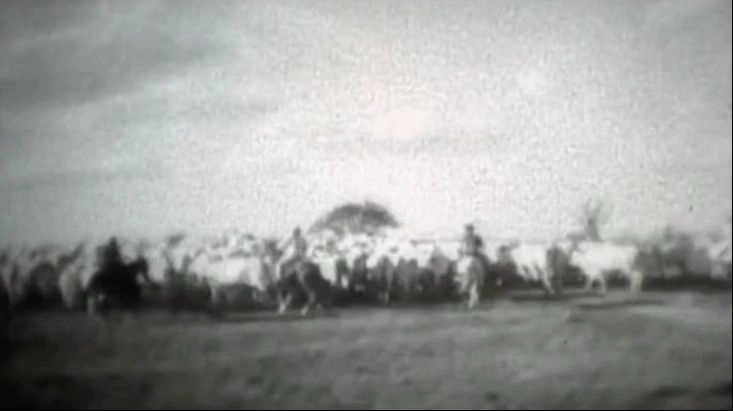
Set against the vast landscapes of northeast Brazil, this evocative documentary delves into the disappearing world of "Aboio," the haunting melodic chants used by cowboys to herd cattle under blistering skies. The film presents a lyrical journey through the lives of these men whose way of life teeters on the edge of extinction as modernity encroaches on their traditional world. What emerges is not just a documentation of a dying profession, but a tribute to the resilience of cultural memory itself.
The documentary's power lies in its ability to transform what might seem like a niche subject into a universal story about identity, tradition, and survival. These cowboys, rooted in a culture shaped by music, hardship, and historical pride, represent something larger than their individual stories. Through their voices—literally, through their haunting cattle calls—the film becomes a meditation on how communities maintain their identity in the face of overwhelming change.
As modernity threatens to erase these traditions, Cattle Callers serves as both a preservation effort and an artistic achievement. The film echoes broader stories of labor, identity, and rural tradition throughout Brazil, making it essential viewing for anyone seeking to understand how globalization affects traditional communities. The documentary doesn't sentimentalize its subjects; instead, it presents them as complex individuals whose skills and knowledge represent irreplaceable cultural heritage.
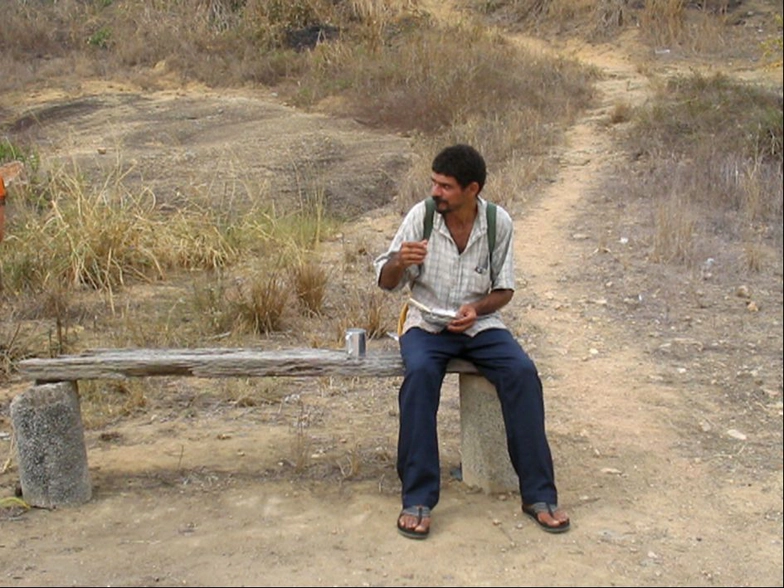
In this reflective and deeply personal road movie, filmmaker Libério embarks on an extraordinary journey of self-discovery, setting out once again along Brazil's highways to retrace a journey he filmed eight years earlier. What begins as a simple return trip evolves into something far more profound: an exploration of how time reshapes memory, perception, and purpose. The documentary captures much more than changing scenery—it becomes a meditation on the ways we understand our own lives through the lens of experience and reflection.
The film's innovative approach uses the act of retracing as both a literal journey and a metaphorical framework. Through personal footage and evolving introspection, Libério invites viewers to consider how travel can serve as both physical movement and emotional reckoning. The Brazilian landscape becomes a character in its own right, its transformation over eight years serving as a visual metaphor for the internal changes the filmmaker has experienced.
Passage exemplifies the sophisticated approach that characterizes the best contemporary Brazilian documentaries. Rather than simply documenting external events, the film excavates the psychological landscape of memory and self-discovery. As Brazil itself continues to transform, the road becomes a metaphor for both distance and return, for the ways we leave ourselves behind and find ourselves again through the act of conscious reflection.
The documentary's recognition at multiple international festivals, including official selections at the Brazilian Film Festival, Rio de Janeiro International Short Film Festival, and numerous European venues, demonstrates the global appeal of this distinctly Brazilian approach to personal documentary filmmaking.
These three documentaries from the Brazilian Gazes By Anavilhana collection represent the diverse approaches and exceptional quality that define contemporary Brazilian documentary cinema. Each film offers viewers the opportunity to watch online stories that combine artistic sophistication with deep emotional truth. Whether through the intimate exploration of grief and cultural memory in Swirl, the preservation of disappearing traditions in Cattle Callers, or the profound self-reflection of Passage, these documentaries showcase the unique power of Brazilian filmmaking to transform personal experience into universal art.
Discover the raw power and poetic truth of Latin American storytelling in our latest blog article Voices of the South: Unearthing the Depths of Latin American Documentaries. Visit our blog to explore how these films give voice to resistance, identity, and memory, straight from the heart of the continent.
Available through our streaming platform Guidedoc, these documentaries invite viewers to experience Brazil not just as a location, but as a state of mind—one that values memory, honors tradition, and finds profound meaning in the seemingly simple act of bearing witness to human experience.
Watch more great documentaries on Guidedoc

2186 films
And a new one every day

The preferred platform
of true documentary lovers
Half of all revenue goes
directly to the filmmakers