The film industry collectively lost its mind when the trailer for Danny Boyle's "28 Years Later" became the second most-watched horror trailer in history. But here's the kicker that sent shockwaves through every film school and production house: this $75 million blockbuster was shot almost entirely on iPhone 15 Pro Max devices. Twenty of them, to be exact, strapped together in custom rigs that looked like something a mad scientist would cobble together for a zombie apocalypse film, which, ironically, is exactly what it was.
Welcome to the brave new world where your smartphone packs more filmmaking power than entire studios possessed just two decades ago. While Hollywood grapples with this seismic shift, documentary filmmakers have been quietly revolutionizing their craft with the same pocket-sized powerhouses. From the favelas of Brazil to the streets of Barcelona, directors are discovering that the most powerful cinema tool isn't a $100,000 camera – it's the device you probably checked three times while reading this paragraph.
The implications extend far beyond mere cost savings. When Enrique Campo crafted his haunting docuseries Tsunami Covid and Brazilian filmmakers explored the depths of human resilience in"With the Heart in the Grave (Com o Coração na Cova), they weren't just making films – they were pioneering a new cinematic language born from accessibility, intimacy, and the democratization of professional-grade filmmaking technology.
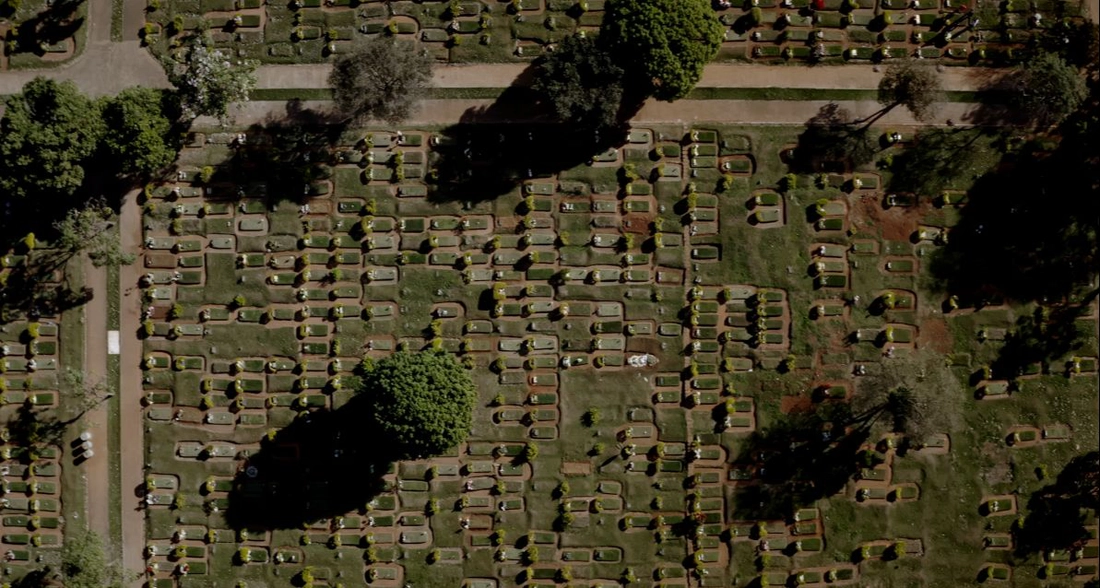
This haunting Brazilian documentary offers an unflinching look at loss, resilience, and hope by crafting intimate portraits of people confronting some of life’s most painful challenges. Shot entirely on smartphones, the film gains a raw, visceral immediacy that traditional setups often miss, forging a deep emotional connection between subject and viewer.
Through quiet, vulnerable moments and candid conversations, it captures not only individual struggles but also the collective spirit of a community grappling with grief while searching for meaning. By placing the camera so close to real lives in turmoil, "With the Heart in the Grave" reveals how proximity and trust can unlock extraordinary human stories, reminding us that powerful documentary filmmaking isn’t defined by budget, but by empathy, authenticity, and the courage to look unflinchingly at what it means to be alive.
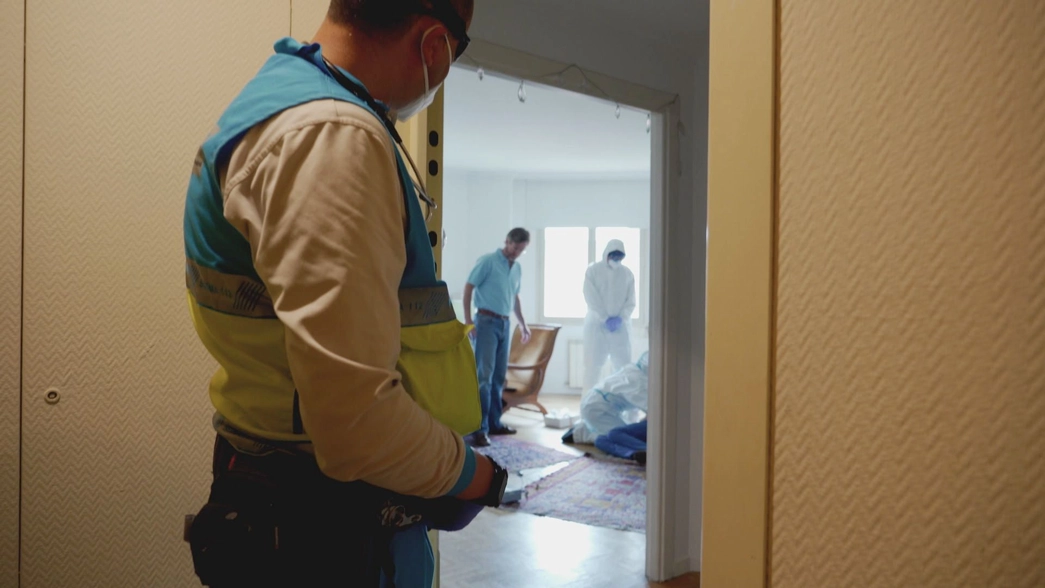
This striking docuseries by Campo offers a profoundly intimate look at the global pandemic’s human toll. Eschewing big crews and traditional production, the series relies on smartphone technology to capture the raw, immediate experiences of people navigating fear, uncertainty, and resilience in real time.
This approach allowed filmmakers to document moments and places inaccessible to standard crews, forging an unfiltered record of daily life during lockdowns, hospital surges, and personal reckonings. More than just a chronicle of crisis, "Tsunami Covid" stands as a time capsule of our shared vulnerability and adaptability, proving that when history unfolds at our doorsteps, sometimes the simplest tools can bear witness with unparalleled authenticity.
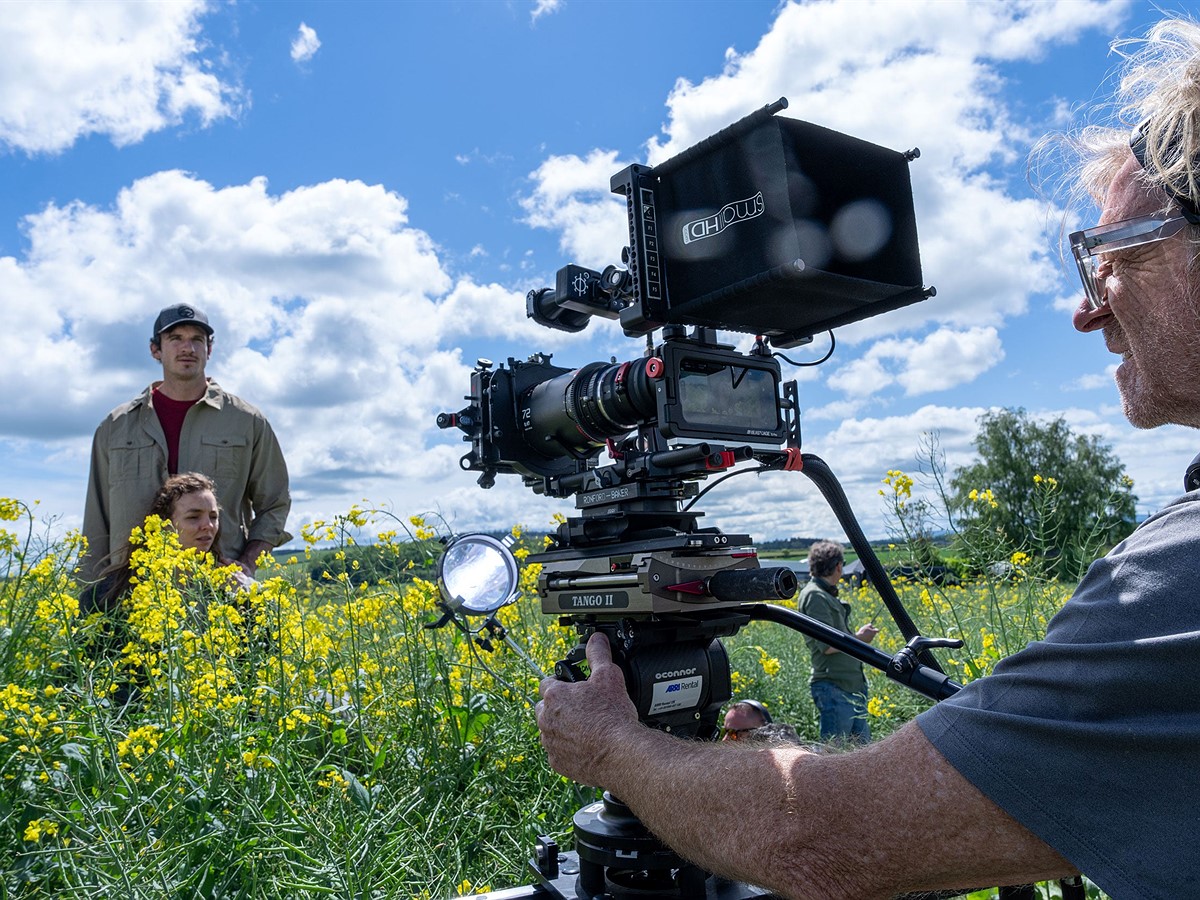
The journey from novelty to necessity happened faster than anyone predicted. What started as film students experimenting with their iPhones has evolved into a legitimate filmmaking movement that's reshaping how we think about cinema production. The iPhone's evolution from a communication device to a serious filmmaking tool mirrors the broader transformation of documentary production, where agility and authenticity often trump traditional production values.
Danny Boyle's decision to shoot "28 Years Later" on iPhones wasn't just about cost or convenience – it was about mobility and creative freedom. Using custom rigs that could hold up to 20 iPhone cameras simultaneously, the production team created what Boyle described as "basically a poor man's bullet time," capturing brutal action sequences from multiple angles with unprecedented flexibility. This approach allowed them to film in remote locations across Northern England with a fraction of the crew size and equipment that traditional filmmaking would require.
The technical capabilities that made this possible represent a quantum leap in mobile filmmaking technology. The iPhone 15 Pro Max features professional-grade video recording capabilities, including 4K ProRes recording, advanced stabilization systems, and computational photography that rivals dedicated cinema cameras. More importantly for documentary filmmakers, these devices offer the kind of discretion and portability that can make the difference between capturing authentic moments and missing them entirely.
Documentary filmmakers have always been early adopters of new technology, driven by the need to capture reality as it unfolds. The smartphone revolution has handed them tools that would have been unimaginable to previous generations. Consider the implications: a single filmmaker can now carry multiple cameras, advanced editing software, and global distribution capabilities in their pocket. This technological democratization has lowered barriers to entry while simultaneously raising the bar for storytelling innovation.
The streaming revolution has created an insatiable appetite for documentary content, with platforms like Guidedoc, Netflix, Amazon Prime, and specialized services continuously seeking fresh perspectives and voices. The iPhone's capabilities have enabled filmmakers to respond to this demand with unprecedented speed and flexibility. Where traditional documentary production might require months of planning and significant financial backing, modern smartphone filmmaking can turn current events into compelling docuseries within weeks.
This shift has profound implications for how we document and understand our world. The ability to capture high-quality footage instantly means that important stories can be told in real-time, without the traditional gatekeeping structures that have historically determined which narratives reach audiences. The COVID-19 pandemic accelerated this trend, as filmmakers like Enrique Campo demonstrated with "Tsunami Covid," using available technology to document unfolding global events with immediacy and intimacy that traditional production methods couldn't match.
The fictional pandemic in "28 Years Later" feels eerily familiar after our real-world experience with COVID-19 in 2019. Both remind us how quickly life can unravel, exposing vulnerabilities in our systems and ourselves, making stories about contagion and survival uncomfortably—and powerfully—relevant.
The smartphone revolution in documentary filmmaking represents more than technological advancement – it's a fundamental shift toward more democratic, accessible, and authentic storytelling. As "28 Years Later" continues breaking box office records and streaming platforms' hunger for fresh documentary content, filmmakers armed with nothing more than an iPhone and a compelling vision are proving that the future of cinema fits in your pocket.
The question isn't whether smartphone filmmaking will replace traditional methods, but how quickly the industry can adapt to a world where every individual carries professional-grade filmmaking equipment wherever they go.
Want to dive deeper into how documentaries shape reality? Check out our Guidedoc article The Many Faces of Truth: A Guidedoc Exploration of Documentary Filmmaking Techniques, and discover the art and craft behind capturing truth on screen.
Whether you're streaming on Netflix, searching for your next documentary obsession on YouTube, or wondering where to watch the latest smartphone-shot masterpiece on Guidedoc, remember that the most revolutionary films of our time might very well be captured on the same device you use to check your email. The democratization of filmmaking technology has arrived, and it's reshaping not just how we make movies but how we see and understand our world.
Could the next pandemic spiral out of control? Keep your phone ready and shoot the year's most compelling film.
Watch more great documentaries on Guidedoc

2186 films
And a new one every day

The preferred platform
of true documentary lovers
Half of all revenue goes
directly to the filmmakers